
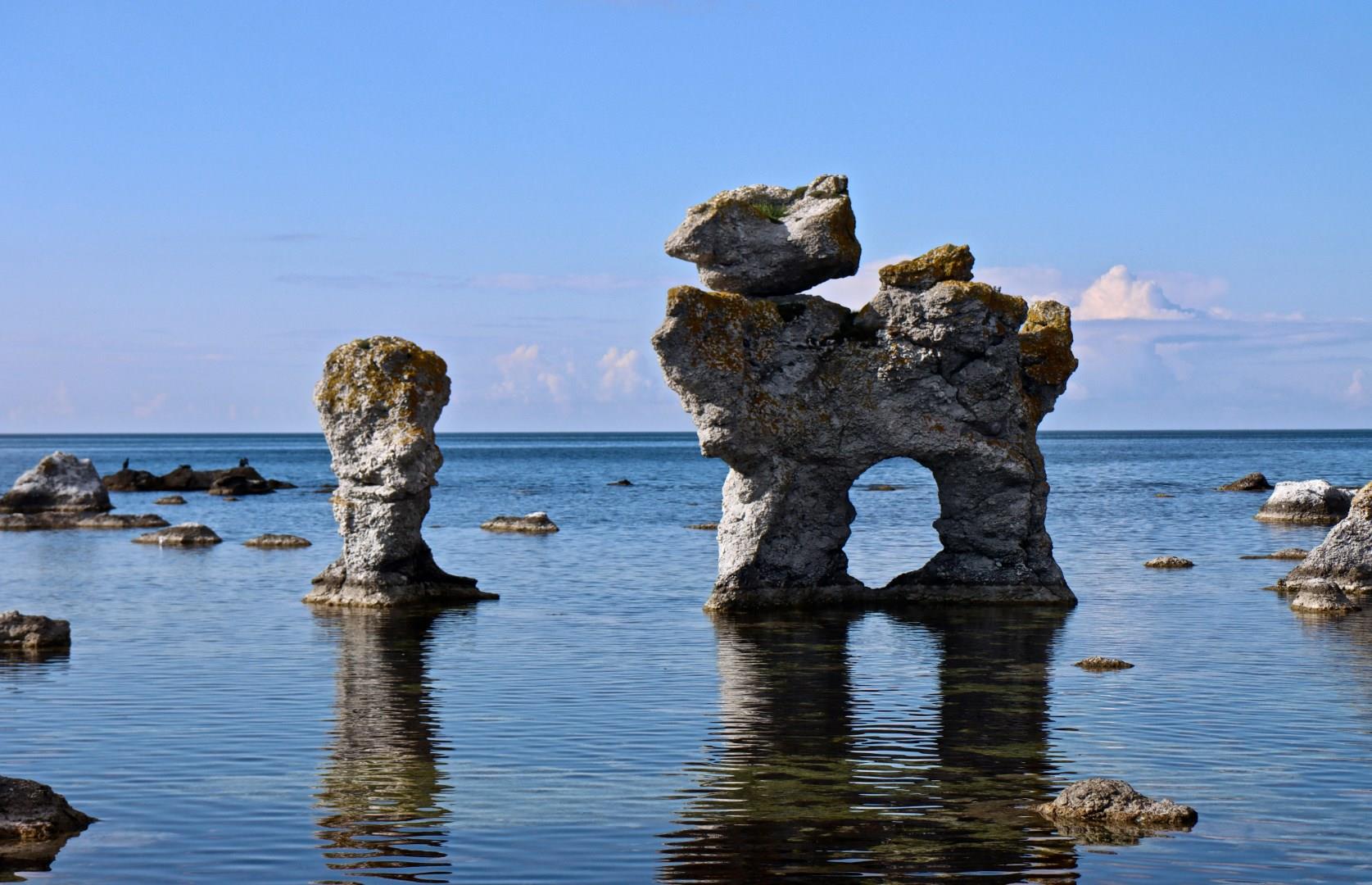
Gotland
Gotland, Sweden’s largest island, sits in the Baltic Sea and feels like a world of its own. Its main town, Visby, is a UNESCO World Heritage site and one of the best-preserved medieval towns in Northern Europe. Surrounded by a 3.5-kilometer stone wall with original towers still intact, Visby once served as a key Hanseatic trading hub. Visitors can walk along cobbled streets lined with rose-covered cottages, explore Gothic church ruins, and climb up the city wall for views over the harbor.

Quintana Roo
Quintana Roo, nestled on the Caribbean coast of Mexico’s Yucatán Peninsula, is a paradise that seamlessly blends ancient history with modern luxury. The state is perhaps best known for its glittering beaches and turquoise waters, epitomized by destinations like Cancún and Playa del Carmen.
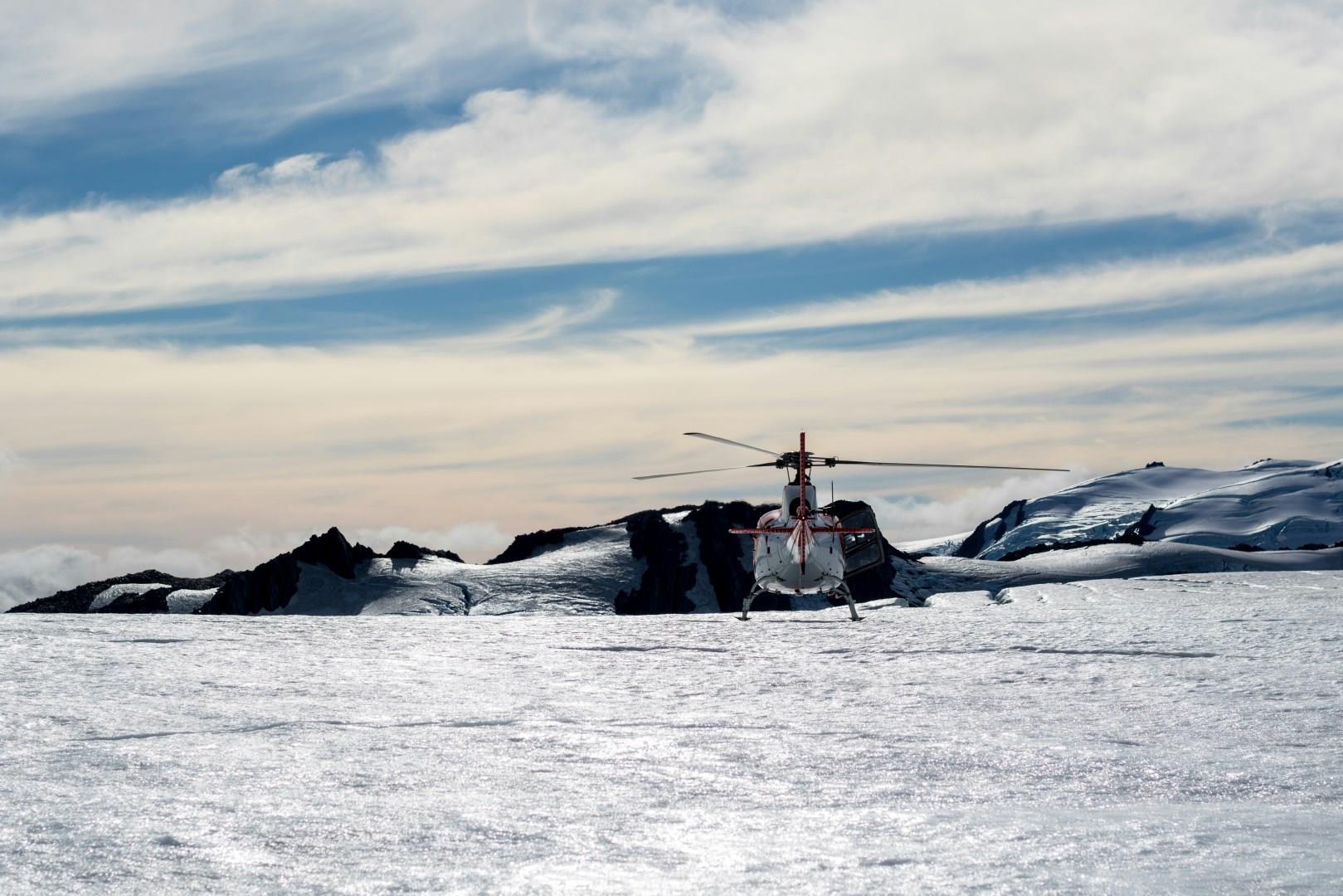
Fox Glacier
Fox Glacier, on New Zealand’s South Island, is one of the country’s most remarkable natural wonders, where icy landscapes meet lush rainforest. Named after Sir William Fox, a 19th-century Prime Minister of New Zealand, the glacier stretches from the high peaks of the Southern Alps down into temperate rainforest.

Caldas de Reis
Caldas de Reis is a small spa town in Galicia, Spain, located along the Umia River on the Portuguese route of the Camino de Santiago. It is known for its thermal waters, which have shaped the town’s identity and layout.

Port Moresby
Port Moresby sits by the Coral Sea as Papua New Guinea’s capital and shows visitors a city of contrasts where glittering new buildings rise beside traditional villages built on stilts. One such place is Hanuabada, the original Motuan village, where roofs reach above water’s edge and everyday life still unfolds in Tok Pisin and local tongue.
