
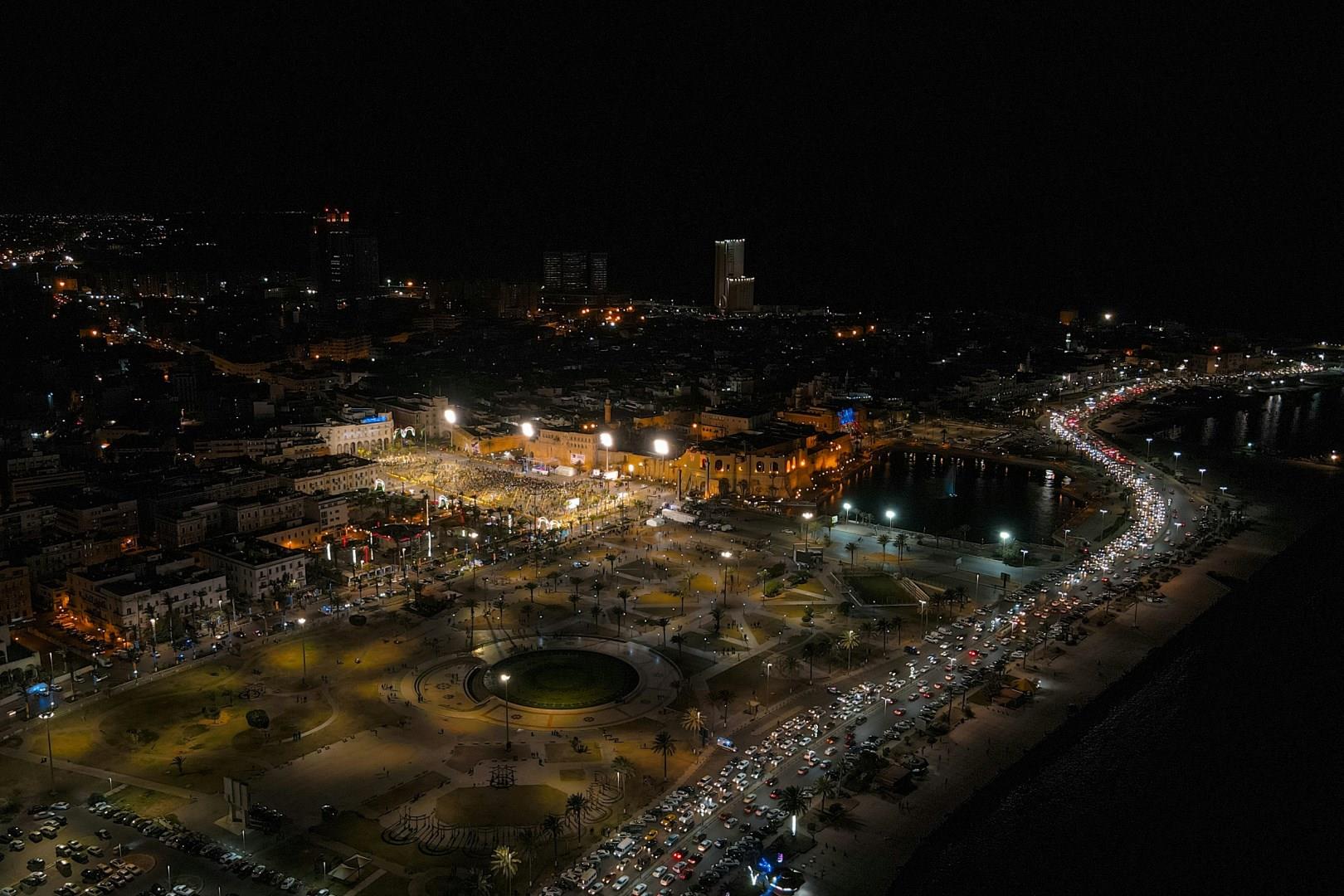
Libya
Libya, located in North Africa along the Mediterranean coast, is a country of vast deserts, ancient history, and dramatic landscapes. Much of its terrain is dominated by the Sahara Desert, with sand dunes, rocky plateaus, and oases shaping life across the country.

Caye Caulker
Caye Caulker lies off the coast of Belize, a small island that was once a quiet fishing village and today still feels wonderfully uncrowded compared to many Caribbean destinations. Its name likely comes from an English twist on “Hicaco,” the old Spanish name meaning coco plum, a nod to the island’s early days and bilingual roots.

Zion National Park
Zion National Park, located in southwestern Utah, is known for its massive sandstone cliffs, narrow slot canyons, and unique desert ecosystems. Established in 1919, it was Utah’s first national park and continues to attract visitors with its dramatic elevation shifts and striking rock formations. The park’s most iconic feature, Zion Canyon, stretches for 15 miles and reaches depths of up to 2,640 feet, carved over time by the Virgin River.

Saudi Arabia
Saudi Arabia is revealing chapters long unseen by tourists. Al-Ula is home to Hegra, the first UNESCO World Heritage Site in the kingdom and hosts to ancient Nabatean tombs carved in sandstone cliffs. Nearby, the mirrored Maraya Concert Hall reflects the desert sky, its design both unexpected and elegant amid the sands. Visitors can wander through narrow canyons, step inside rock-hewn facades, and feel the weight of ancient civilizations still echoing across the dunes.

Alghero Sardinia
Alghero, located on the northwest coast of Sardinia, Italy, is a seaside city that blends history, culture, and natural beauty. Known as “Little Barcelona” due to its Catalan influence, Alghero’s old town is a maze of narrow cobblestone streets, colorful buildings, and medieval walls overlooking the Mediterranean Sea. Visitors can explore landmarks like the imposing Torre del Portal, a medieval tower that is a testament to the city’s rich heritage.
