

Alyeska
A true destination, Alyeska is Alaska's biggest ski area. At the summit sits Mt. Alyeska Roundhouse, the state's only mountaintop museum.

Island Of Mozambique
The Island of Mozambique, a UNESCO World Heritage Site, is a historical gem nestled off the northern coast of Mozambique. This small island, which was once a pivotal trading post, boasts a rich tapestry of history and culture. The island's main attraction is the Fort São Sebastião, an imposing 16th-century fortress built by the Portuguese to protect their trading interests.
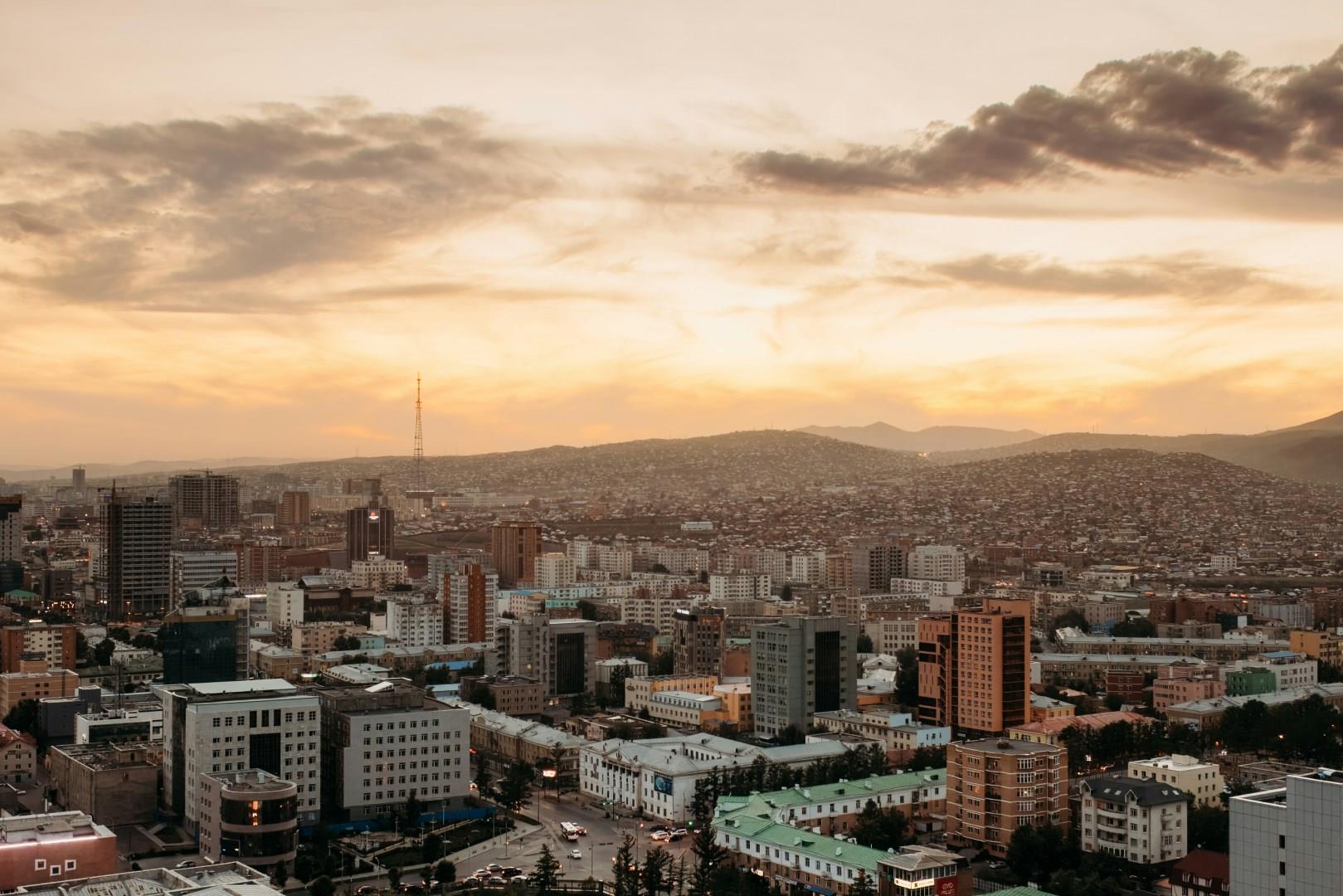
Ulaanbaatar
Ulaanbaatar, the capital of Mongolia, is a city where tradition and modern life intertwine. Nestled in a valley surrounded by mountains, it serves as the country’s cultural, political, and economic hub. The city’s skyline features a mix of Soviet-era architecture, Buddhist monasteries, and contemporary high-rises.

Tsavo West National Park
Tsavo West National Park, located in Kenya, offers a quintessential safari experience amidst dramatic landscapes and abundant wildlife. This vast park is part of the larger Tsavo ecosystem and is renowned for its diverse habitats, including semi-arid plains, volcanic hills, and lush riverine forests. The park’s centerpiece, the Mzima Springs, provides a vital water source for wildlife and features crystal-clear pools that allow visitors to view aquatic life such as hippos and fish through underw

Namib Desert
The Namib Desert, one of the world’s oldest deserts, stretches along the western coast of Namibia, offering a landscape of stunning, otherworldly beauty. The name “Namib” means "vast place," and fittingly so, as this desert spans over 2,000 kilometers and includes some of the tallest sand dunes on Earth, such as those found in Sossusvlei.
