
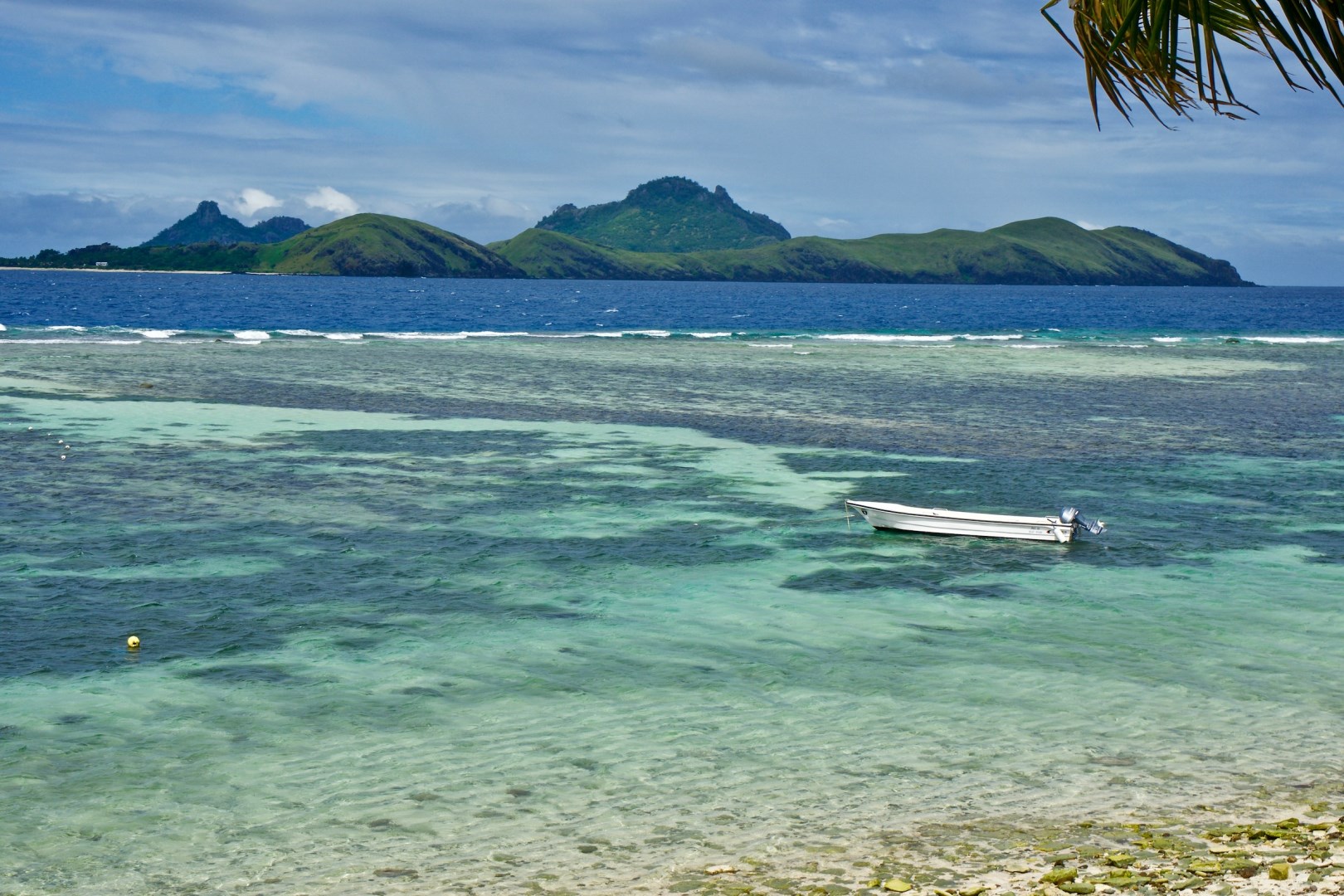
Tokoriki Island
Tokoriki Island is located in the northern Mamanucas of the Fiji Islands. This is a prime location for scuba diving and water sports.
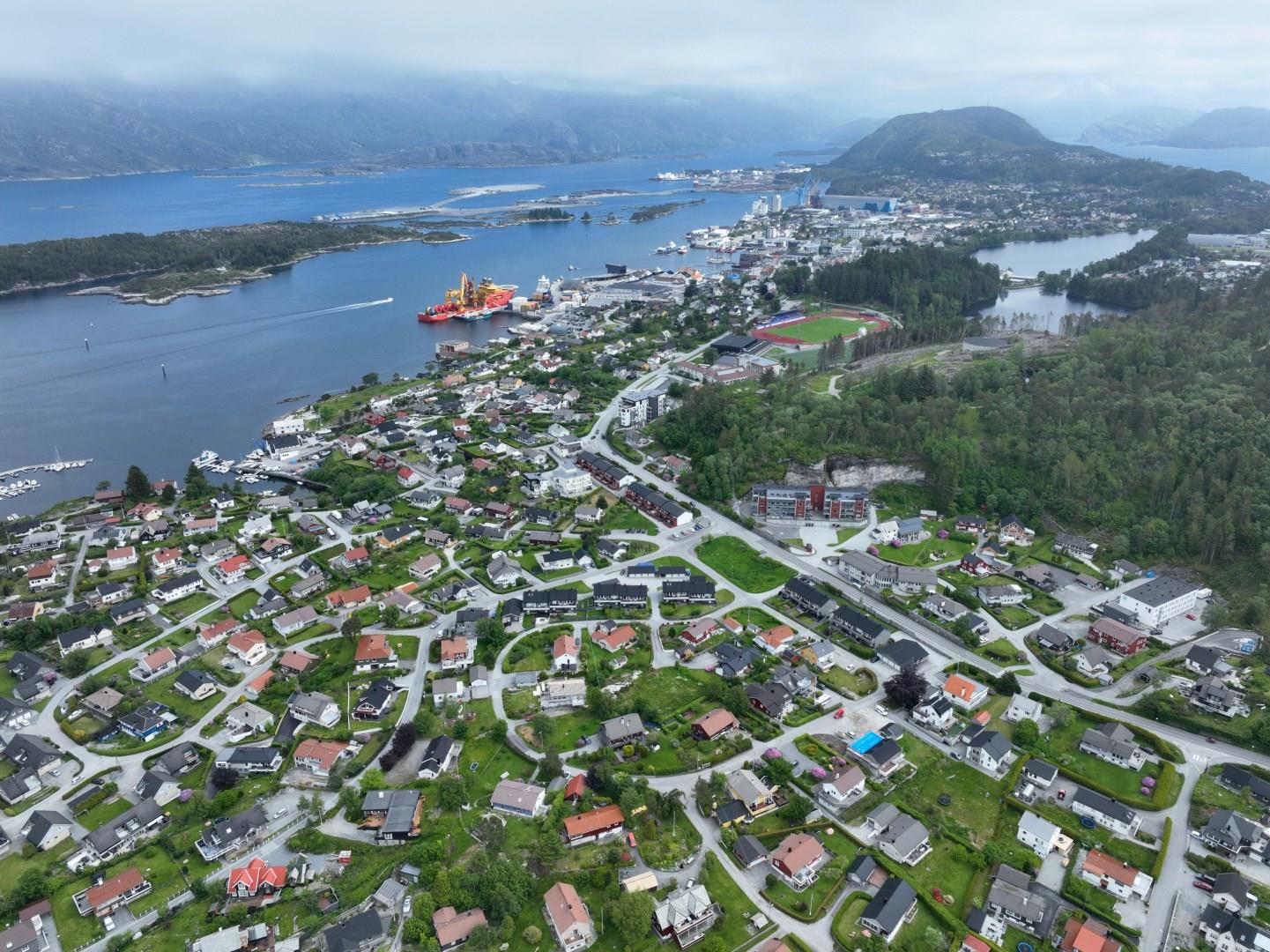
Florø
Florø, the westernmost town in Norway, sits right at the edge of the sea as a small, coastal town with deep maritime roots and front-row views of the North Atlantic. Established in 1860 as a herring fishing hub, Florø still carries the rhythm of the ocean in daily life. Though small in size, the town serves as a jumping-off point to explore the rugged coastline, scenic fjords, and a collection of islands that each have their own stories and scenery.

Southampton
Southampton is a city shaped by the sea. Located on the southern coast of England, it has been a key maritime port for centuries. In 1912, the RMS Titanic set sail from its docks, and today, the SeaCity Museum tells the story through the lives of local residents connected to the voyage. The medieval city walls, which are some of the best-preserved in England, still stand, offering a walk through time with views of old merchant houses, towers, and hidden vaults once used to store wine and wool.
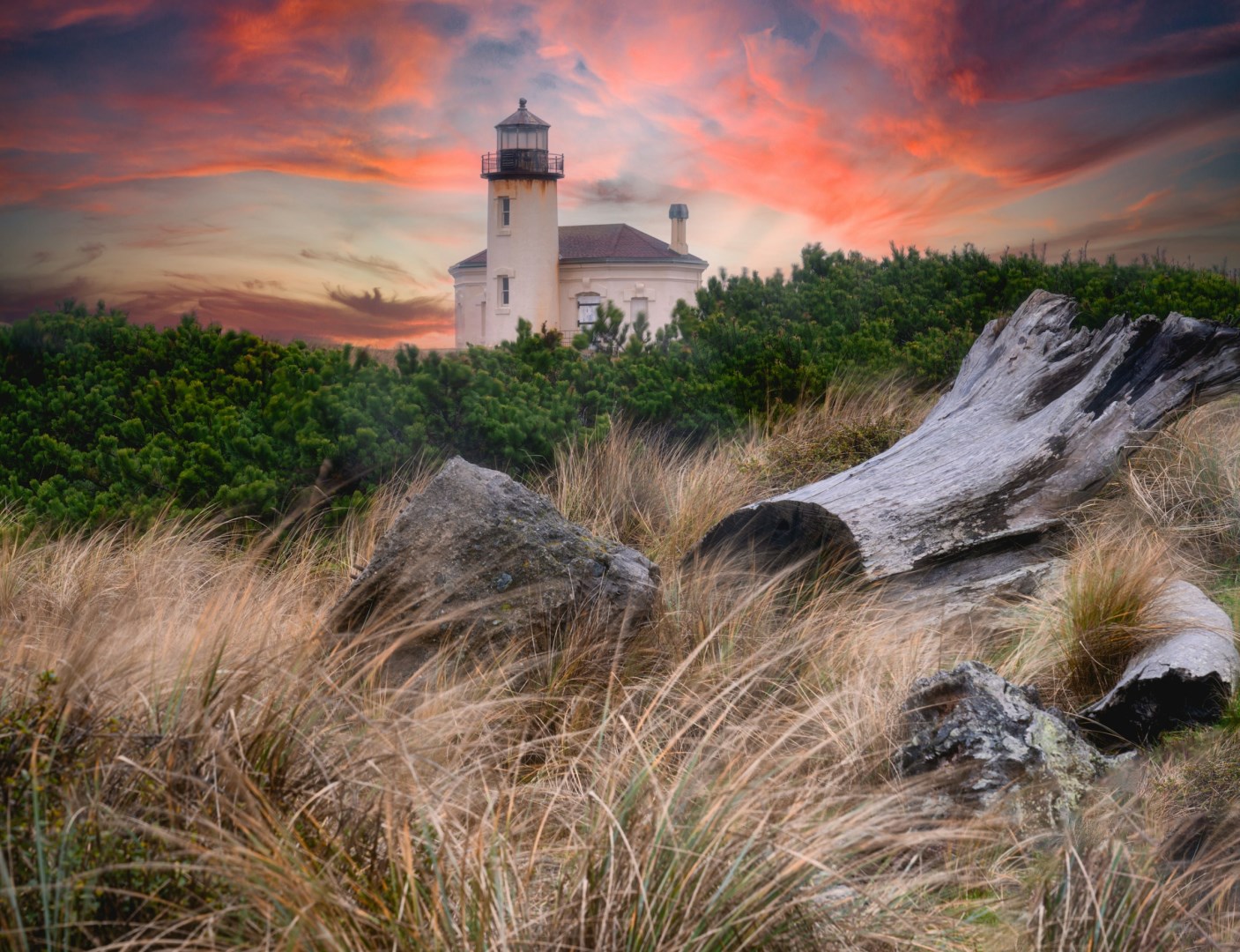
Bandon
Bandon is a coastal city on Oregon’s southern coast, positioned beside the Coquille River and the Pacific Ocean. Its setting combines a small harbor, sandy beaches, forested areas, and a rugged shoreline marked by offshore sea stacks. The city is known for its relaxed coastal character and its connection to the surrounding landscape rather than large-scale development. Bandon’s Old Town district contains shops, galleries, restaurants, and historic buildings, while the waterfront provides access
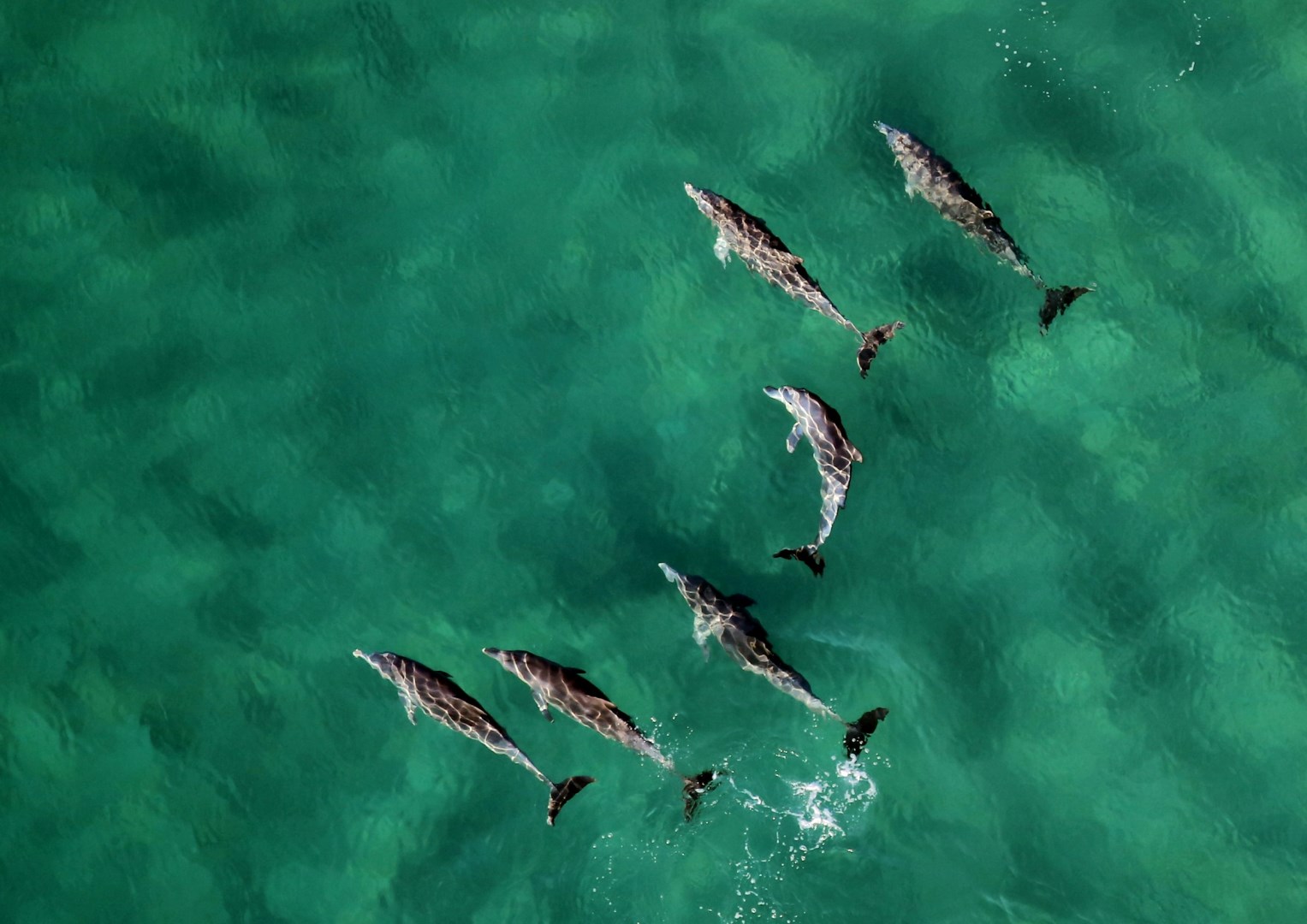
Ponta do Ouro
Ponta do Ouro is a coastal settlement in southern Mozambique, close to the South African border and the southern end of the Mozambique Channel. The town is known for its broad sandy beach, warm waters, coastal dunes, and strong connection to marine activities. It lies within the Ponta do Ouro Partial Marine Reserve, which protects reefs, seagrass beds, estuaries, mangroves, and surrounding waters.
