
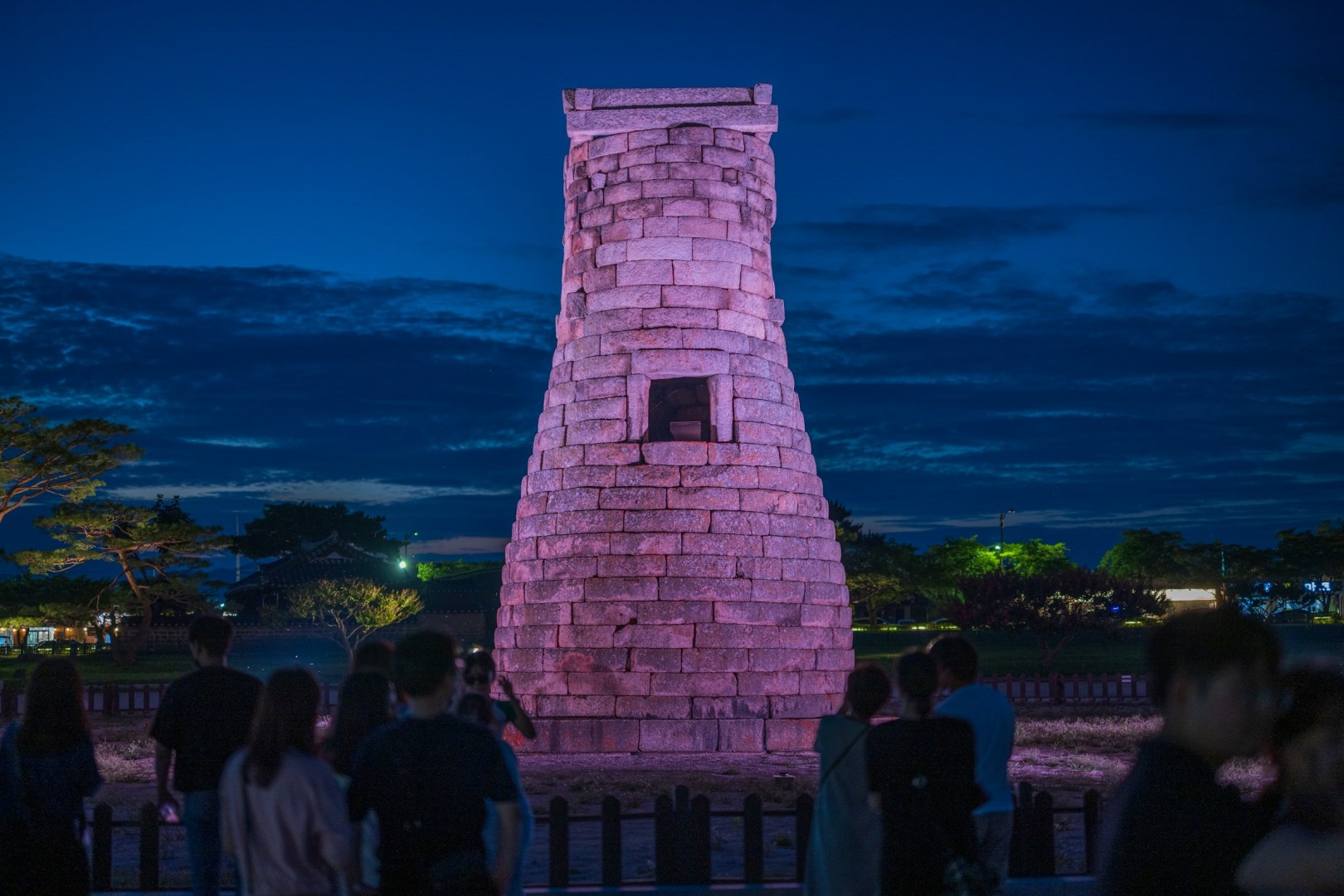
Gyeongju-si
Gyeongju-si is a historic city in southeastern South Korea known for its close connection with the Silla kingdom and its concentration of archaeological sites, temples, royal tombs, and Buddhist monuments. Much of the city’s heritage is spread across open landscapes rather than confined to a single historic center. The Gyeongju Historic Areas include Mount Namsan, the Wolseong area, royal tomb complexes, and the remains of major temples and palaces.
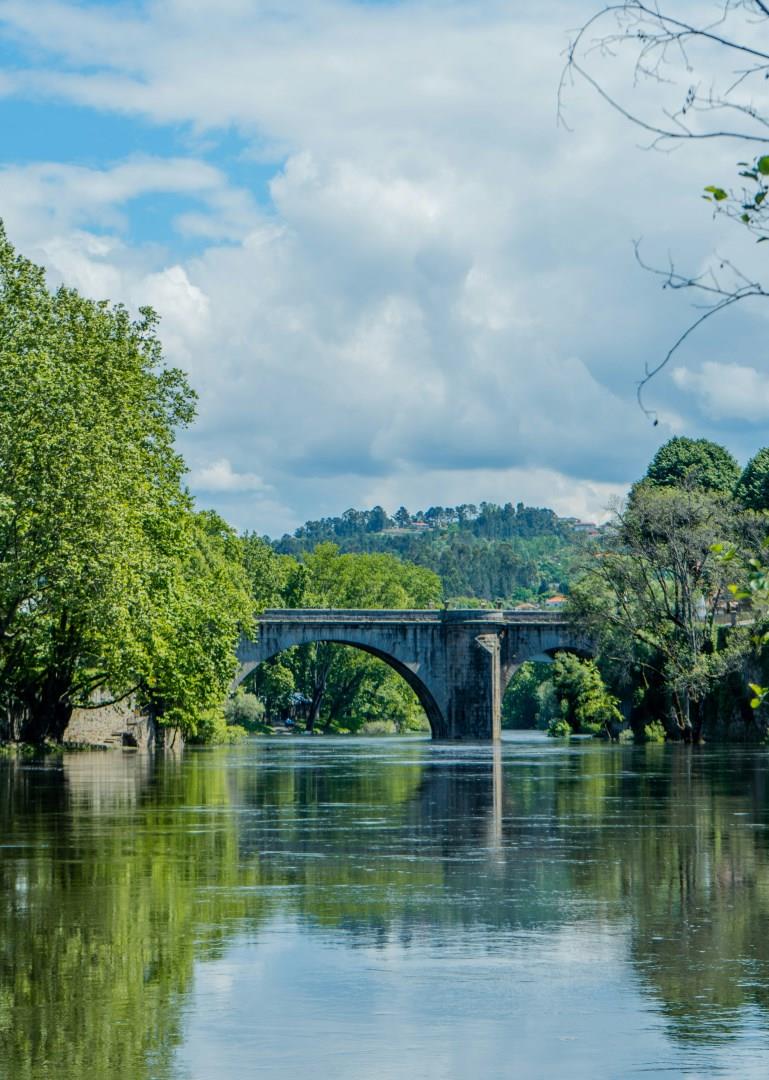
Amarante
Amarante, located in Portugal’s northern region of Tâmega e Sousa, sits quietly along the banks of the Tâmega River, framed by stone bridges, historic churches, and lush hills. The city is best known for its connection to São Gonçalo, a 13th-century monk whose name now graces the arched bridge and the grand convent-church that stands beside it.
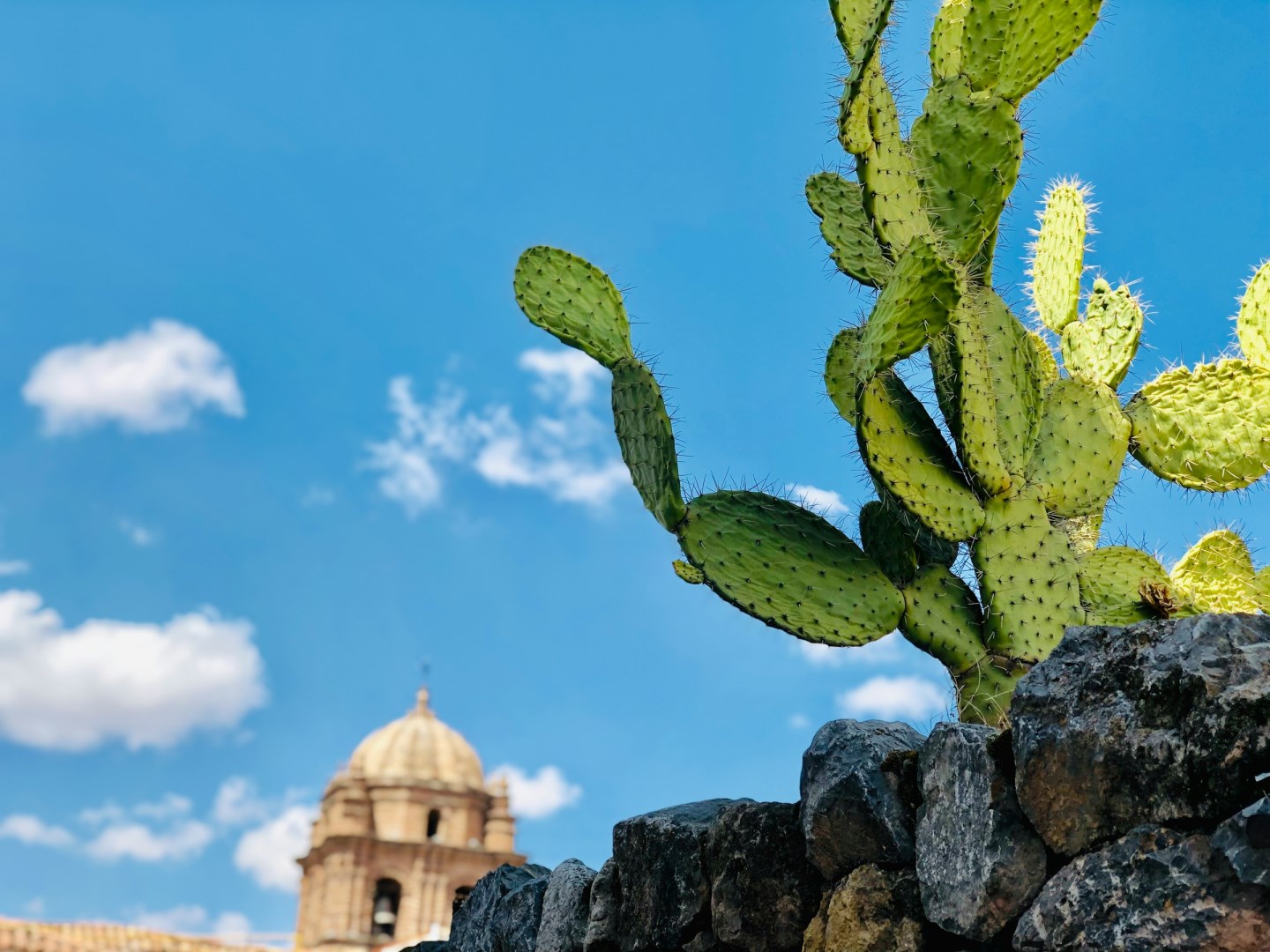
Cusco
Cusco once served as the heart of the Inca Empire, and that legacy still shapes every corner of the city even as it serves as a gateway to Machu Picchu. Outside the historic center, the ruins of Sacsayhuamán overlook the city from a nearby hilltop. This ceremonial complex is best known for its massive zigzag stone walls, some weighing over 100 tons. During the Inti Raymi festival in June, thousands gather here to reenact ancient Andean rituals.

Looe
Looe is a small seaside town on the south coast of Cornwall, England, divided by the River Looe into East and West Looe and connected by a graceful stone bridge. With origins as a medieval port, the town has long been shaped by fishing and seafaring, traditions that still define its identity today.

Kalbarri
Kalbarri is a coastal town, set alongside the Murchison River. The coastline around Kalbarri is wonderful and has quite a history, with several shipwrecks along the shore. There is a fabulous cycle path along the coastline and coastal clifftops, including Eagle Gorge, Natural Bridge, Pot Alley, Rainbow Valley and Red Bluff. There is also fantastic surf at Jakes Corner.
