

Madeira
Madeira, an archipelago off the coast of Portugal, is often referred to as the “Island of Eternal Spring” due to its mild climate and lush landscapes. Funchal, its vibrant capital, is a perfect blend of natural beauty and rich history. Visitors can explore the cobblestone streets of the old town, marvel at the Gothic-style Sé Cathedral, and stroll through the colorful Mercado dos Lavradores, where local farmers sell fresh produce, exotic flowers, and the island’s famous wine.
Bulawayo
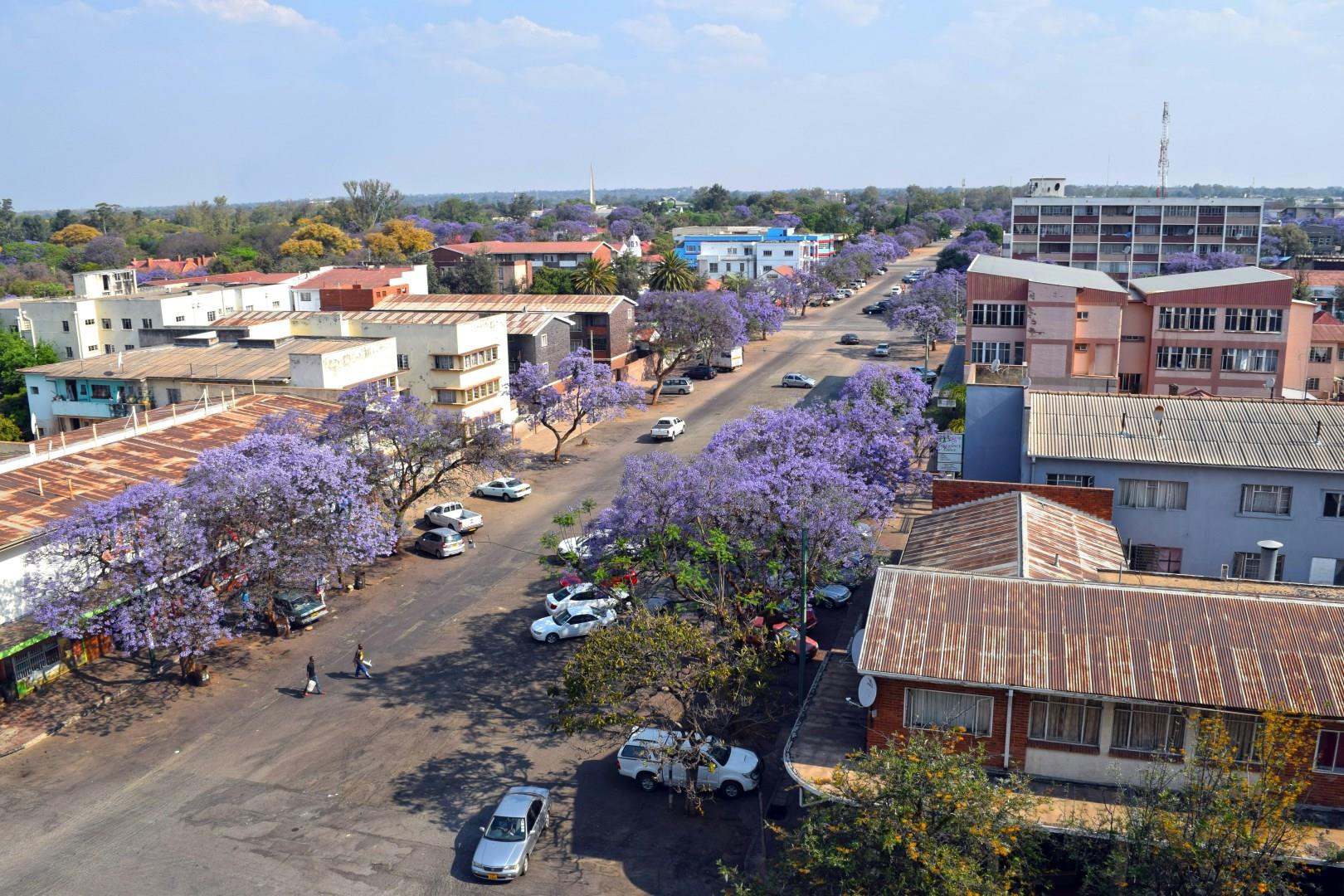
Bulawayo is Zimbabwe’s second-largest city and a place where industrial heritage and deep cultural roots intersect. Founded near the former capital of the Ndebele kingdom, the city carries strong historical significance tied to King Lobengula and the resistance to colonial expansion.
Zamora
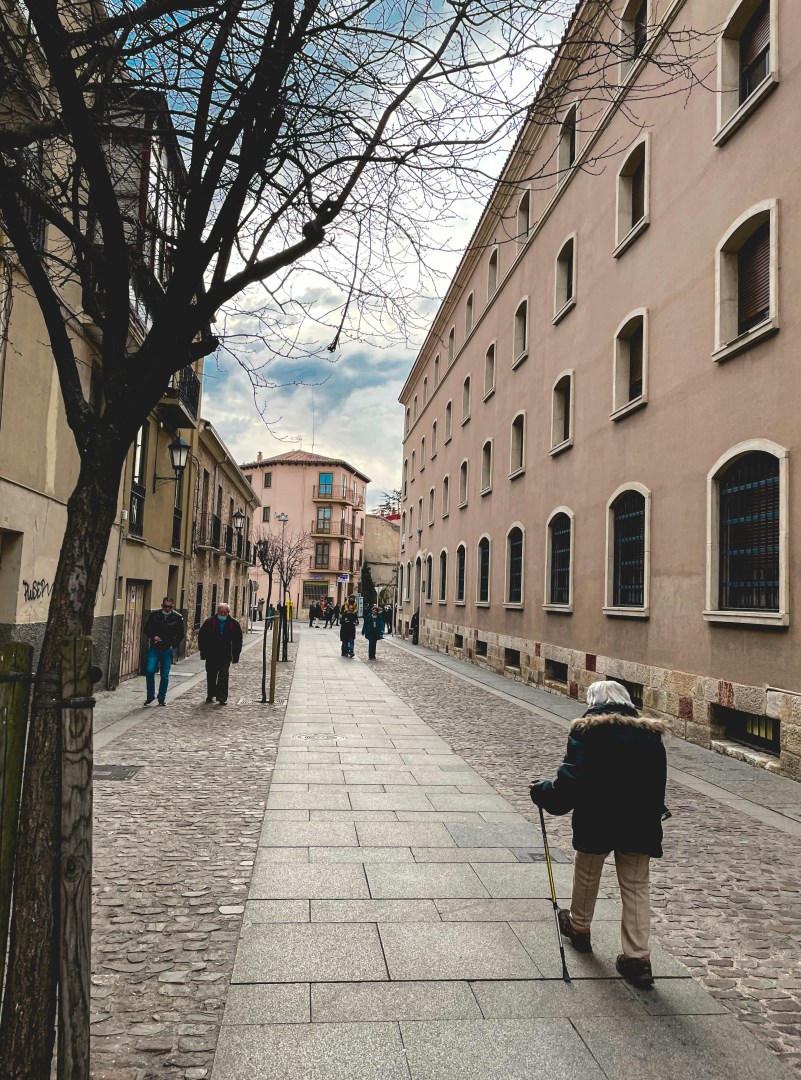
Zamora is a compact city in northwestern Spain, set along the Duero River and known for its remarkable concentration of Romanesque architecture.
Greece
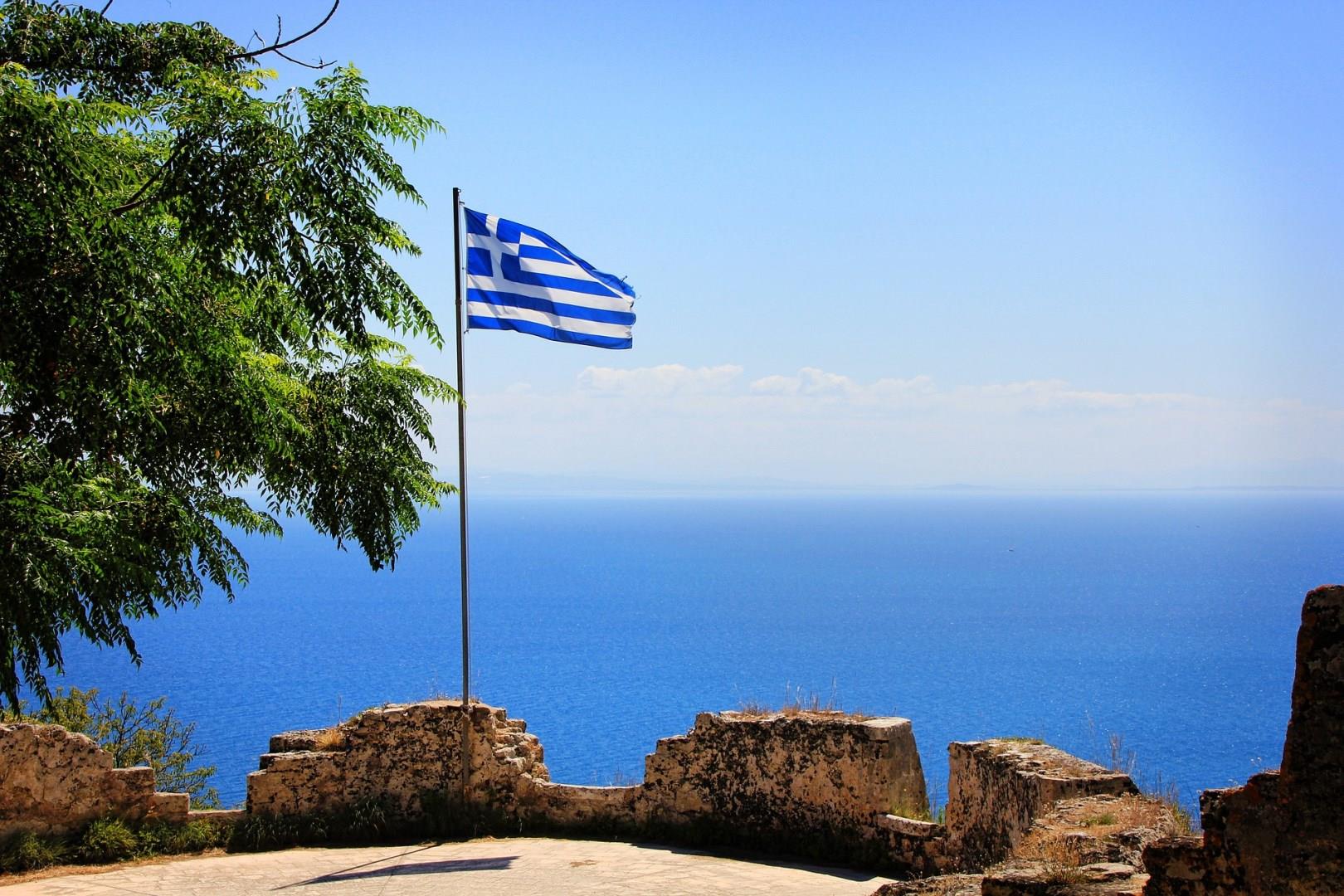
Greece is a country where layers of history sit side by side with everyday life. In Athens, visitors can stand at the foot of the Acropolis and look up at the Parthenon, built more than 2,400 years ago, then walk a few blocks to modern cafes buzzing with conversation and music. The city’s neighborhoods, like Plaka and Monastiraki, offer both ancient ruins and small family-run shops selling handmade sandals and olive oil soap.

Serbia
Serbia is a country where centuries-old monasteries sit just a short drive from lively cities, and where the past is never far from daily life. In Belgrade, the capital, Kalemegdan Fortress offers panoramic views where the Danube meets the Sava River. This fortress has witnessed more than 100 battles and been rebuilt many times over two millennia. Within its walls are Roman ruins, an open-air military museum, and quiet park paths perfect for wandering between centuries of layered history.
