
Loch Ness
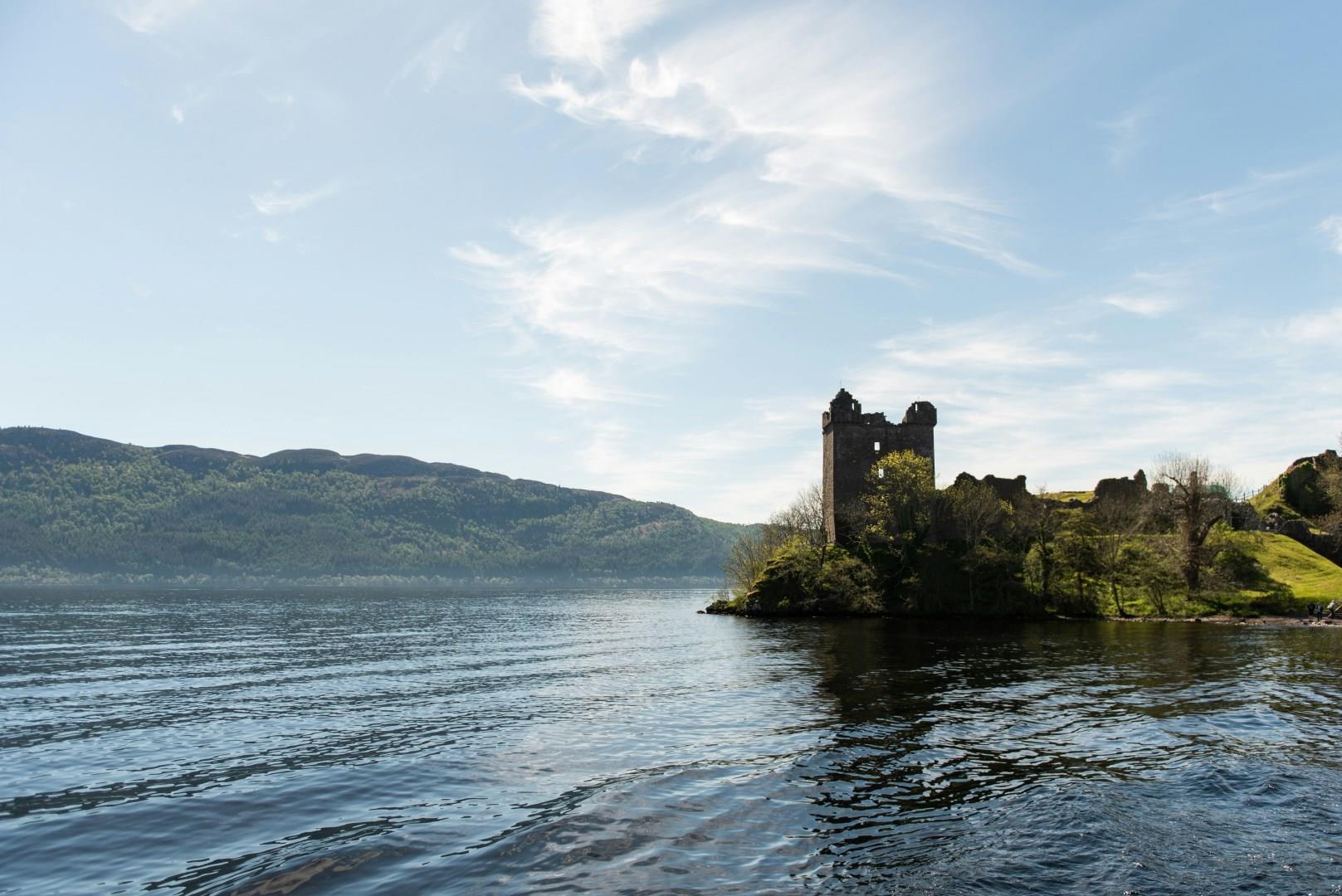
Loch Ness stretches over 23 miles through the Scottish Highlands, holding more freshwater than all the lakes in England and Wales combined. Best known for its elusive resident, the so-called Loch Ness Monster, the loch has sparked international curiosity since the first modern "sighting" in 1933. While Nessie remains elusive, the surrounding landscape offers clear reasons to visit with steep hillsides, forested trails, and ancient ruins framing one of Scotland’s most iconic bodies of water.

Melk
Nestled along the south bank of the Danube, this historical Austrian city bursts with charm. A favorite stop on European river cruises, the city's most famous attraction is Melk Abbey, which dates back to the 11th century. The original Benedictine structure was lost to fires and foreign invasion, then rebuilt during the 18th century in lavish Baroque style, including a library and inner church covered in magnificent frescoes and gilded fixtures.
Macon
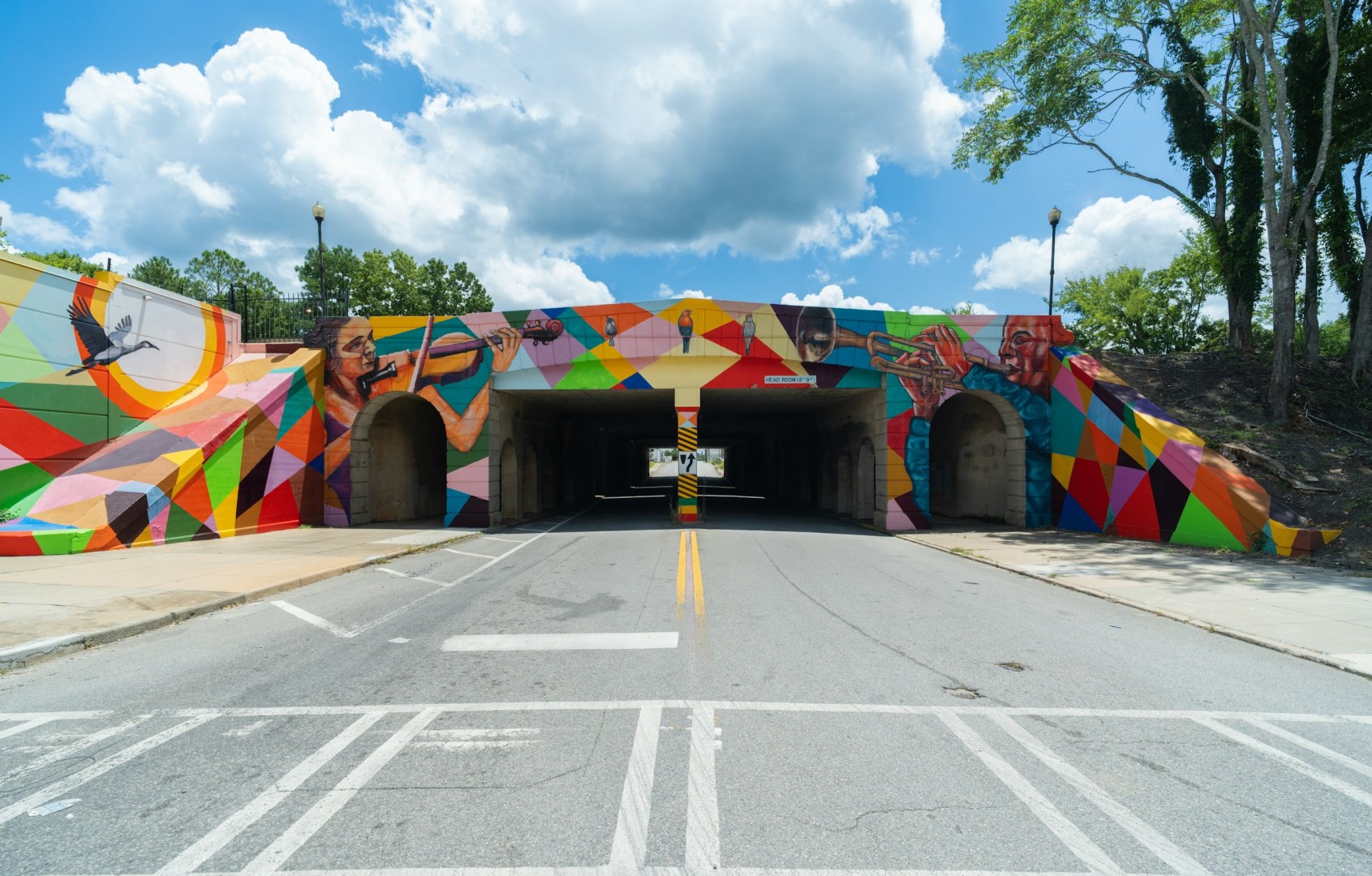
Macon, Georgia, known as the “Heart of Georgia,” offers a blend of historic charm and Southern hospitality. Begin your exploration at the Ocmulgee Mounds National Historical Park, where ancient Native American earthworks provide a glimpse into the rich cultural heritage of the region. The park’s expansive grounds and museum showcase artifacts from the Mississippian period, offering a fascinating look at the early inhabitants of the area.
Tbilisi
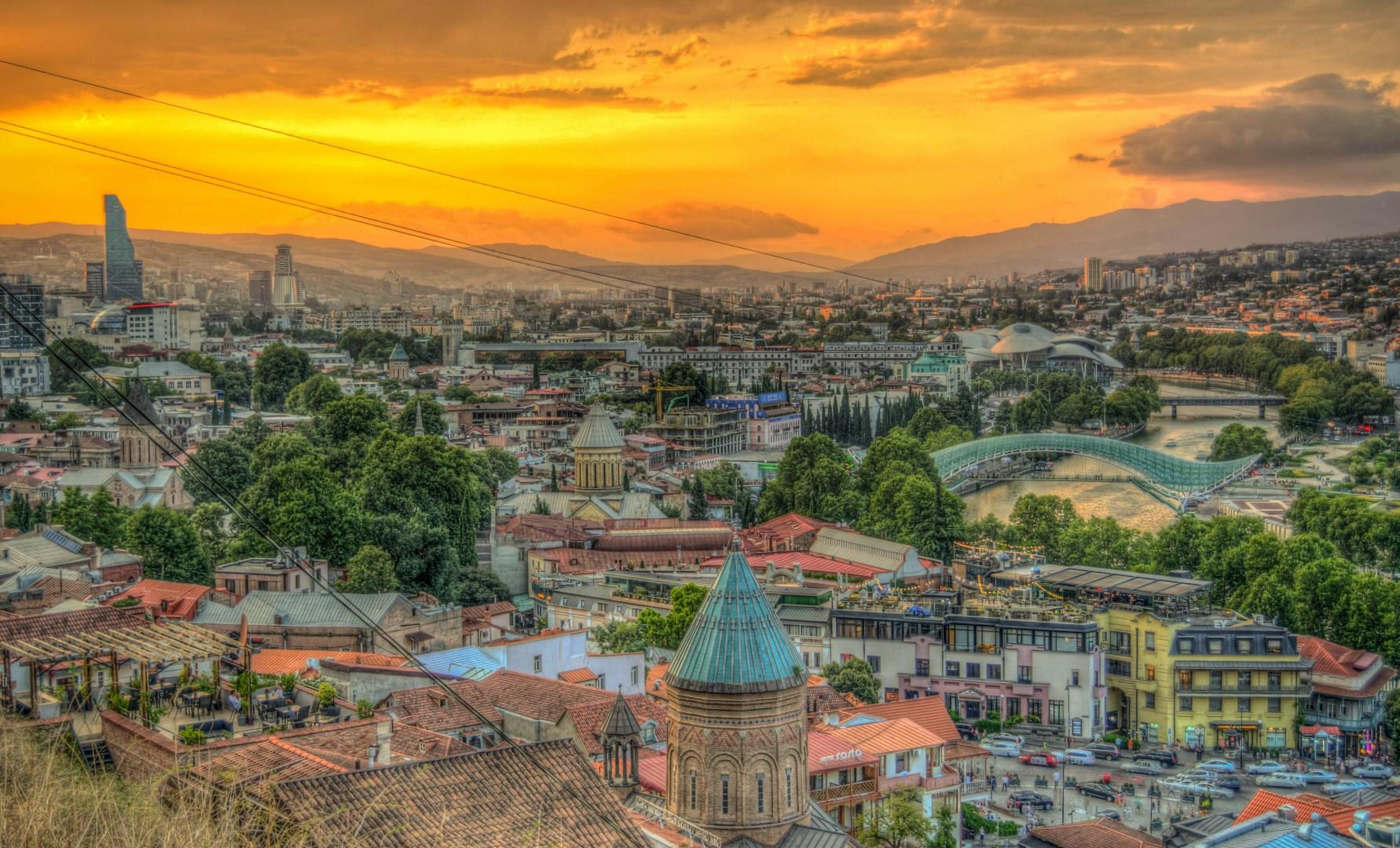
Tbilisi, the capital of Georgia, is a city where tradition and modern life blend seamlessly. Set along the banks of the Kura River and surrounded by hills, its layout reflects centuries of change and cultural exchange. The Old Town, with its cobbled lanes and wooden balconies, is a living museum of architecture, showcasing influences from Persian, Ottoman, and Russian eras. Above it all, the Narikala Fortress stands watch, offering sweeping views of the city below.
Paradise Bay
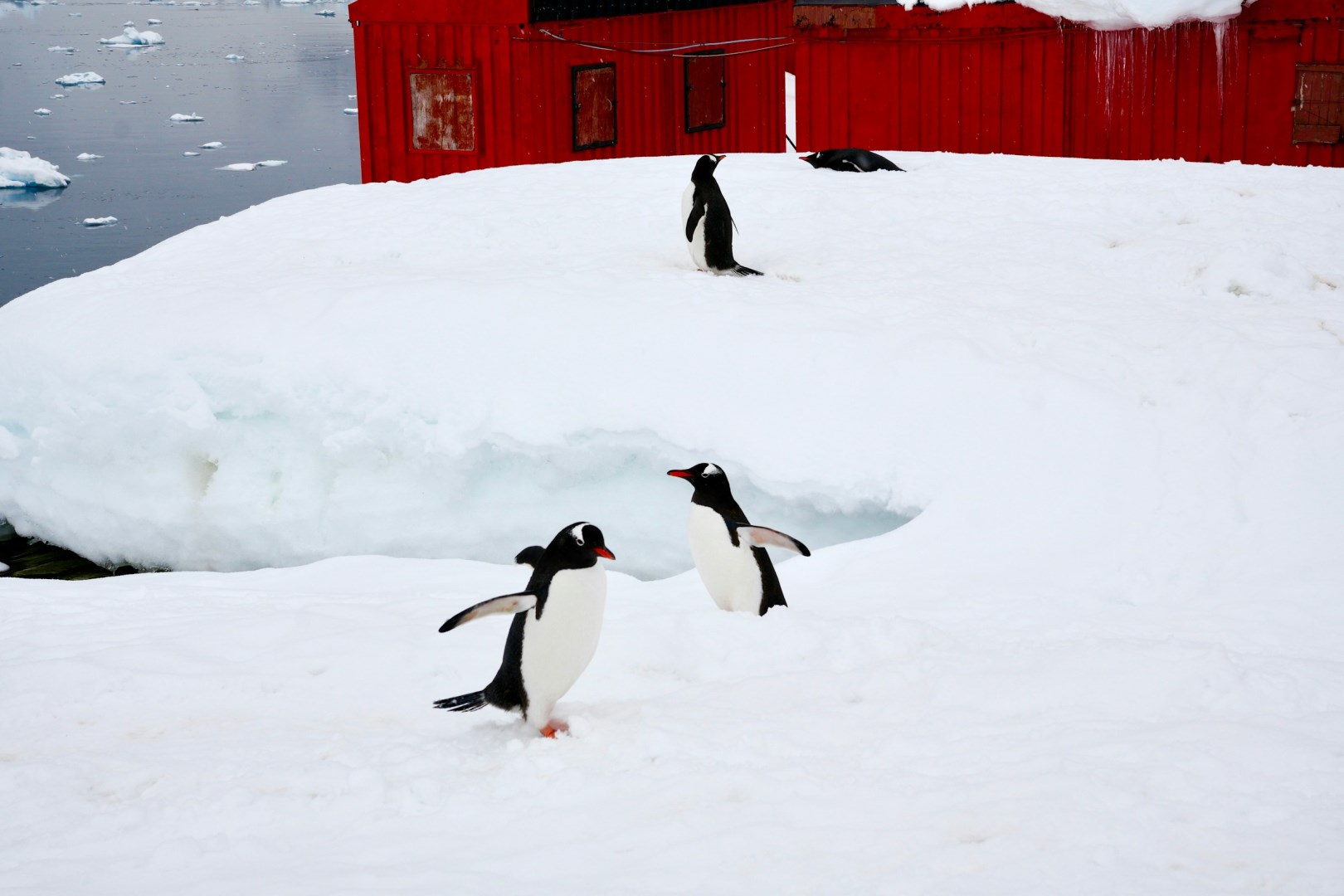
The name is not an exaggeration. Here 100-foot high glaciers and precipitous mountains present an incomparable panorama, a riot of color in white, red, yellow and blue.
