

Indonesia
Indonesia, the world’s largest archipelago, stretches across more than 17,000 islands, each offering its own cultural traditions, landscapes, and experiences. From volcanic peaks to tropical beaches and ancient temples, the country is as diverse as it is expansive.
Zacatecas
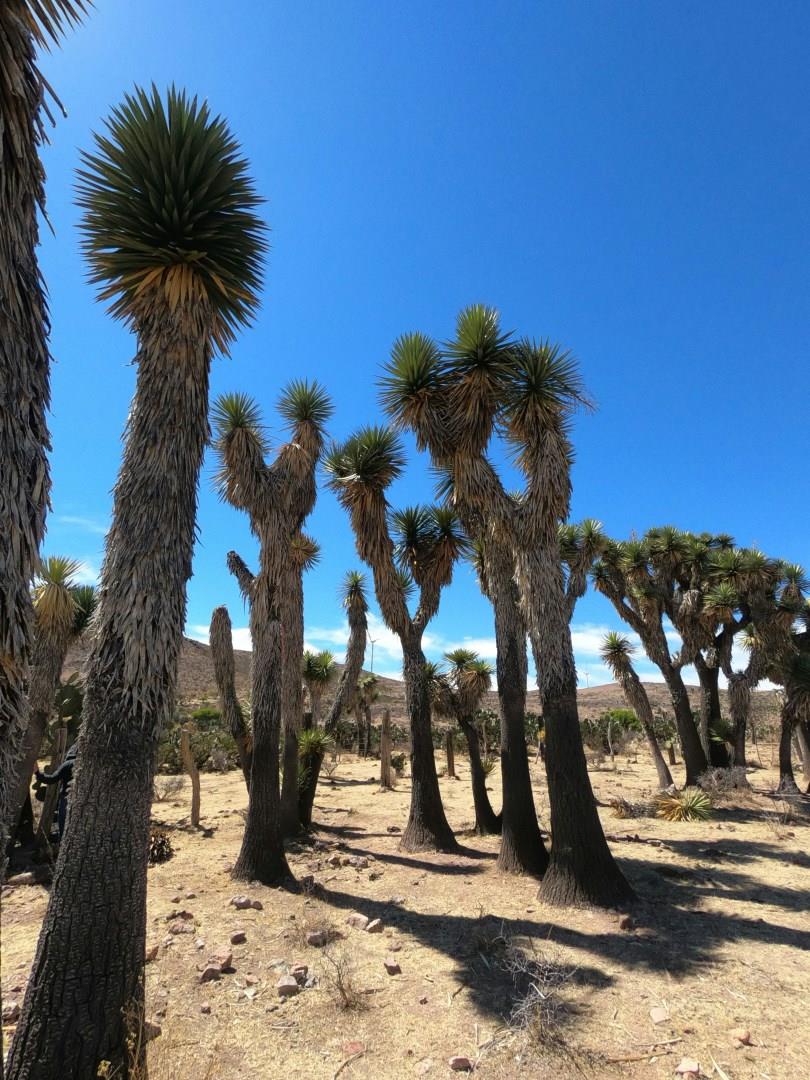
Zacatecas, built into the slopes of a narrow ravine in north-central Mexico, is a city with a deep mining past and a striking skyline. The historic center, a UNESCO World Heritage Site, is known for its pink cantera stone buildings, narrow alleys, and impressive baroque facades. The Cathedral Basilica of Zacatecas, completed in 1752, stands as one of the most detailed examples of Mexican baroque architecture, with hundreds of carved figures covering its sandstone exterior.
Bogota
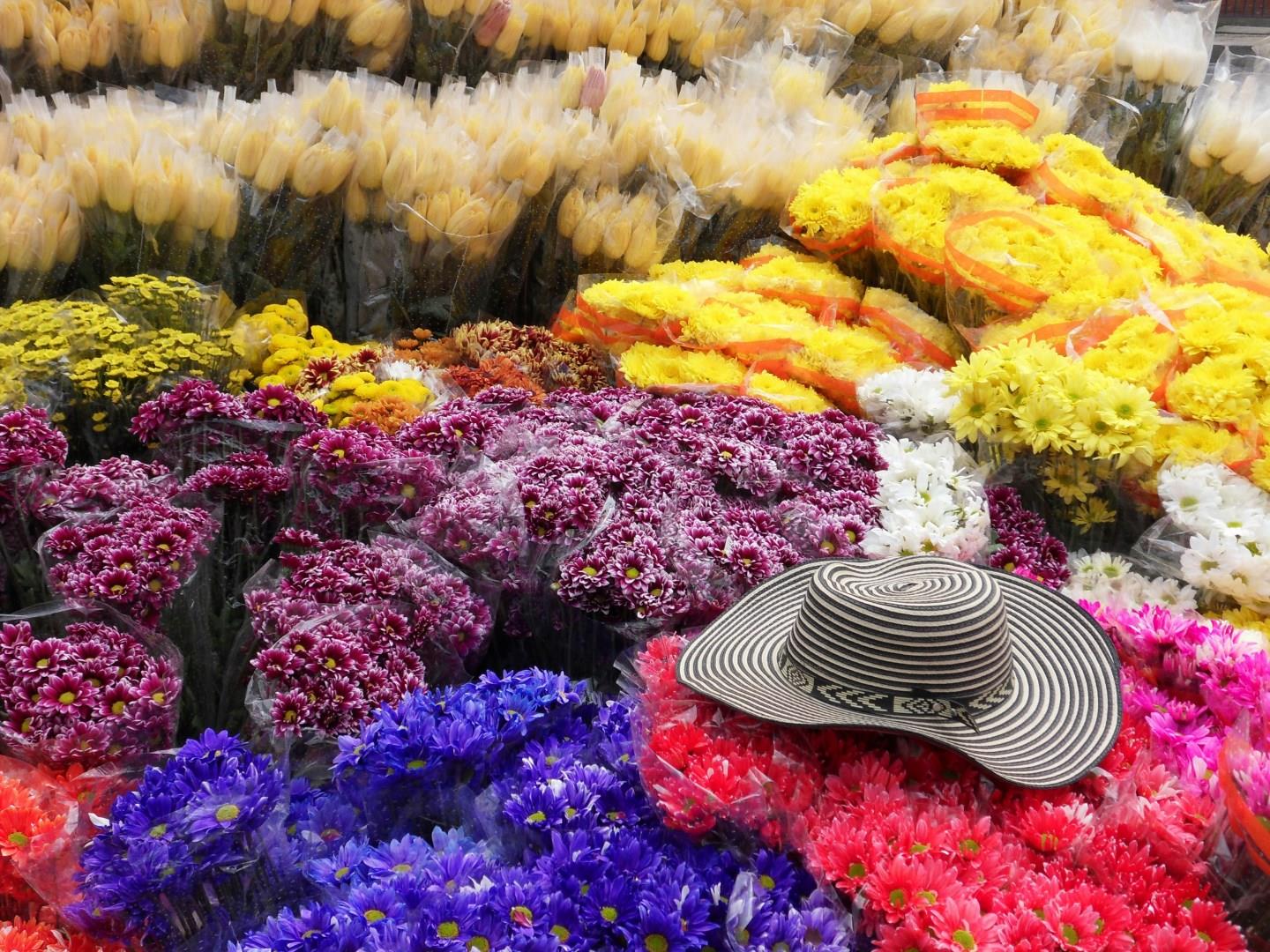
Bogotá, the vibrant capital of Colombia, sits high in the Andes at 2,640 meters above sea level. The city balances historic charm with modern energy, where cobblestone streets meet bold street art and colonial churches stand beside sleek galleries and cafes. At the heart of it all is La Candelaria, Bogotá’s oldest neighborhood, where travelers can visit centuries-old buildings, including the neoclassical Capitol and the richly decorated Gold Museum.

Lifou
Lifou Island, the most populous of the Loyalty Islands in New Caledonia, is a flat, former coral atoll with abundant vegetation and surrounded by secluded coral reefs which many say offer some of the best snorkeling in the world.
Devil's Bridge National Park
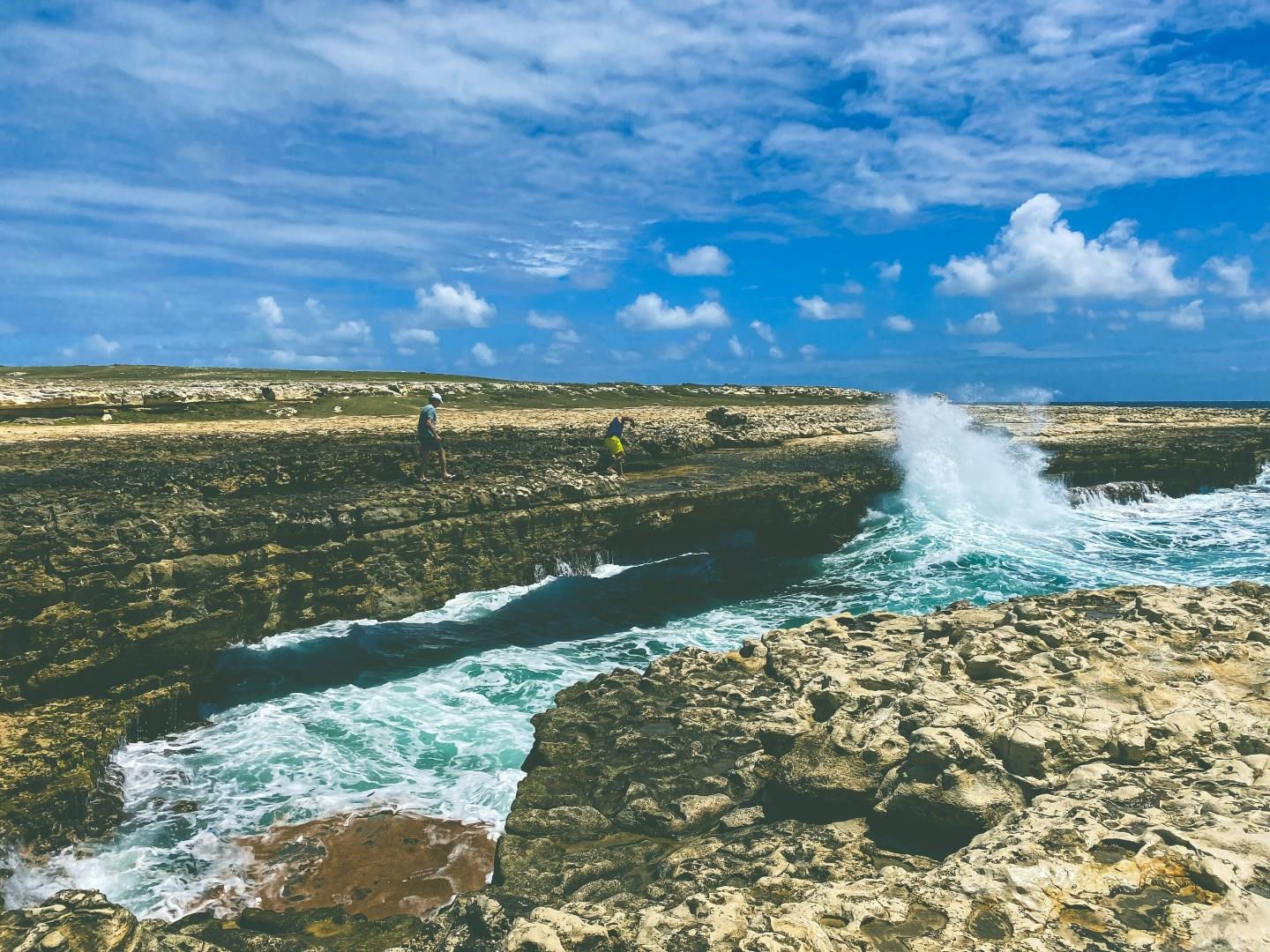
Devil’s Bridge National Park, located on the rugged Atlantic coast of Antigua, is one of the island’s most dramatic natural landmarks. The park is named after its striking limestone arch, carved over centuries by relentless waves and wind.
