
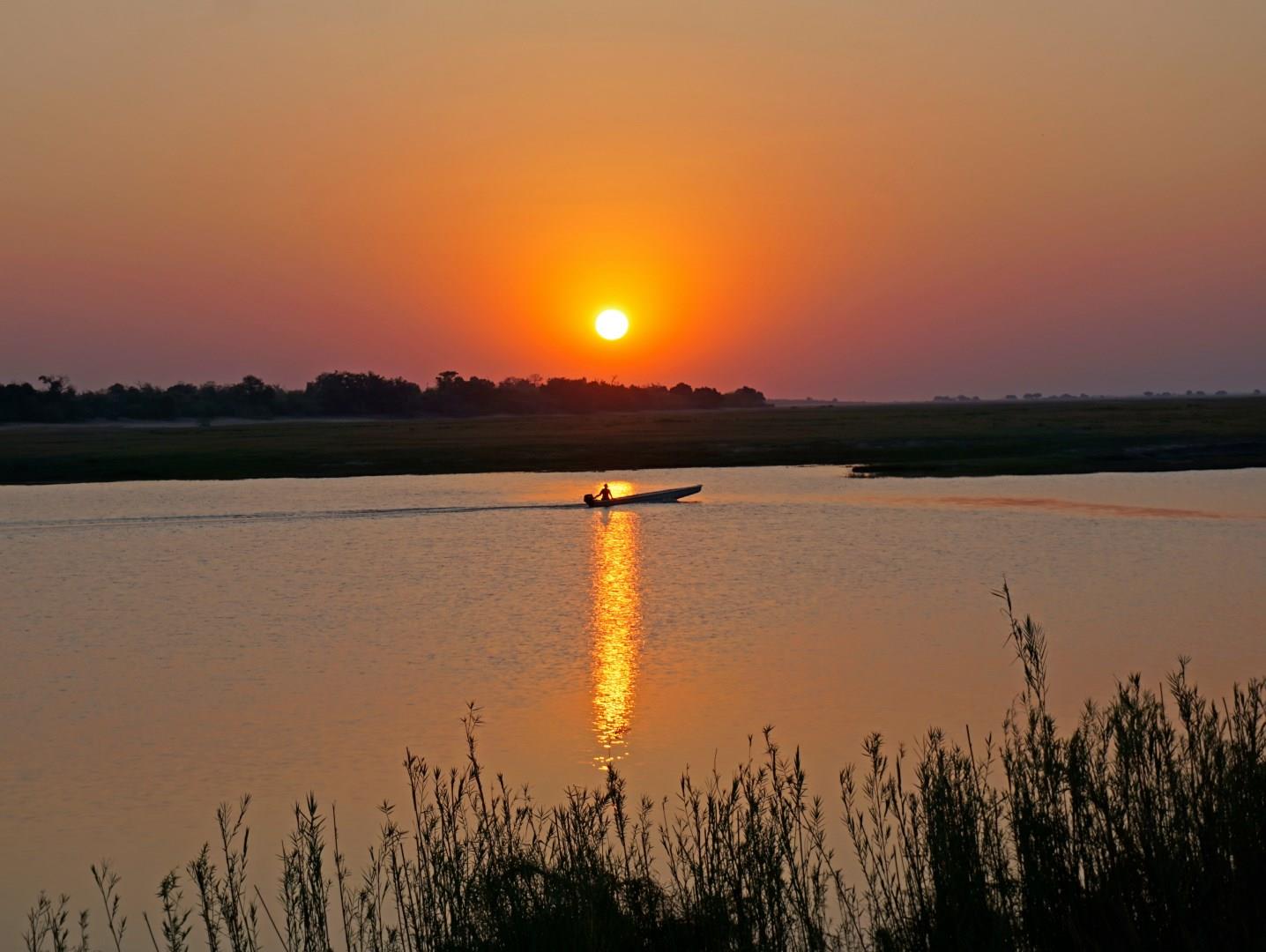
Chobe River
The Chobe River forms the northern boundary of the Chobe National Park. Animal lovers and safari enthusiasts know it as the place where the elephants congregate during winter's dry season and migrant birds are in full color during the wet summer months. The river itself is actually a section of the Cuando River, known as the Chobe from the seasonal lake Liambesi to its outflow at the Zambezi River.

Samoa
Samoa, a stunning island nation in the South Pacific, invites travelers with its rich cultural traditions and breathtaking landscapes—stunning rainforests, towering waterfalls, and dramatic coastlines that seem to stretch endlessly into the horizon. Made up of two main islands, Upolu and Savaii, along with seven smaller islands, Western Samoa is a vibrant hub of Polynesian culture.
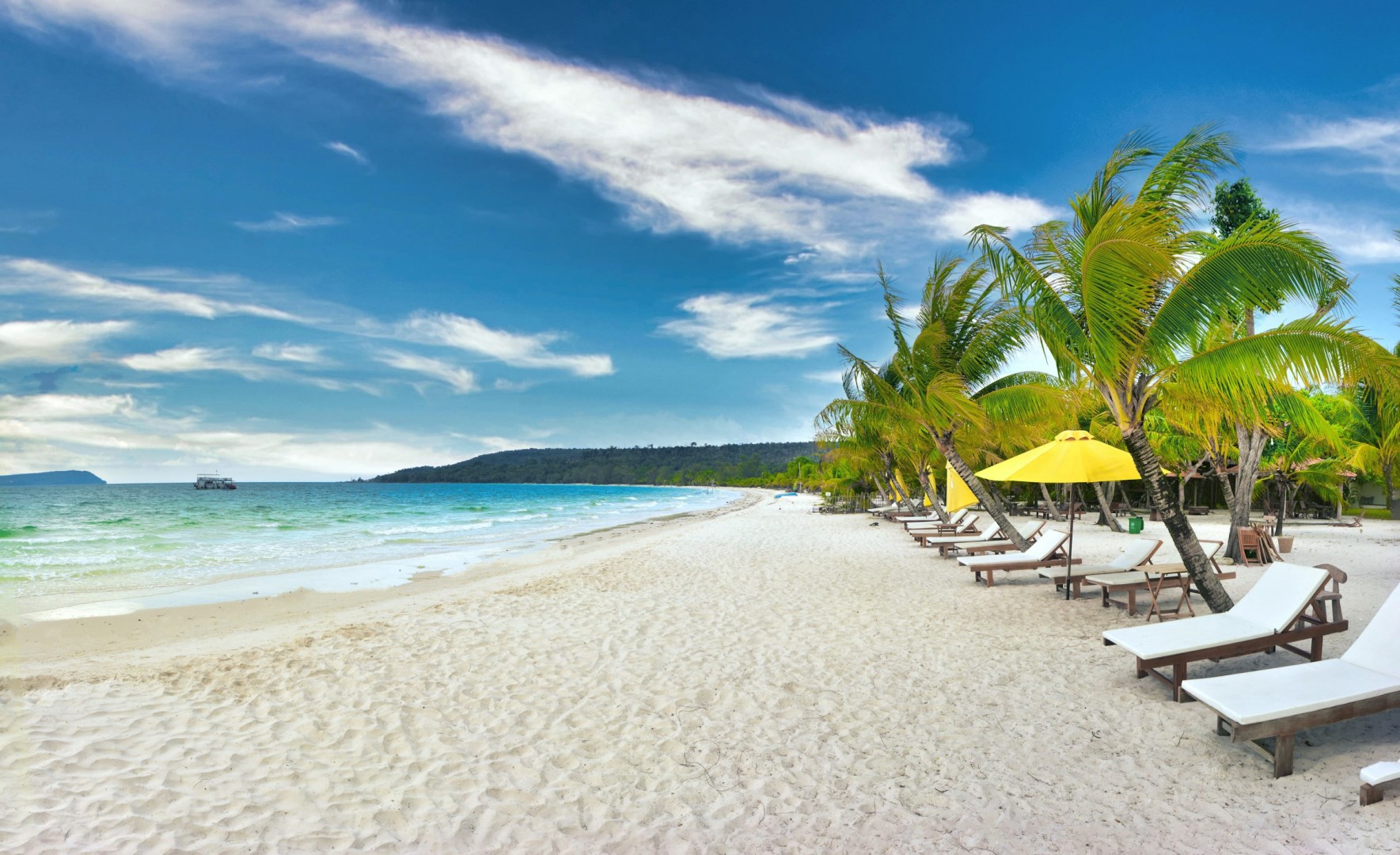
Koh Rong
Koh Rong is a large island in the Gulf of Thailand, off the coast of Sihanoukville in southwestern Cambodia. The island combines long sandy beaches, tropical forest, rocky coves, and clear coastal waters, with small villages and tourism areas spread around the shoreline. Koh Touch is the main settlement and arrival point, while Sok San and Prek Svay are among the other communities on the island.
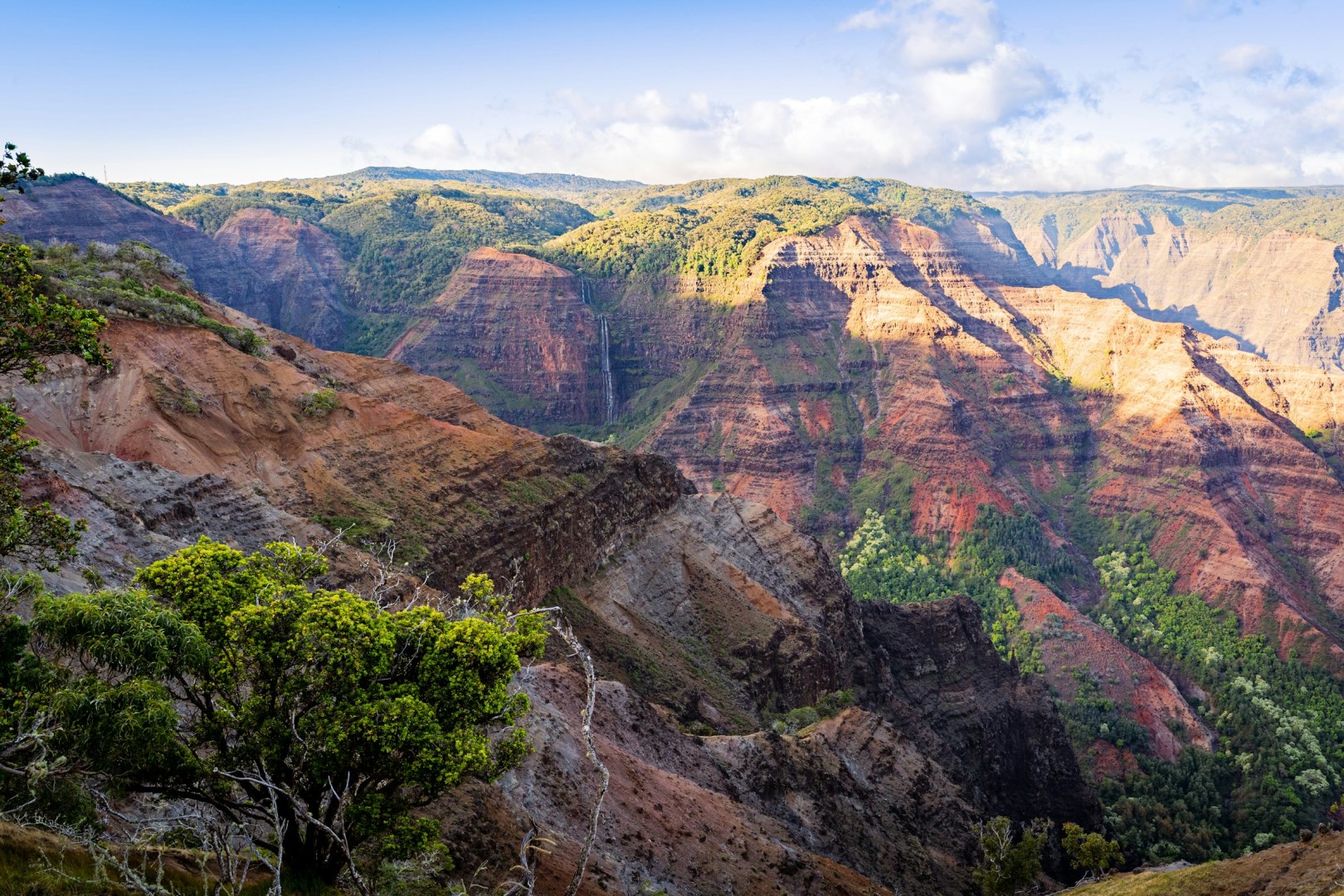
Waimea Canyon, Kauai
The Canyon valleys of the Waimea River and its tributary were once heavily populated, and the town was an early center of native government. It was here that Captain James Cook, English Navigator-Explorer, made his first landing in the Hawaiian Islands on January 20, 1778. Waimea developed as a provisioning port for whalers and sandalwood traders. A ruined Russian fort, built (1815) in a futile attempt to seize the isle, occupies a coastal bluff aboe the Waimea River. A rich sugar-plantation
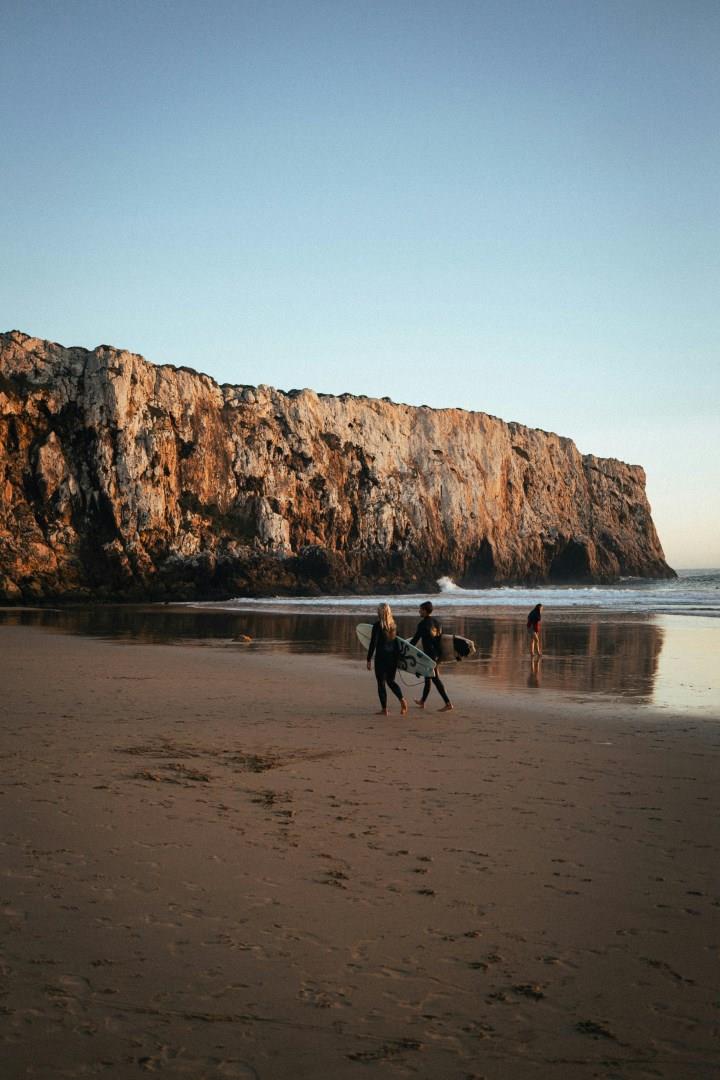
Sagres
Sagres sits at the southwestern edge of continental Europe in Portugal’s Algarve region, where the Atlantic’s wide horizon meets rugged cliffs and open skies. For centuries this point was linked to maritime adventure and visitors can still feel that sense of discovery in the air. Here, people like Prince Henry the Navigator gathered cartographers, shipbuilders and astronomers in the 1400s to push beyond maps of the known world and shape the early Age of Discovery from Sagres’ dramatic headlands.
