
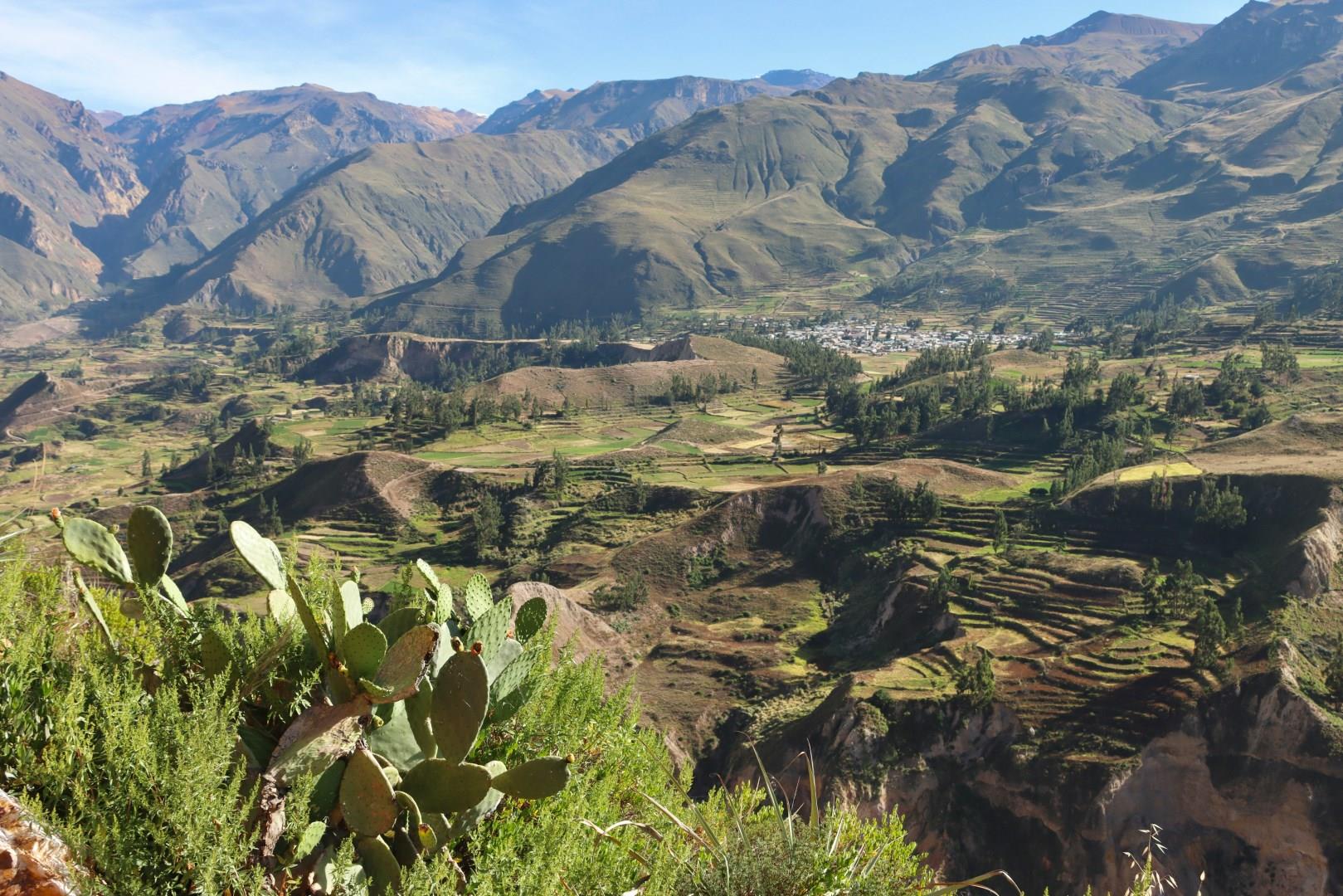
Colca Canyon
Colca Canyon, located in southern Peru’s Arequipa region, is one of the deepest canyons in the world, twice as deep as the Grand Canyon in some areas. What makes it stand out even more is how human settlements have coexisted with the landscape for centuries. Along its walls, pre-Inca agricultural terraces still hold crops like corn and quinoa. One of the main draws of the canyon is the opportunity to see Andean condors in flight.
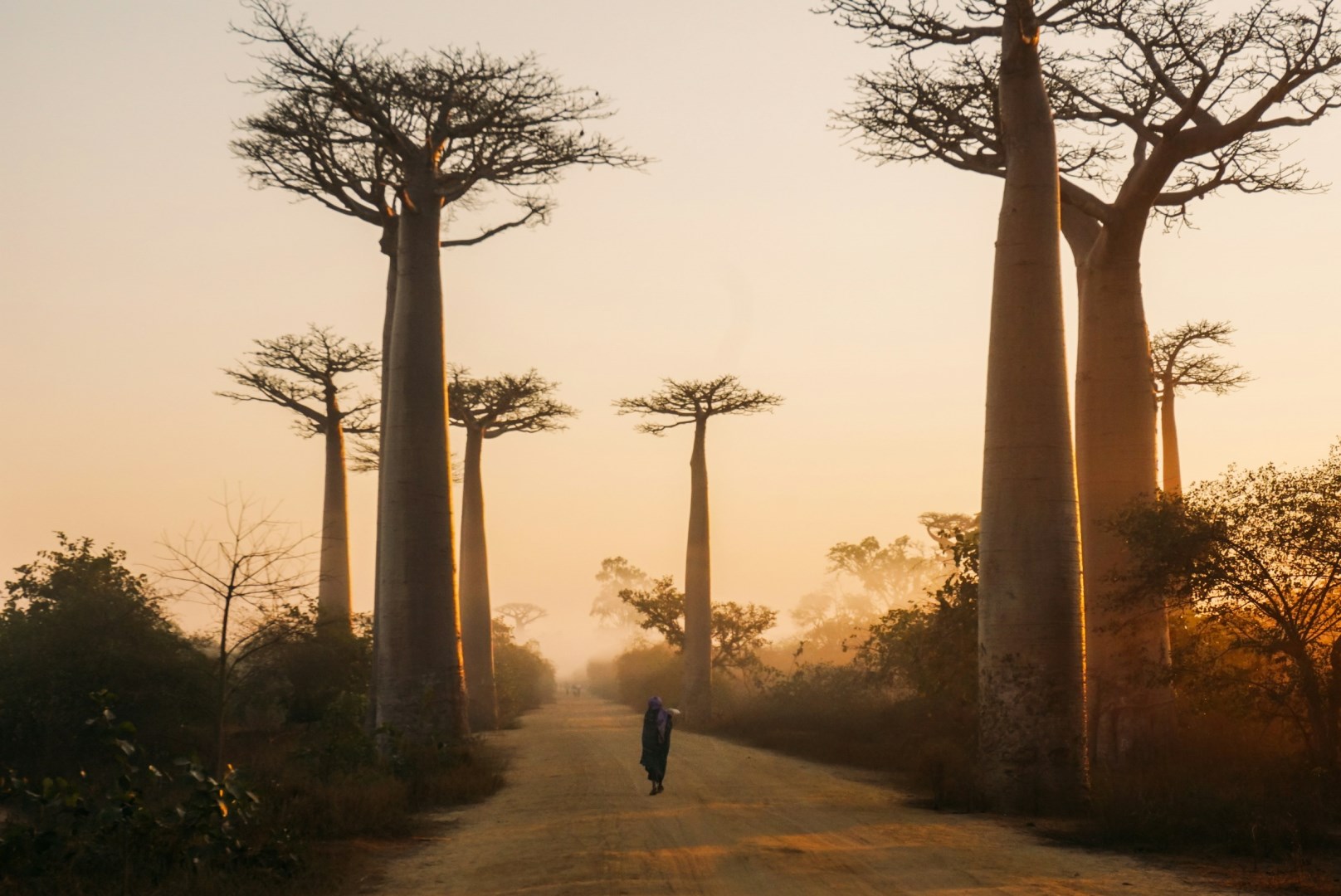
Morondava
Morondava is a coastal town in western Madagascar and the capital of the Menabe region. Located along the Mozambique Channel, it serves as a base for exploring the dry landscapes and wildlife of western Madagascar. The town is closely associated with the Avenue of the Baobabs, one of the country’s best-known natural landmarks, and with the dry forests around Kirindy. Morondava’s setting is shaped by sandy coastal areas, river systems, dry woodland, and open plains.

Heimaey
Heimaey, the largest island in Iceland’s Vestmannaeyjar archipelago, is a captivating destination renowned for its dramatic landscapes and volcanic history. A visit to Heimaey offers a unique blend of natural beauty and cultural heritage.
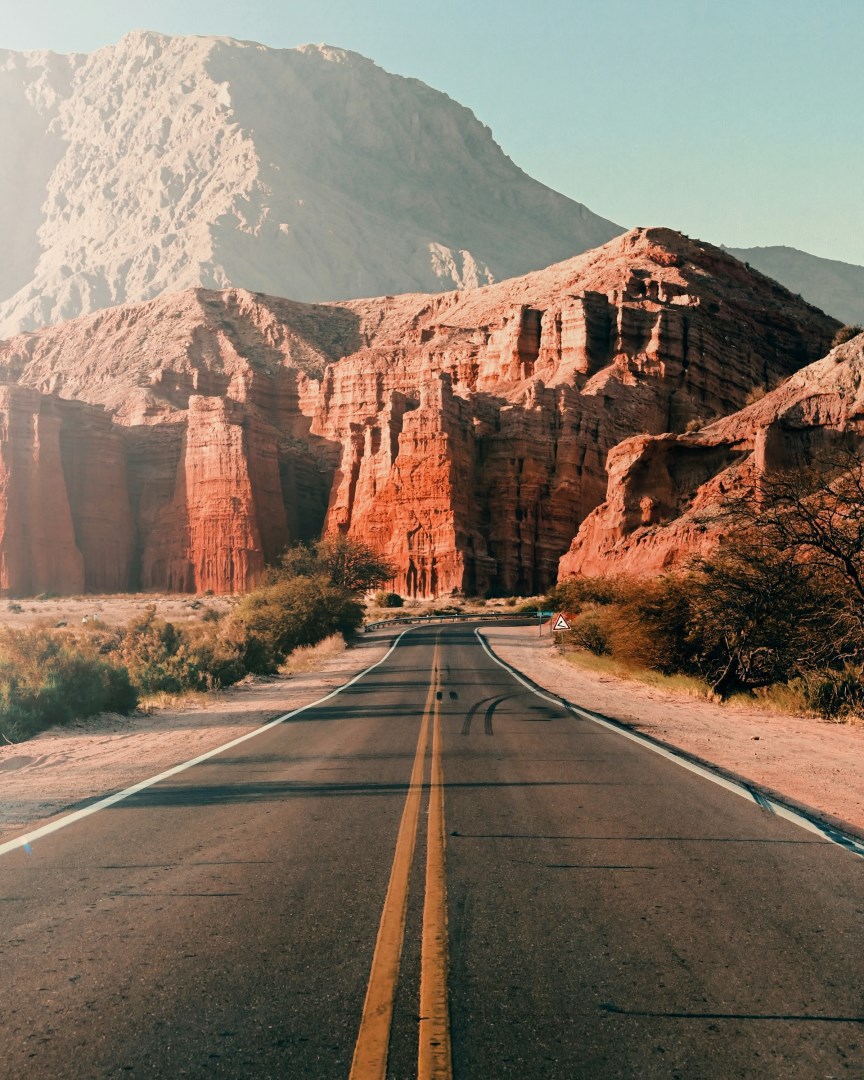
Cafayate
Cafayate is a town in Salta Province, Argentina, located in the Calchaquí Valleys at about 1,683 meters above sea level. It is surrounded by vineyards, dry mountain slopes, and the colorful rock formations of the Quebrada de las Conchas. The town has a compact center with a leafy main square, the Nuestra Señora del Rosario Cathedral, and an artisan market selling locally made pottery, textiles, and silverwork.

Nijmegen
Whether exploring ancient ruins or strolling through its modern city center, visitors will find plenty to discover in Nijmegen, the oldest city in the Netherlands.
