
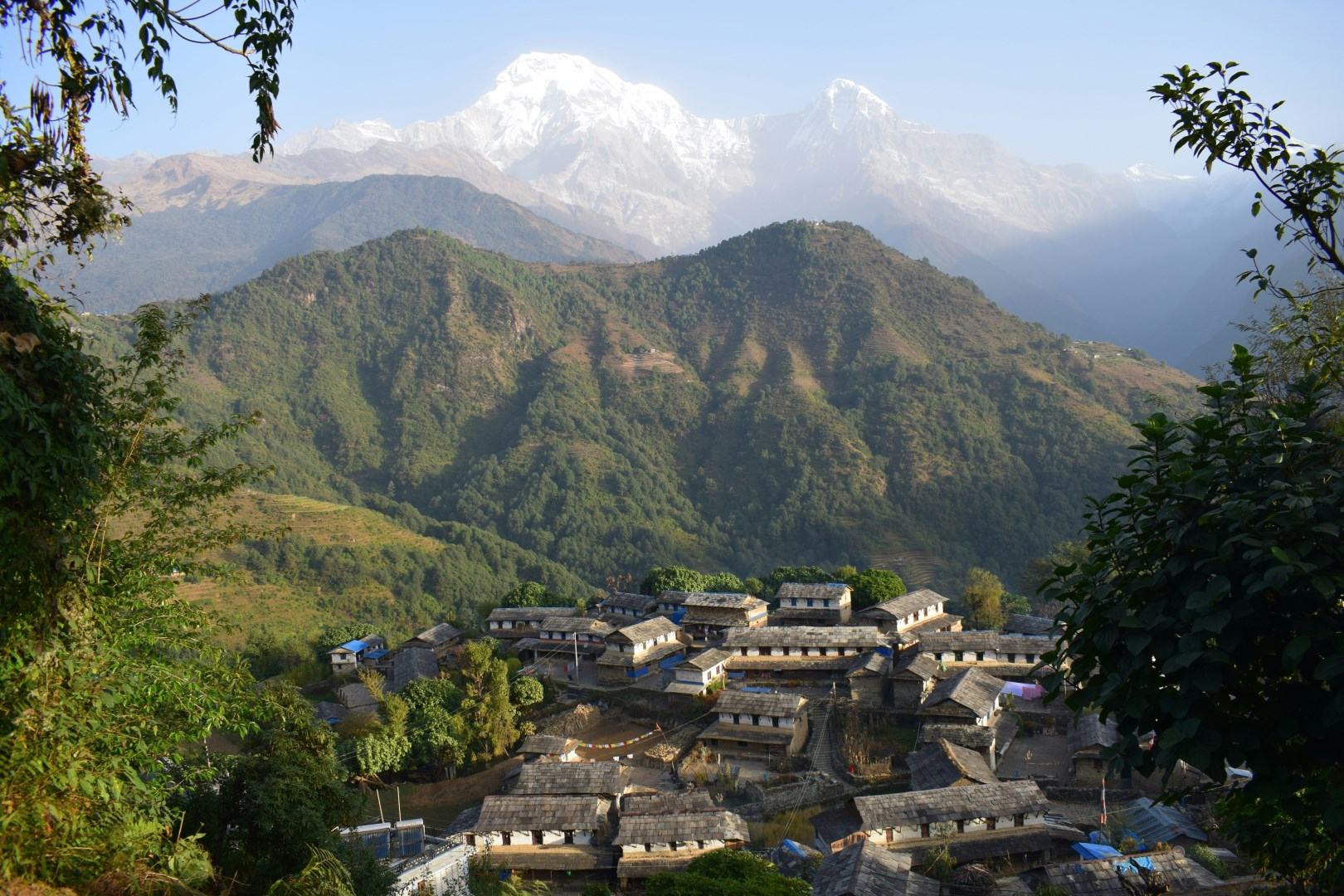
Ghandruk
Ghandruk is a mountain village in Nepal’s Annapurna region, located on terraced hillsides overlooking the Modi Khola Valley. The village is widely recognized for its stone houses, slate roofs, and panoramic views of peaks.
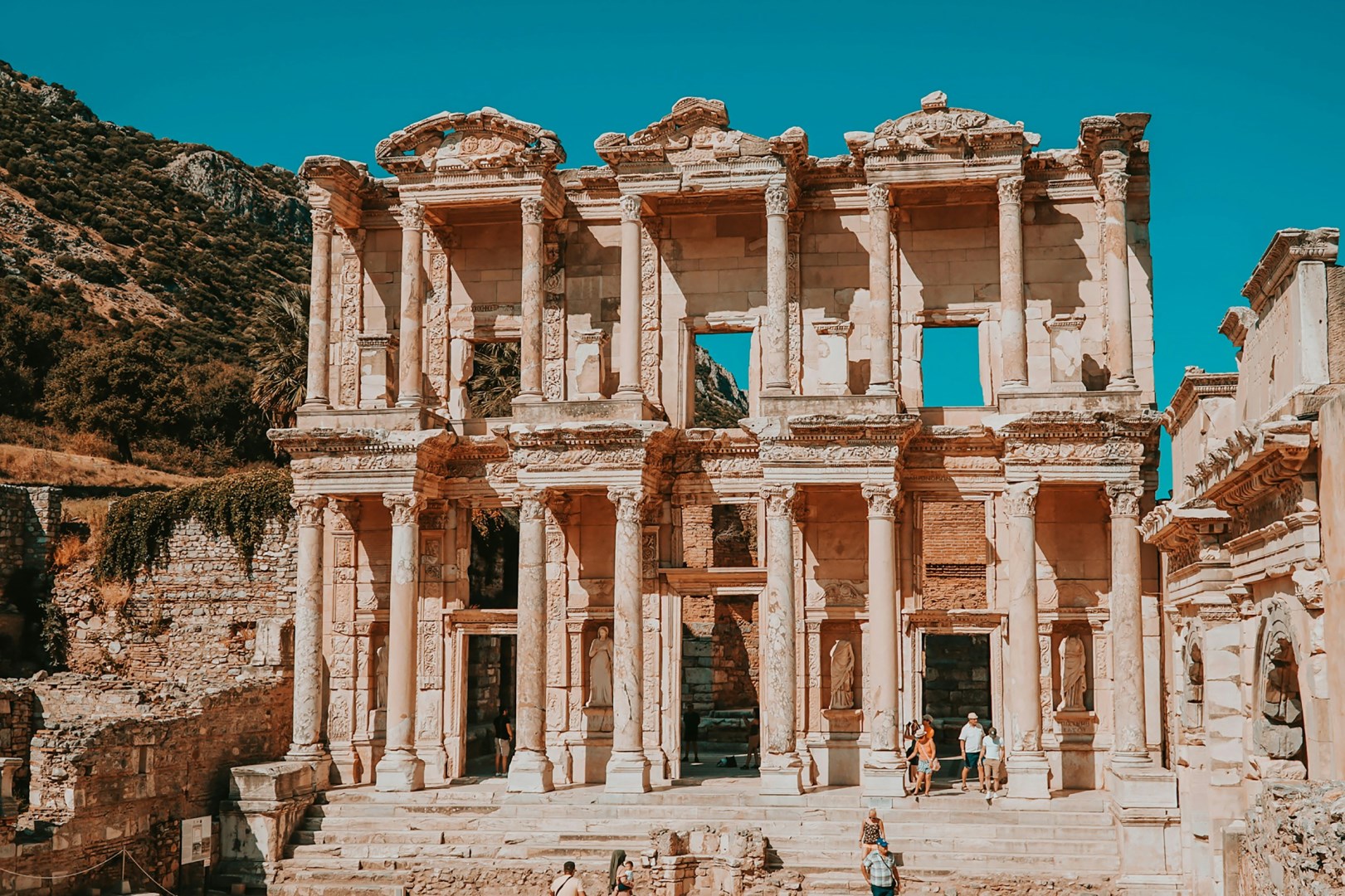
Ephesus
Once the commercial center of the ancient world, Ephesus is an archaeological splendor and an essential stop on any visit to Turkey. The city, whose wealth and patronage support its splendid architectural program, was dedicated to the goddess Artemis.
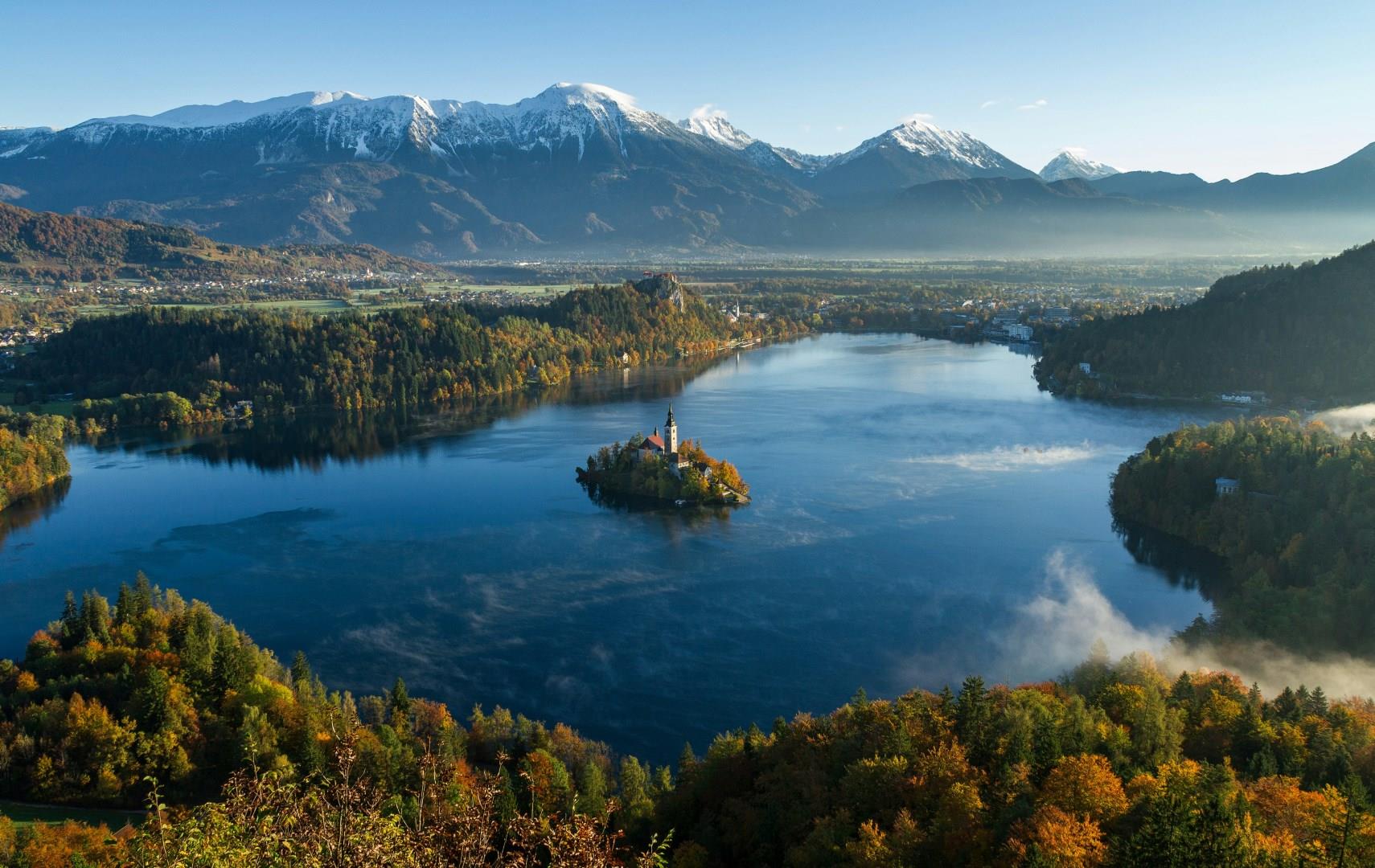
Bled
Bled, a small town in northwestern Slovenia, has gained international attention thanks to its lake, which features a lone island topped with a baroque church. Visitors often take traditional wooden boats called pletna to reach the island, where it's customary to ring the church bell and make a wish. According to local legend, the bell was originally cast in memory of a young widow’s lost husband, and today, its chime echoes across the lake as a symbol of devotion and hope.

Looe
Looe is a small seaside town on the south coast of Cornwall, England, divided by the River Looe into East and West Looe and connected by a graceful stone bridge. With origins as a medieval port, the town has long been shaped by fishing and seafaring, traditions that still define its identity today.

Barbados
Barbados, an idyllic island in the Caribbean, offers a delightful blend of natural beauty, vibrant culture, and rich history. Known for its stunning beaches, crystal-clear waters, and year-round warm climate, Barbados is a paradise for sun-seekers and adventure enthusiasts alike. The island’s western coast boasts the famous West Coast Beaches, including Payne’s Bay and Sandy Lane, where soft white sands and turquoise waters provide the perfect backdrop for relaxation or water sports.
