
Kittilä
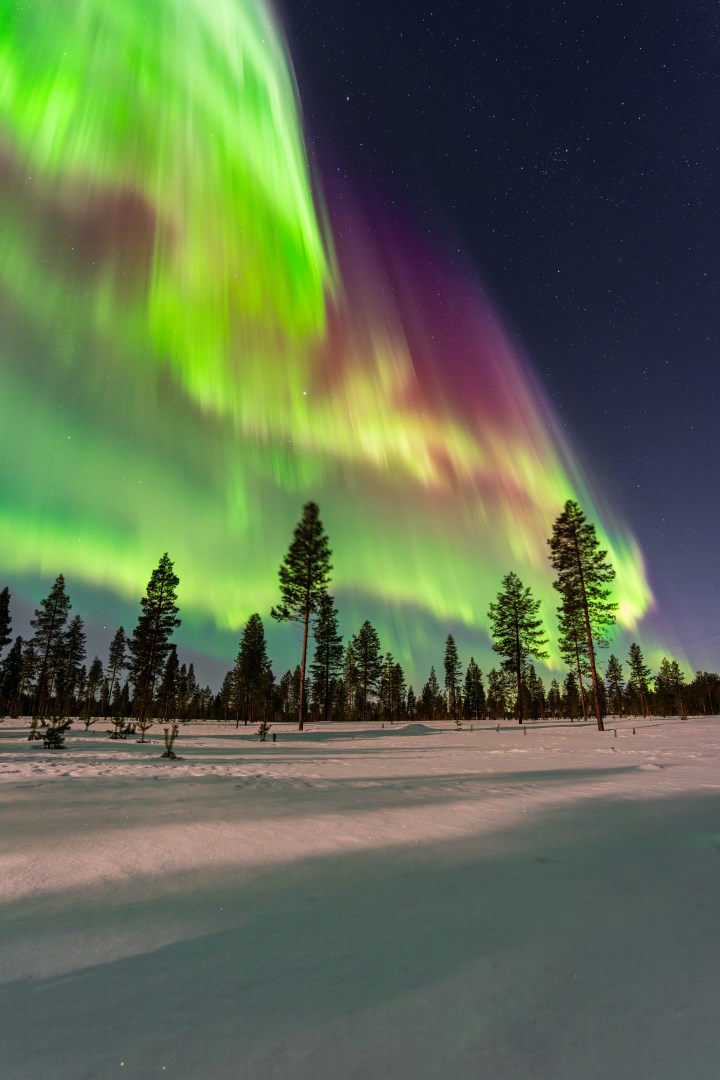
Kittilä is a municipality in Finnish Lapland, extending across a broad area of forests, rivers, wetlands, and open fells north of the Arctic Circle. The municipal center lies along the Ounasjoki River, while smaller villages and settlements are scattered through the surrounding wilderness. Kittilä is closely associated with Levi, one of Finland’s best-known fell resorts, but the municipality extends well beyond the resort area into quieter rural landscapes.
Theth
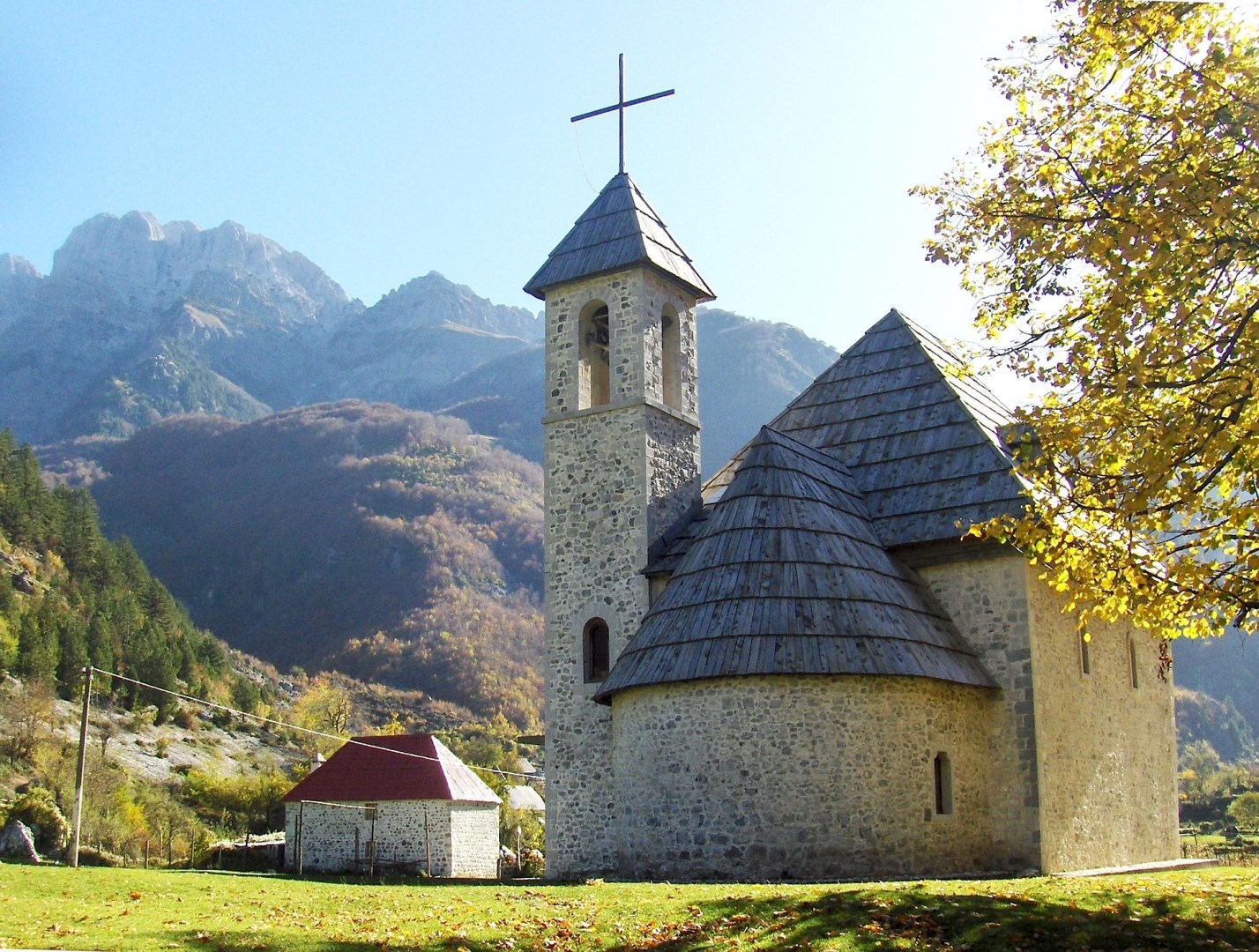
Theth is a mountain village in northern Albania, set within the rugged Albanian Alps and surrounded by steep limestone peaks, wooded slopes, and narrow valleys. The settlement lies inside Theth National Park, where traditional stone houses and small farms are scattered along the valley floor. Theth is known for its dramatic mountain scenery and its role as a starting point for hiking routes through the Accursed Mountains.
Canterbury
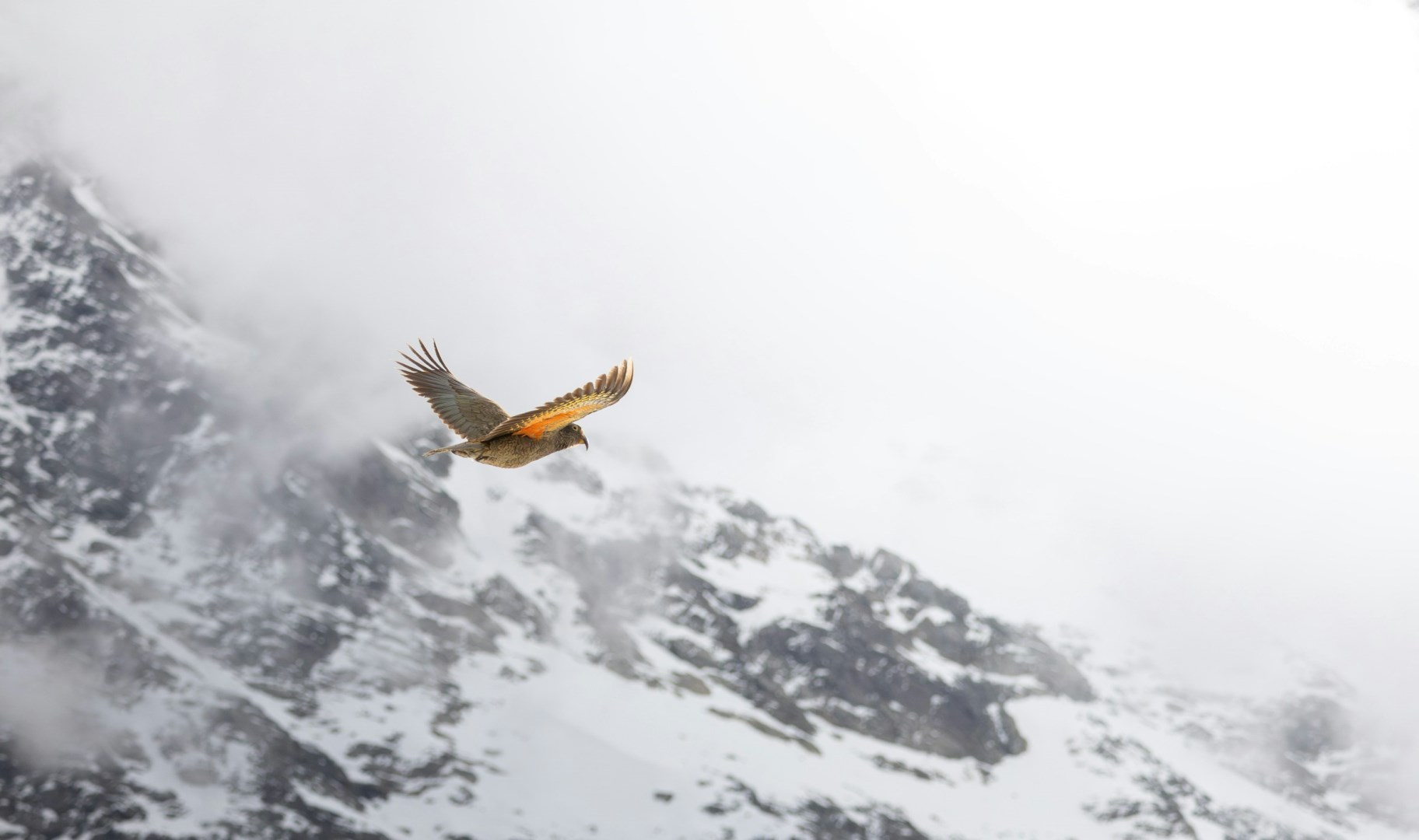
Canterbury is a large region on New Zealand’s South Island, stretching from the Pacific coast across the broad Canterbury Plains to the Southern Alps. Its landscape changes from farmland and vineyards to high mountains, glacial lakes, braided rivers, and rugged coastline. Christchurch, the region’s main city, provides a cultural and urban centre with the Botanic Gardens, Avon River, museums, galleries, and distinctive post-earthquake architecture.
Đà Lạt
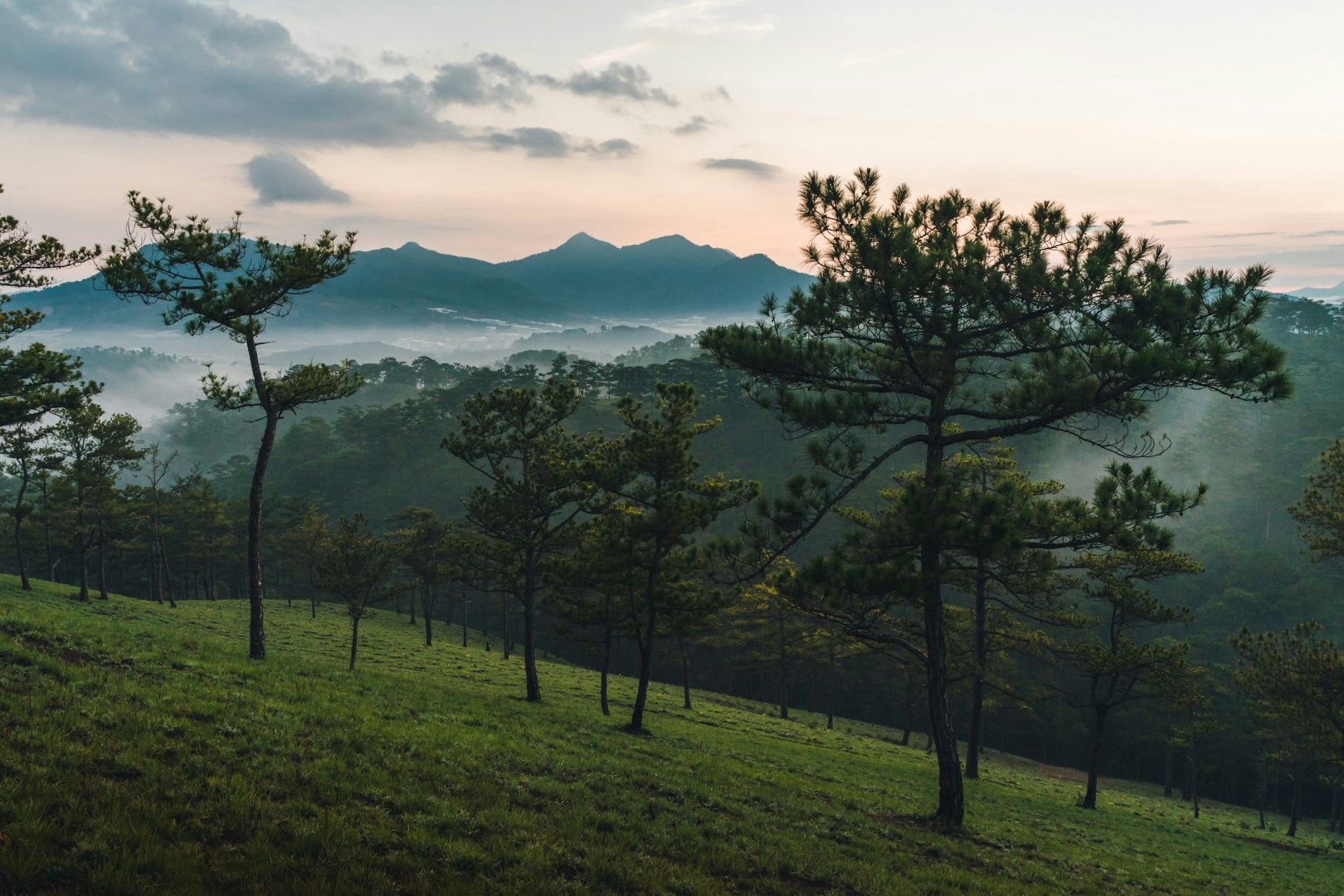
Da Lat is a highland city in Lam Dong Province, central Vietnam, situated on the Lang Biang Plateau. Its elevated setting gives the city a cooler climate than much of southern Vietnam, while pine forests, hills, lakes, and agricultural valleys surround the urban area. Da Lat is known for flower cultivation, vegetable farms, coffee plantations, and distinctive French-influenced architecture.
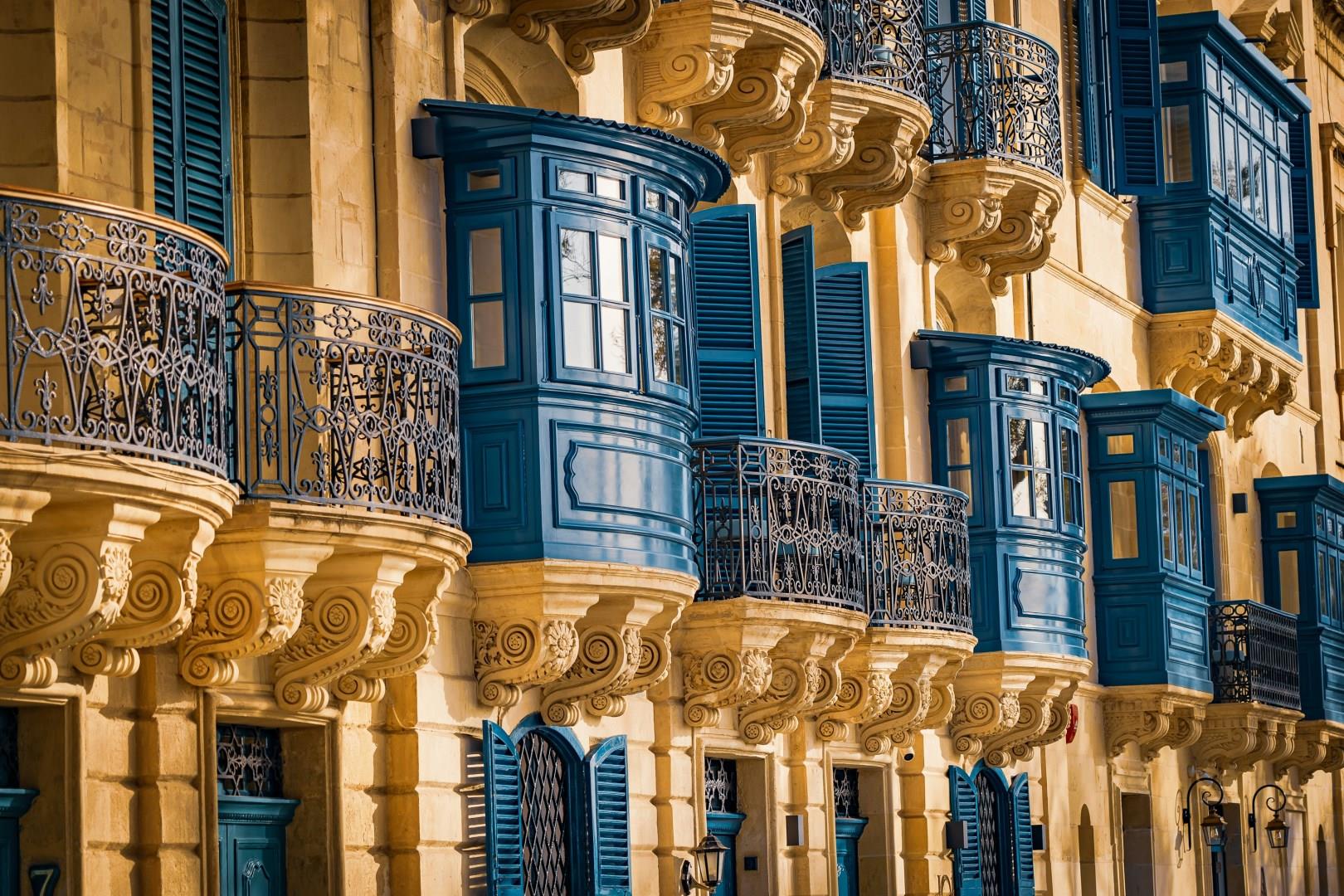
Valleta
Malta’s ornate and vibrant capital, Valletta, dazzles travelers with its abundance of historical landmarks and striking architecture. This island jewel off the coast of Italy remains a popular destination for Mediterranean cruises. From central St. George’s Square, to sixteenth-century Casa Rocca Piccola, to the Siege Bell War Memorial, Valletta has no shortage of monuments detailing the city’s long history.
