
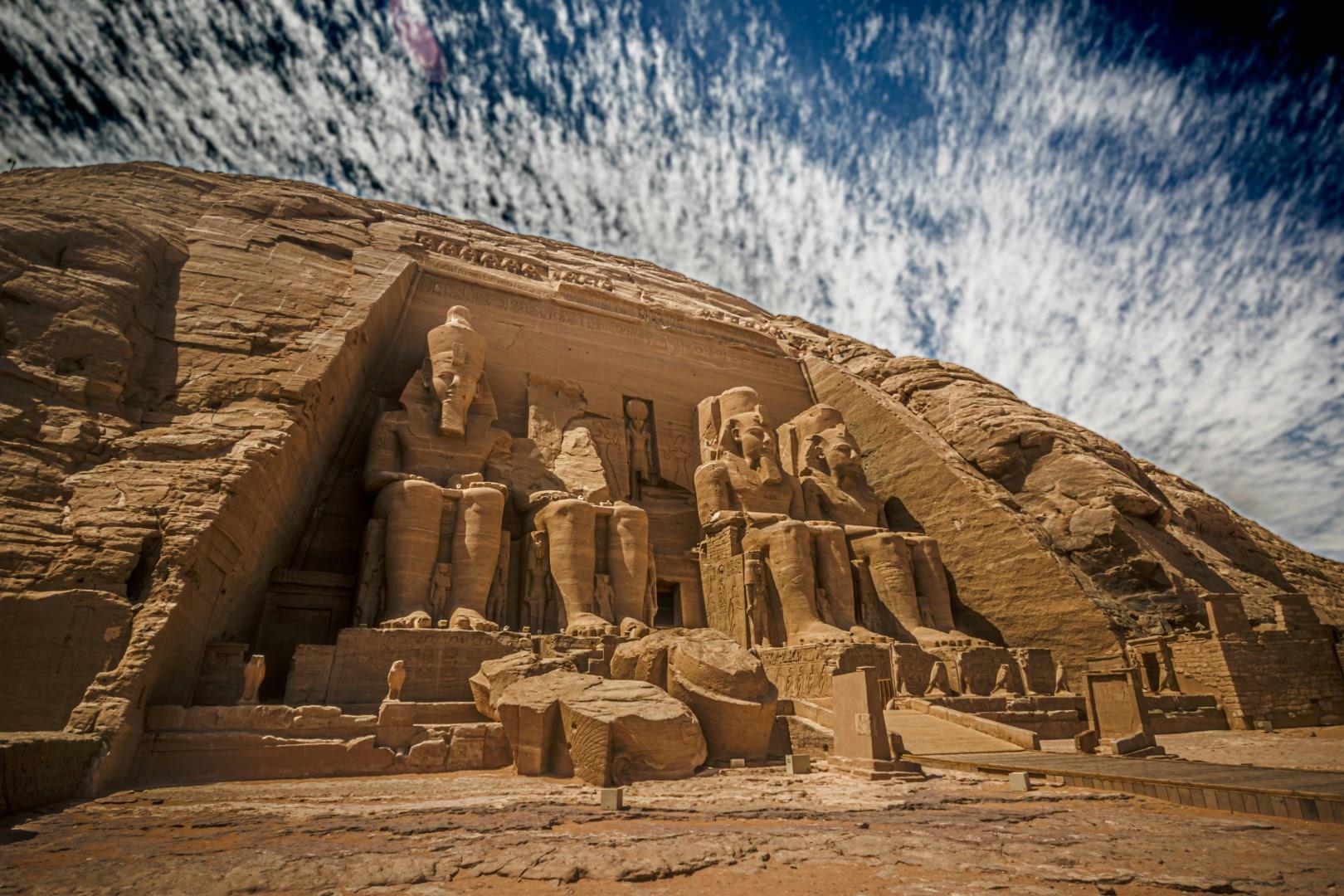
Abu Simbel
Abu Simbel, in southern Egypt near the border with Sudan, is one of the most awe-inspiring archaeological sites of the ancient world. Built during the reign of Pharaoh Ramses II in the 13th century BCE, the twin temples were carved directly into the sandstone cliffs overlooking the Nile. The Great Temple, with its four colossal statues of Ramses II seated at the entrance, was designed not only to honor the pharaoh but also to project his power to neighboring Nubia.
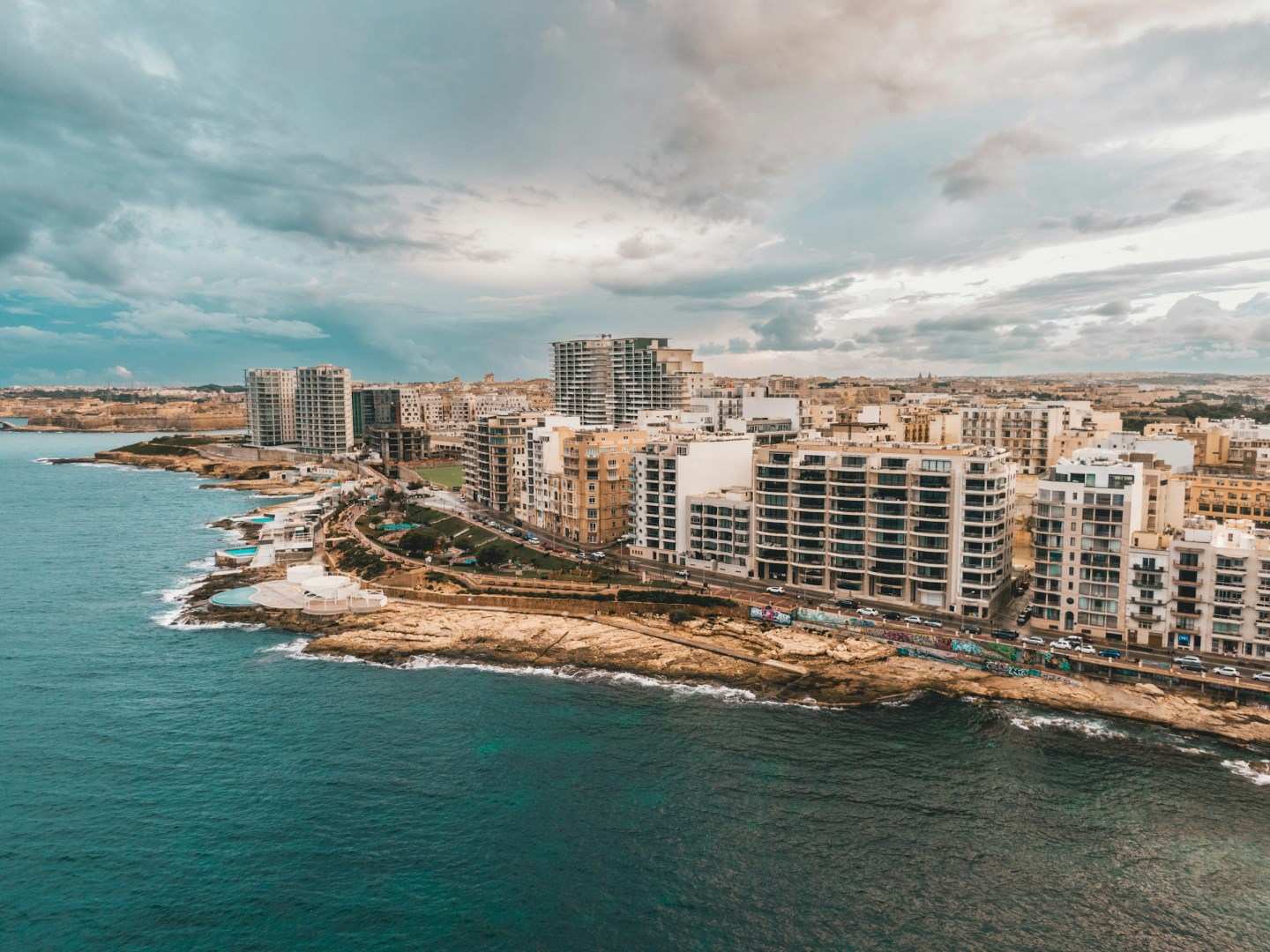
Sliema
Sliema is a coastal town on Malta’s northeastern shore, facing Valletta across Marsamxett Harbour. Once a small fishing community, it has developed into one of Malta’s main residential, commercial, and waterfront areas. The coastline is lined with apartment buildings, hotels, cafés, shops, and a long promenade that follows the rocky shore toward neighboring St Julian’s. Views across the water include Valletta’s fortified skyline, the domes and bastions of the historic capital, and the entrances

Chiba
Chiba, located just east of Tokyo, is a dynamic prefecture that blends modern attractions with serene coastal and rural landscapes. Known for its role as the gateway to Japan’s capital, home to Narita International Airport, Chiba also stands on its own as a destination rich in culture, history, and nature.
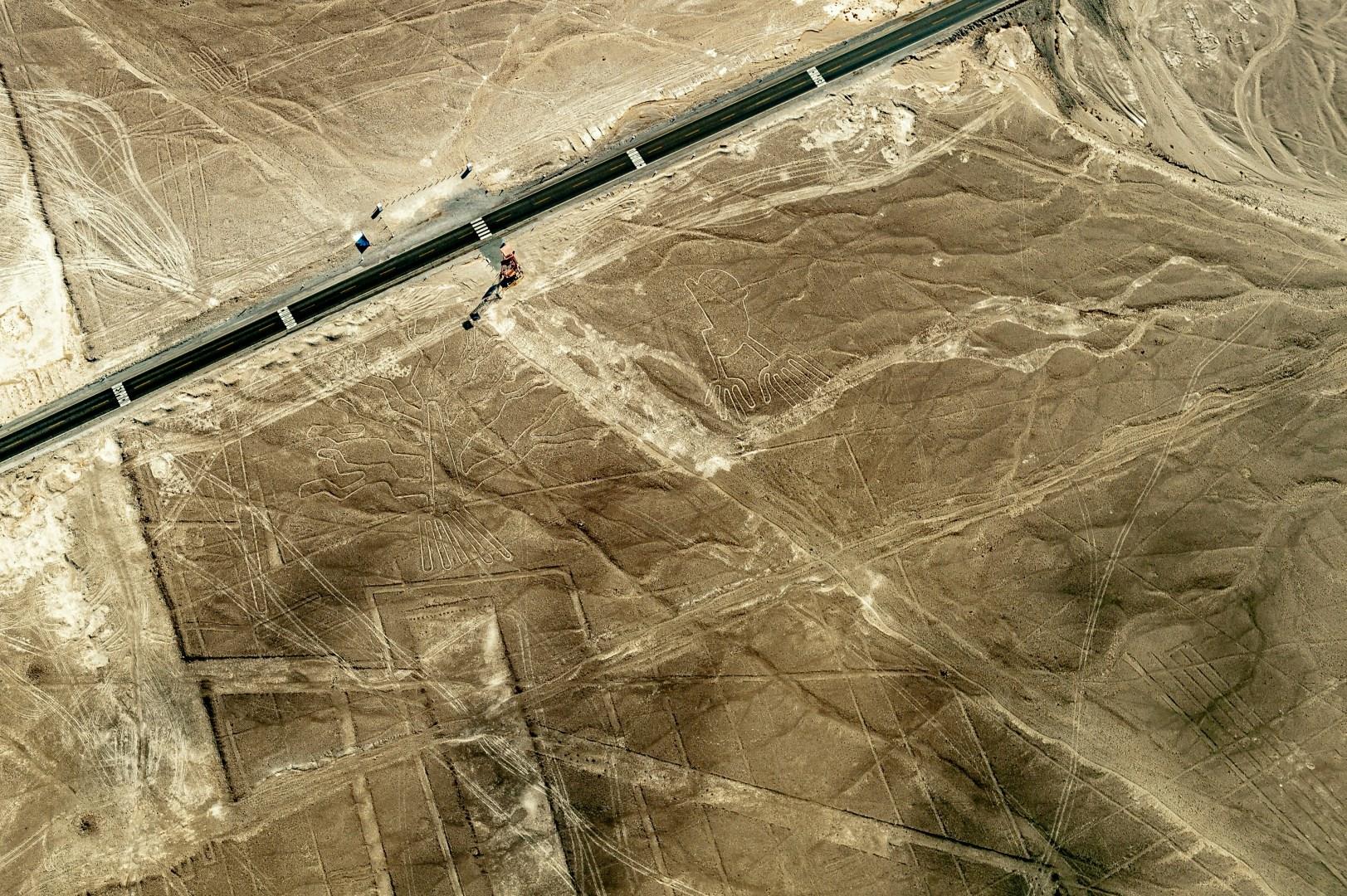
Nazca
In the southern deserts of Peru, Nazca invites visitors to look beyond the horizon. This small city is world-famous for the mysterious Nazca Lines, enormous geoglyphs etched into the desert floor more than 1,500 years ago. From the air, shapes like hummingbirds, monkeys, and even a stylized astronaut come into view, some stretching over 300 meters. Their exact purpose remains a mystery, fueling decades of theories.
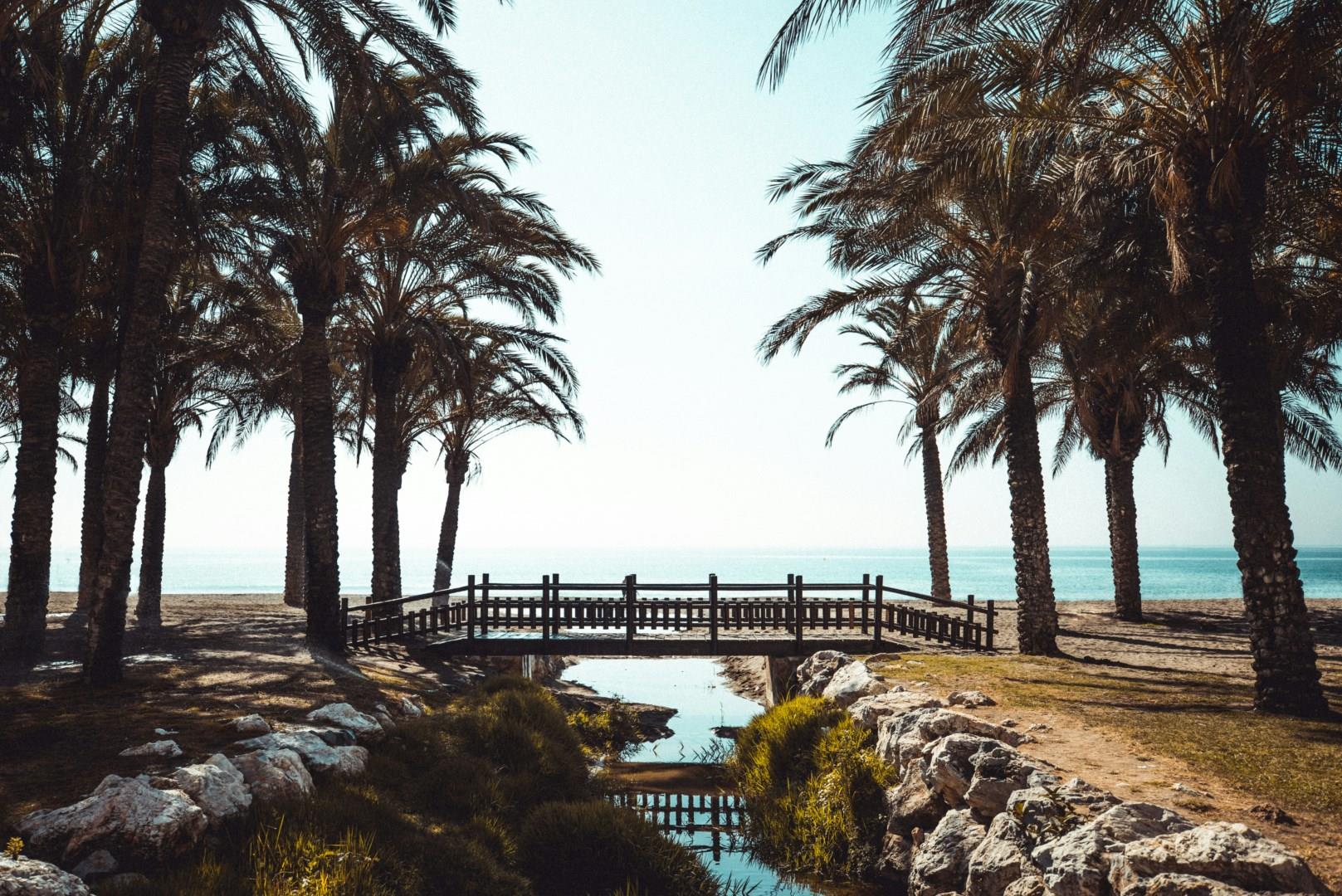
Torremolinos
Torremolinos, on Spain’s Costa del Sol, has transformed from a small fishing village into one of the region’s most vibrant seaside towns. Just a short drive from Málaga, it became famous in the mid-20th century as one of the first international beach destinations in Spain, attracting artists, celebrities, and travelers in search of sun and sea.
