
Rovaniemi
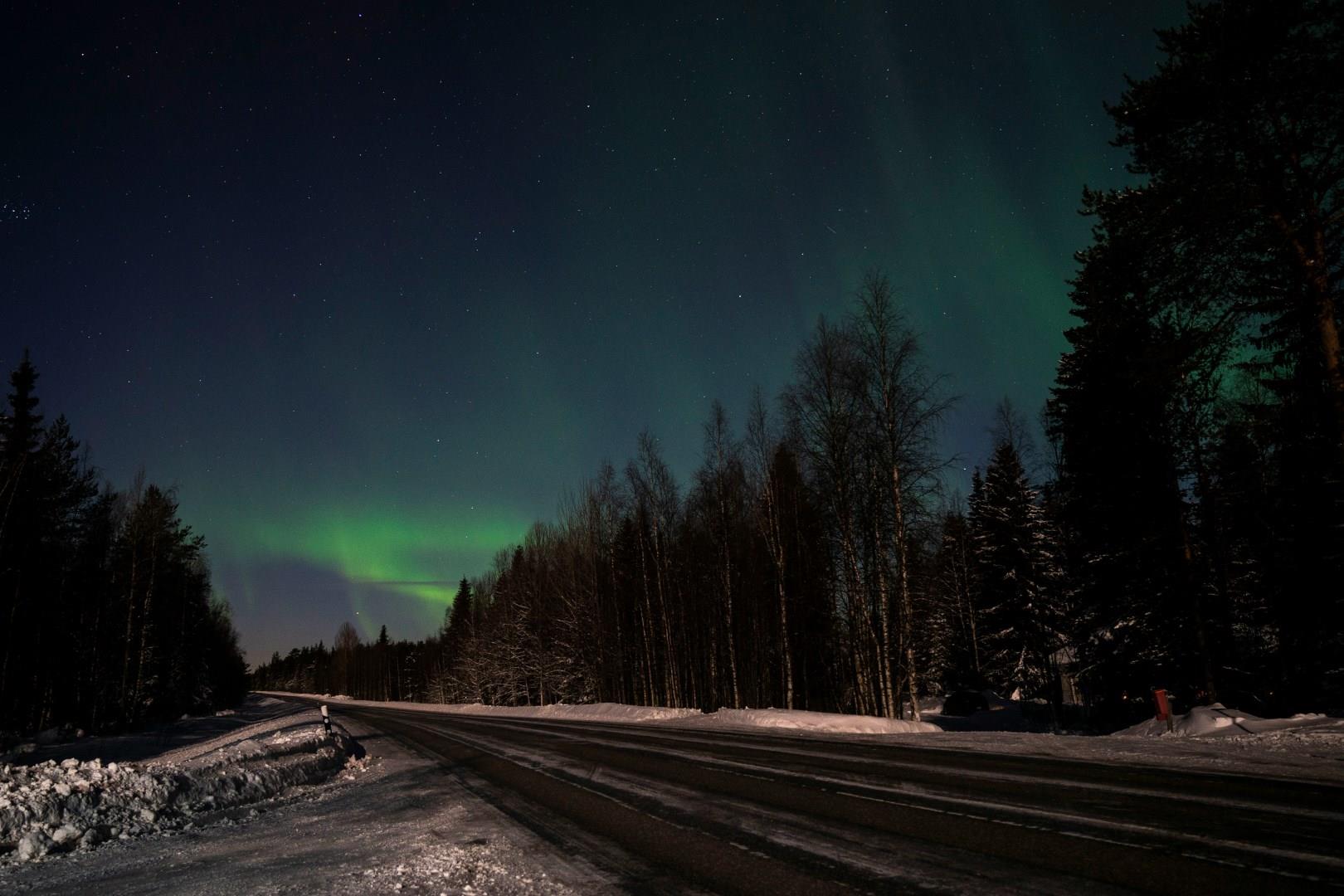
Rovaniemi, located just a few kilometers south of the Arctic Circle, is widely recognized as the official hometown of Santa Claus. From late August through early April, the Northern Lights are visible on clear nights, and several local guides offer nighttime tours to remote locations for optimal viewing. During summer, the sun doesn't set for weeks, giving travelers the rare chance to hike or kayak under a sky that stays bright at midnight.

Namib Desert
The Namib Desert, one of the world’s oldest deserts, stretches along the western coast of Namibia, offering a landscape of stunning, otherworldly beauty. The name “Namib” means "vast place," and fittingly so, as this desert spans over 2,000 kilometers and includes some of the tallest sand dunes on Earth, such as those found in Sossusvlei.

Abruzzo
Abruzzo, a hidden gem in central Italy, offers travelers a captivating blend of medieval history, stunning natural landscapes, and authentic Italian charm. Known as "the greenest region in Europe," Abruzzo is home to three national parks, including Gran Sasso e Monti della Laga, which features some of the highest peaks in the Apennines.

Sete
Sète is a lovely port city in southern France, often called the "Venice of Languedoc" because of its many canals. The old port area is full of history and charm, making it a great place to explore. Visitors can stroll along the canals while observing the daily activities of fishermen and admire the array of boats moored along the quays.
Gythion
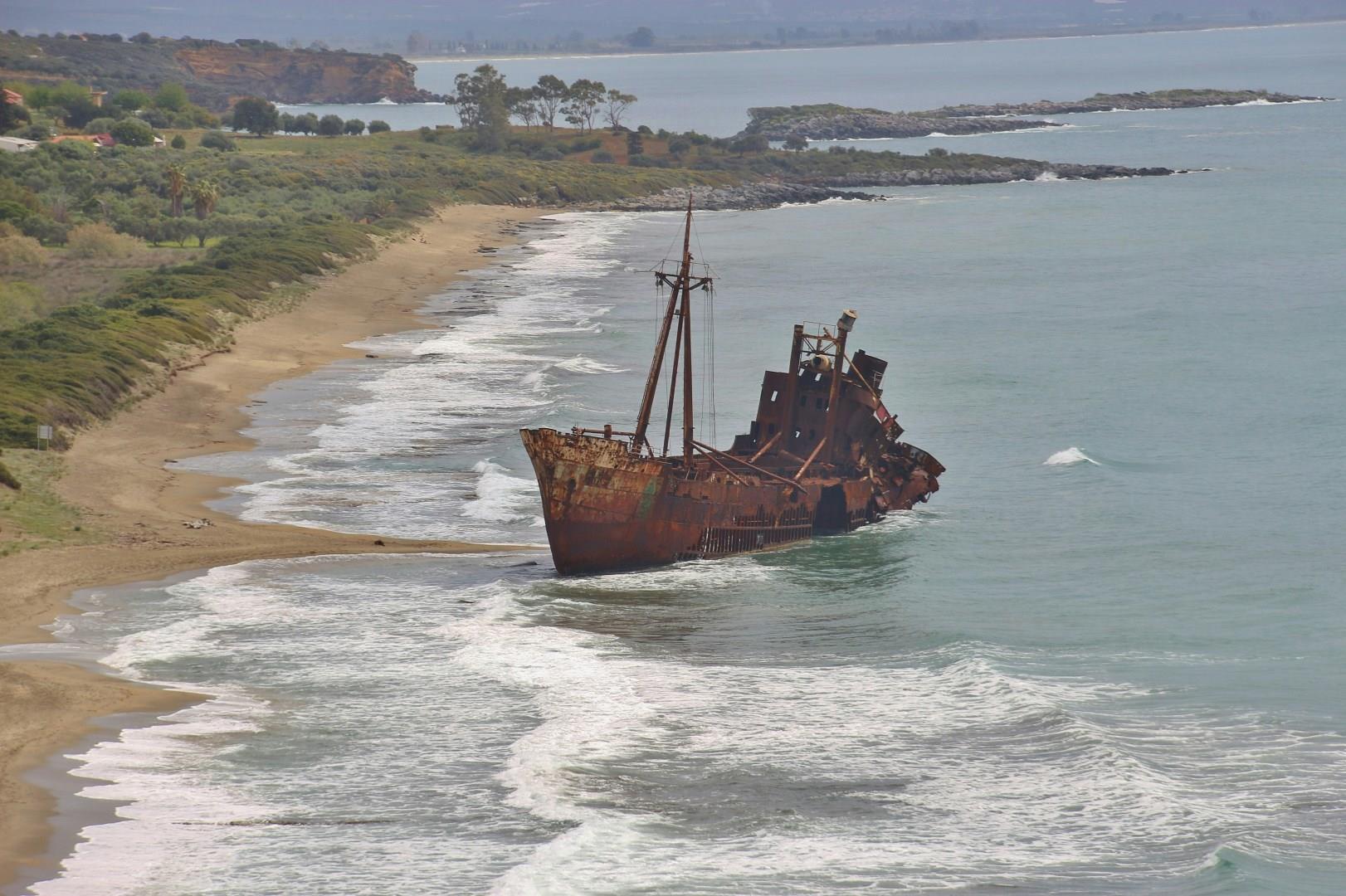
Greece’s southern coastline is home to Gythion, a historic port town nestled in the Peloponnese region. Once the naval base of ancient Sparta, Gythion has played a key role in maritime history for centuries. Today, its harbor is lined with colorful neoclassical buildings and fishing boats, creating a picture of daily life that remains connected to its seafaring roots. Just offshore lies Cranae Island, linked to the mainland by a stone causeway.
