

Kruger National Park
Kruger National Park, located in northeastern South Africa, is one of the world’s premier wildlife reserves and a cornerstone of African conservation. Established in 1898, it spans nearly 20,000 square kilometers, making it larger than many countries.

Heraklion
The capital of Crete, Heraklion is a Greek port city and a popular stop on Mediterranean and Greek cruises. The city is an historical marvel, replete with archaeological wonders and remnants of the region's past. Highlights include the Heraklion Archaeological Museum, the Rocca a Mare Fortress, the Venetian Loggia, and just past the city limits, the Palace of Knossos.
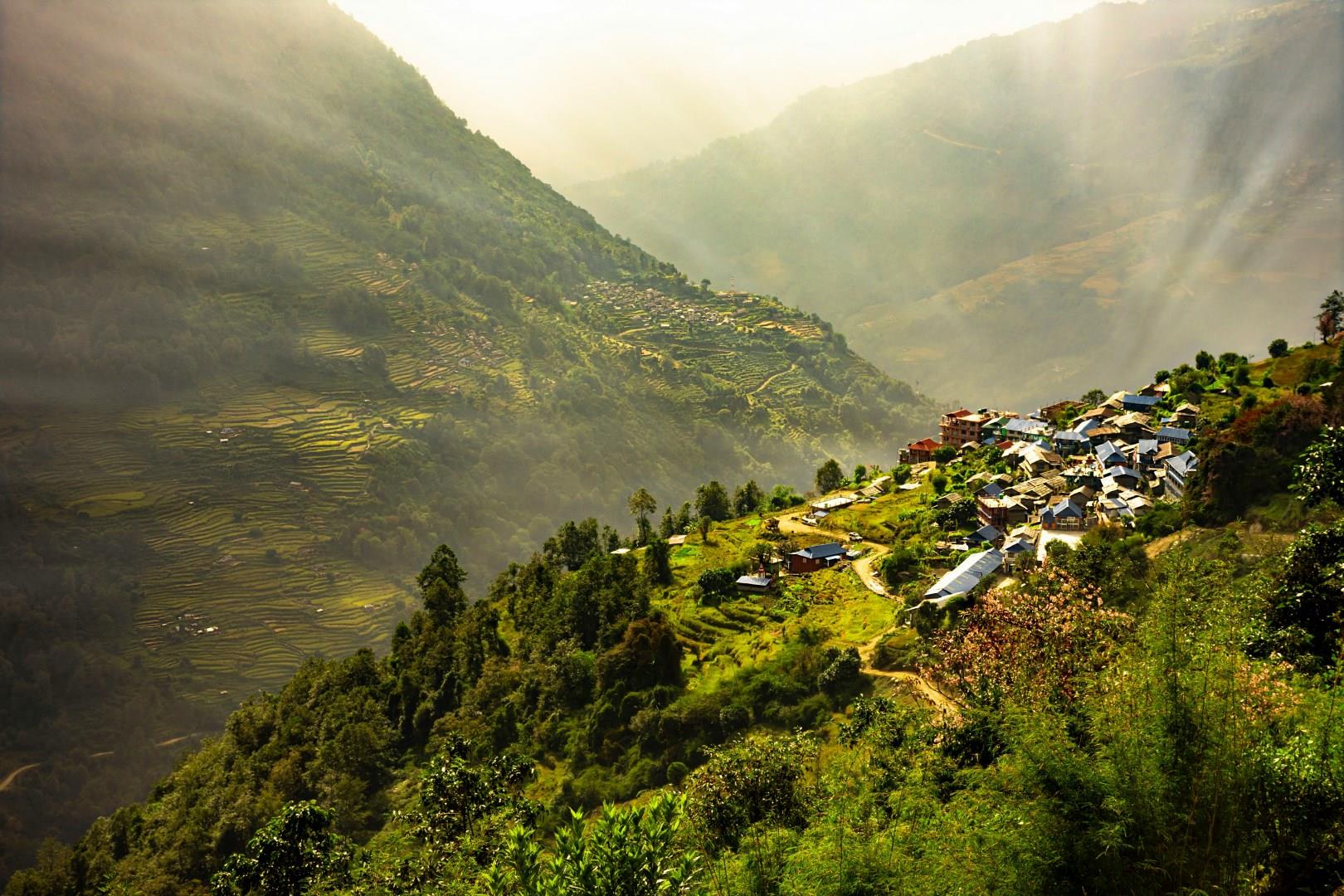
Ulleri
Ulleri is a small village in Nepal, located in the Annapurna region along the popular trekking route to Ghorepani and Poon Hill. It has traditionally served as a resting point for trekkers and local traders, with stone-paved streets and terraced fields reflecting centuries of Himalayan agricultural life.

Jurassic Coast
The Jurassic Coast, a UNESCO World Heritage Site, is a breathtaking stretch of England’s southern coastline that spans 95 miles from Exmouth in Devon to Studland Bay in Dorset. It is renowned for its dramatic cliffs, stunning beaches, and incredible geological history, offering visitors the chance to explore 185 million years of Earth’s evolution.
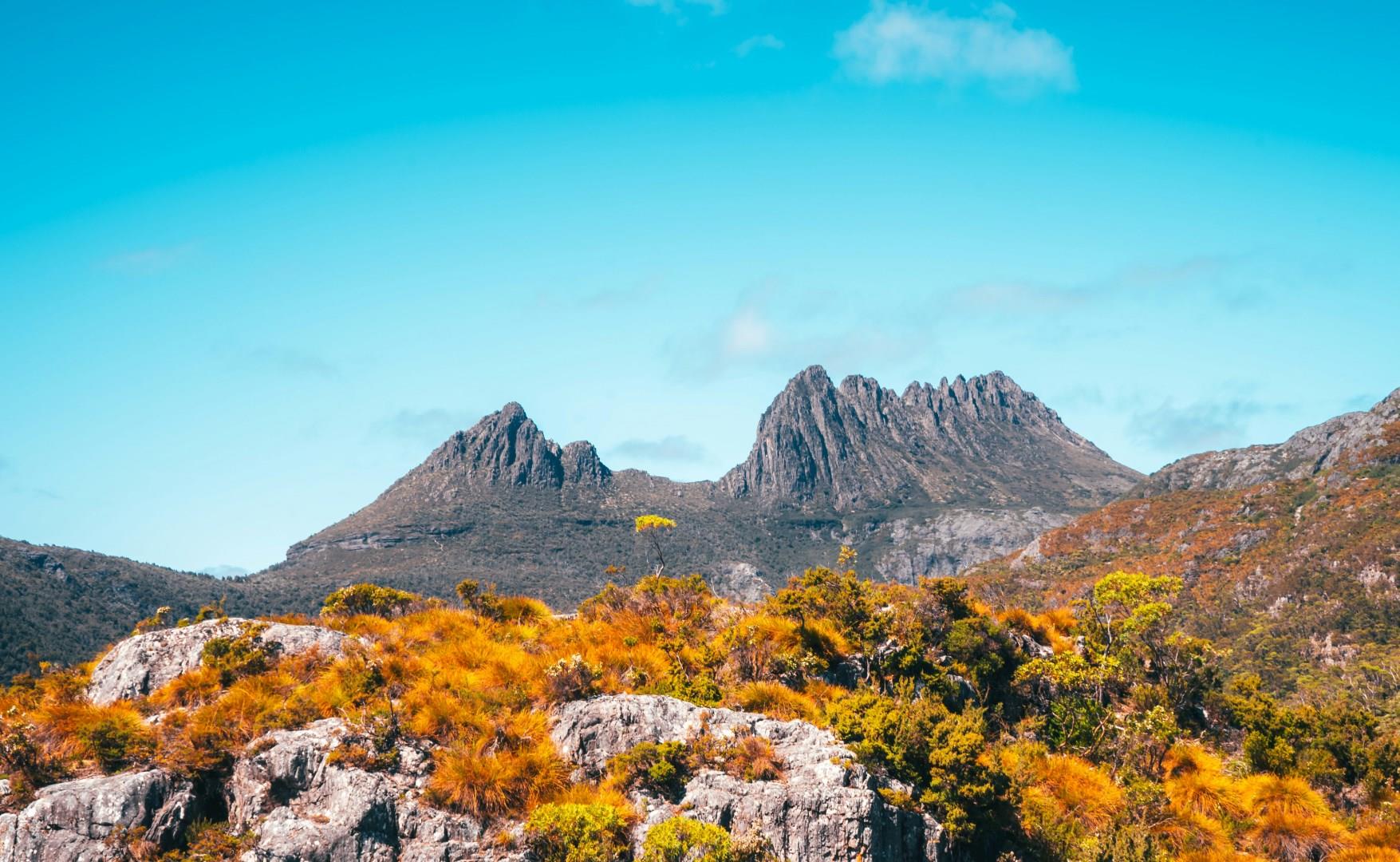
Cradle Mountain Tasmania
Cradle Mountain, located within the Tasmanian Wilderness World Heritage Area, is one of Australia's most distinctive landscapes. Towering over Dove Lake, the craggy peak rises to 1,545 meters and is often dusted with snow, even in spring. The mountain and surrounding area are part of Cradle Mountain–Lake St Clair National Park, which was established in 1922 and has since become a cornerstone of Tasmania’s protected wildlands.
