
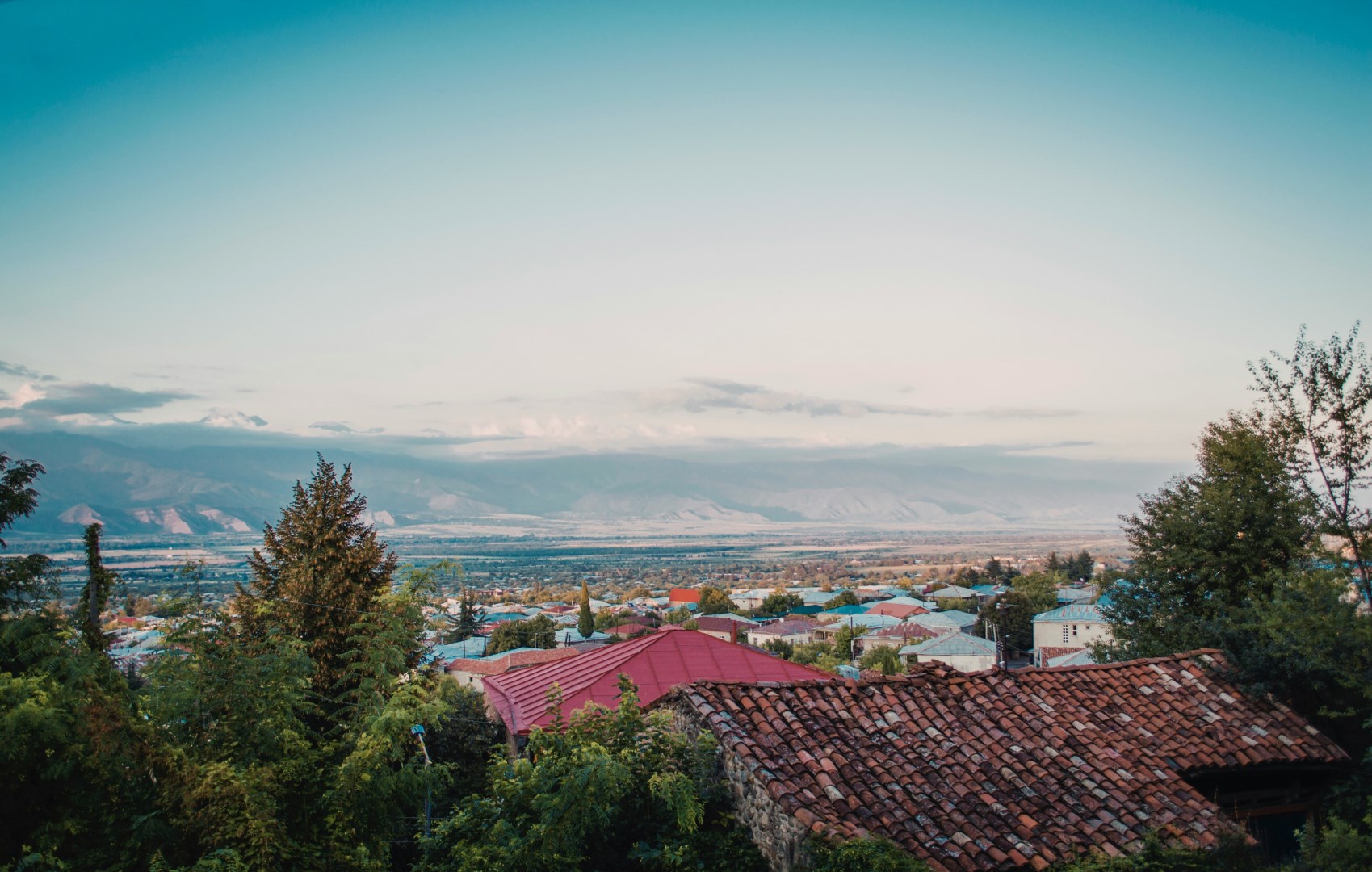
Telavi
Telavi is the administrative center of Georgia’s Kakheti region, located between the Gombori mountain range and the Alazani Valley. The town is known for its connection to winemaking, traditional balconies, and views toward the snow-covered Caucasus Mountains.
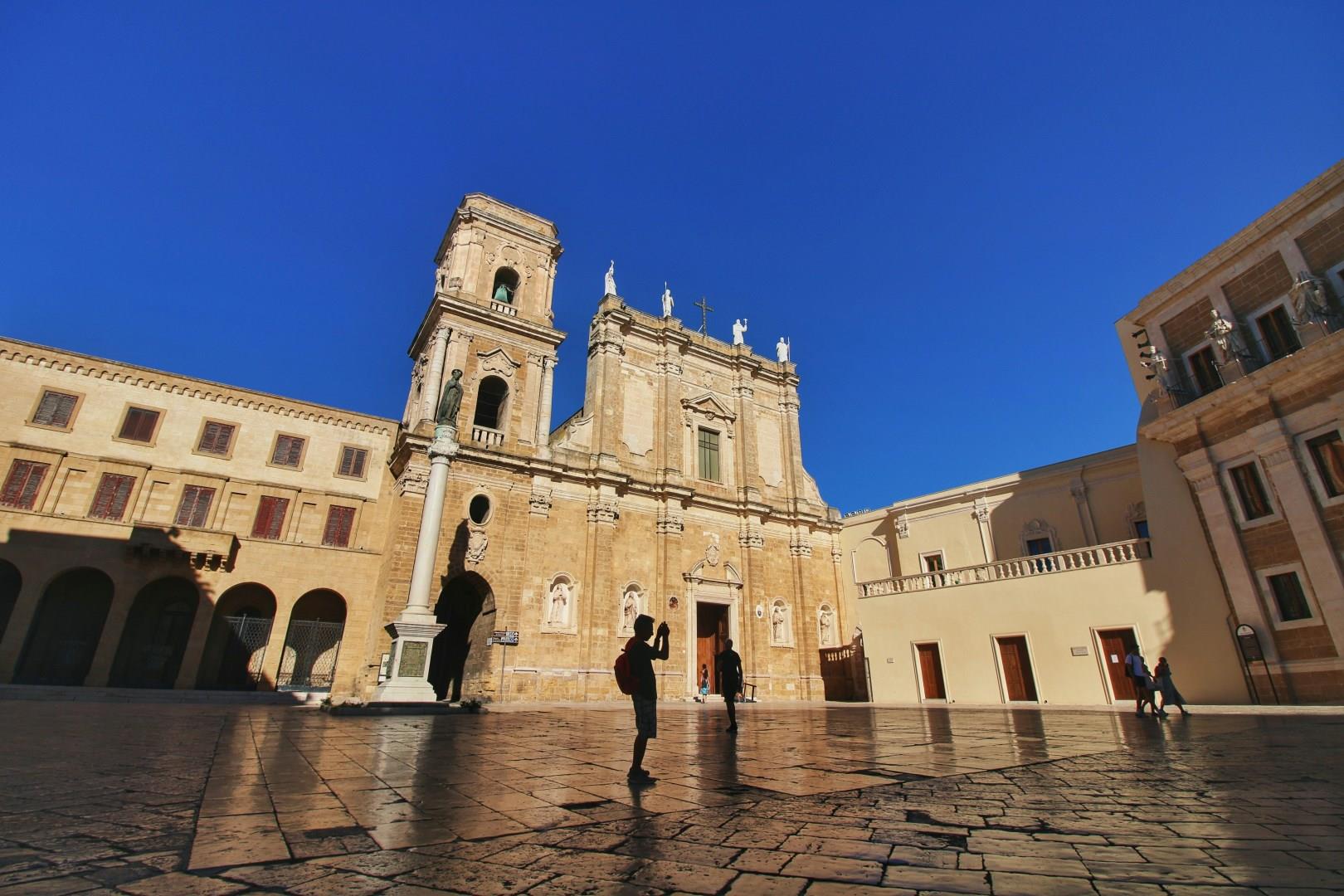
Brindisi
Italy’s port city of Brindisi, tucked along the Adriatic coast in the Puglia region, has been a gateway to the East for over two thousand years. Once the Roman Empire’s main departure point for the Via Appia, the road to Greece and beyond, Brindisi still bears traces of its ancient past, from Roman columns to remnants of old harbors that once welcomed traders, pilgrims, and soldiers.
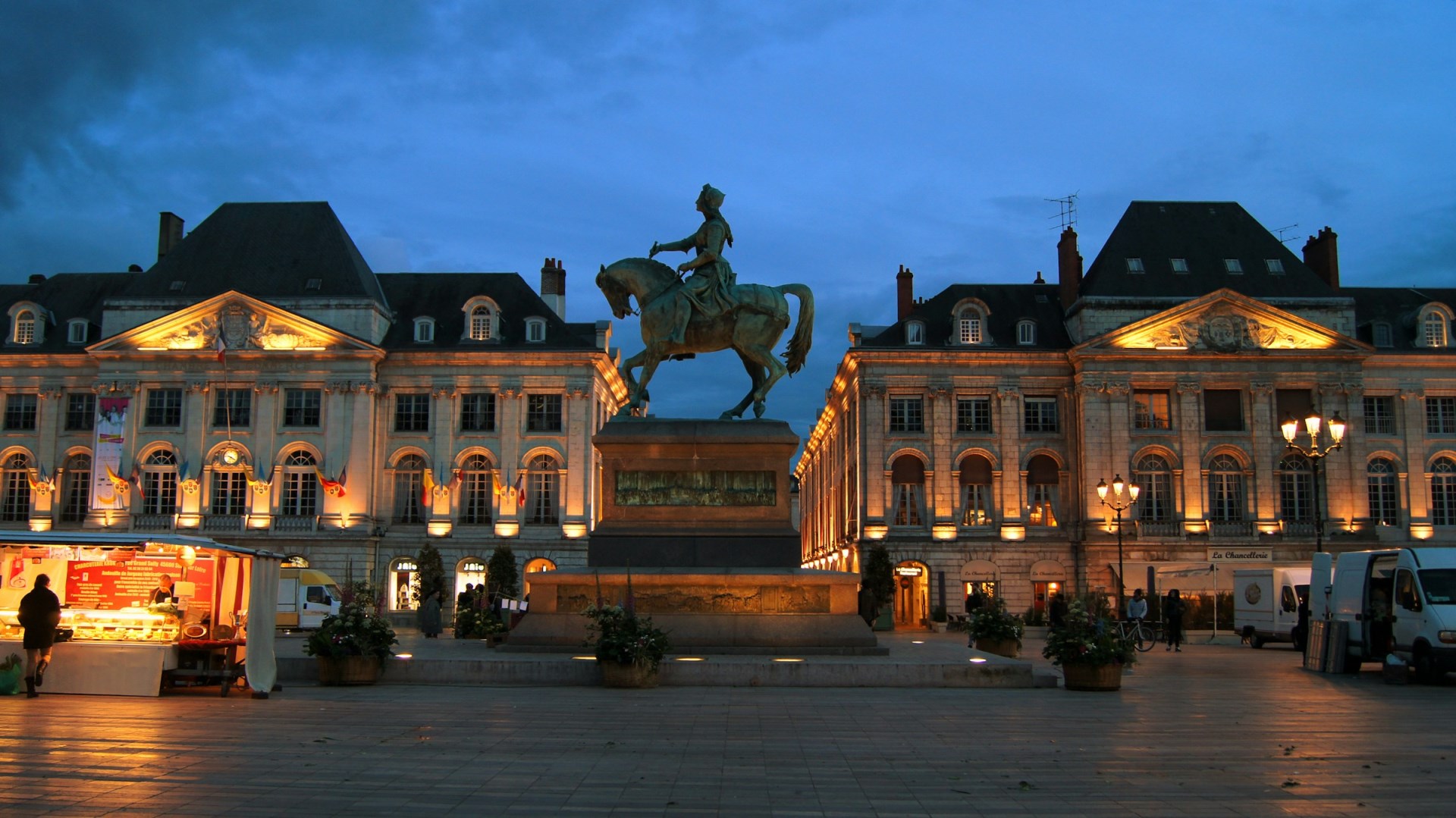
Orléans
Orléans is a city on the Loire River in central France, where a historic urban center meets broad riverbanks and the landscapes of the Loire Valley. Its position on the river helped make it an important center for trade and transport, while today the quays provide space for walking and cycling. The old center contains a mixture of medieval streets, Renaissance buildings, and later architecture, with the Sainte-Croix Cathedral forming a prominent landmark.
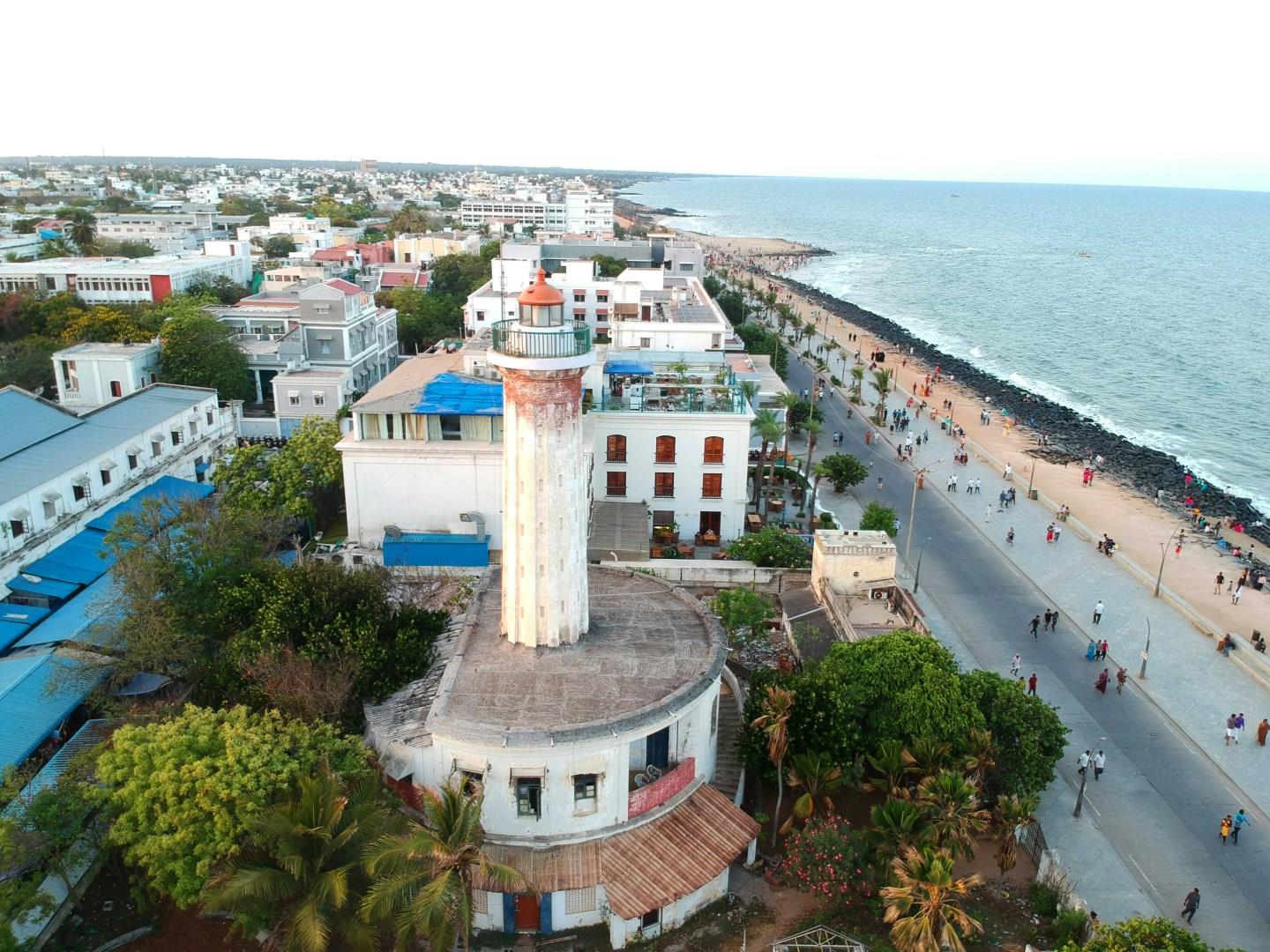
Pondicherry
Pondicherry is a coastal town in southern India that still carries traces of its French colonial past. The French Quarter, or White Town, is filled with mustard-yellow buildings, iron-laced balconies, and streets with French names. Visitors can explore this area on foot or by bicycle, stopping at spots like the 18th-century Eglise de Notre Dame des Anges, built in Greco-Roman style, or the French Consulate, which continues to operate from a colonial-era building.

Bequia
Bequia, the largest of the Grenadines, is a hidden gem in the Caribbean Sea that captivates visitors with its unspoiled beauty and warm, welcoming atmosphere. Often described as the "island in the clouds," Bequia (pronounced "Bek-way") offers a tranquil escape where turquoise waters meet lush green hills. The island's charm lies in its simplicity—no sprawling resorts or crowded beaches, just a peaceful haven where time seems to stand still.
