
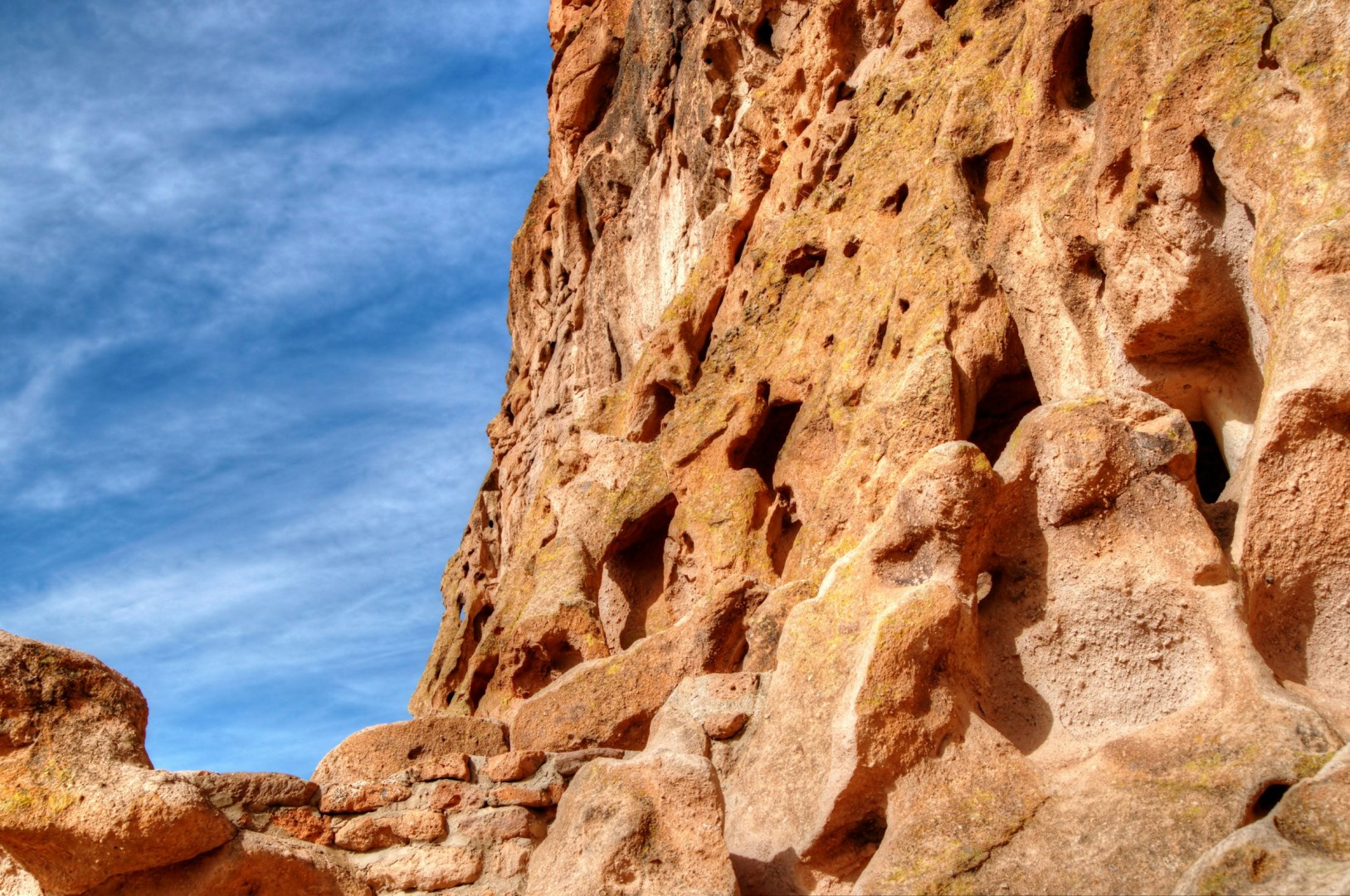
Bandelier National Monument
Bandelier National Monument lies in northern New Mexico near Los Alamos, protecting a rugged landscape of canyons, volcanic cliffs, mesas, and forested slopes. The monument is especially known for its ancestral Pueblo dwellings carved into soft volcanic tuff, including rooms, cavates, and ceremonial structures that remain visible along the canyon walls. Frijoles Canyon forms the main visitor area, with trails leading through archaeological sites and wooded terrain.

Easter Island
Easter Island, or Rapa Nui, is a remote gem in the southeastern Pacific Ocean that promises an extraordinary journey into the mysteries of Polynesian culture and history. Famous for its monumental stone statues known as moai, Easter Island captivates visitors with its enigmatic past. These colossal statues, crafted between 1400 and 1650 AD, are scattered across the island and are a testament to the islanders' sophisticated artistry and social organization.
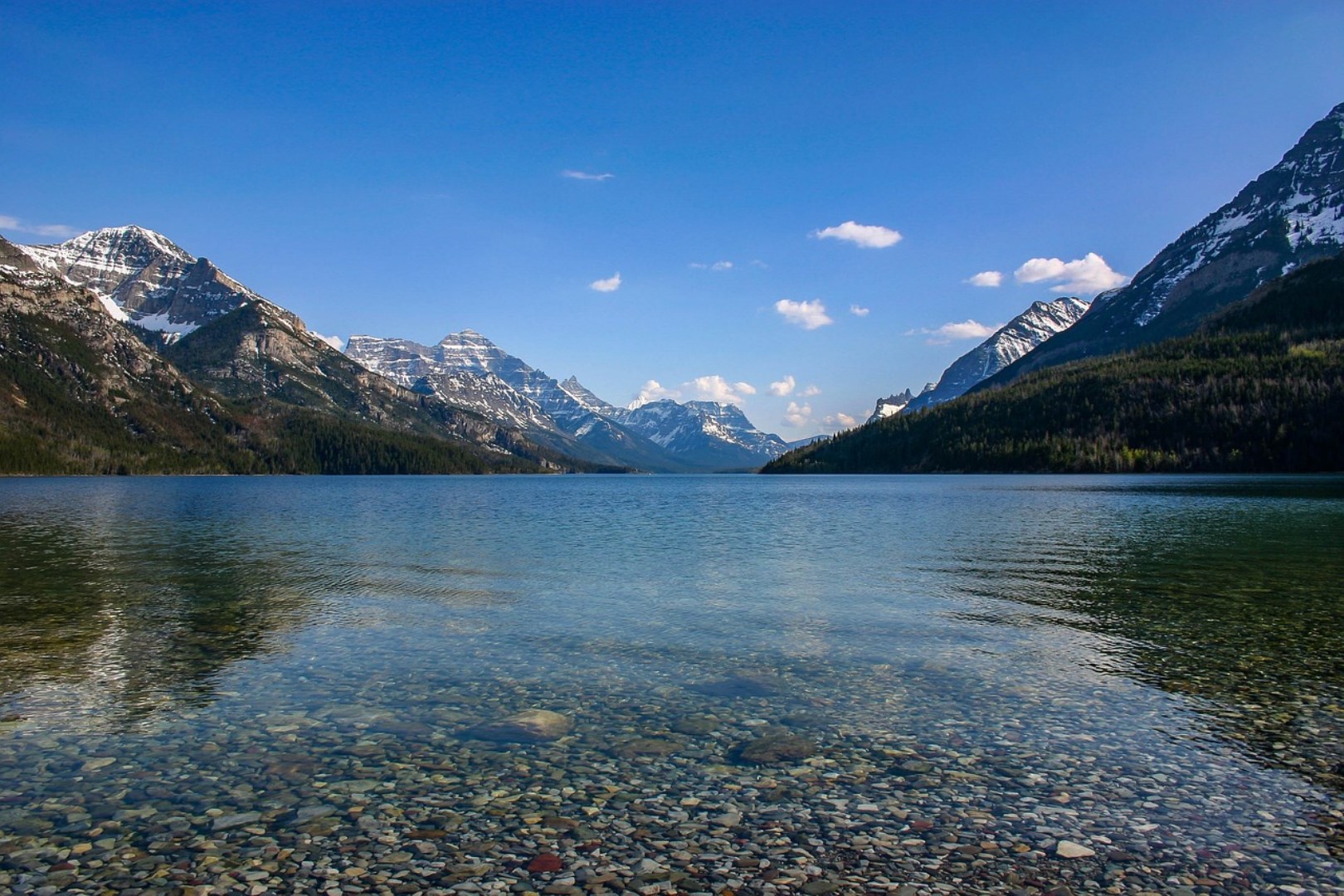
Waterton Lakes National Park
Together with neighboring Glacier National Park in the United States, Waterton Lakes National Park is part of the world's first international Peace Park, which was recognized as a UNESCO World Heritage Site in 1955. The Waterton-Glacier Peace Park protects an important biological crossroads where the Rocky Mountains reach their narrowest width. Waterton's bedrock is much older than that of the mountains to the north found in Jasper and Banff.
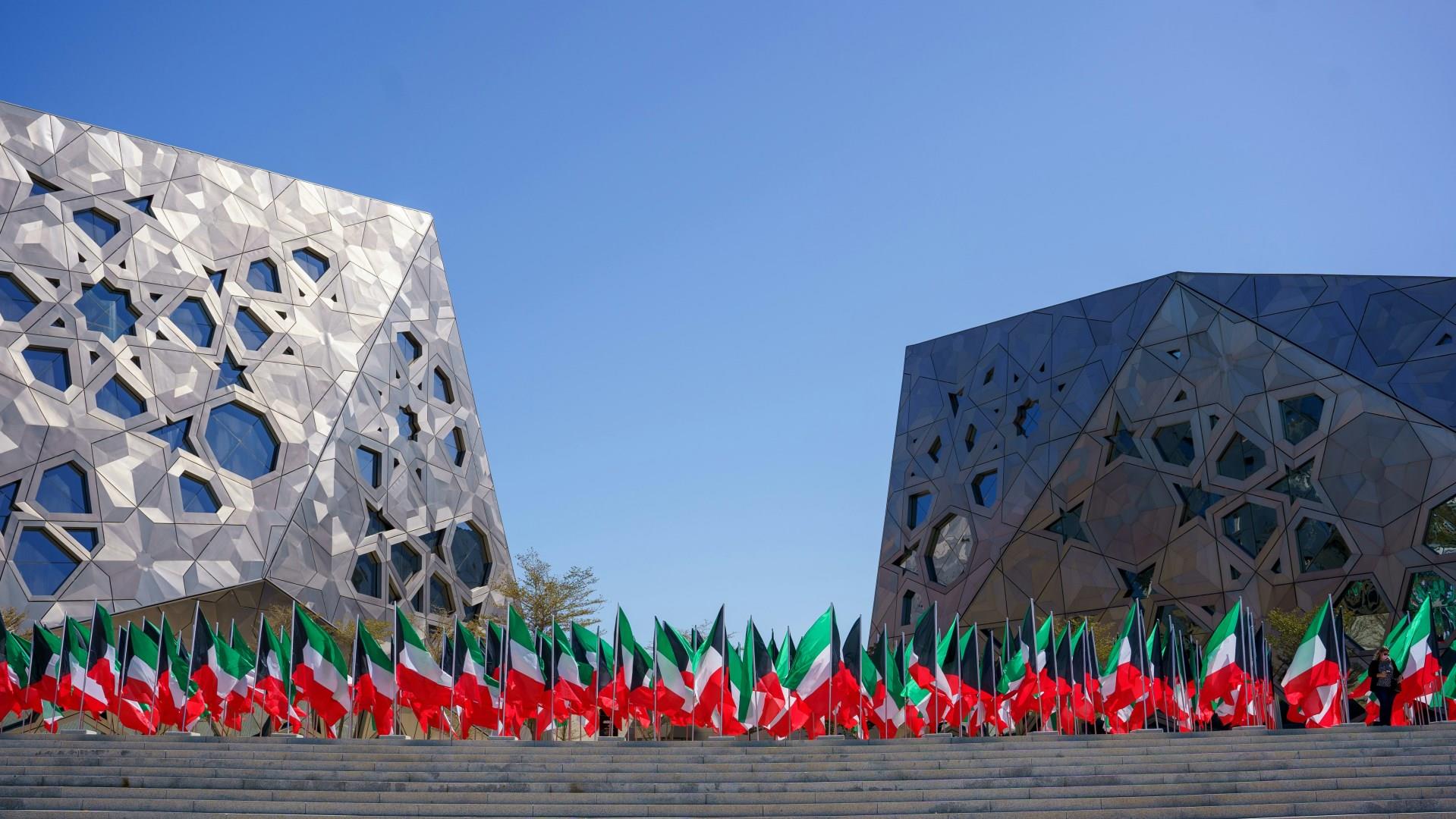
Kuwait City
Kuwait City began as a modest fishing village and has evolved into a modern metropolis. The city's history is deeply rooted in its maritime heritage. The Dhow Harbour in Kuwait City offers a captivating glimpse into the nation's rich maritime past. Historically, dhows were essential for trade, fishing, and pearl diving, shaping Kuwait's economic and cultural identity. Today, the harbor remains a vibrant testament to this legacy, housing a variety of traditional wooden ships.

Bermuda
Bermuda, a British Overseas Territory in the North Atlantic, is celebrated for its pastel-colored houses, pink-sand beaches, and a unique blend of British and island traditions.
