
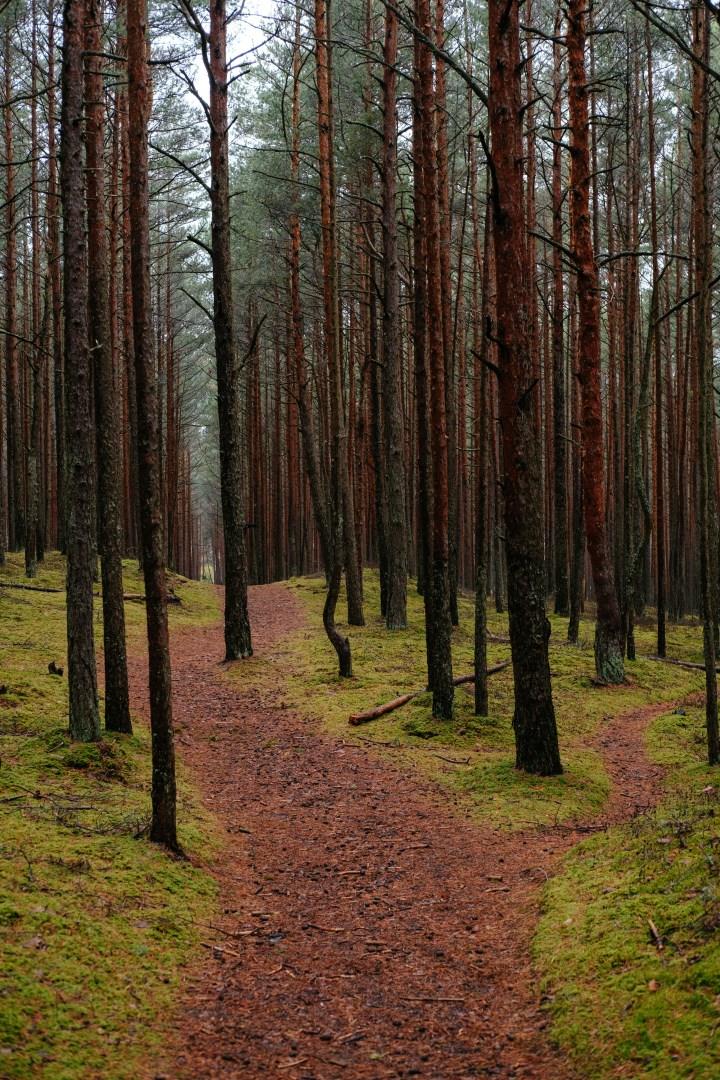
Jurmala
Jūrmala, Latvia’s famed seaside resort, stretches along 33 kilometers of white sandy beaches kissed by the Baltic Sea. Its wooden architecture, featuring colorful villas from the early 20th century, tells the story of its history as a retreat for the well-to-do during the Russian Empire. Visitors strolling the Jomas Street promenade will find a lively atmosphere filled with cafes, boutiques, and galleries, alongside peaceful spots where the sea breeze encourages relaxation.

Rhone River
The Rhône River, flowing through the heart of France and into Switzerland, offers a captivating journey through one of Europe's most scenic and historically rich regions. Originating in the Swiss Alps, this majestic river winds its way southward, carving its path through picturesque landscapes, including the iconic lavender fields of Provence and the lush vineyards of the Rhône Valley.
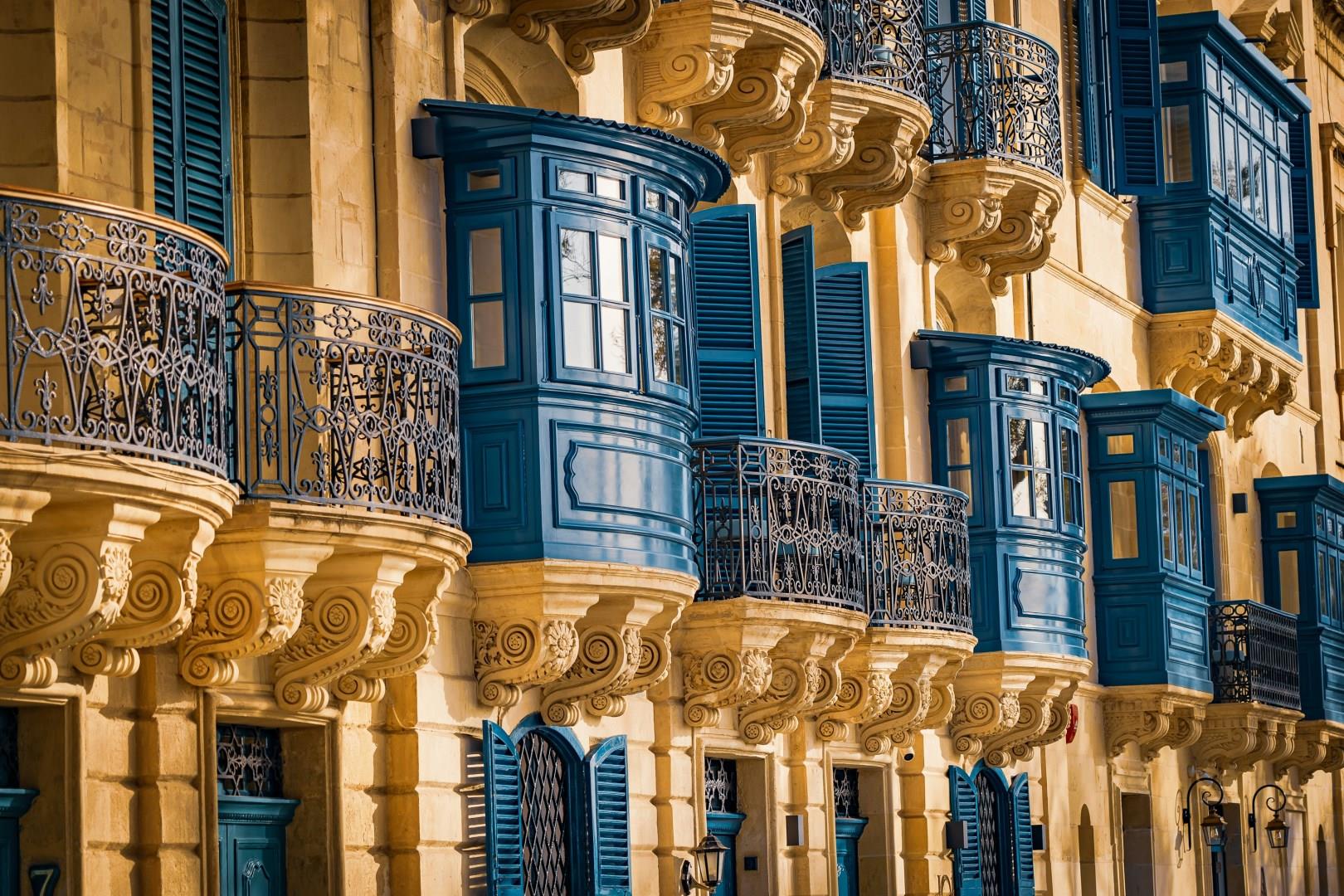
Valleta
Malta’s ornate and vibrant capital, Valletta, dazzles travelers with its abundance of historical landmarks and striking architecture. This island jewel off the coast of Italy remains a popular destination for Mediterranean cruises. From central St. George’s Square, to sixteenth-century Casa Rocca Piccola, to the Siege Bell War Memorial, Valletta has no shortage of monuments detailing the city’s long history.

Anguilla
Anguilla is a level coral atoll with abundant breath-taking beaches. The name comes from the Spanish word for eel, named apparently because of the island's long, narrow profile. The main town, The Valley, is found almost in the middle of the island. Most hotels and restaurants are found on the western point of the island.
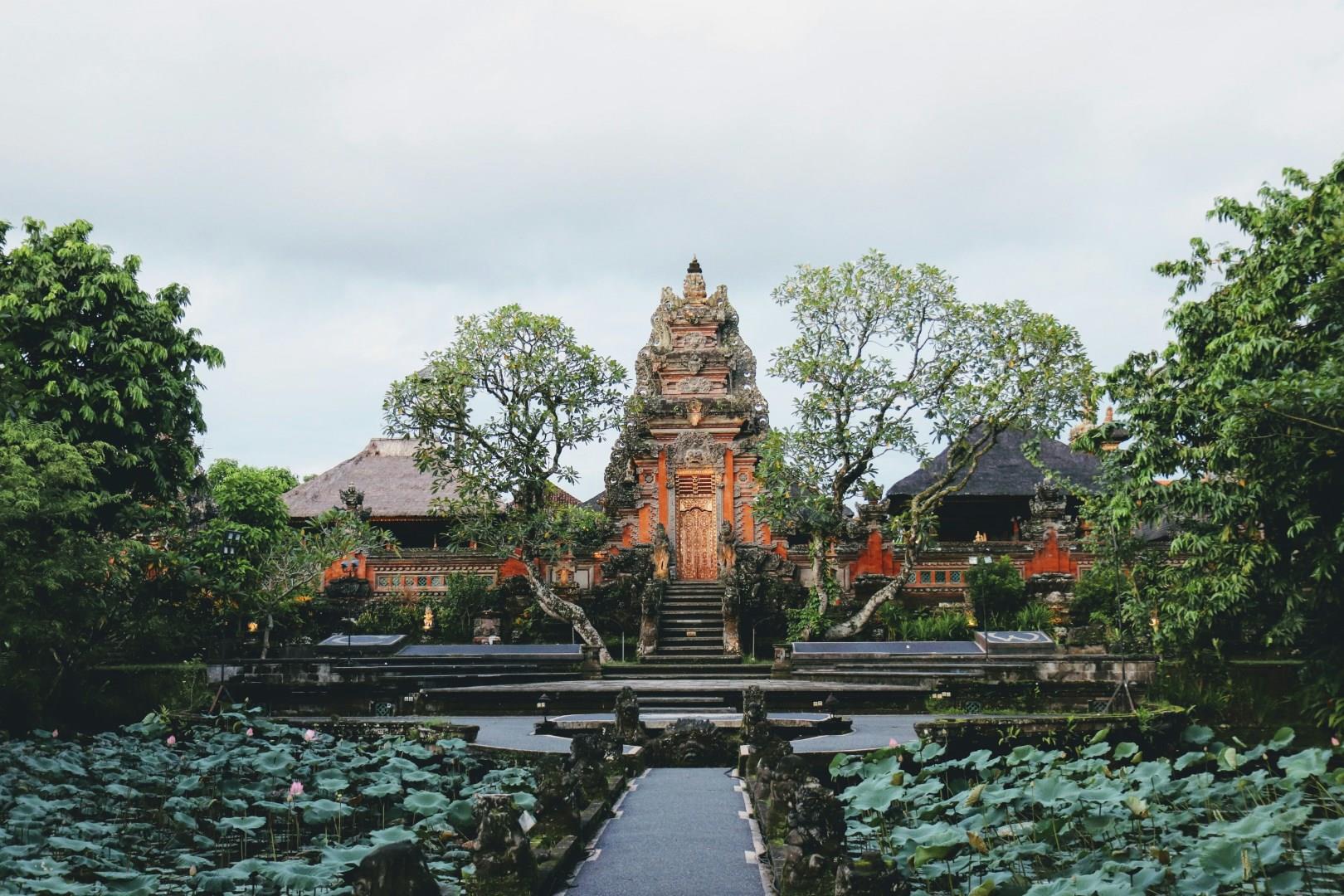
Ubud
Ubud lies in the uplands of central Bali and has long been regarded as the island’s cultural and spiritual heart. Historically a center for healing and royal patronage, the town developed around temples, palaces, and traditional villages that supported dance, painting, woodcarving, and ritual life.
