
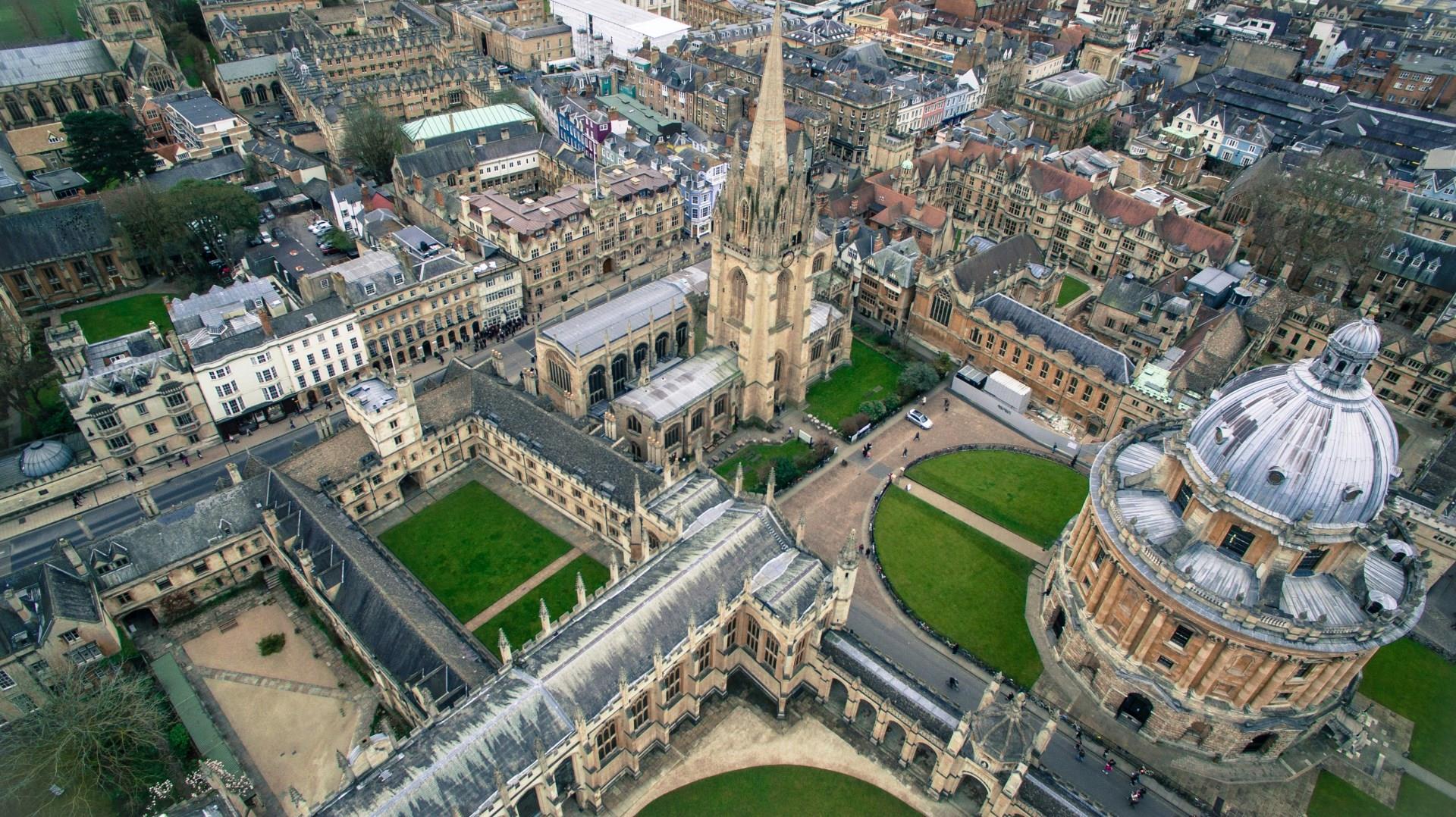
Oxford
Oxford is best known for its world-famous university, but the city offers much more than historic college halls and ivory towers. Its skyline, shaped by spires and domes, hints at centuries of intellectual life. The University of Oxford dates back to at least the 12th century and includes iconic buildings like the Bodleian Library, one of the oldest libraries in Europe, and the Radcliffe Camera, a circular reading room that looks more like a cathedral than a place for quiet study.

Sri Lanka
Sri Lanka, an island nation in the Indian Ocean, is known for its lush landscapes, ancient history, and vibrant culture. From the sacred city of Kandy and the rock fortress of Sigiriya to colonial-era Galle Fort, the country offers a deep connection to centuries of heritage and tradition.

Soufriere
Soufriere sits on the southwest coast of St. Lucia, framed by steep hills and the twin Pitons that rise sharply from the sea. Once the island’s original capital, the town carries deep historical roots tied to colonial rivalries and the development of plantation culture.
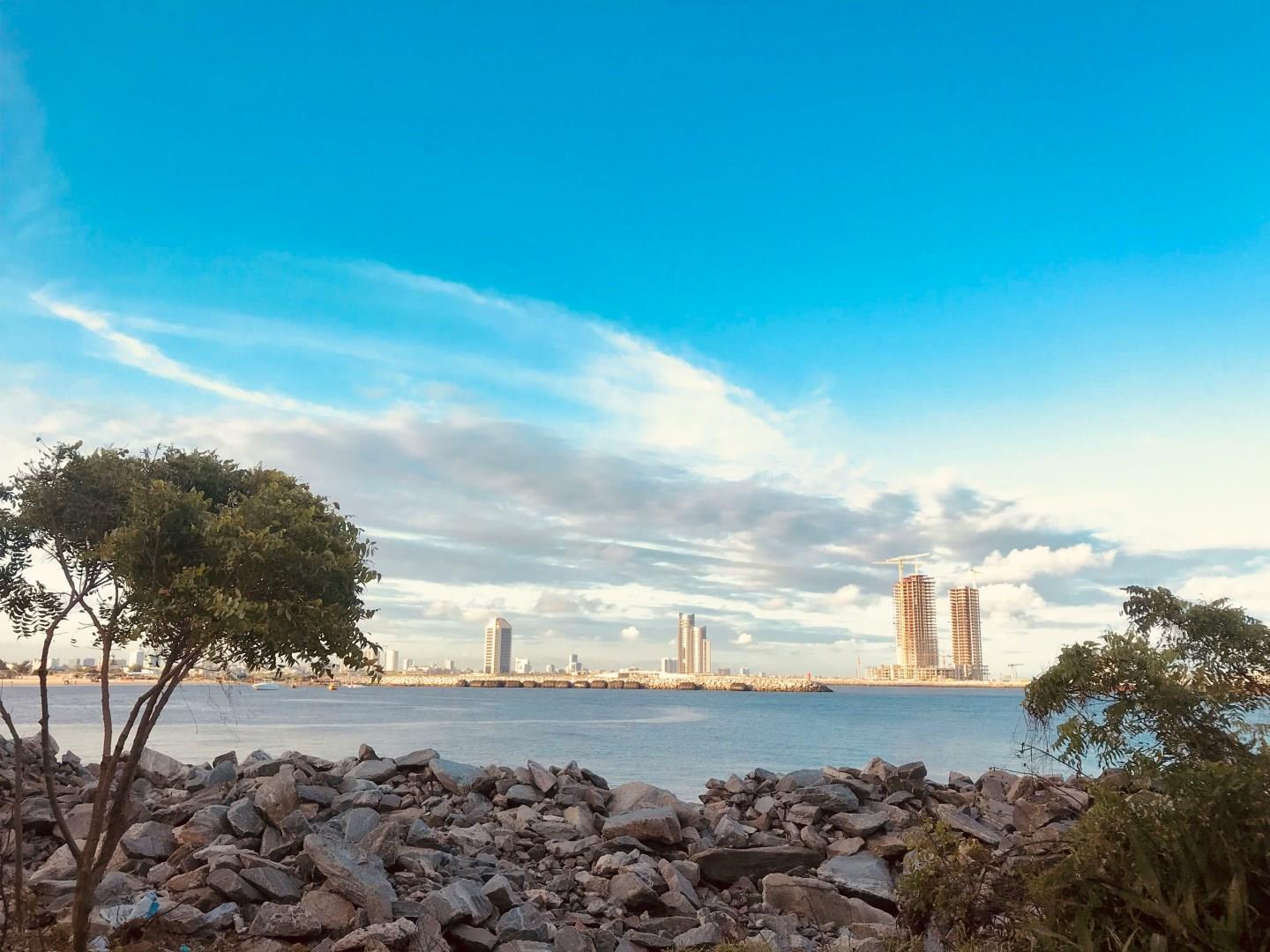
Lagos
Lagos, Nigeria’s largest city and economic hub, is located on the country’s southwestern coast along the Atlantic Ocean. It is a bustling metropolis where modern skyscrapers and commercial centers meet historic neighborhoods and lively markets.
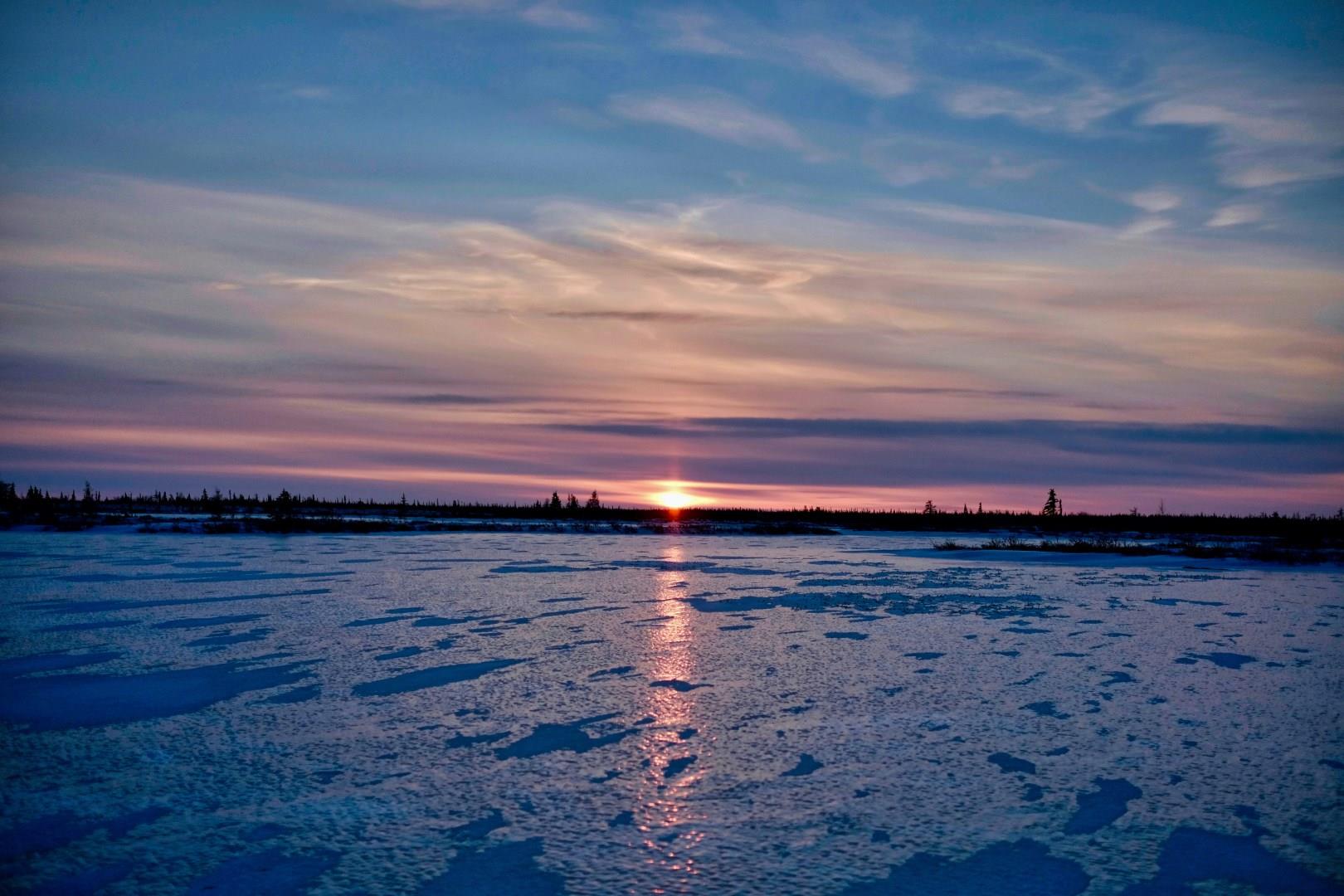
Churchill
Nestled along the shores of Hudson Bay in northern Manitoba, Churchill is a unique and captivating destination known for its remarkable wildlife and rugged beauty. Often referred to as the "Polar Bear Capital of the World," Churchill offers an unparalleled opportunity to witness these majestic creatures in their natural habitat. Each year, visitors flock to the town from October to November for the polar bear viewing season, when the bears migrate along the coast waiting for the bay to freeze.
