
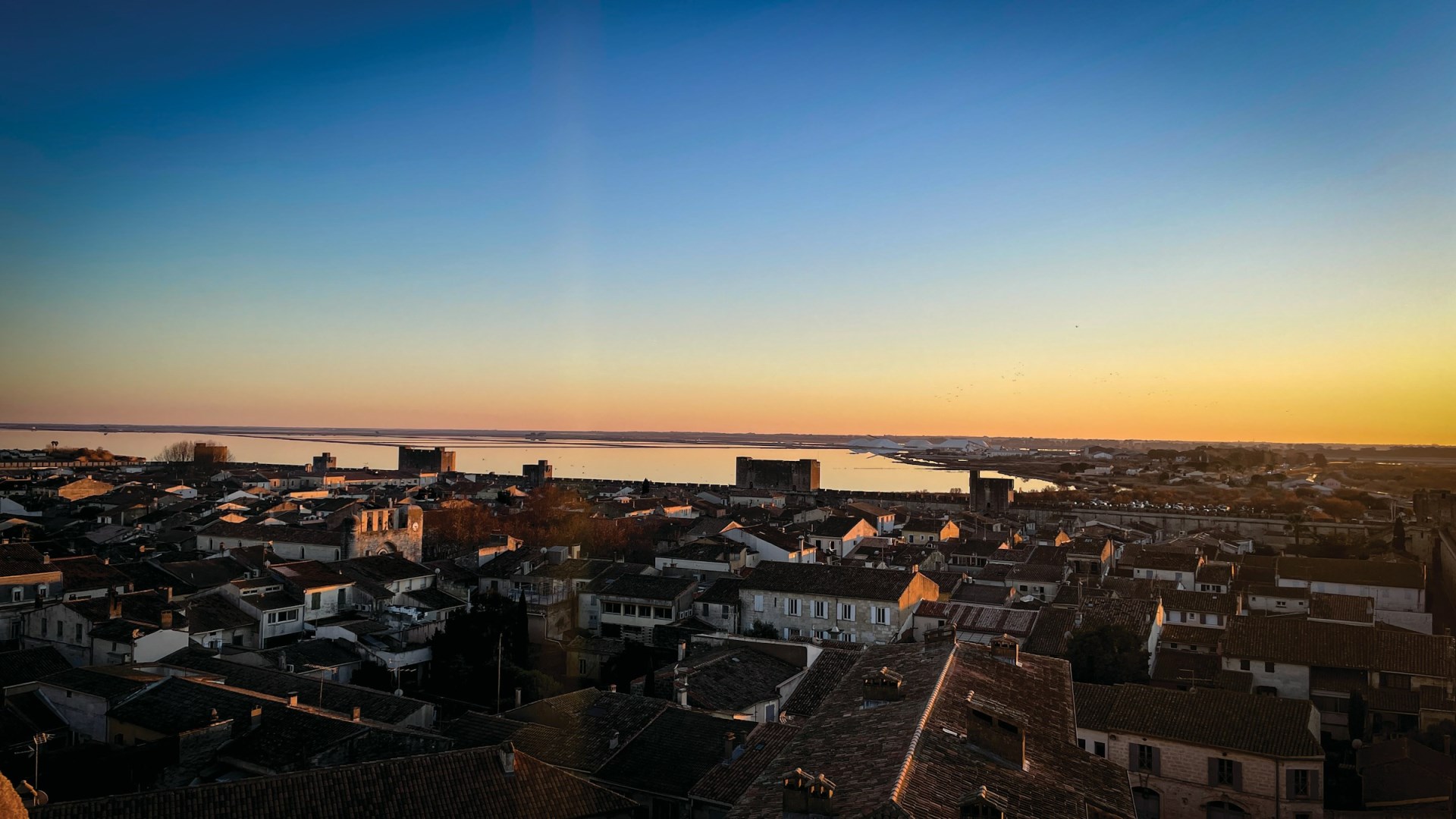
Aigues-Mortes
Aigues-Mortes is a fortified medieval town in the Camargue gardoise of southern France, surrounded by salt marshes, lagoons, and flat coastal plains. Its remarkably preserved stone walls enclose a compact historic centre of narrow streets, small squares, cafés, and historic buildings. The town's name means “dead waters,” reflecting the marshy landscape around it.
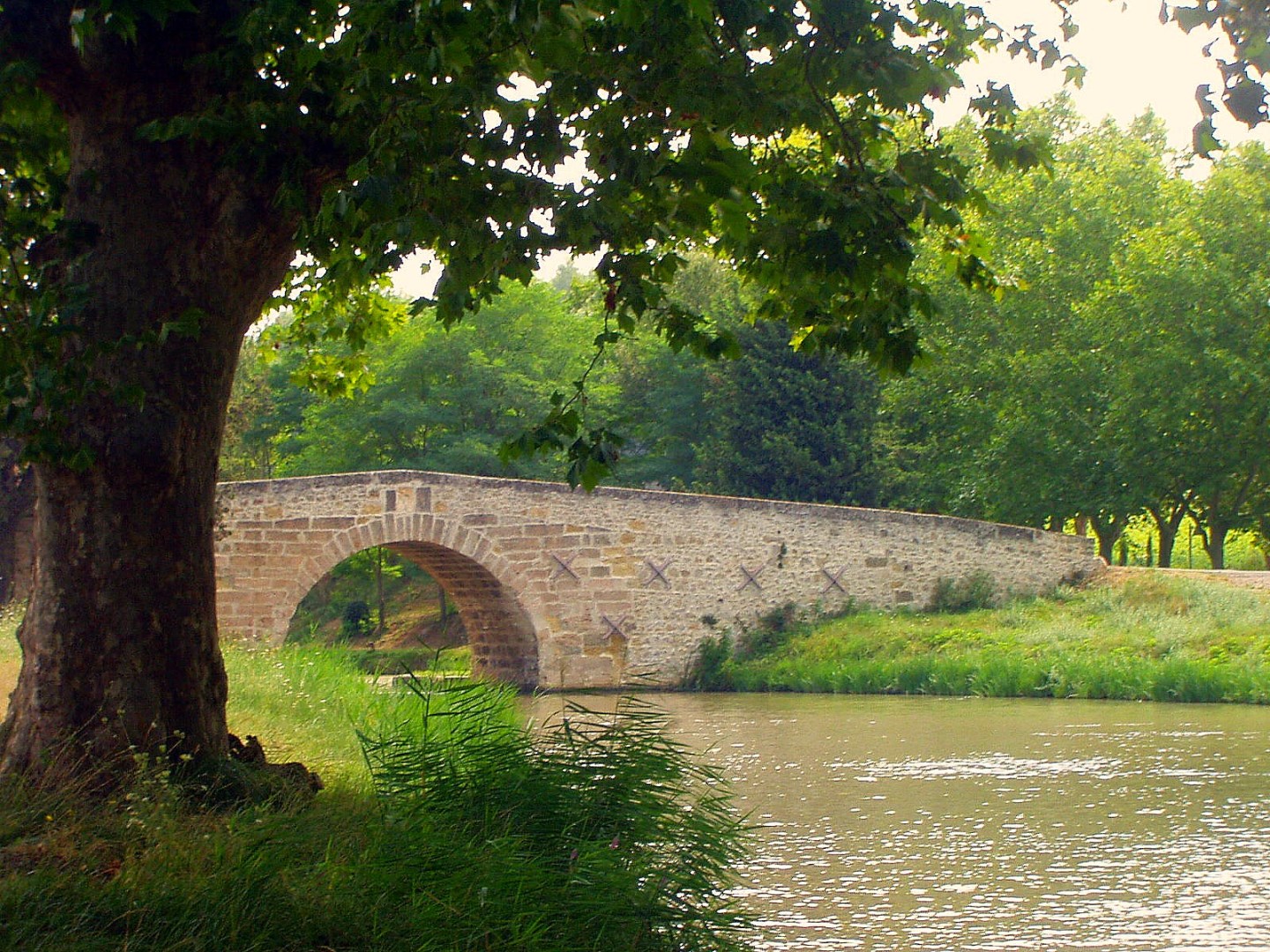
Capestang
Capestang sits beside the Canal du Midi, surrounded by vineyards and marked by the soaring Collégiale Saint-Étienne. Its medieval heritage, canal port and nearby Étang de Capestang give the village a strong identity rooted in water, wine and local history.
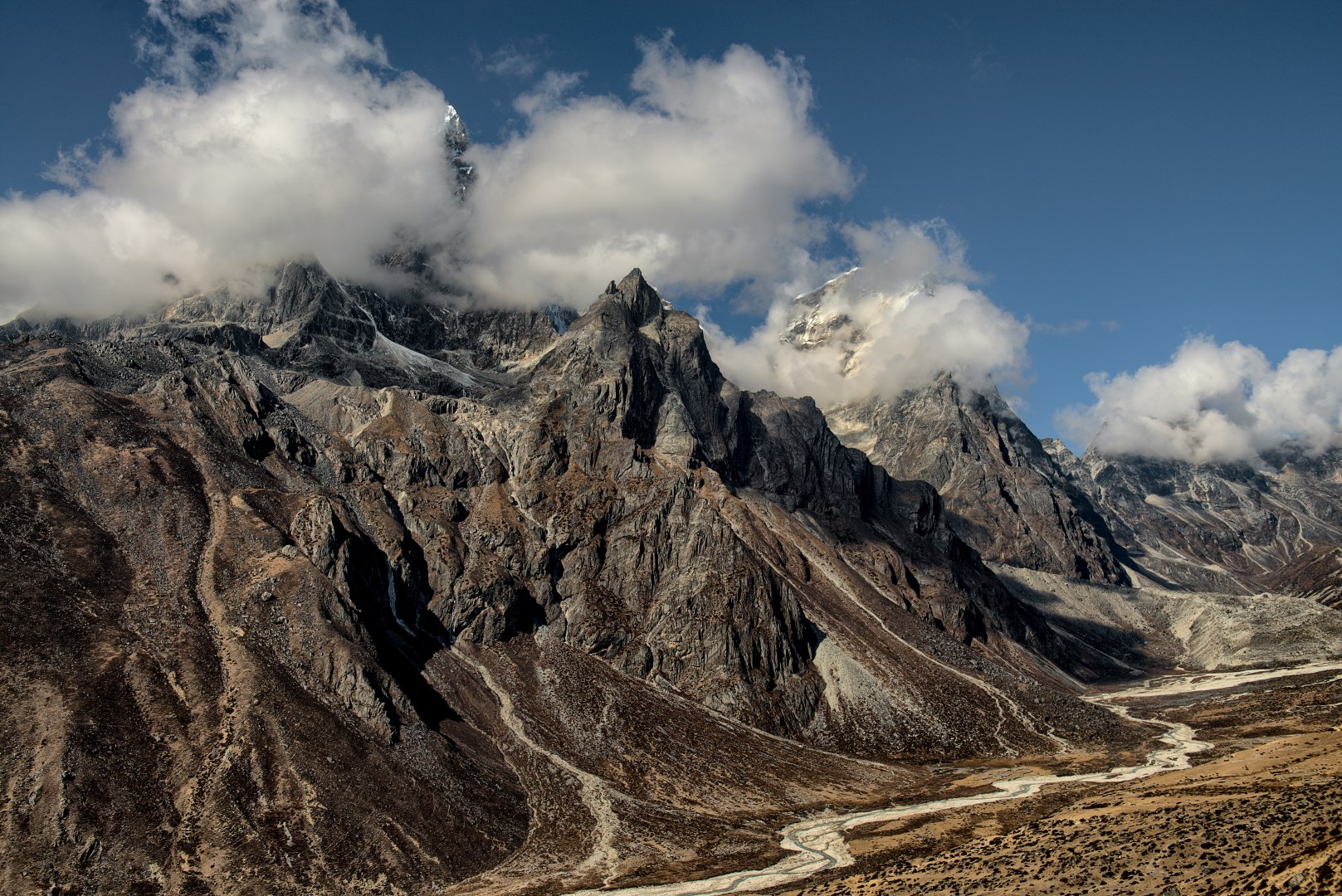
Lobuje
High in the Khumbu region, Lobuche sits in a stark alpine setting along the trail toward Mount Everest. Surrounded by rocky terrain and glacial formations, the village stands close to the Khumbu Glacier, where the landscape shifts into shades of gray, white, and deep blue. The air here is thin and crisp, and the silence is often broken only by the wind moving across the valley.
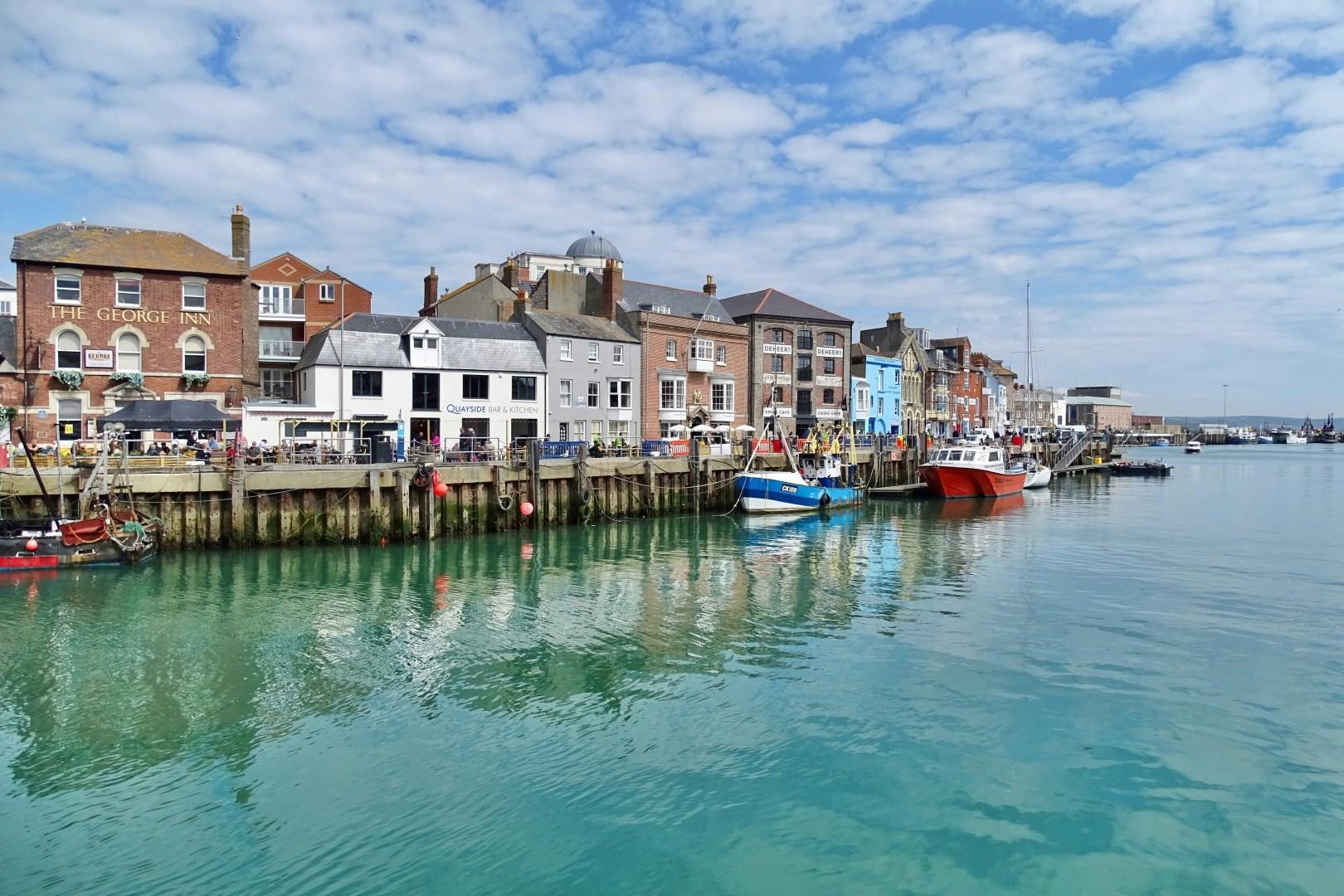
Weymouth
Weymouth is a seaside town on England’s Jurassic Coast, where a long tradition of maritime life meets a relaxed, lived-in shoreline. Its broad sandy beach curves gently around the bay, sheltered by the Isle of Portland, making it one of the south coast’s most approachable places for swimming and coastal walks.
Ascension
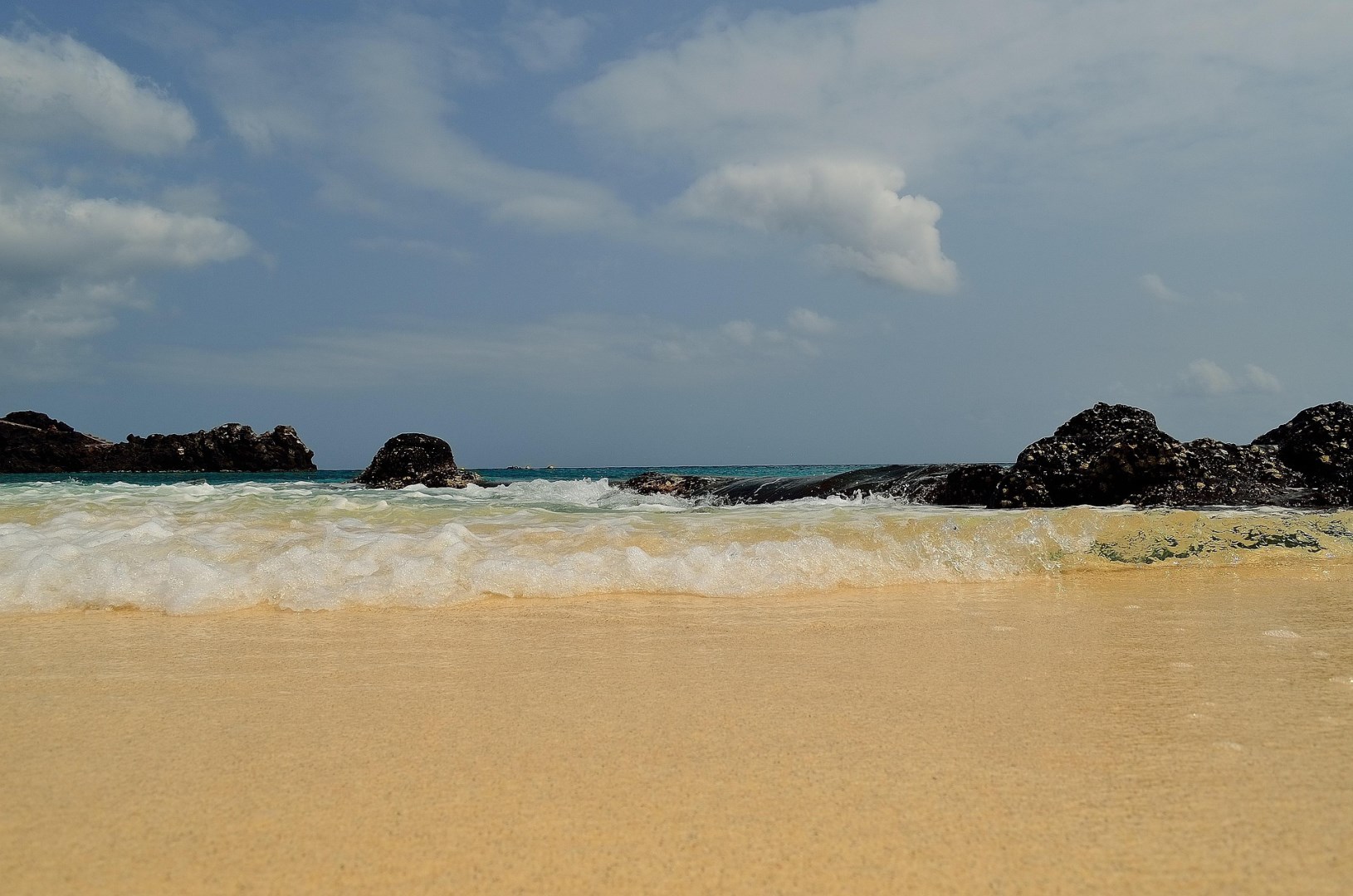
Ascension island, British dependency of St. Helena, in the South Atlantic Ocean, about midway between Africa and South America and 700 miles northwest of St. Helena. The small, volcanic island was sighted by the Portuguese in 1501, but it was uninhabited until the exile of Napoleon to St. Helena in 1815.
