
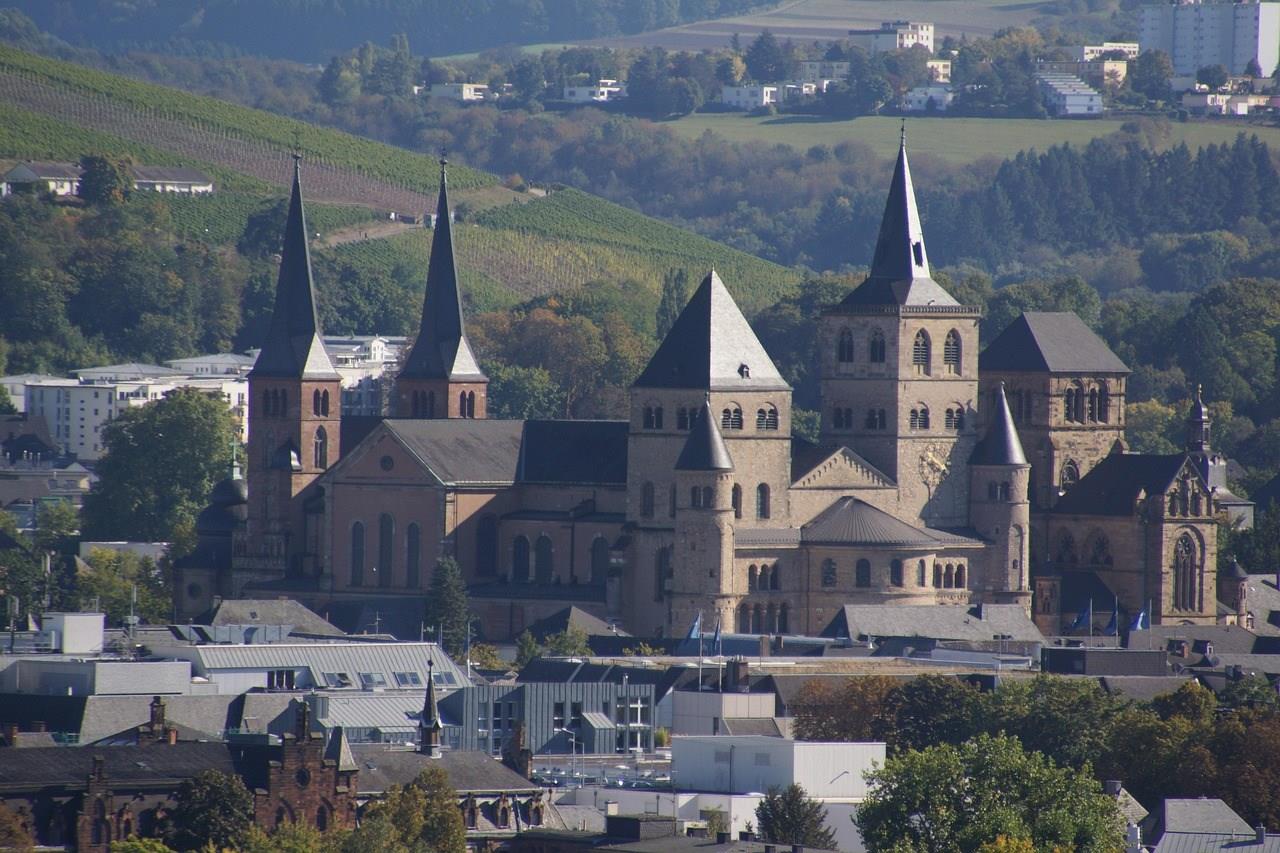
Trier
Trier, Germany’s oldest city, is a living museum nestled in the Moselle Valley, where Roman ruins rise beside medieval churches and bustling market squares. Founded by the Romans in 16 BCE, Trier was once known as “Roma Secunda,” the second Rome, and still boasts the largest collection of Roman architecture north of the Alps. The Trier Cathedral (Dom St. Peter), which is a UNESCO World Heritage Site, is the oldest church in Germany and houses a relic said to be the Holy Robe of Christ.

Saint John
Saint John is a culturally-rich seaport city on New Brunswick's Bay of Fundy. History and natural wonders combine to make this locale a hidden Canadian gem.
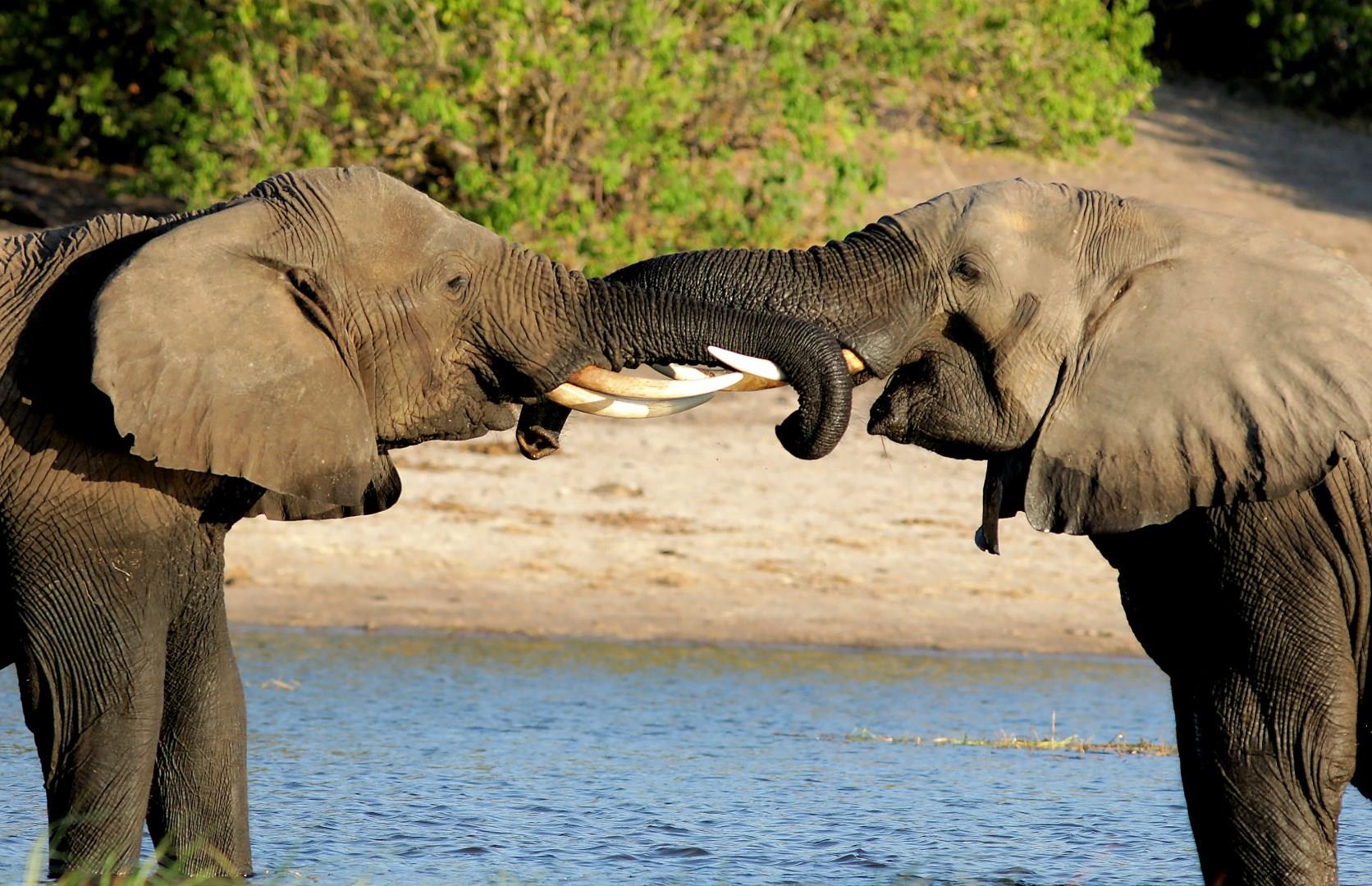
Kasane
Kasane sits at Botswana’s northeastern edge, where the Chobe River meets the borders of Namibia, Zambia, and Zimbabwe. Its development is closely tied to river transport, regional trade, and wildlife management.

Kruger National Park
Kruger National Park, located in northeastern South Africa, is one of the world’s premier wildlife reserves and a cornerstone of African conservation. Established in 1898, it spans nearly 20,000 square kilometers, making it larger than many countries.

Fez
A series of gates surrounds the two centers of ancient, medieval Fez (sometimes spelled Fes). The principal axes link the center to the gates and a street surrounds the heart of the old city. The Kairouan quarter, which is longer, is crossed by an artery. Narrow, tortuous pedestrian streets, covered passages, stairs and numerous dead-ends make up the dense layout with few urban squares.
