

Dominica
Dominica, known as the “Nature Island of the Caribbean,” is a haven for eco-tourists and adventure seekers. Nestled between the French islands of Guadeloupe and Martinique, this lush island boasts a remarkable landscape of volcanic mountains, dense rainforests, and stunning waterfalls. Dominica’s most iconic natural wonder is the Boiling Lake, the second-largest hot spring in the world.
Mayarí
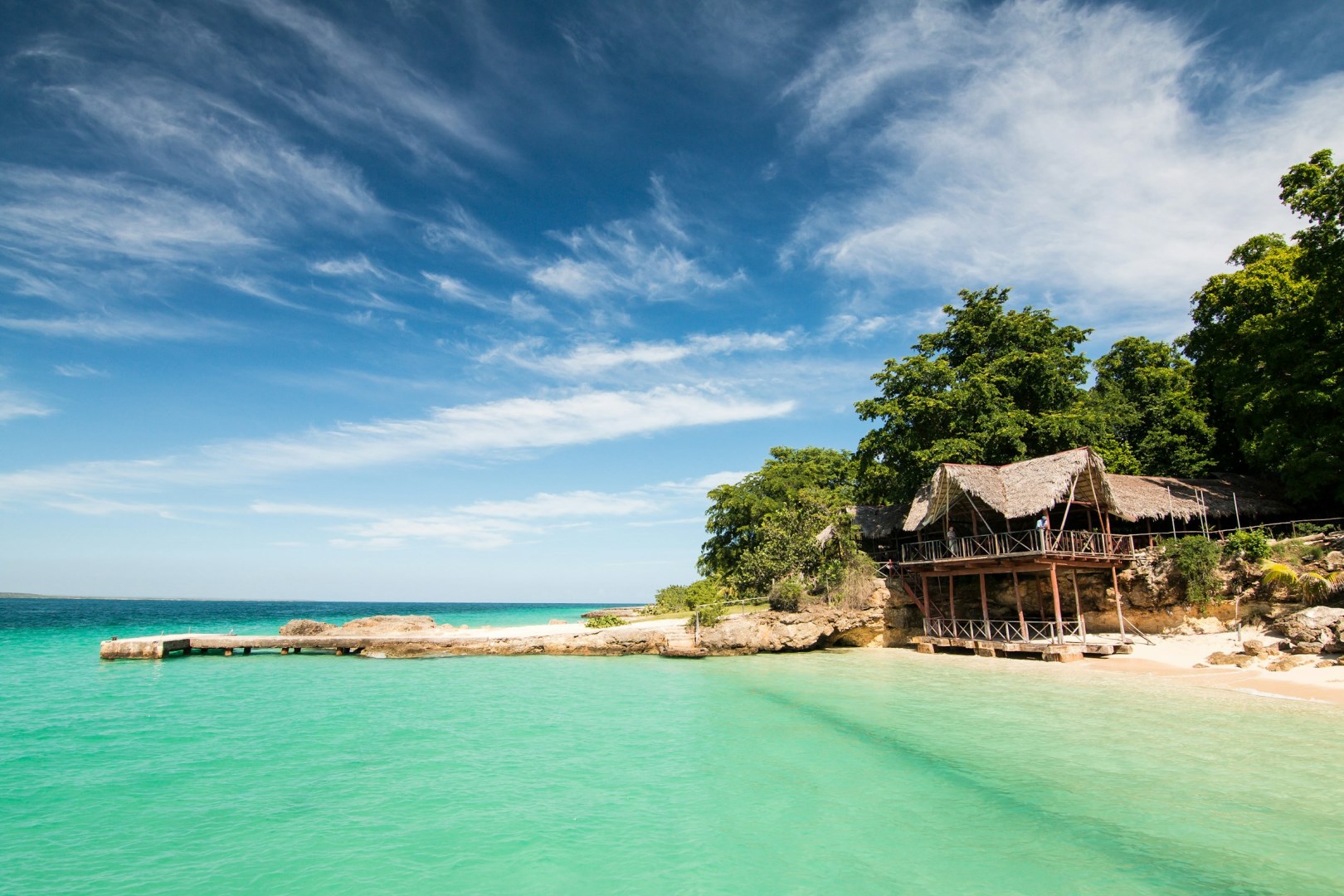
Mayarí is a town and municipality in Holguín Province in eastern Cuba, surrounded by a landscape of low mountains, forests, farmland, and rivers. The municipality extends from inland agricultural areas toward the northern coast, giving it a varied geography that includes the Sierra Cristal and fertile valleys. Mayarí is closely associated with agriculture and the cultivation of sugarcane, coffee, cacao, and other crops, while nearby reservoirs and rivers support farming and local communities.
Cox's Bazar
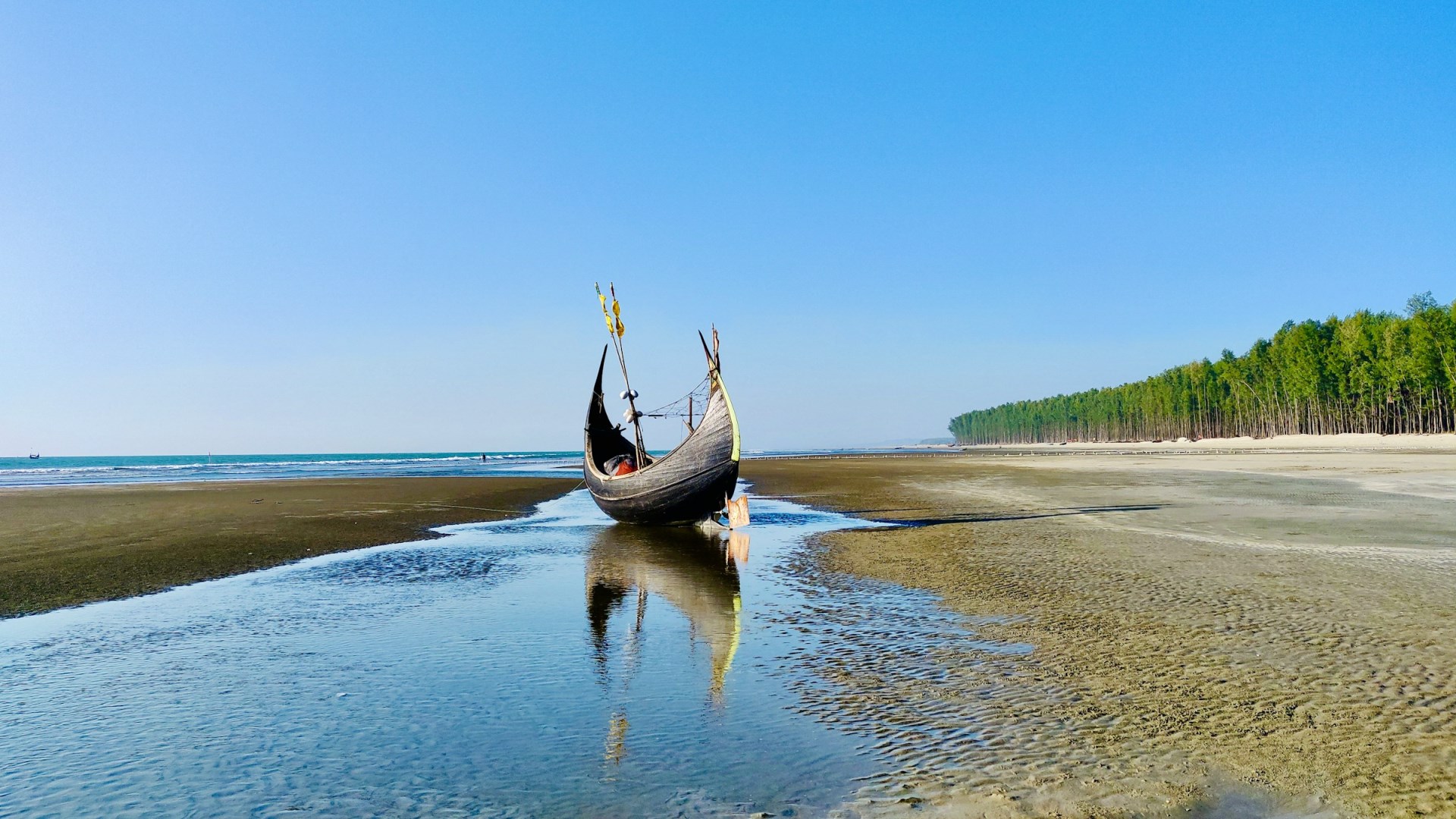
Cox’s Bazar is a coastal city in southeastern Bangladesh, known for its exceptionally long stretch of natural sandy shoreline along the Bay of Bengal. The city functions as a fishing port, tourism center, and regional commercial hub, with the beach extending through a series of coastal communities. Its setting combines open sea, sandy flats, low hills, and nearby forests, while fishing boats and seafood markets remain part of everyday life. The coastline is the main focus of the city, supporting
Rundu
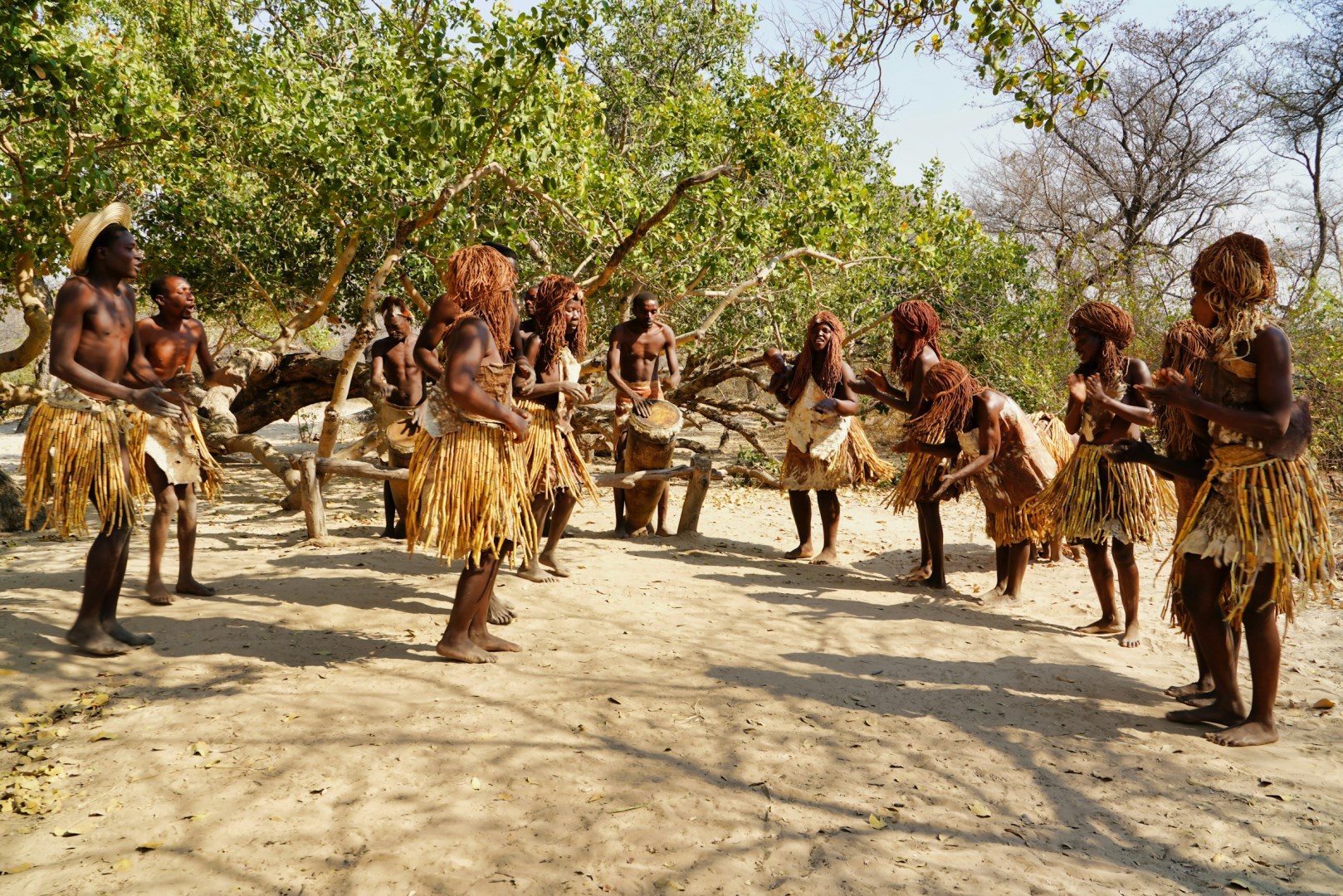
Rundu is the capital of Namibia’s Kavango East Region and a major town on the southern bank of the Kavango River, opposite Angola. Unlike much of Namibia’s dry interior, the area around Rundu is shaped by a permanent river, wooded floodplains, and fertile land used for small-scale agriculture.

Maho Beach
Maho Beach, on the Dutch side of Sint Maarten, is one of the Caribbean’s most thrilling and unconventional beach experiences. Situated directly beside Princess Juliana International Airport, the beach is world-famous for its low-flying airplanes that descend just overhead before landing.
