

Tunis
Tunis' white-washed, blue-shuttered buildings hide a treasure trove of Arabic and Ottoman art. Inspect illuminated manuscripts from the Koran, follow the twists and turns of the fascinating old Medina (inner city), marvel at the ornate Palace of Dar Ben Abduallah and the magnificent Djamaa-Ez-Zitouna Mosque, whose 184 columns were "recycled" from the rocky ruins of Carthage.

Kotor
This coastal town in Montenegro is part of the World Heritage Site dubbed the Natural and Culturo-Historical Region of Kotor. It holds several summer events, such as the Summer Carnival or Bokeljska Noc. One of the most notable and charming aspects of the town is the large population of cats that have become a symbol of the city.
Vicenza
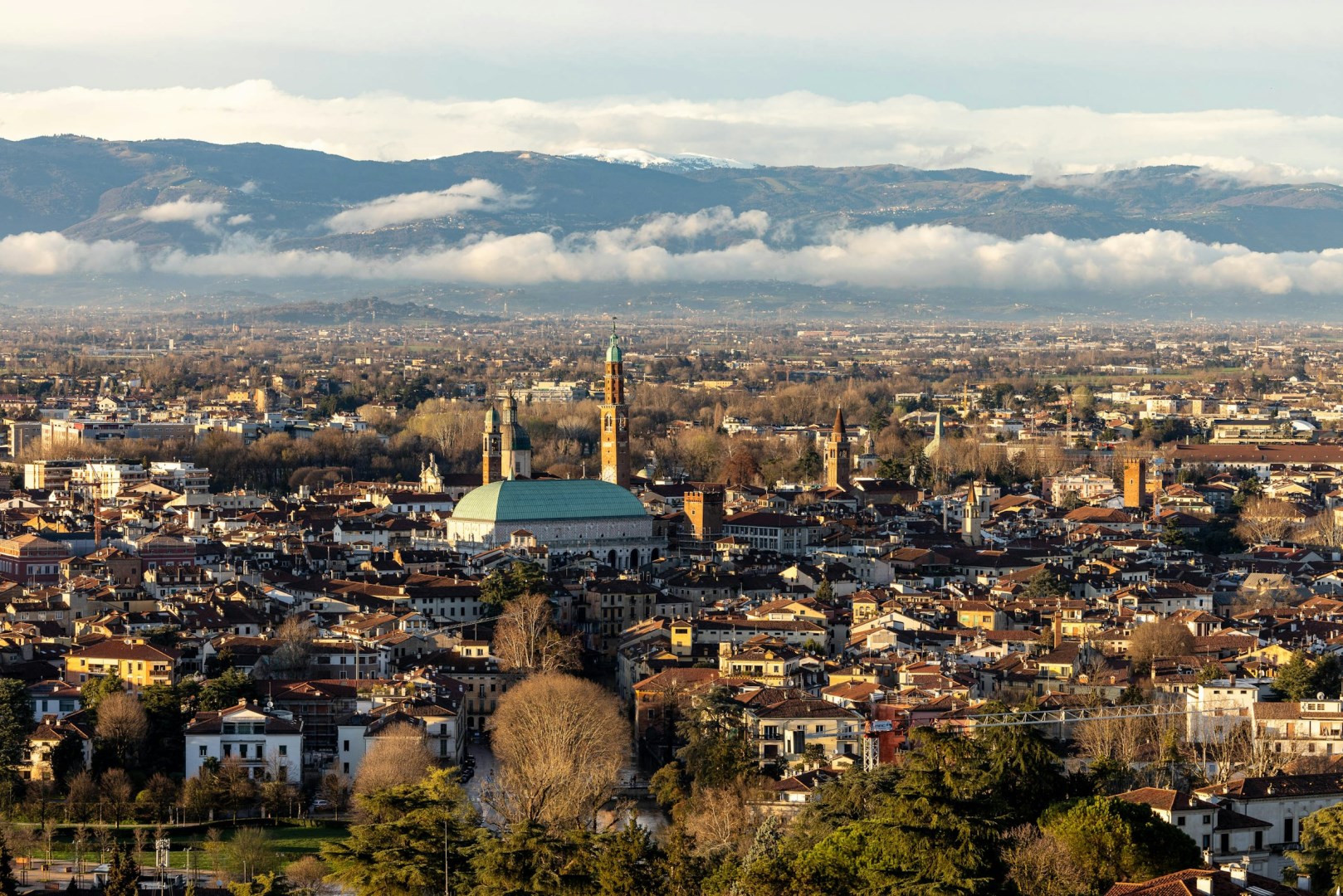
A little overshadowed by its close vicinity to such cities as Venice and Verona, Vicenza is known as a provincial city, tied up to the secular tradition of religiosity and conservatism, but also animated by an industriousness that has favored the development of great industries and innovative productive trends.
Lower Zambezi National Park
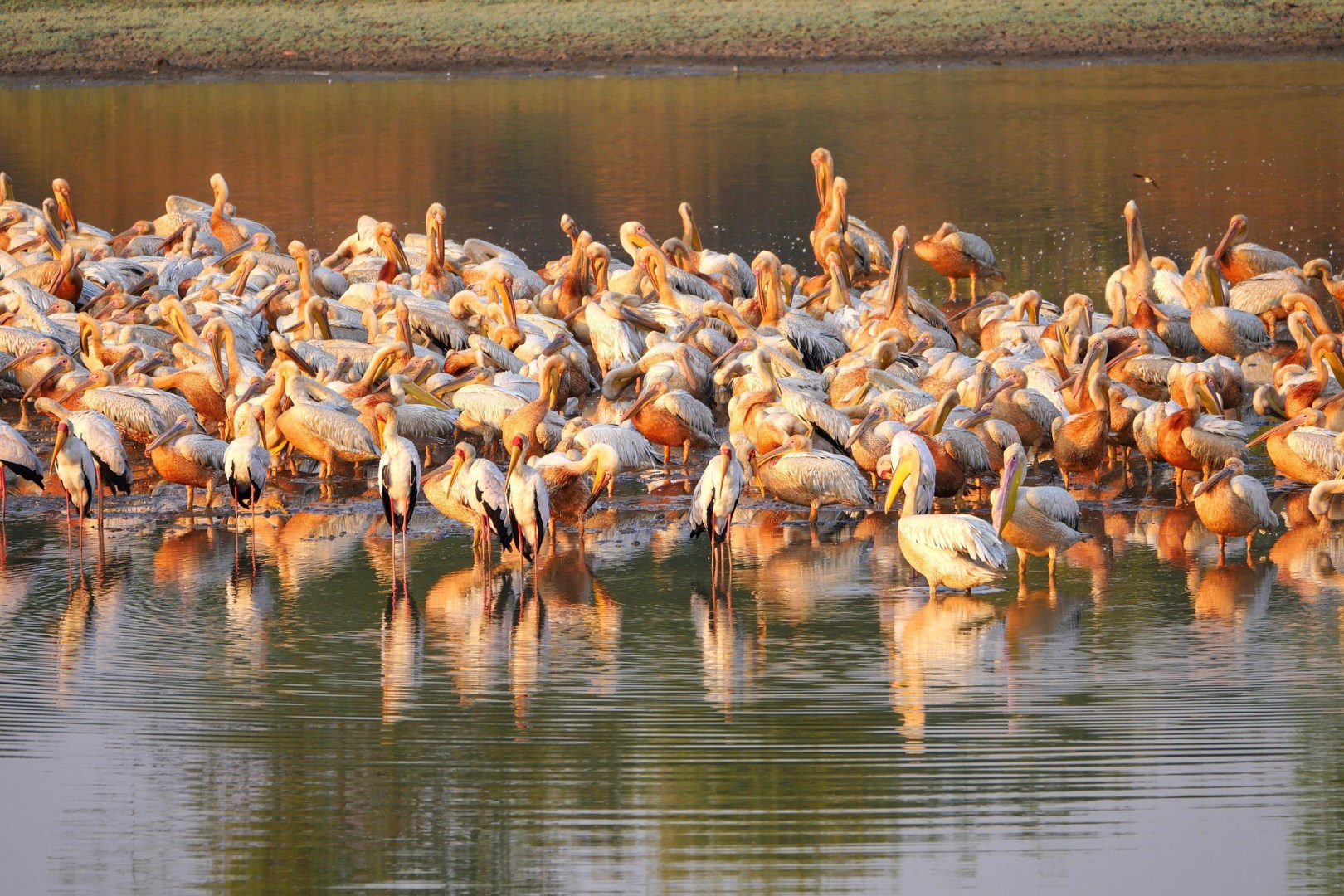
Lower Zambezi National Park is a protected area in eastern Zambia, lying along the northern bank of the Zambezi River opposite Zimbabwe’s Mana Pools. The park covers a broad area of woodland, open grassland, riverine forest, lagoons, and seasonal floodplains. The Zambezi is central to the landscape, providing water for wildlife and shaping habitats along the park’s southern boundary.
Bled
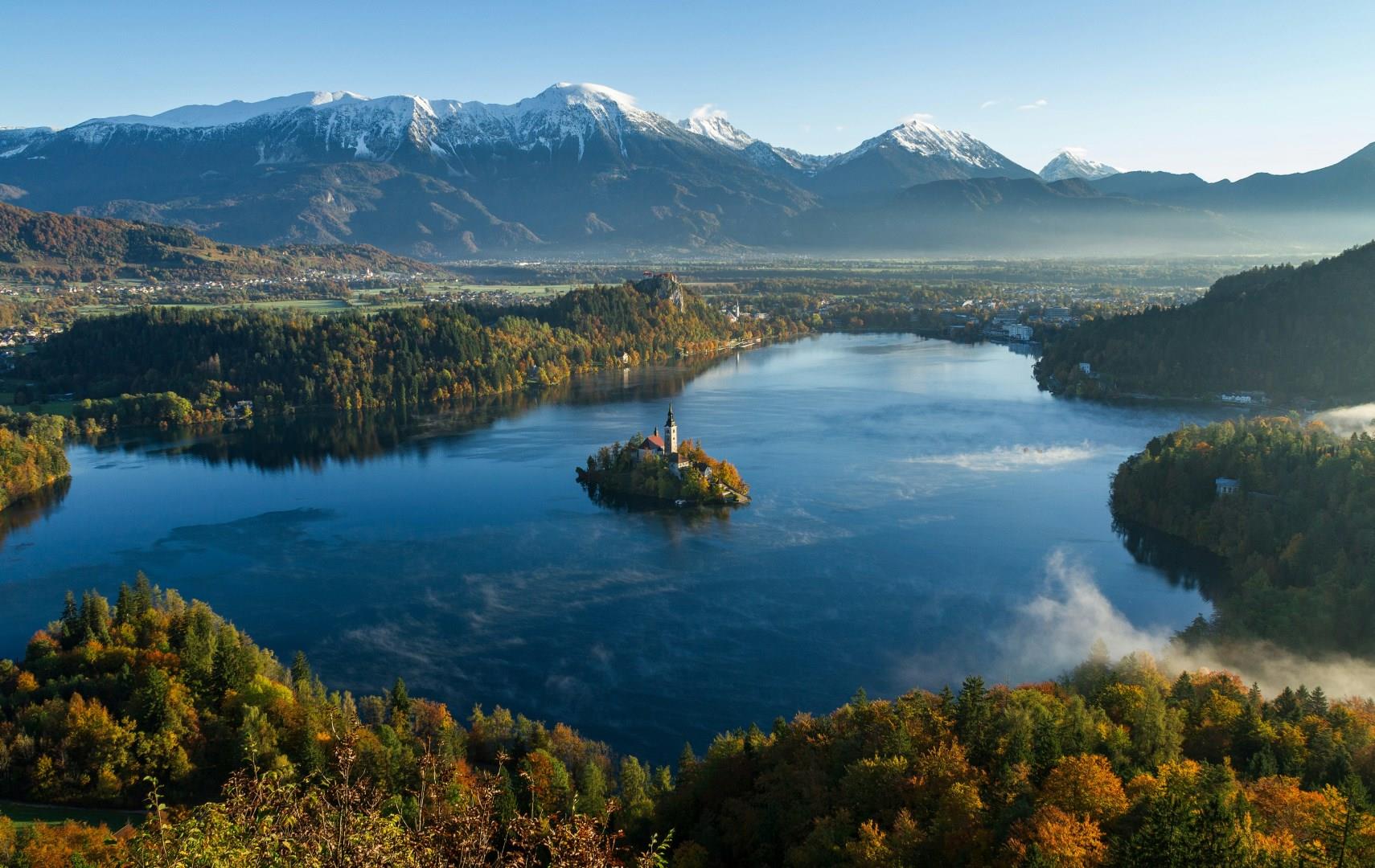
Bled, a small town in northwestern Slovenia, has gained international attention thanks to its lake, which features a lone island topped with a baroque church. Visitors often take traditional wooden boats called pletna to reach the island, where it's customary to ring the church bell and make a wish. According to local legend, the bell was originally cast in memory of a young widow’s lost husband, and today, its chime echoes across the lake as a symbol of devotion and hope.
