

Stykkishólmur
Nestled on the northern coast of Iceland's Snæfellsnes Peninsula, Stykkishólmur is a charming coastal town known for its scenic beauty and maritime heritage. Often referred to as the gateway to the Westfjords, Stykkishólmur is the ideal base for exploring the stunning landscapes of this less-traveled part of Iceland. The town's picturesque harbor, lined with colorful houses and fishing boats, offers a quintessential Icelandic coastal experience.
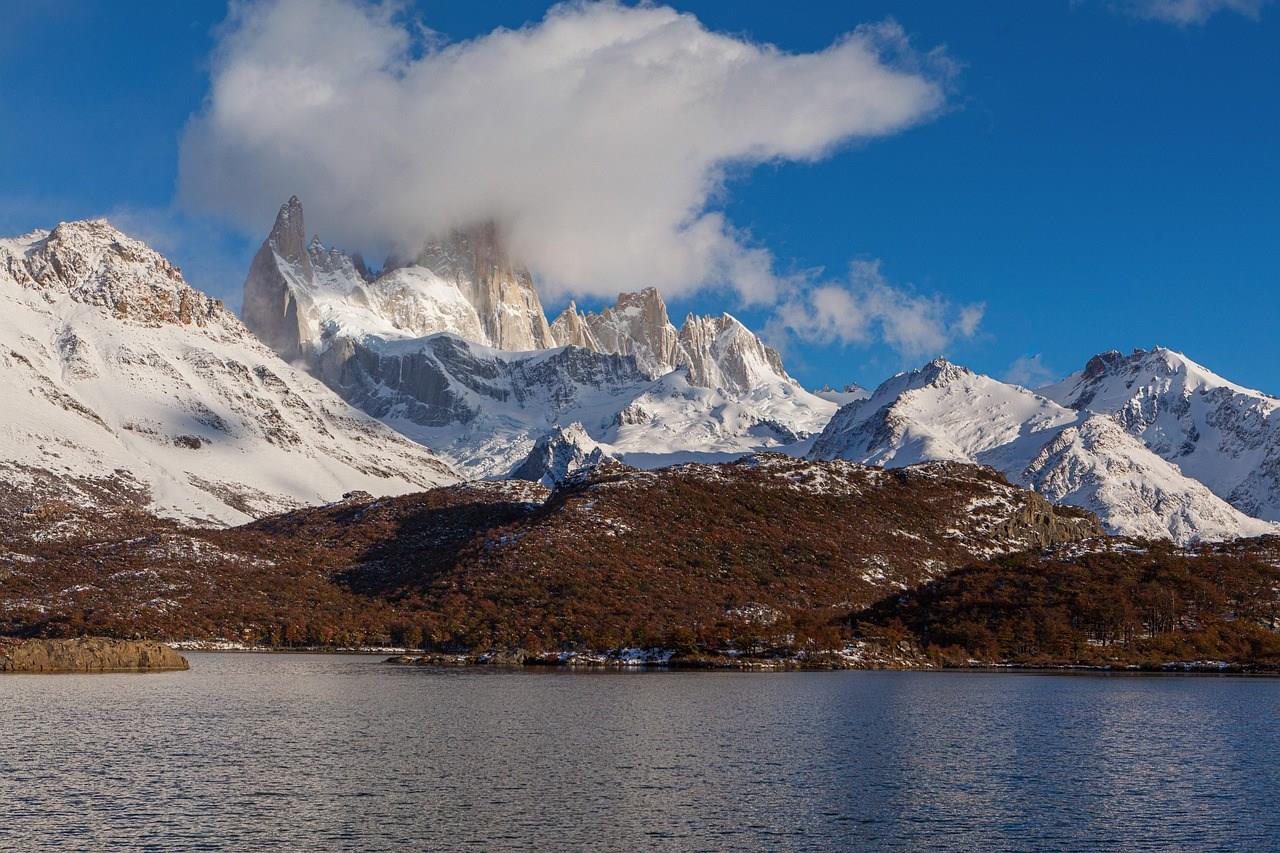
El Chaltén
El Chaltén sits at the edge of Los Glaciares National Park in Argentina’s Patagonia region, framed by the iconic peaks of Cerro Fitz Roy and Cerro Torre. Its remote location beside the Río de las Vueltas makes it a gateway to dramatic landscapes of granite spires, glacial streams and wide steppe plains.
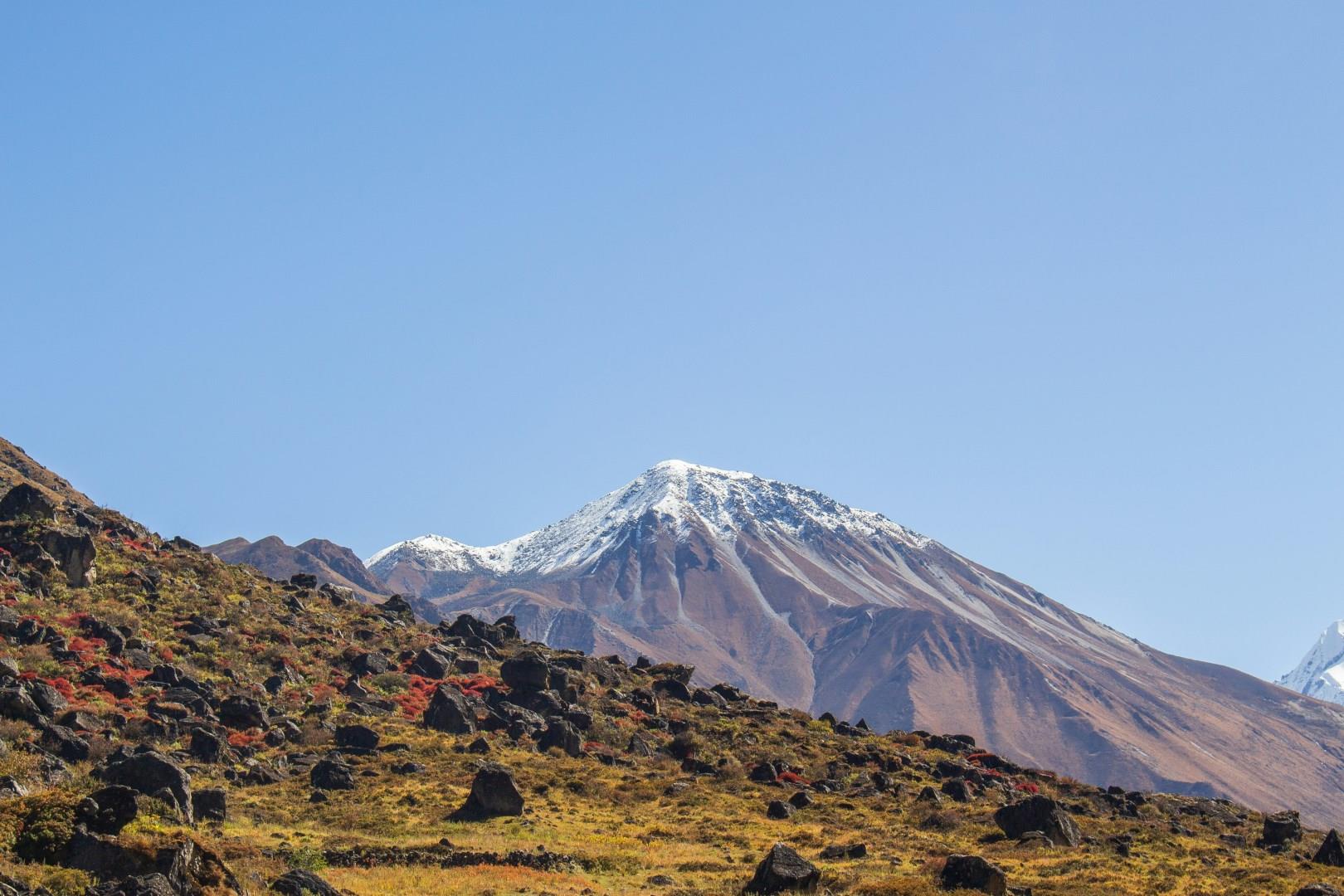
Langtang National Park
Langtang National Park lies just north of Kathmandu, yet it feels far removed from the city’s pace. As Nepal’s first Himalayan national park, it stretches from lush river valleys to high alpine ridges close to the Tibetan border. Snow-covered peaks such as Langtang Lirung rise above forests of oak, maple, and rhododendron, creating dramatic shifts in scenery over short distances.

Zagreb
Zagreb, the vibrant capital of Croatia, is a city where history, culture, and a youthful spirit collide in an unforgettable way. Wander through the cobblestone streets of the Upper Town (Gornji Grad) and marvel at its medieval architecture, such as the iconic St. Mark's Church, known for its colorful tiled roof depicting the coat of arms of Zagreb and the Kingdom of Croatia.
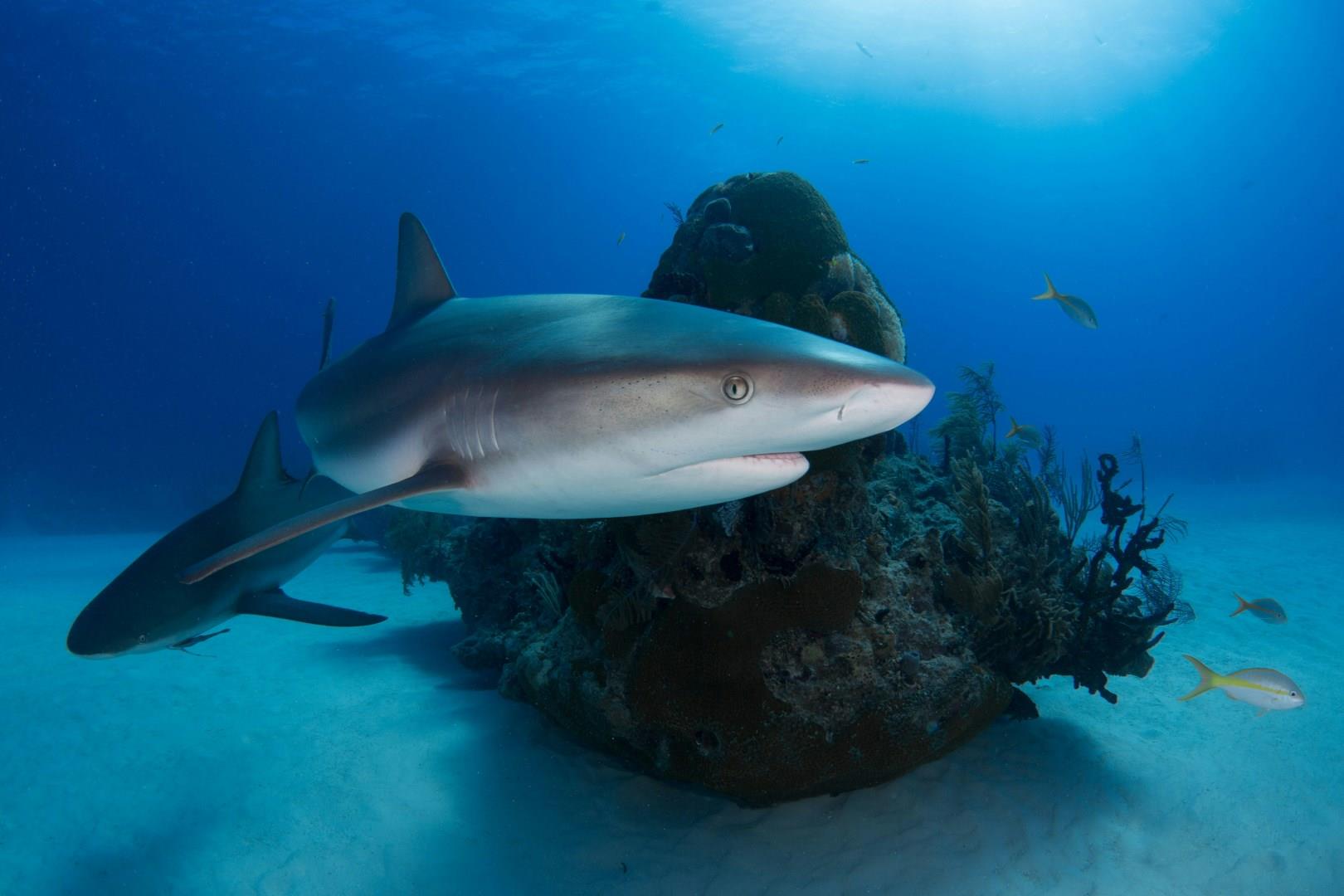
Grand Bahama Island
One of the most beautiful islands in the Bahamas, Grand Bahama Island is home to the renowned capitol city of Freeport/Lucaya. Grand Bahama Island offers lovely beaches, three national parks, a variety of natural wonders including an extensive system of underwater caves, and a vast array of marine life. The towns on the island range from the small and peaceful to the resort-filled city with its casinos and Bahamas entertainments.
