
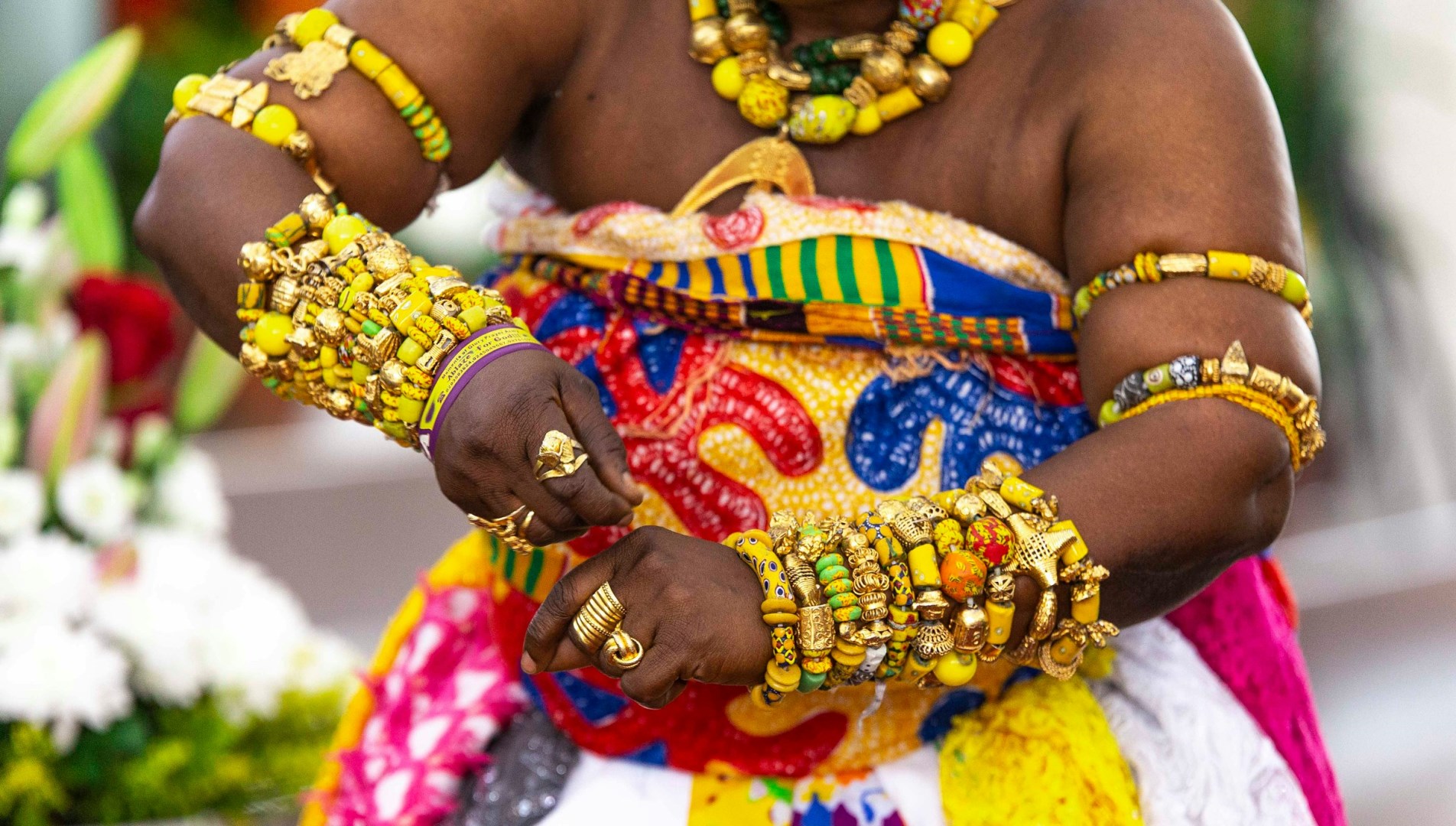
Kumasi
Kumasi is the capital of Ghana’s Ashanti Region and one of the country’s main cultural centers. Often called “Oseikrom” by locals, the city is closely connected to the traditions of the Ashanti Kingdom and remains an important place for trade, ceremonies, and craftsmanship.
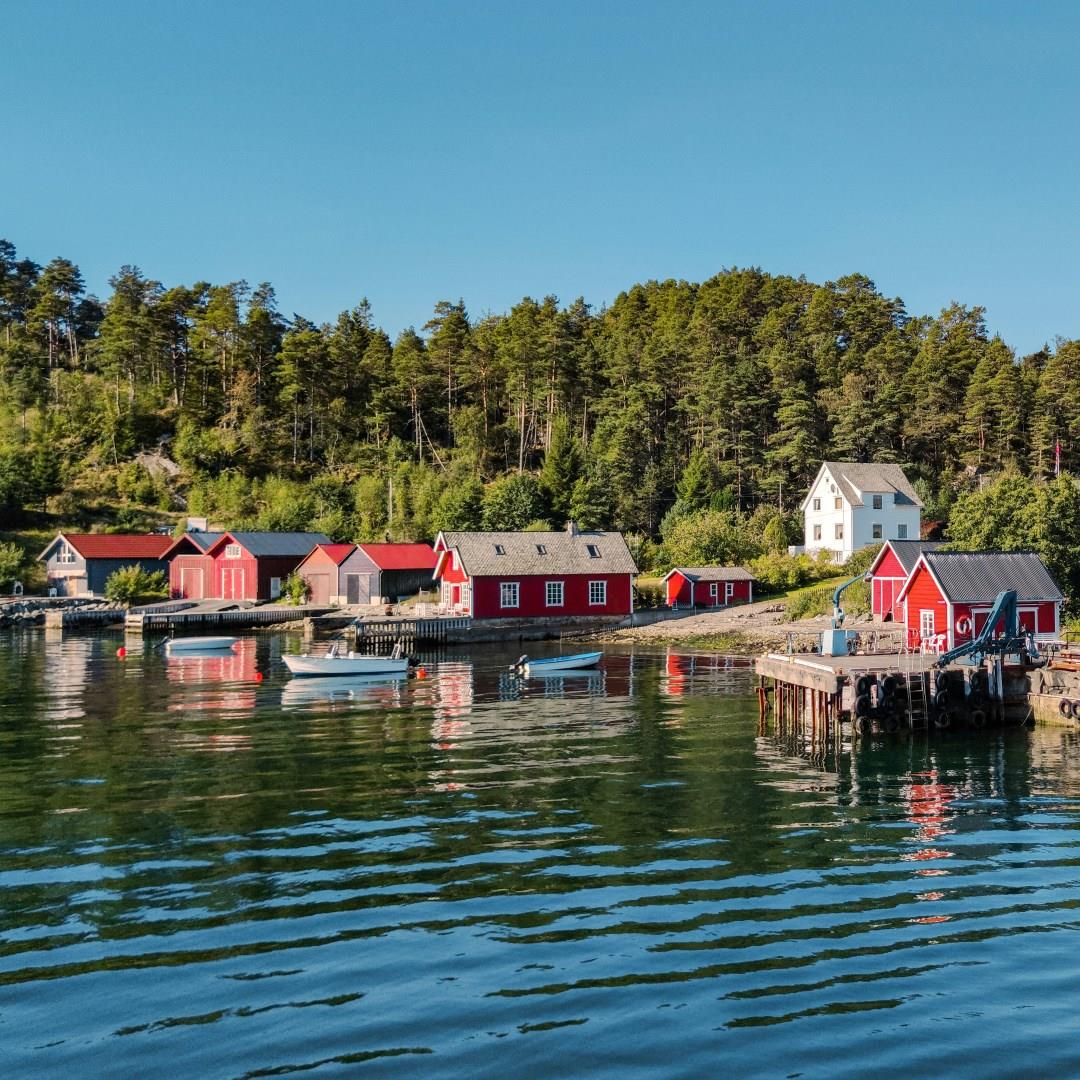
Hardangerfjord
Hardangerfjord is one of Norway’s most iconic fjords, stretching over 170 kilometers through western Norway and surrounded by steep mountains, waterfalls, and orchards. Historically, the fjord has been central to regional life, providing a transportation route for fishing, trade, and fruit cultivation. Its combination of natural grandeur and human activity has shaped a landscape that is both dramatic and lived-in.
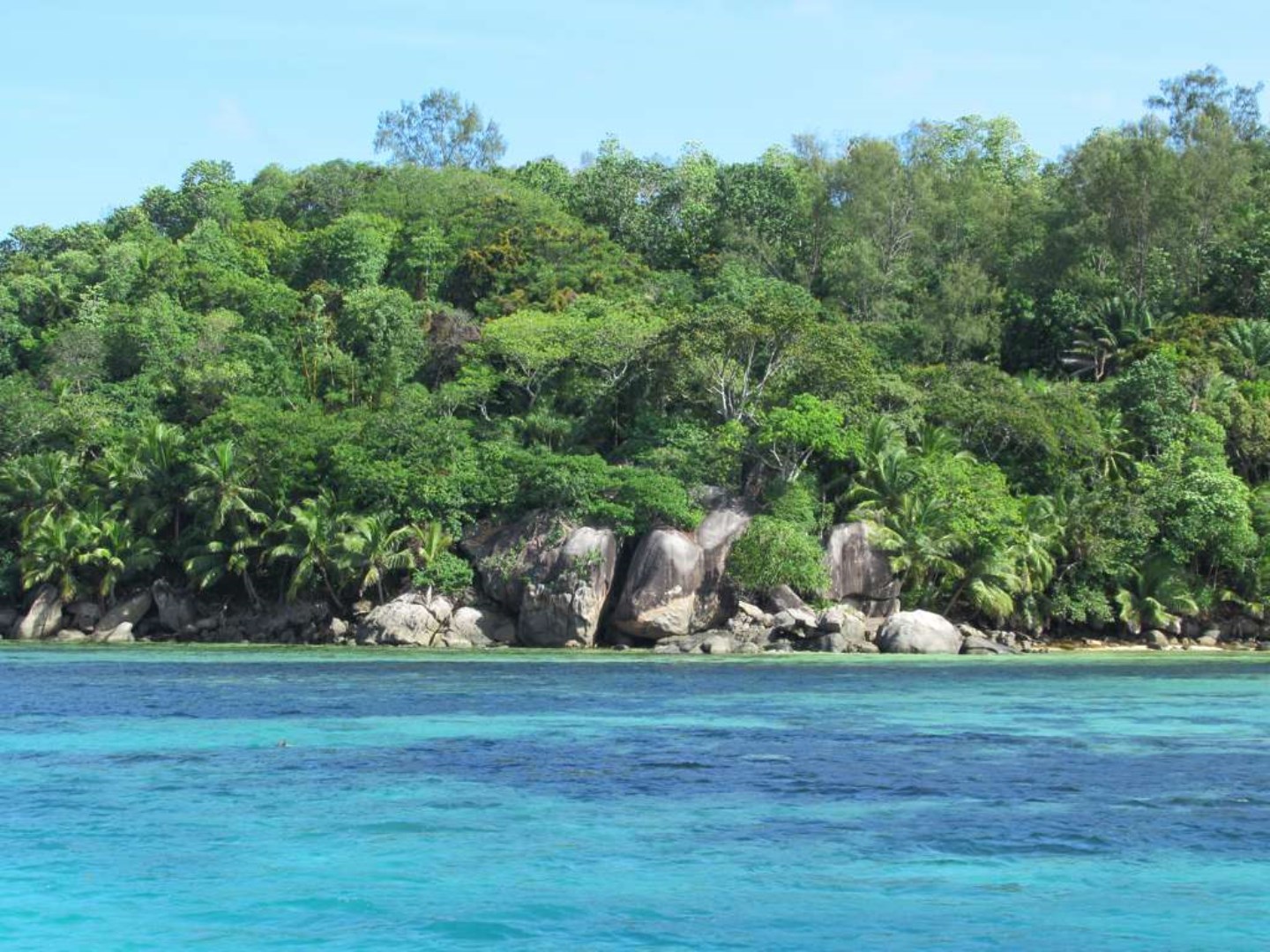
Moyenne Island
Moyenne Island, part of the Sainte Anne Marine National Park in the Seychelles, offers a delightful escape into a tropical paradise. Situated just a short boat ride from Mahé, the largest island in the Seychelles, Moyenne is known for its lush greenery, secluded beaches, and abundant wildlife.
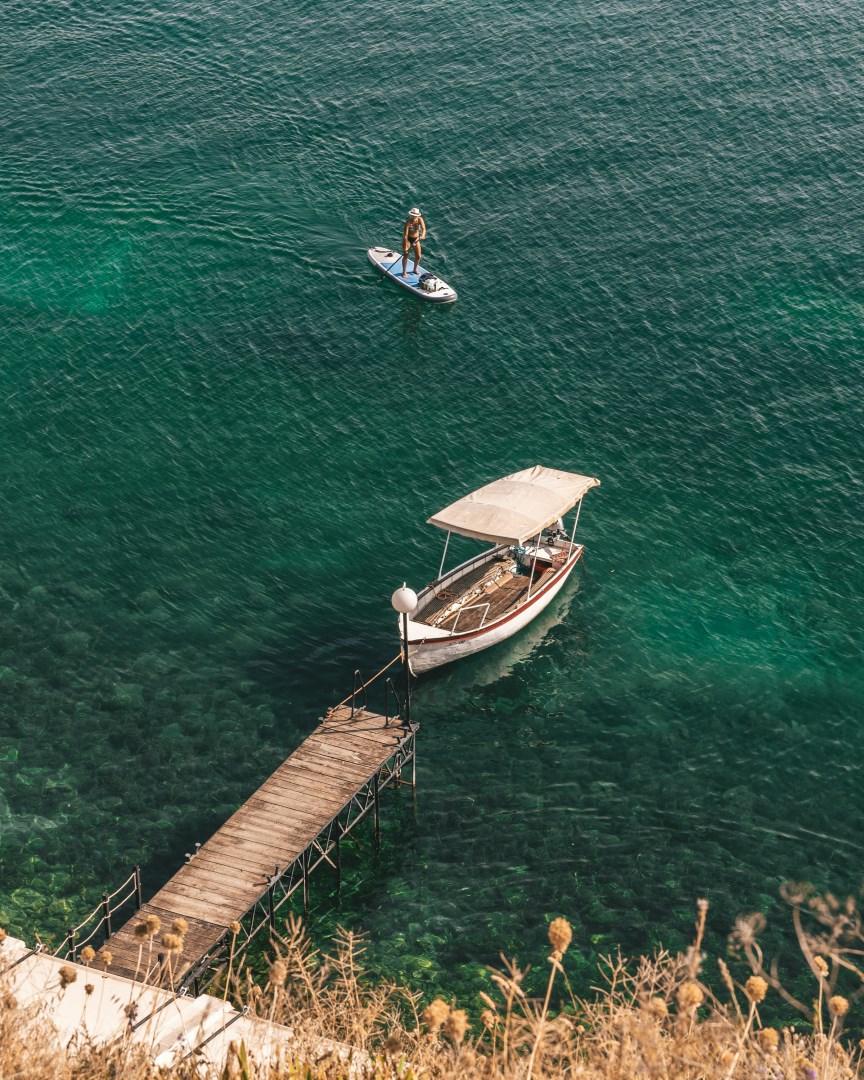
Lake Ohrid
Lake Ohrid, a natural tectonic lake in the south-west corner of Macedonia, is the oldest lake in Europe and one of the oldest lakes in the world. Formed tectonically between four and ten million years ago, the lake is situated in limestone bedrock. Nestled amid mountains at an altitude of 2290 feet, the lake offers striking vistas of the surrounding beach and hills.
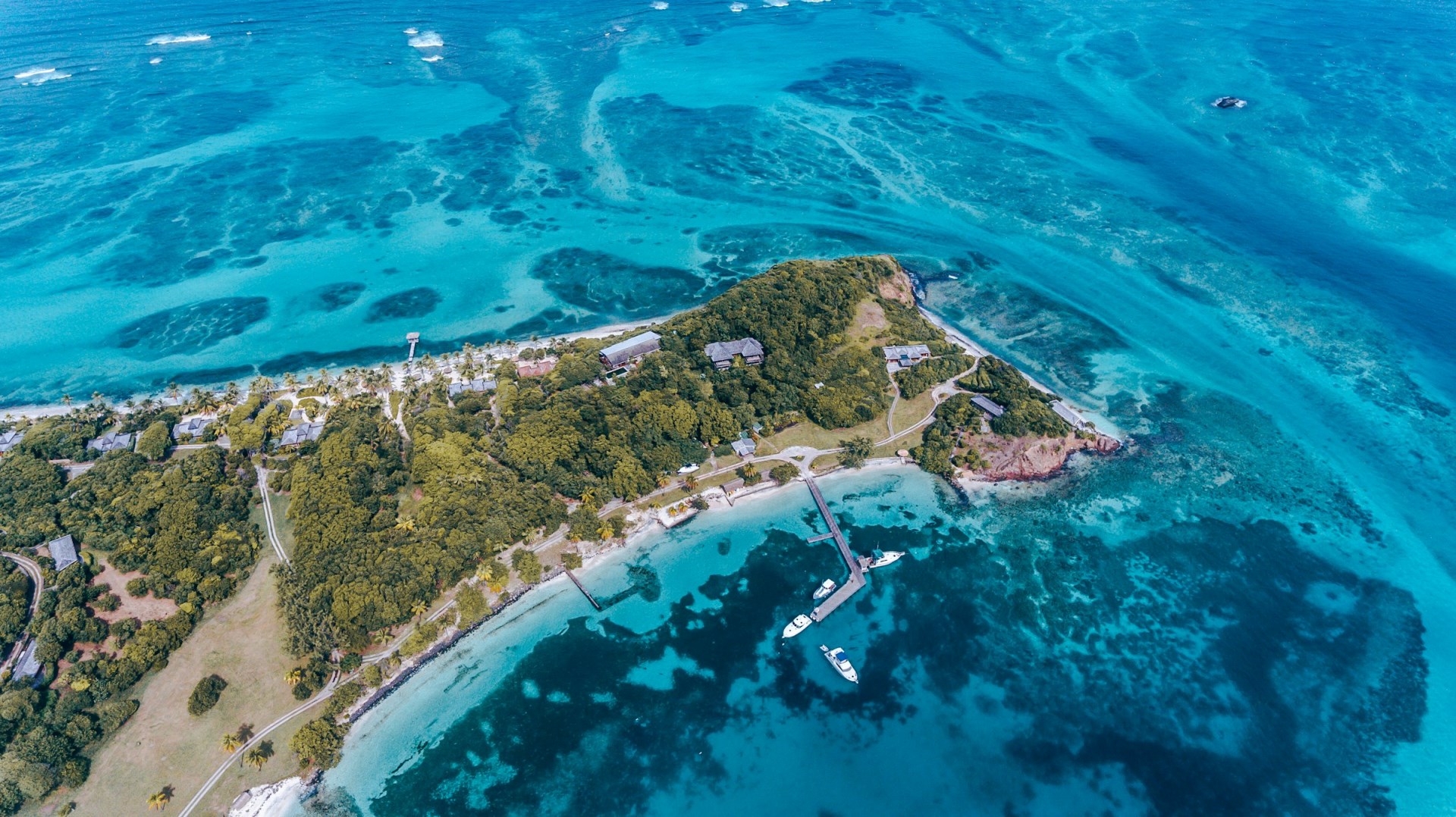
Petit Saint Vincent
Petit Saint Vincent is a small private island in the southern Grenadines, located south of the larger island of Canouan and close to the Tobago Cays. The island covers roughly 115 acres and is characterized by low hills, rocky headlands, sandy coves, and clear Caribbean waters. Much of the island remains undeveloped outside its small resort, with footpaths connecting beaches and viewpoints rather than roads carrying regular traffic.
