

Albania
Albania offers travelers a surprising and diverse experience shaped by centuries of influence. Visitors can explore the ancient city of Butrint, a UNESCO World Heritage Site with Greek, Roman, Byzantine, and Venetian ruins set against a lagoon. In Berat and Gjirokastër stone houses stack along steep hillsides, giving visitors the sense of walking through a living museum. These towns offer an authentic window into daily Albanian life.
Grindelwald
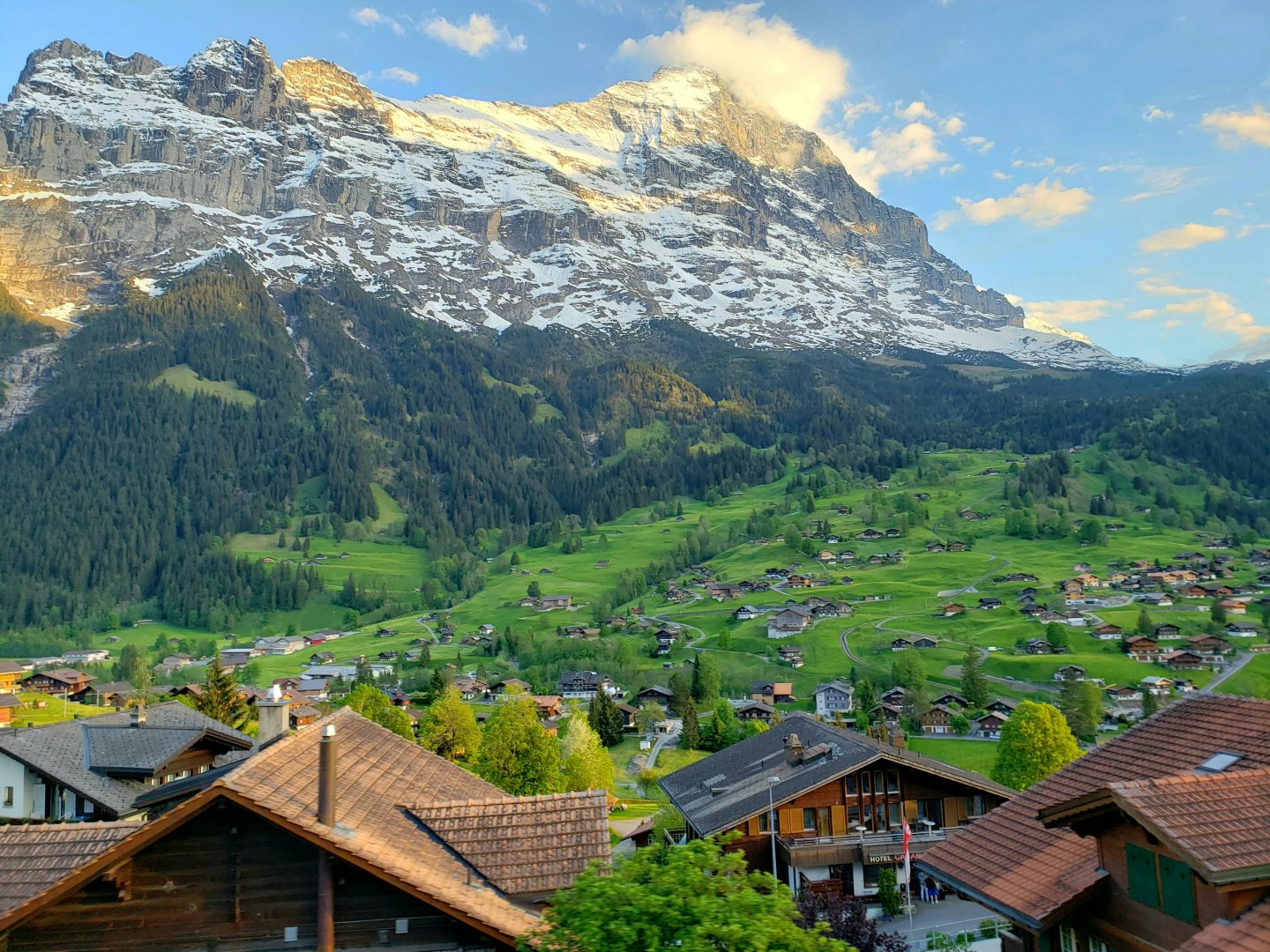
Set in a wide alpine valley beneath the north face of the Eiger, Grindelwald has long been a place where mountain life and mountaineering history intersect. The village grew from a farming settlement into one of Switzerland’s earliest alpine tourism hubs in the 19th century, when climbers, writers, and scientists arrived to study—and attempt—the surrounding peaks.
Alkmaar
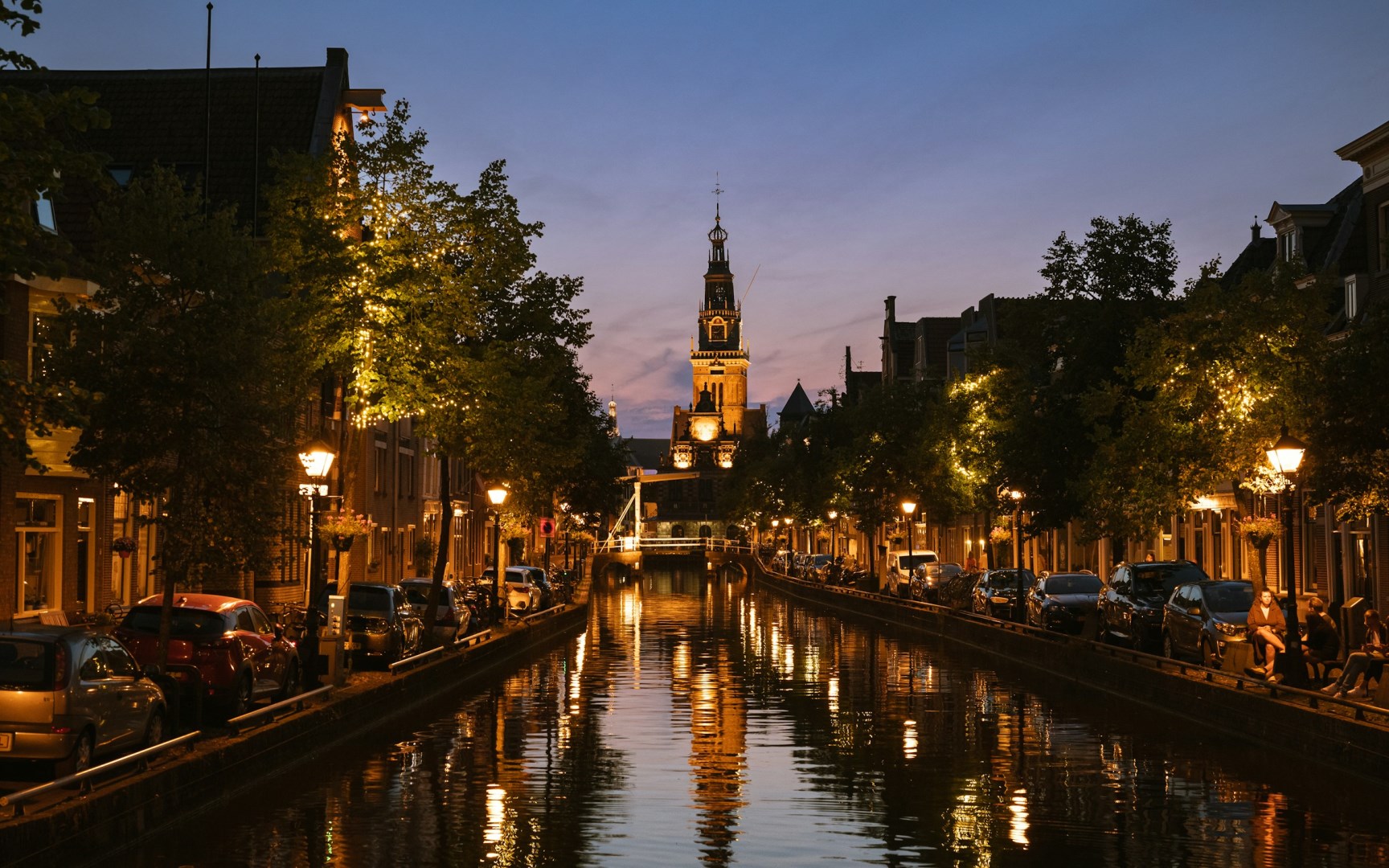
Alkmaar is a historic city in the Dutch province of North Holland, known for its canals, narrow streets, traditional gabled houses, and long association with cheese trading. The old center is compact and largely walkable, with the Waagplein at its heart and the Waag building providing one of the city’s most recognizable landmarks. Canals such as the Oudegracht and Luttik Oudorp wind through the center, while bridges connect streets lined with shops, cafés, and historic buildings.
Parga
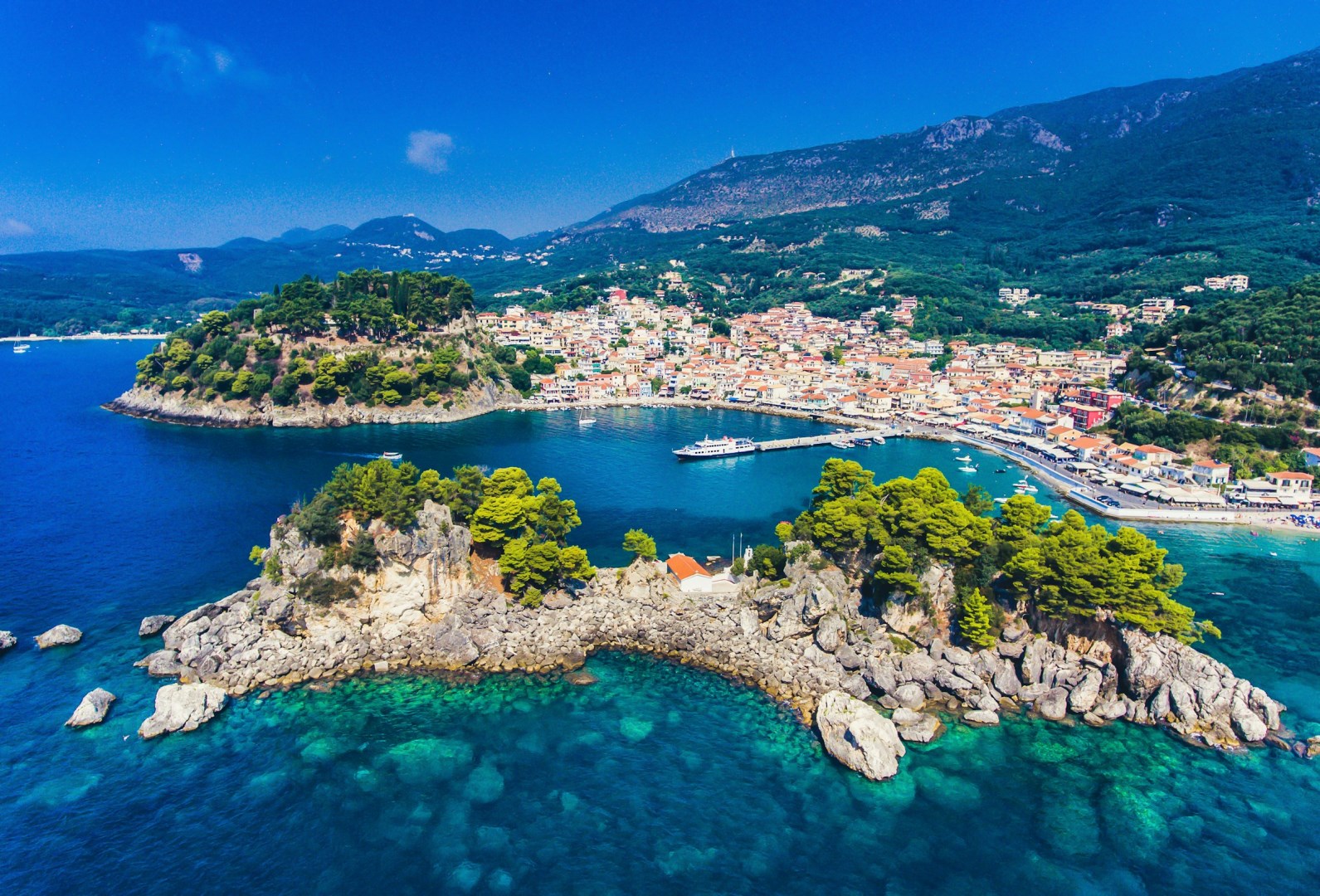
Parga is a coastal town in Epirus, northwestern Greece, built in an amphitheater around a sheltered bay on the Ionian Sea. Colorful houses rise along the hillside toward the Venetian castle, while the small islet of Panagia sits just offshore with a chapel and the remains of a French fort. The old town is characterized by narrow cobbled lanes, stone arches, and traditional houses, while the waterfront is lined with cafés, tavernas, and small boats.
Chengdu
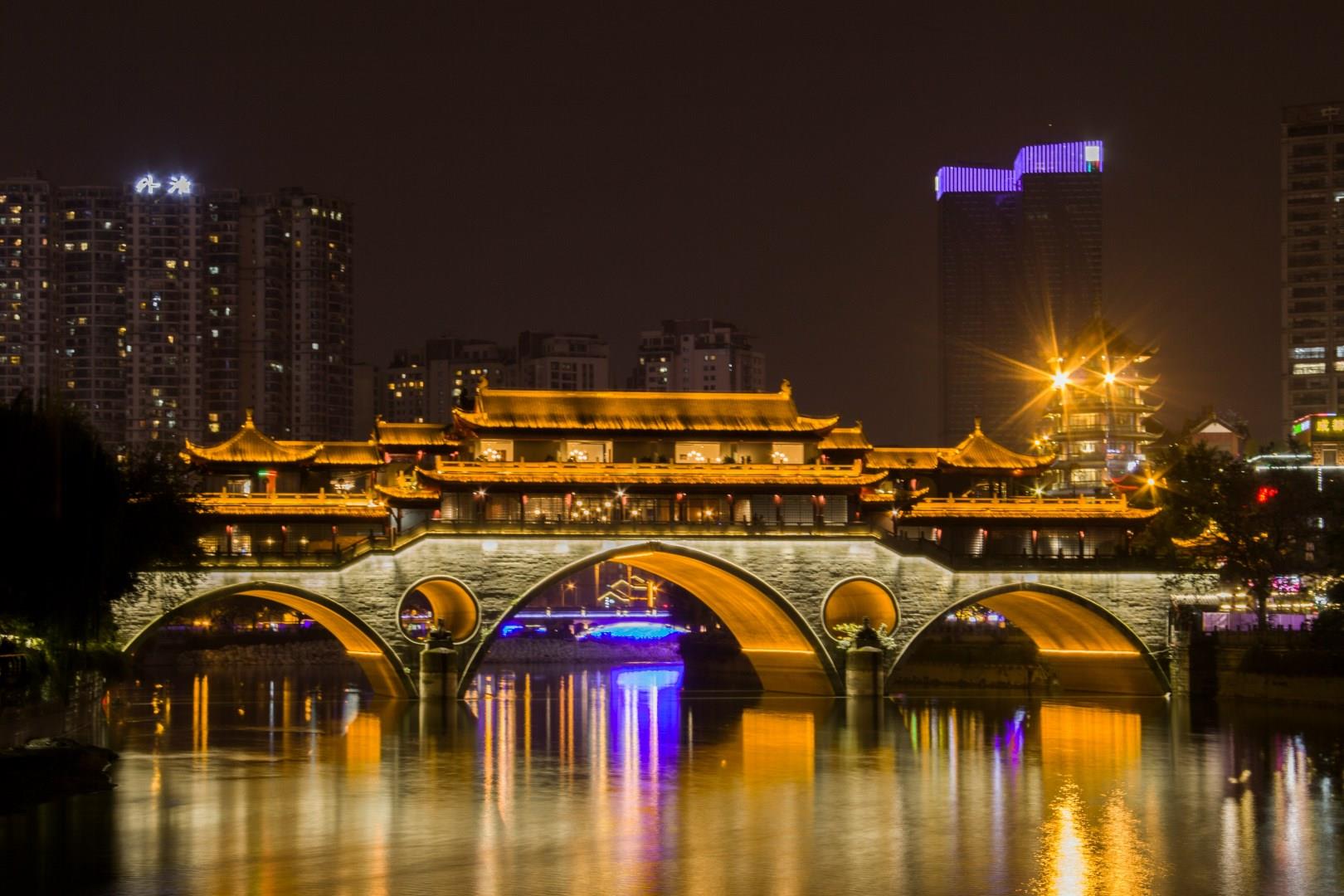
Chengdu, the capital of China's Sichuan Province, blends modern urban life with centuries of history. It is famous as the home of the giant panda, but its cultural significance extends far beyond wildlife.
