
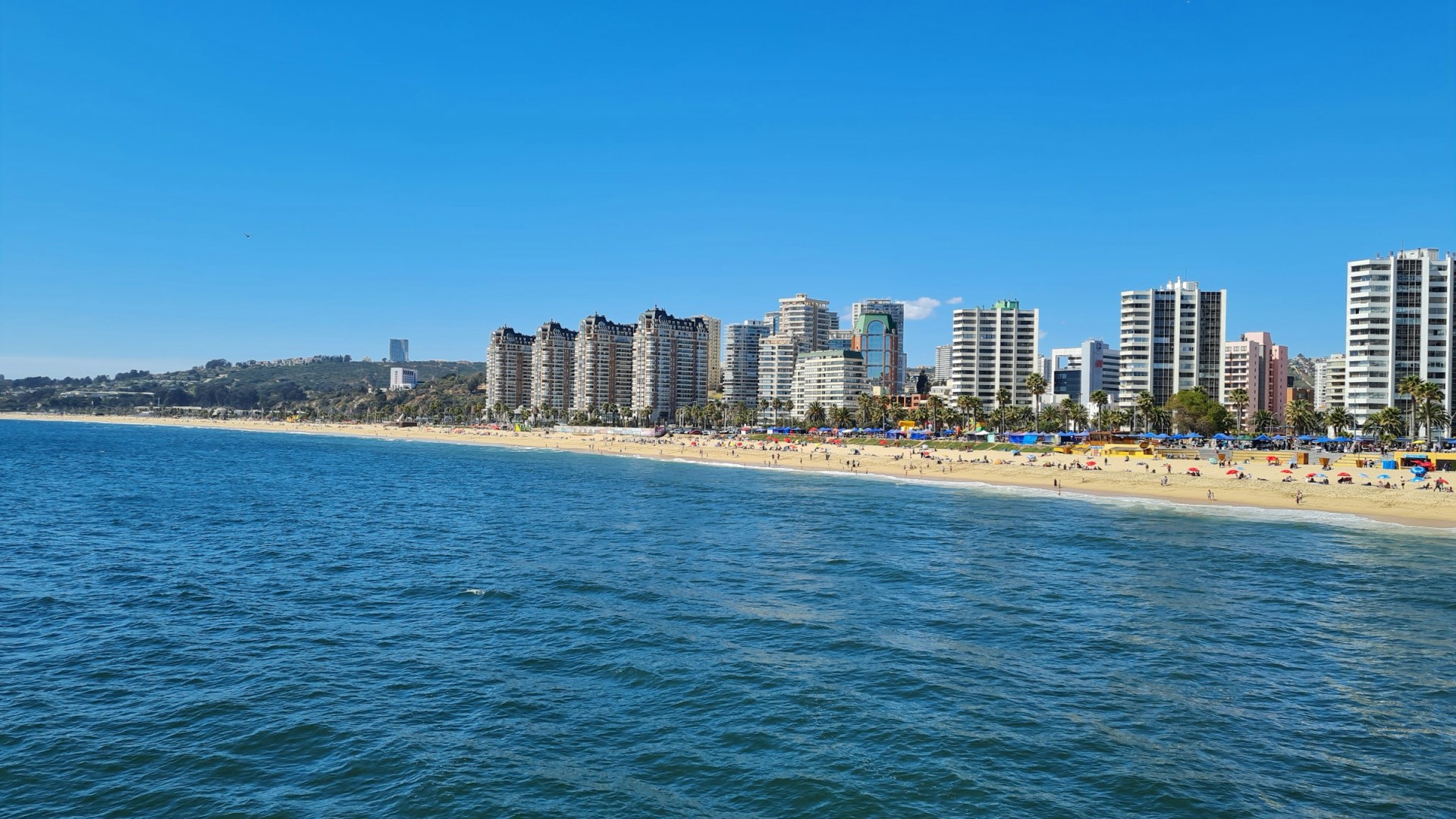
Viña del Mar
Chile's premier beach resort is only 10km north of Valparaíso, and is popularly known as the Garden City because of its manicured subtropical landscape of palm and banana trees. Horse-drawn carriages trot past attractive turn-of-the-century mansions on both river and beach frontages. Other attractions are the white-sand beaches, numerous parks and notable museums housed in restored mansions. The town is also the home of Chile's national botanical garden, comprising 61 hectares of native and exot

Costa Rica
Costa Rica is a country that has built its identity around both natural preservation and cultural vibrancy. Known for its stable democracy and emphasis on sustainability, it has become a global leader in eco-tourism.
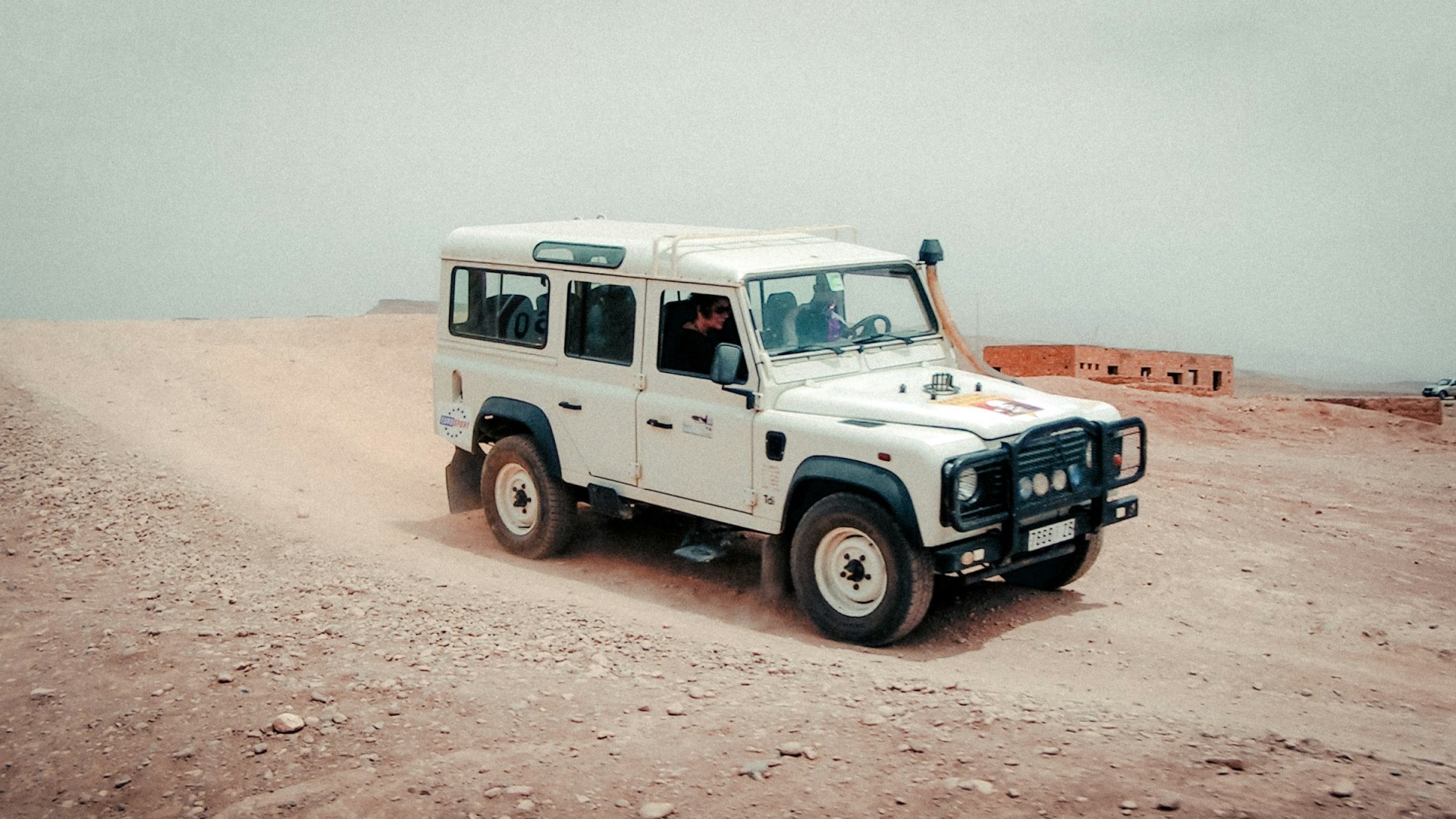
Tata
Set along the edge of the Anti-Atlas and the northern reaches of the desert, Tata offers a landscape shaped by sun, stone, and water. The town sits within a wide oasis valley, where palm groves stretch across the land in sharp contrast to the surrounding dry hills. Life here depends on careful use of water, and visitors quickly notice how every field and garden is planned with purpose. The result is a setting that feels both remote and deeply connected to the land.
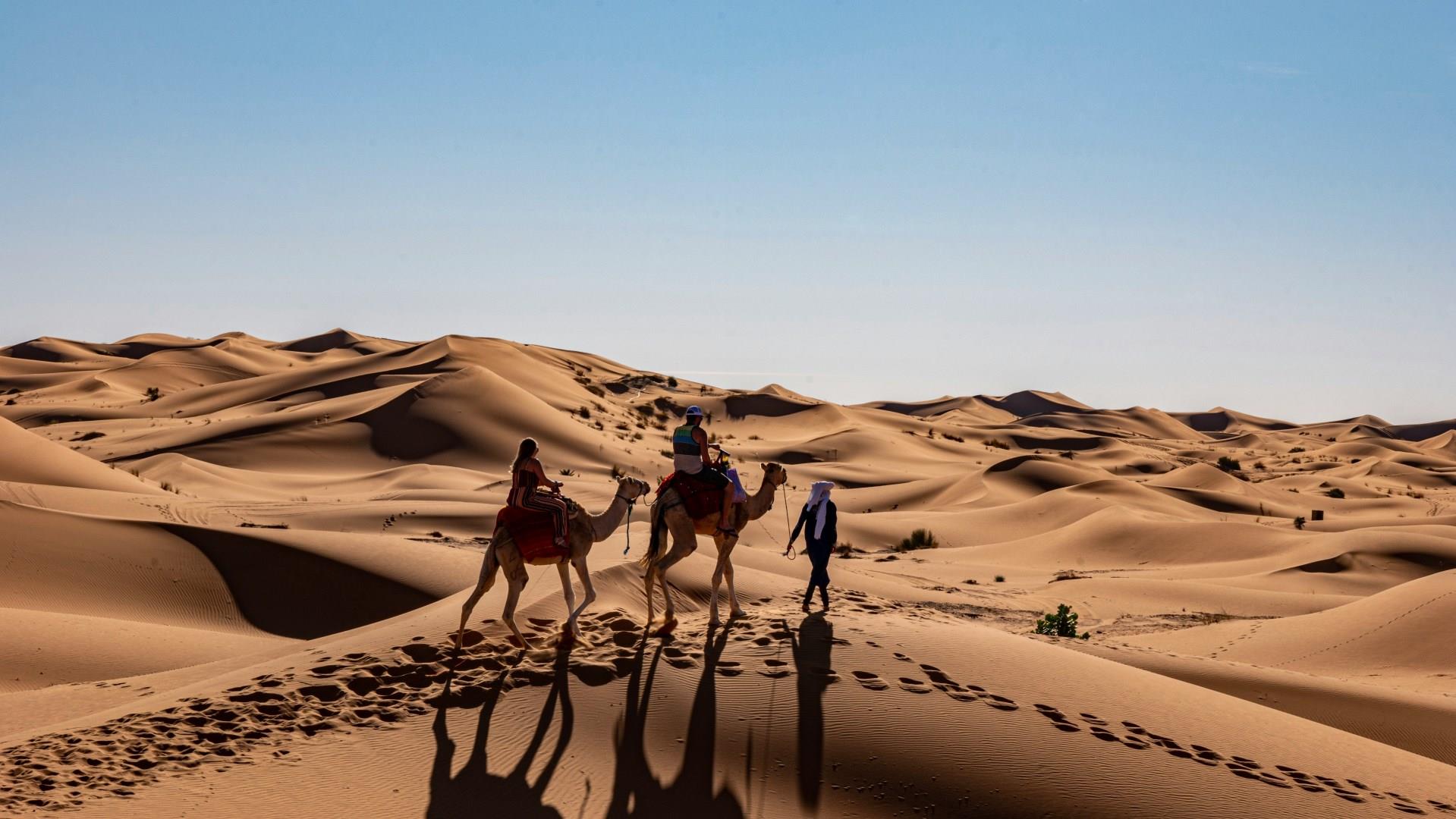
Erfoud
Erfoud, a desert town in eastern Morocco, is often seen as the last stop before the endless dunes of the Sahara begin. But this oasis holds more than just a convenient location. Known as the "Gateway to the Desert," Erfoud is steeped in history that predates the modern borders of Morocco. It was once a French colonial outpost, and today, its dusty streets and adobe buildings offer a glimpse into a slower, older way of life that still shapes the region’s identity.
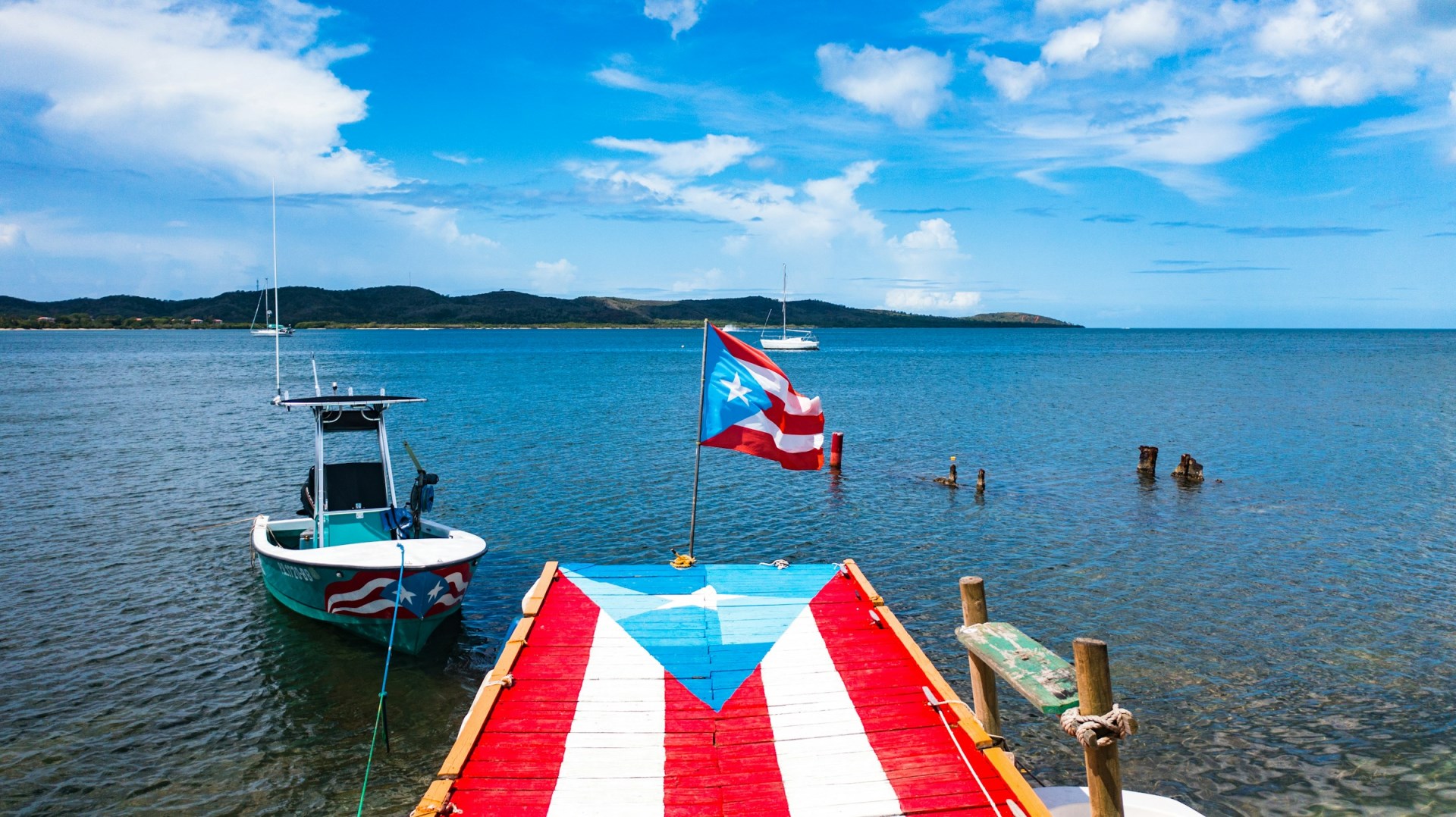
Puerto Rico
Puerto Rico, an unincorporated territory of the United States, is a Caribbean island rich in history, culture, and natural diversity. Its capital, San Juan, is a vibrant hub where centuries-old Spanish forts, pastel-colored colonial buildings, and lively plazas tell the story of the island’s complex past.
