
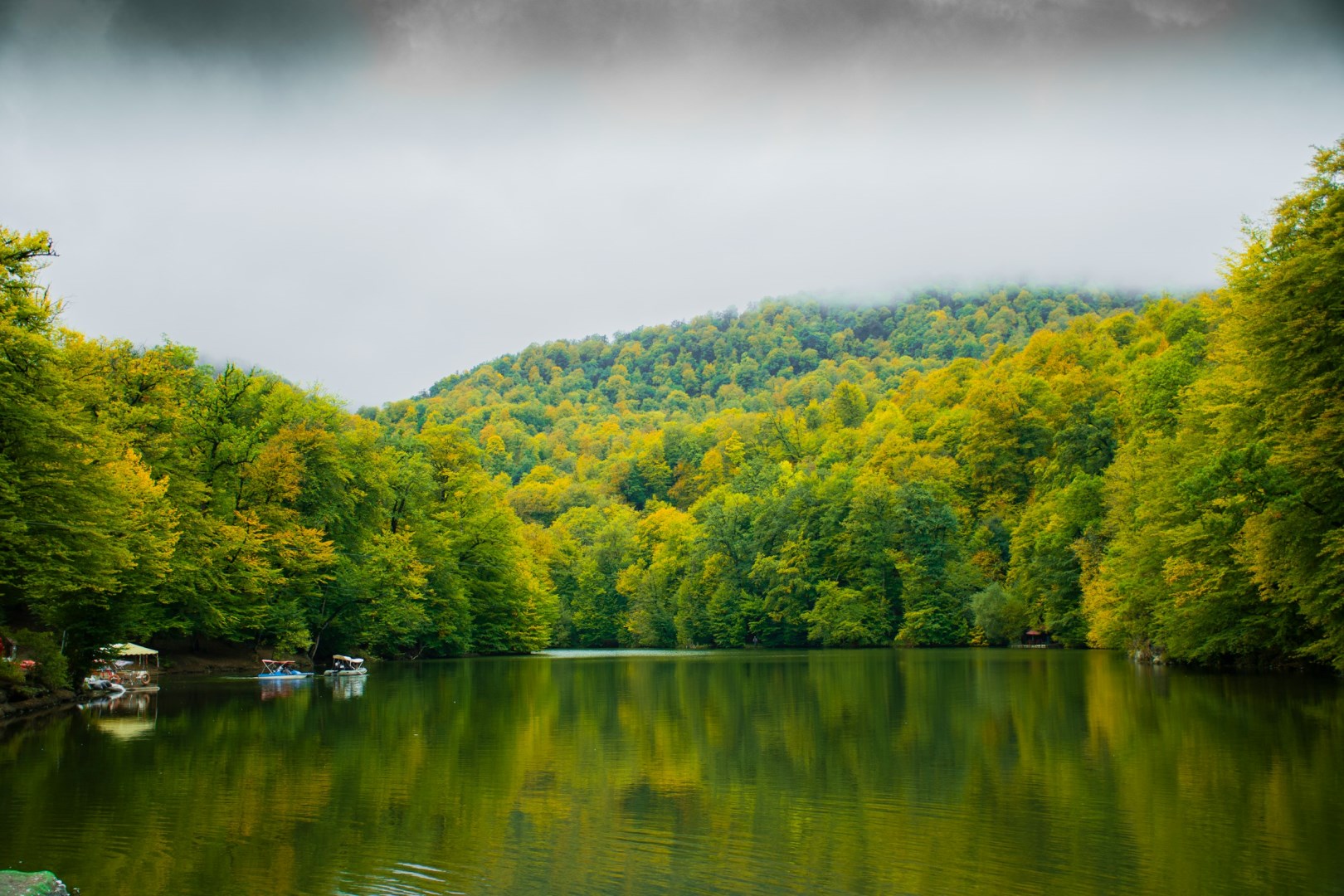
Dilijan
Dilijan is a town in Armenia's Tavush Province, surrounded by forested mountains, streams, and highland meadows. The town lies within the landscape of Dilijan National Park, where oak, beech, and hornbeam forests cover much of the surrounding hills. Dilijan is also known for its traditional architecture, craft workshops, and location between Lake Sevan and the forested valleys of northeastern Armenia. Its setting has long supported agriculture, forestry, and mineral-water traditions.
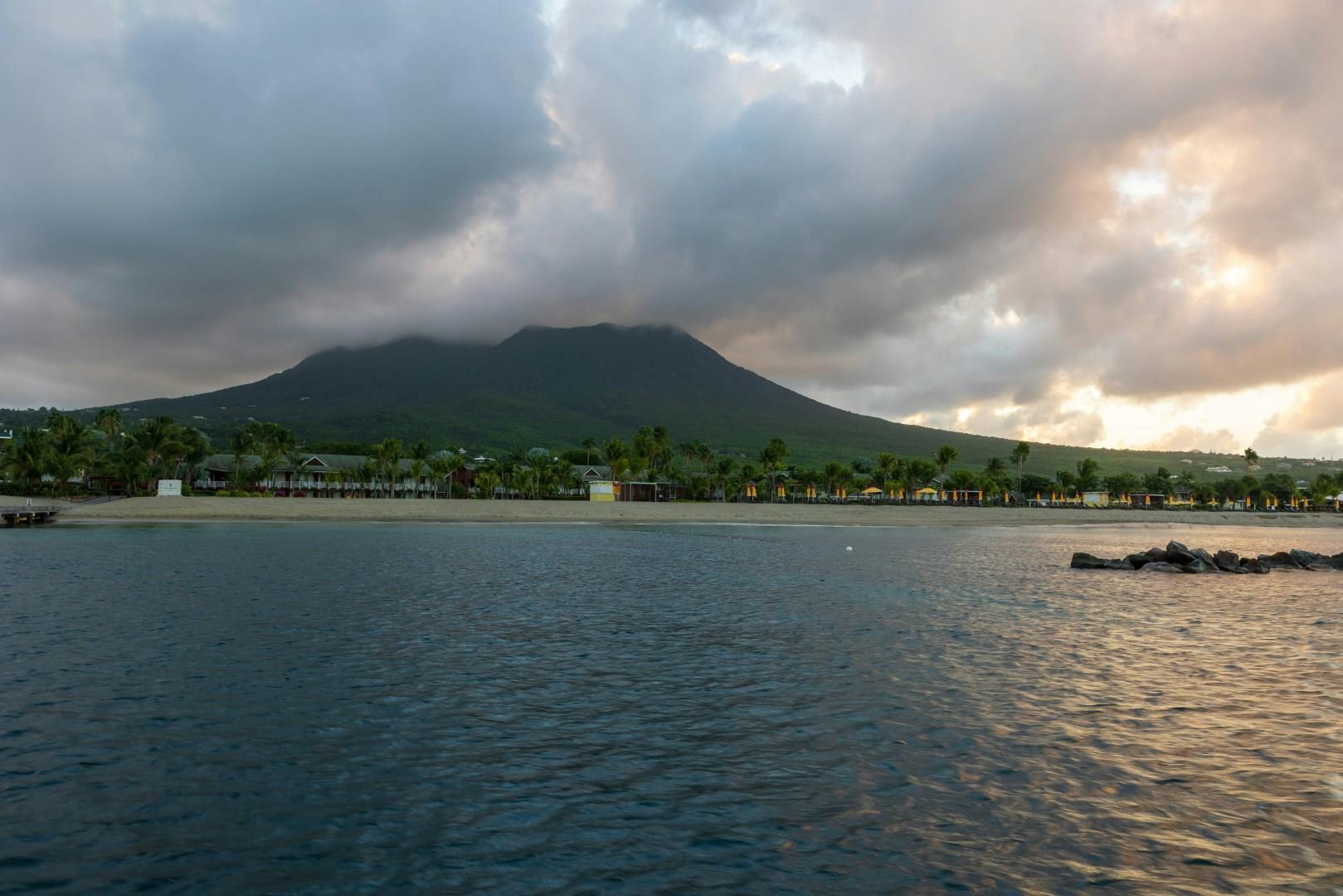
Nevis
Nevis, the smaller of the two islands in the Federation of St. Kitts and Nevis, is often described as the more tranquil and unspoiled counterpart to its sister island. Dominated by the graceful silhouette of Nevis Peak, a dormant volcano rising to 985 meters, the island is ringed by golden beaches and lush hillsides.

Interlaken
Nestling cozily beneath the legendary triad of the Eiger, Mönch and Jungfrau mountains, Interlaken, 570 meters above sea level is a wondrous health resort and an international favorite. The superb mountainous scenery and gentle climate are ideal venues for virtually every leisure activity, all year round.

Hovden
Hovden is part of Setesdal, a region recognized for its distinctive Norwegian folk traditions and strong rural identity. Music and dance are especially important, with the Setesdal tradition of playing the hardingfele fiddle and munnharpe jaw harp included on UNESCO's Intangible Cultural Heritage list. The area also has a long connection with metalworking. The Hovden Museum of Iron Production presents a reconstructed iron-smelting facility and explains how local ore was processed using charcoal.
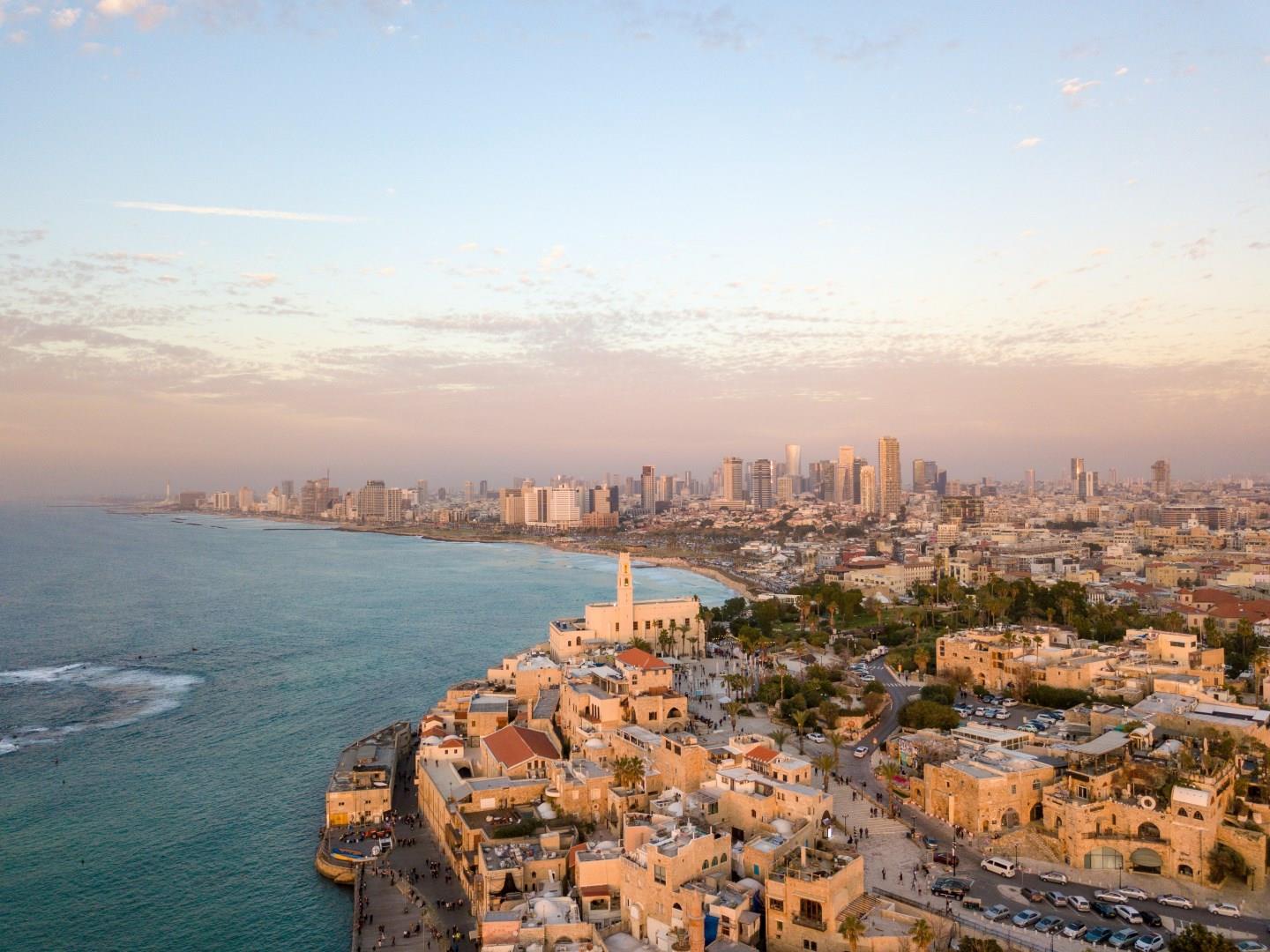
Tel Aviv
Tel Aviv began in 1909 as a new neighborhood beside the ancient port of Jaffa. The city is now home to the largest cluster of Bauhaus-style buildings in the world which earned UNESCO recognition for its early 20th-century urban planning. Visitors can explore those structures on guided architectural walks through streets like Rothschild or Dizengoff.
