

Honolulu, Oahu
Honolulu, the capital of Hawaiʻi and the largest city in the Pacific, blends the energy of a major urban center with the deep roots of Native Hawaiian culture. Set on the island of Oʻahu, it’s home to iconic beaches, royal history, and a rhythm all its own. This sunny capital city is the main portal to the larger Hawaiian archipelago, and the perfect base for exploring Oahu.

Dominica
Dominica, known as the “Nature Island of the Caribbean,” is a haven for eco-tourists and adventure seekers. Nestled between the French islands of Guadeloupe and Martinique, this lush island boasts a remarkable landscape of volcanic mountains, dense rainforests, and stunning waterfalls. Dominica’s most iconic natural wonder is the Boiling Lake, the second-largest hot spring in the world.
Sydney, Nova Scotia
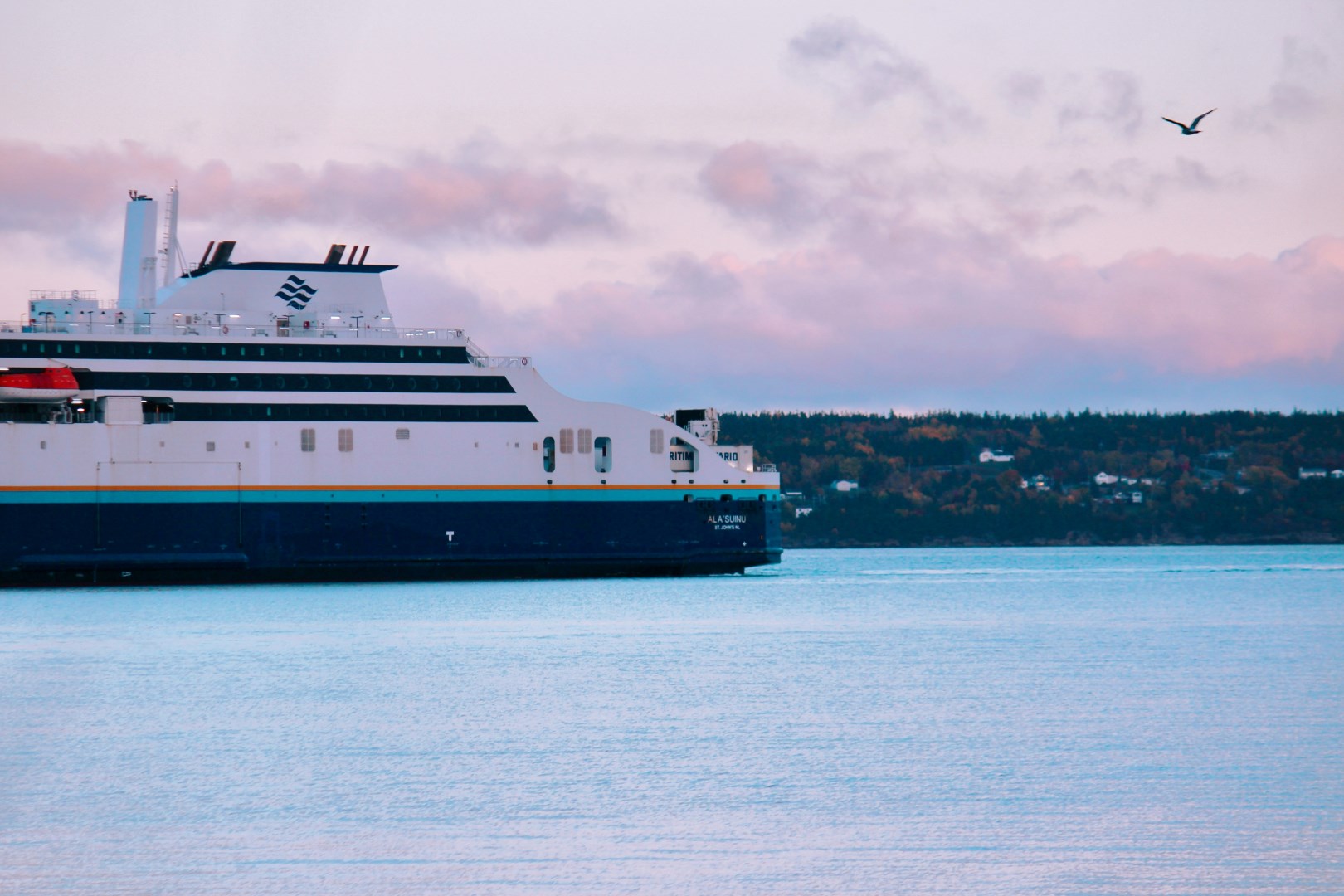
Situated on the eastern edge of Cape Breton Island, Sydney in Nova Scotia welcomes visitors with a strong connection to the sea and a deep-rooted cultural identity. The city’s waterfront is a natural gathering place, where boardwalks stretch along the harbor and offer views of fishing boats, cruise ships, and open water. One of its most recognizable landmarks is the world’s largest fiddle, a towering tribute to the region’s musical traditions.
Managua
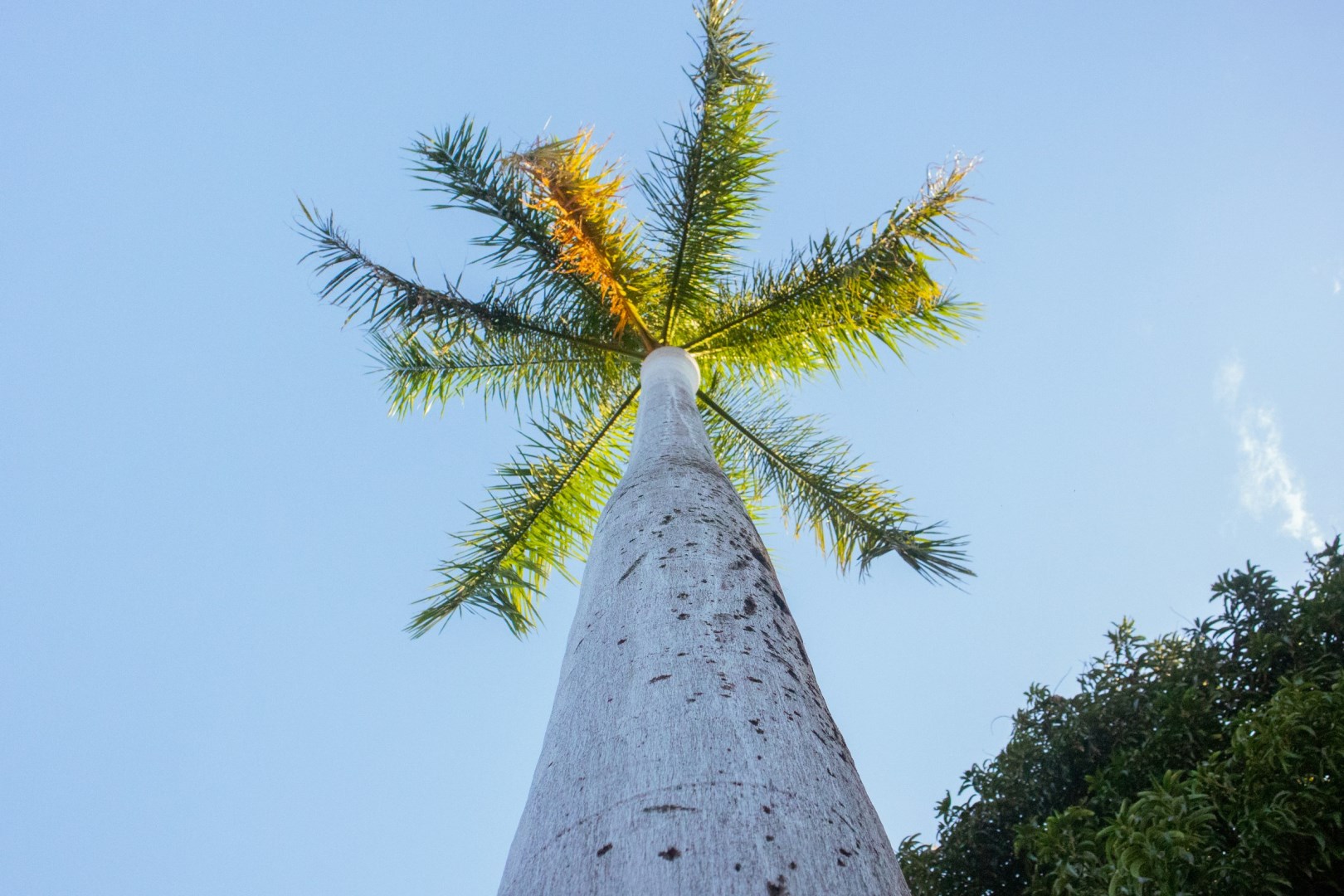
While an earthquake in 1972 left few buildings intact in downtown Managua, new areas are building up. Managua has excellent restaurants, nice hotels, and is a good base for day tours into the countryside.

Tennessee
Tennessee welcomes visitors with a rhythm that shifts from Appalachian mountain towns to Memphis blues clubs, all while telling stories that have shaped the American experience. In East Tennessee, the Great Smoky Mountains National Park is the most visited national park in the country, known for its mist-covered peaks, preserved log cabins, and seasonal displays of wildflowers and fireflies.
