
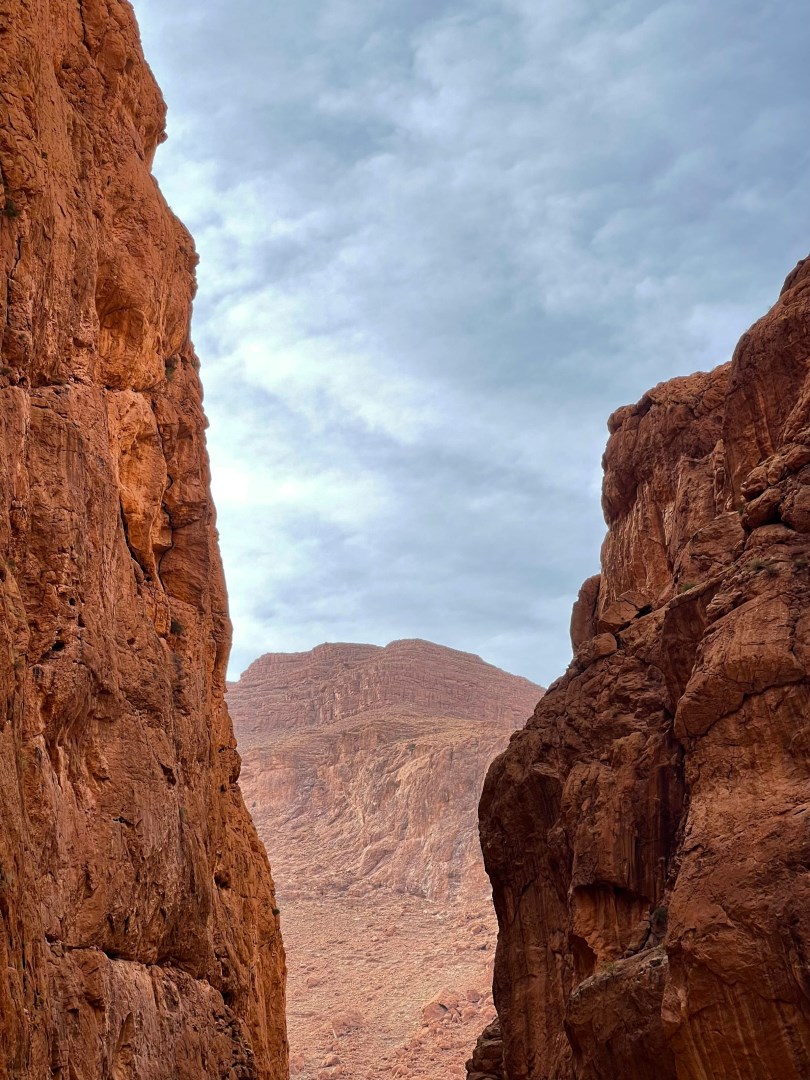
Todgha Gorge
Todgha Gorge is a dramatic limestone canyon in Morocco’s eastern High Atlas Mountains, close to the oasis town of Tinghir. The Todgha River has cut a deep passage through the mountains, leaving towering rock walls that rise to around 300 meters in places. At its narrowest, the gorge contracts to roughly 10 meters across, creating a striking corridor of stone and sky.

Golubac
Golubac, a picturesque town on the banks of the Danube River in Serbia, is a destination known for its rich history and stunning natural beauty. The town is home to the Golubac Fortress, a medieval stronghold dating back to the 14th century, which offers stunning views of the Danube and the surrounding landscapes.

Istanbul
Istanbul is a city built on layers of empire. Spanning two continents, it was once the capital of three major empires: Roman, Byzantine, and Ottoman. Visitors walking through the Sultanahmet district can witness this timeline firsthand, from the Roman-era Hippodrome to the Byzantine mosaics of Hagia Sophia, and the towering minarets of the Blue Mosque. At nearby Topkapi Palace, rooms still display the jeweled swords, ceremonial robes, and handwritten Qurans once used by Ottoman sultans.
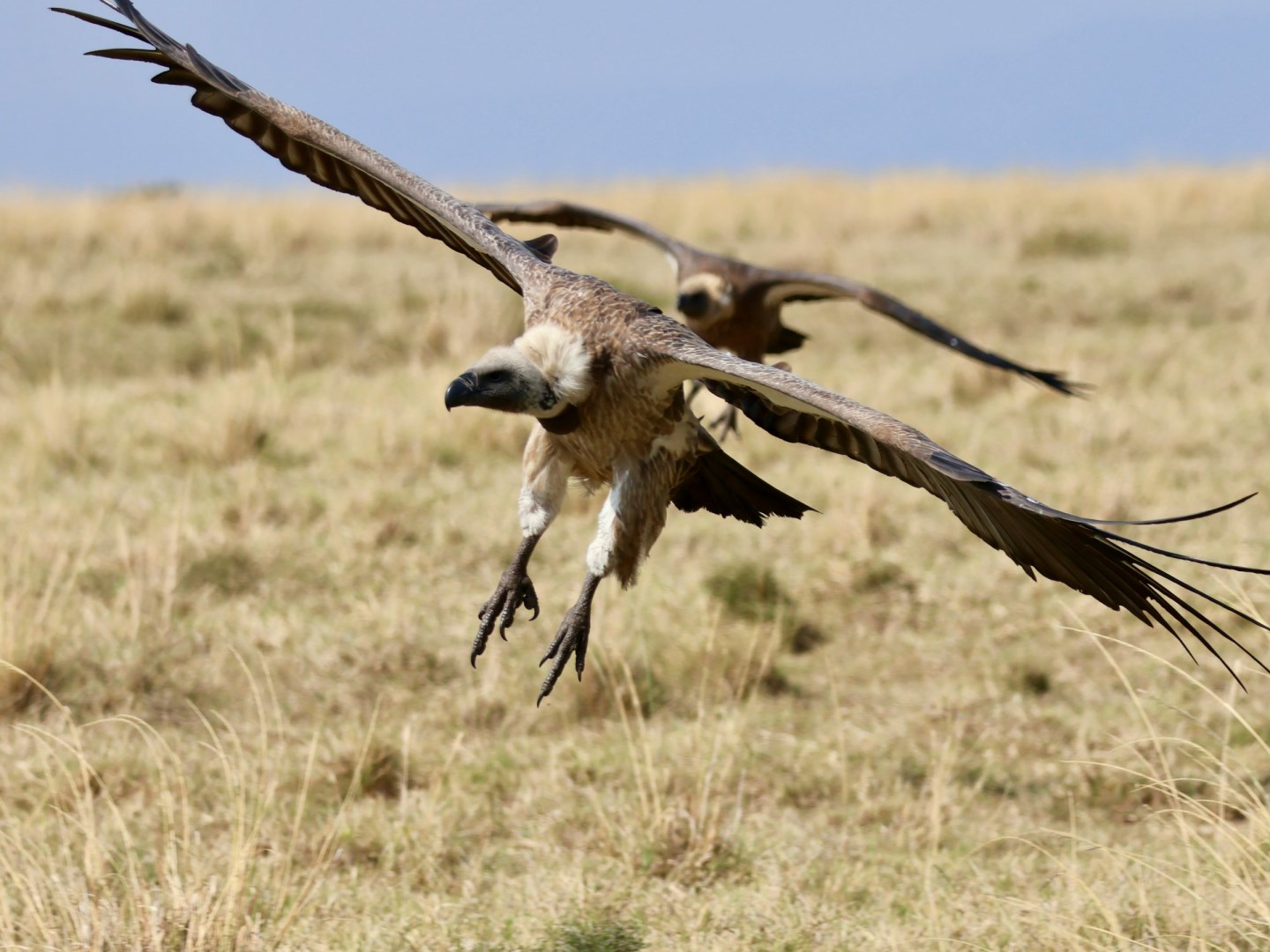
Narok
Narok is a town in southwestern Kenya and the administrative centre of Narok County, positioned on the route between Nairobi and the Maasai Mara. The town sits in a highland landscape of open grassland, cultivated fields, and rolling hills, with the surrounding county extending from the Great Rift Valley toward the Maasai Mara plains.

Madeira
Madeira, an archipelago off the coast of Portugal, is often referred to as the “Island of Eternal Spring” due to its mild climate and lush landscapes. Funchal, its vibrant capital, is a perfect blend of natural beauty and rich history. Visitors can explore the cobblestone streets of the old town, marvel at the Gothic-style Sé Cathedral, and stroll through the colorful Mercado dos Lavradores, where local farmers sell fresh produce, exotic flowers, and the island’s famous wine.
