

Melk
Nestled along the south bank of the Danube, this historical Austrian city bursts with charm. A favorite stop on European river cruises, the city's most famous attraction is Melk Abbey, which dates back to the 11th century. The original Benedictine structure was lost to fires and foreign invasion, then rebuilt during the 18th century in lavish Baroque style, including a library and inner church covered in magnificent frescoes and gilded fixtures.
Amed
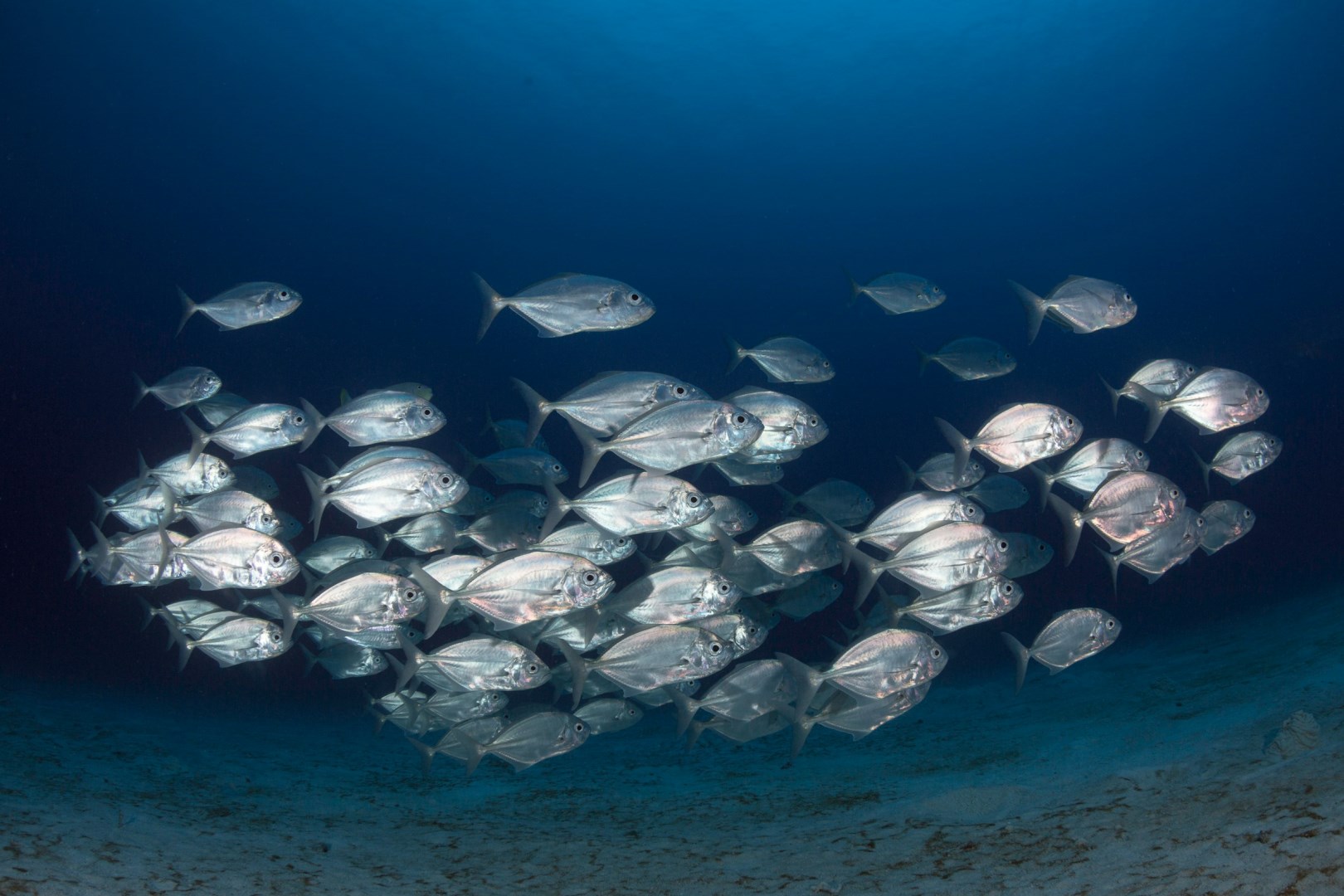
Amed is a coastal area in eastern Bali, Indonesia, stretching along the northeastern side of Karangasem Regency. The area consists of a series of small fishing villages and bays, including Amed, Jemeluk, Bunutan, and Lipah. Its landscape combines black volcanic beaches, dry hills, rice terraces, coconut palms, and views toward the Bali Sea.
Loen
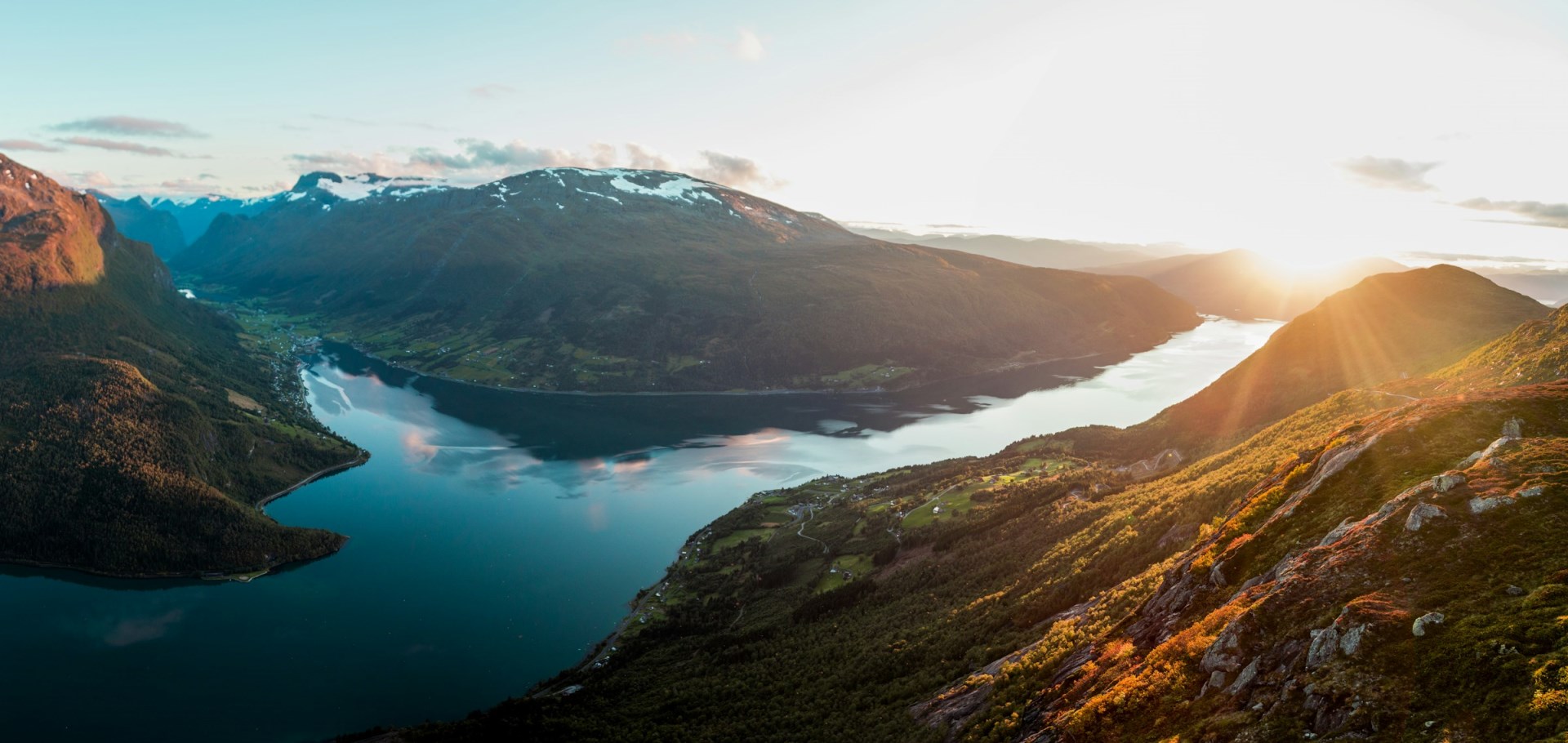
Loen is a small village at the innermost end of Nordfjord in Stryn municipality, western Norway, where steep mountains, deep valleys, and glacier-fed lakes meet the fjord. The village sits beneath Mount Hoven and Skåla, with forested slopes rising sharply from the water. Its location provides easy access to both the fjord and the Lodalen valley, making the landscape unusually varied within a short distance.
Zaragoza
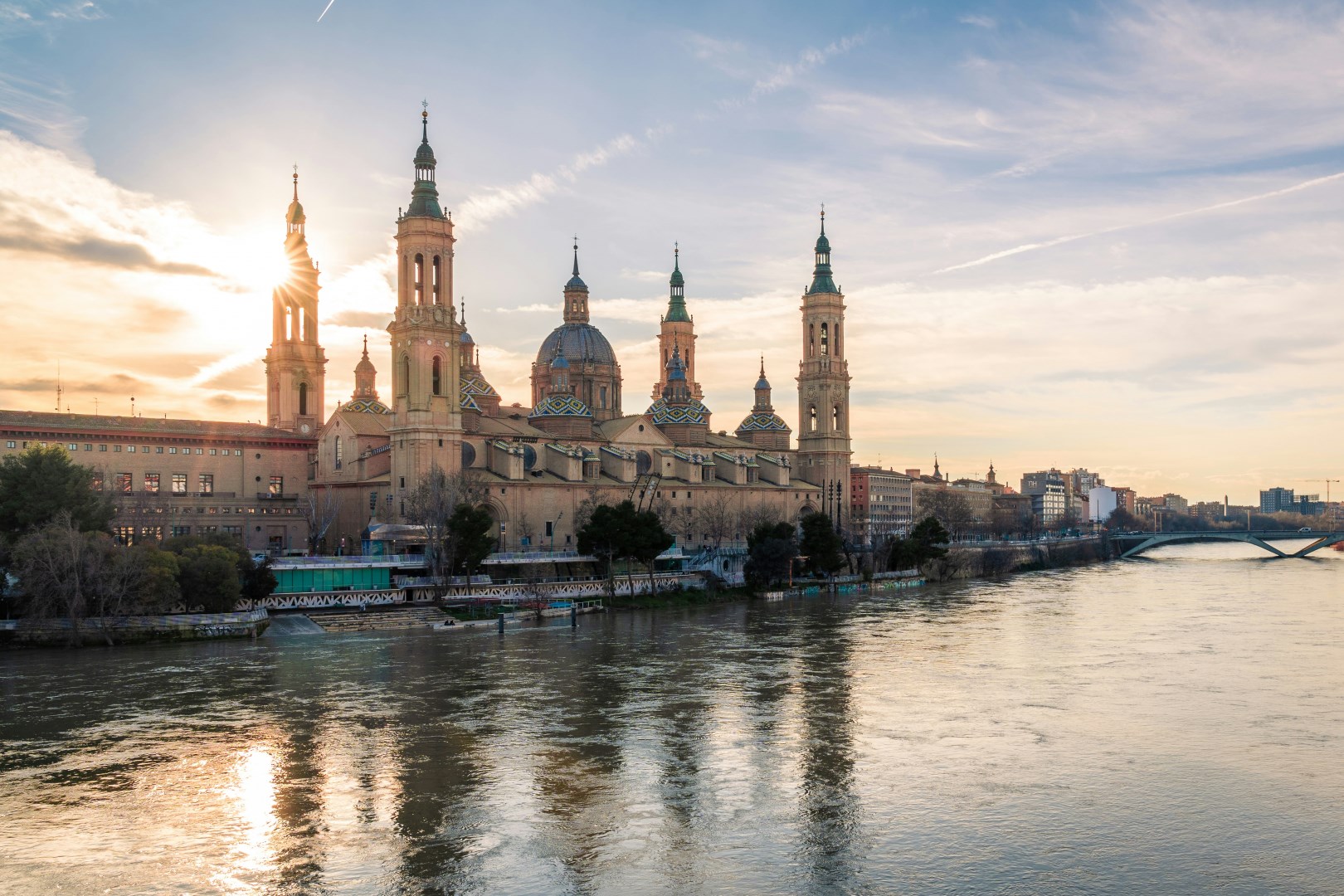
Zaragoza stands on the banks of the Ebro River in northeastern Spain and serves as the capital of the Aragón region. The city is known for its mix of Roman remains, Islamic influences, Mudéjar architecture, and large Baroque landmarks.

Chalon-Sur-Saone
Surrounded by picturesque vineyards and scenic riverbanks, Chalon-sur-Saône, located along the Saône River, is the perfect base to immerse oneself in the heart of Burgundy’s rich heritage and stunning landscapes. From exploring its charming Old Town with medieval landmarks like the St. Vincent Cathedral to discovering the history of photography at the Musée Nicéphore Niépce, the town offers a unique experience for every traveler.
