
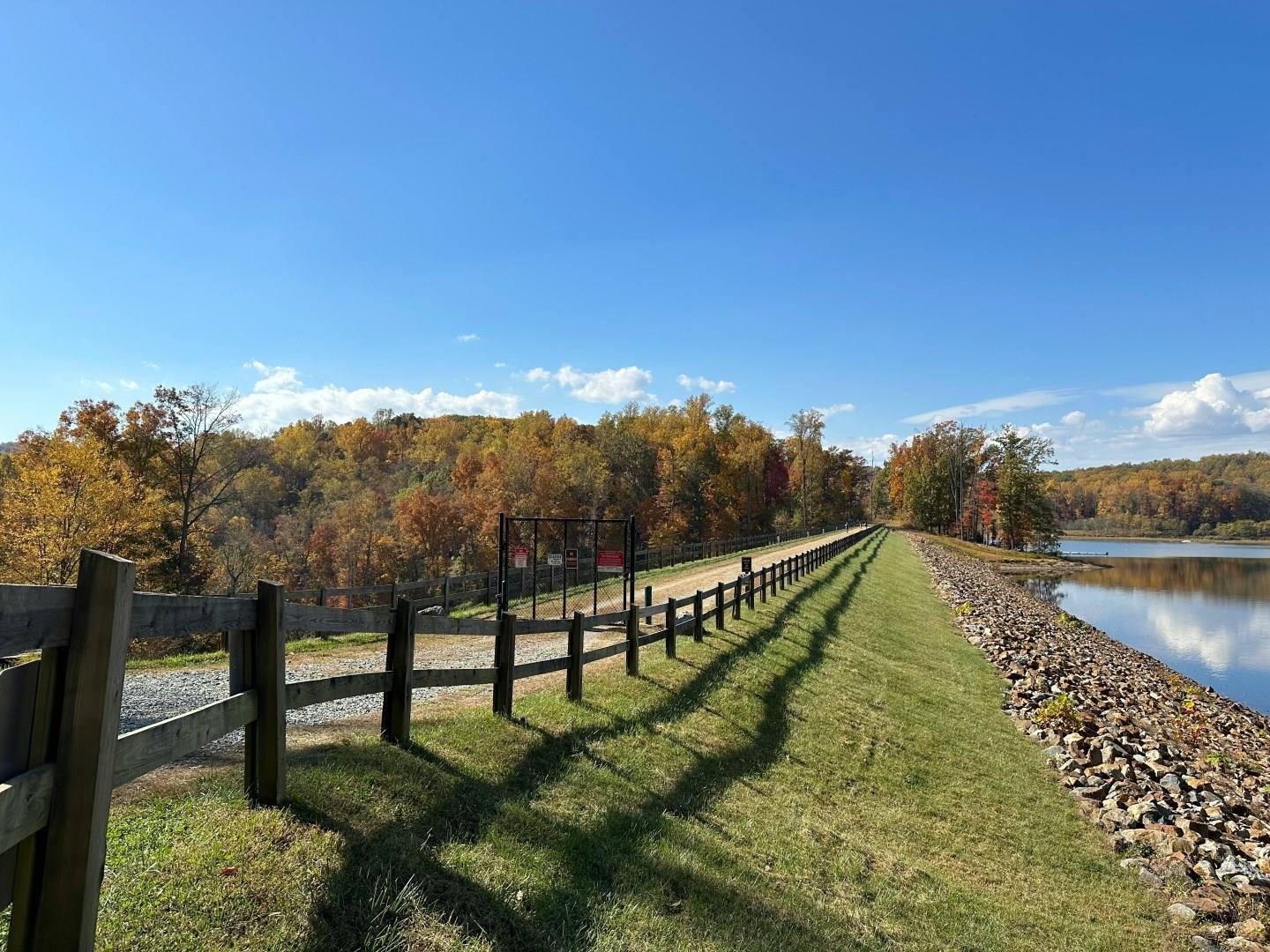
Charlottesville
Charlottesville, Virginia is a small city with deep roots and a lively sense of place. It's home to the University of Virginia, founded by Thomas Jefferson in 1819 and now recognized as a UNESCO World Heritage Site alongside Jefferson’s Monticello estate. Both sites are working institutions where architecture, education, and ongoing dialogue shape how visitors experience the past.
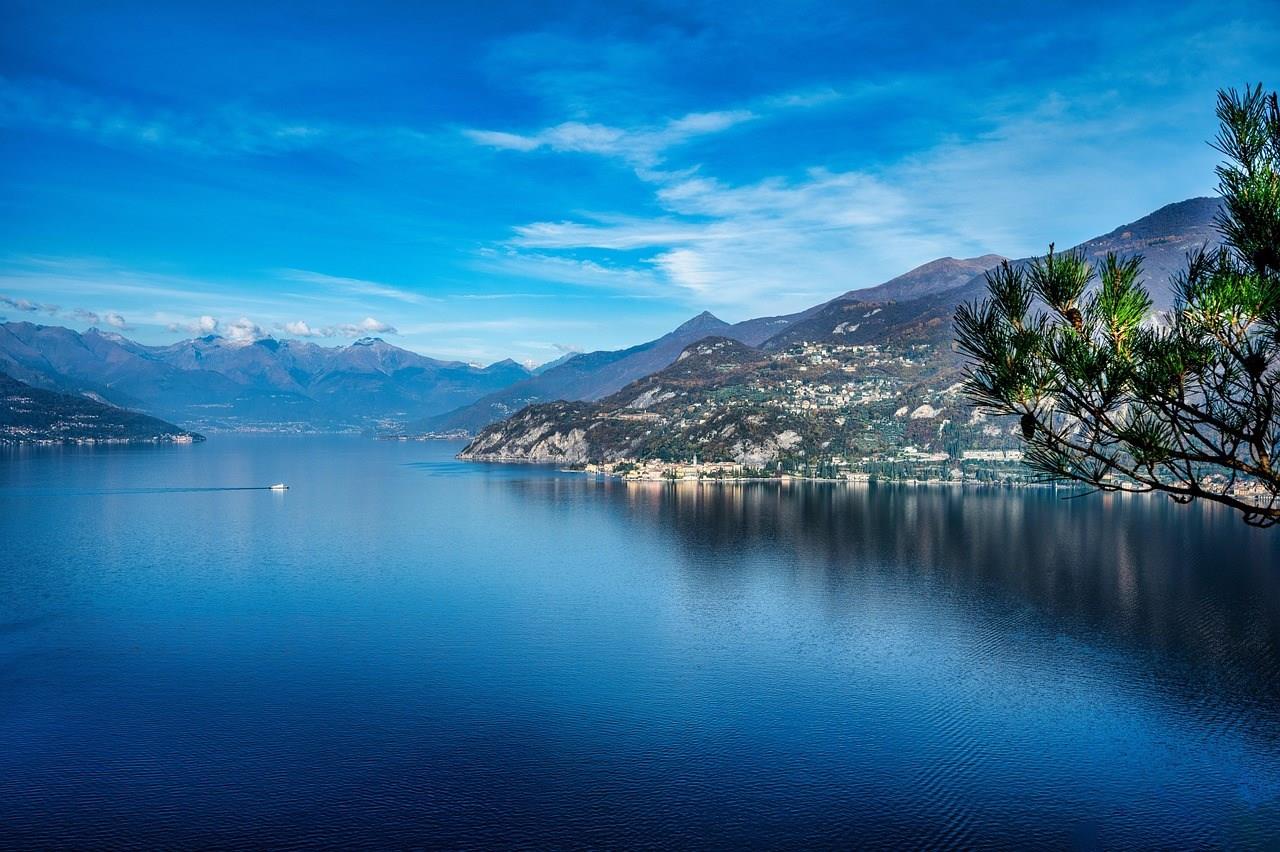
Como
A visit to Como is like looking through a manual on the history of architecture. Its ancient walls, the Duomo with its rich Gothic-Renaissance façade, the Broletto, the Castel Baradello, the Romanesque basilicas of Sant'Abbondio and S. Fedele, the myriad of monuments created by the Comacini Masters, and the modern architectural lines, all represent foundations of the urban and tourist fabric, interwoven with unforgettable splendor.

Lijiang
Lijiang sits in northwest Yunnan, shaped by its role as a trading town on routes linking Tibet, Sichuan, and Southeast Asia. It is closely associated with the Naxi people, whose language, music, and traditions remain central to local identity.

Santarem
Santarém is a city in central Brazil, located where the Tapajós River meets the Amazon. Its position at this confluence has made it a hub of riverine trade and cultural exchange for centuries, blending Indigenous traditions with Portuguese colonial influence.
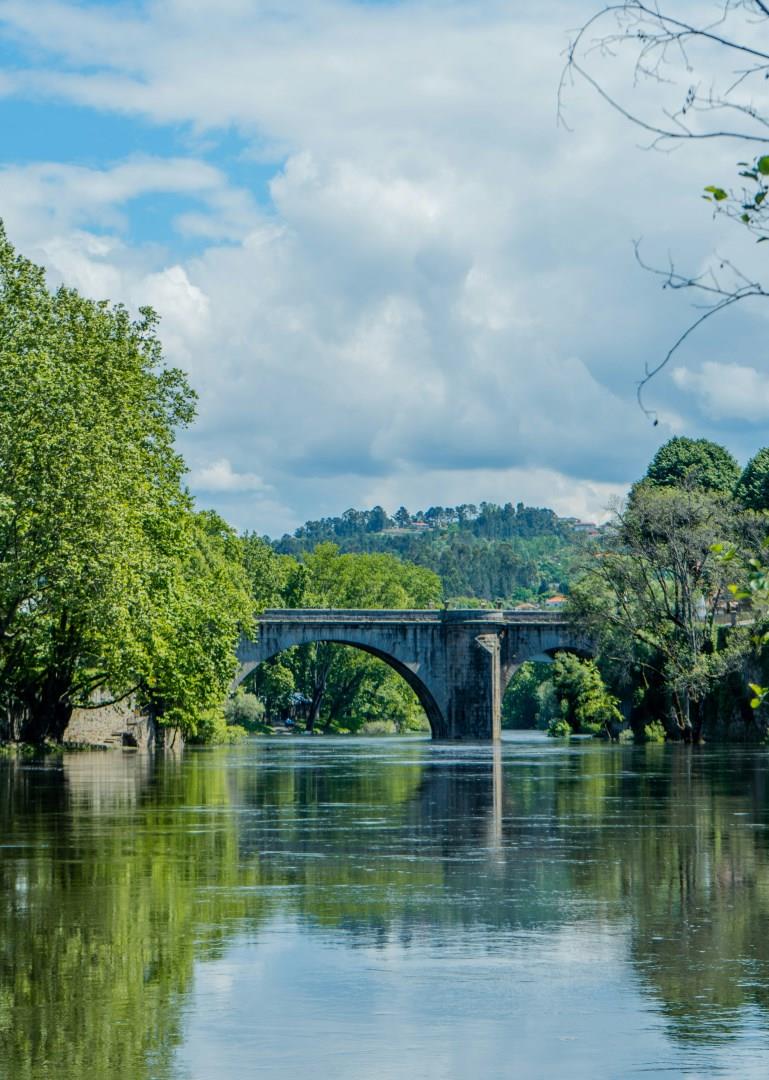
Amarante
Amarante, located in Portugal’s northern region of Tâmega e Sousa, sits quietly along the banks of the Tâmega River, framed by stone bridges, historic churches, and lush hills. The city is best known for its connection to São Gonçalo, a 13th-century monk whose name now graces the arched bridge and the grand convent-church that stands beside it.
