
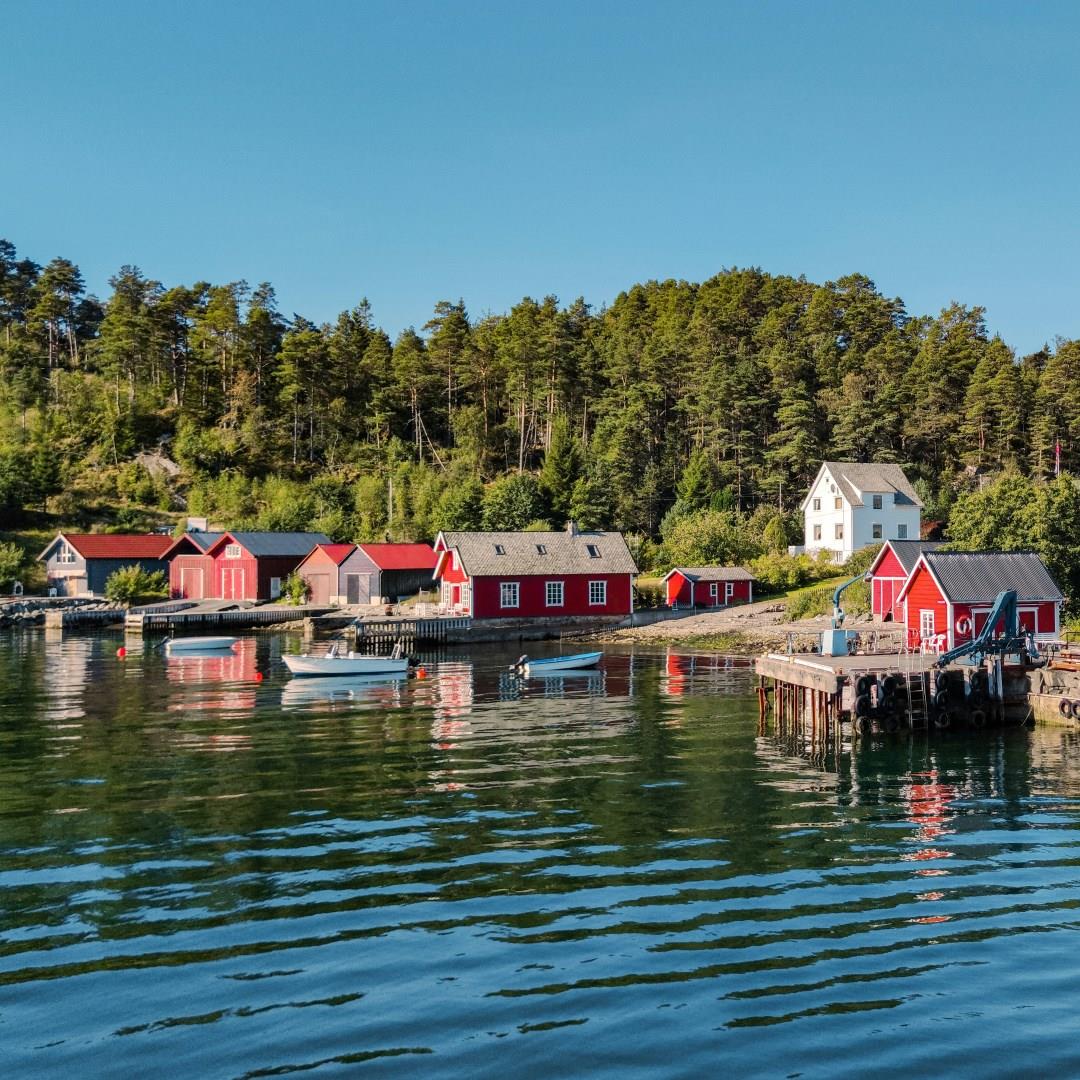
Hardangerfjord
Hardangerfjord is one of Norway’s most iconic fjords, stretching over 170 kilometers through western Norway and surrounded by steep mountains, waterfalls, and orchards. Historically, the fjord has been central to regional life, providing a transportation route for fishing, trade, and fruit cultivation. Its combination of natural grandeur and human activity has shaped a landscape that is both dramatic and lived-in.
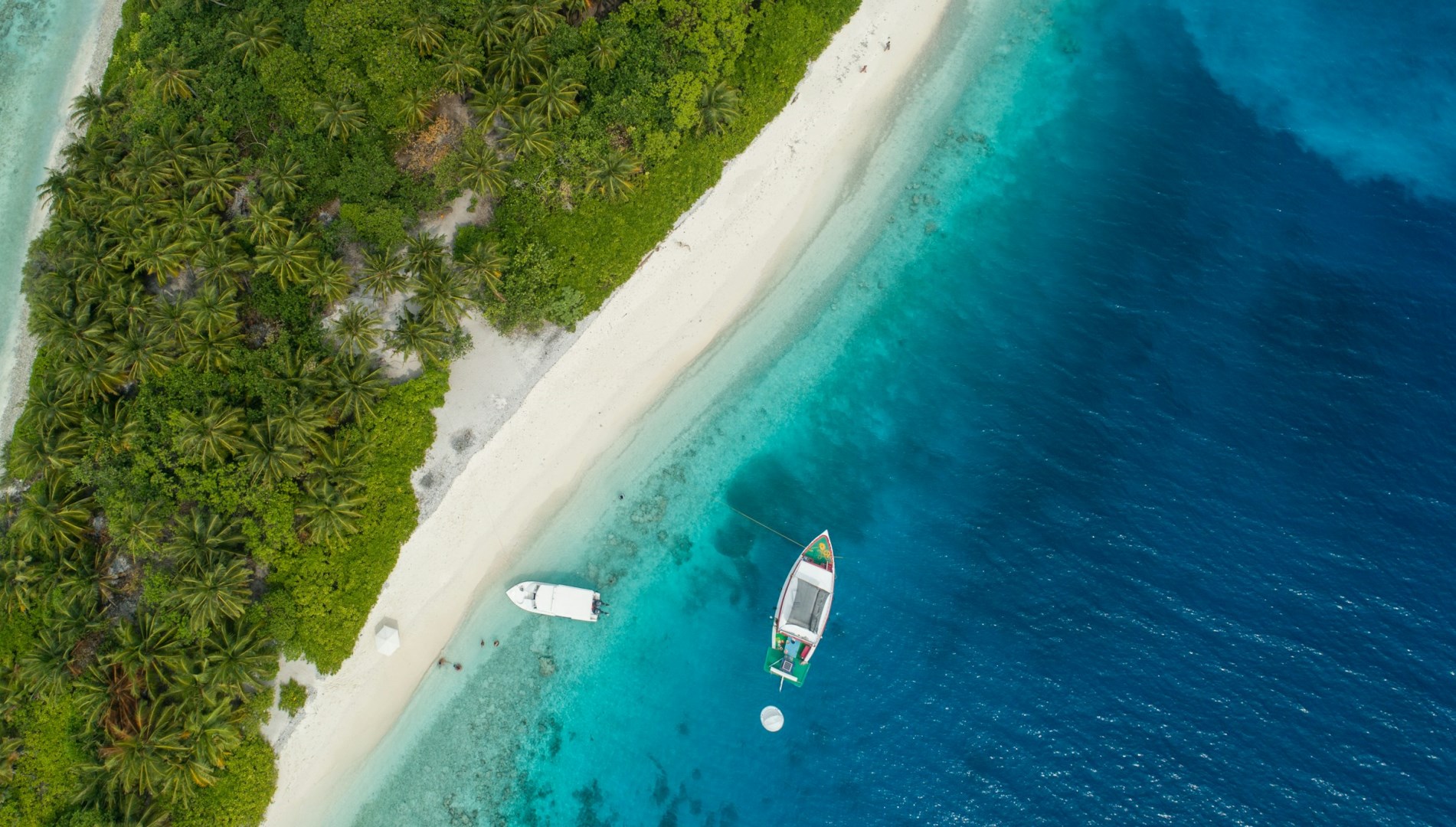
Vaavu Atoll
Vaavu Atoll lies south of Malé and is known for its relatively small population, numerous uninhabited islands, clear lagoons, and extensive coral reefs. Felidhoo is the administrative capital, while Thinadhoo, Keyodhoo, and Fulidhoo are among the better-known inhabited islands. The atoll has a quieter character than the more developed areas closer to the capital, with guesthouses, fishing communities, and resorts spread across separate islands.
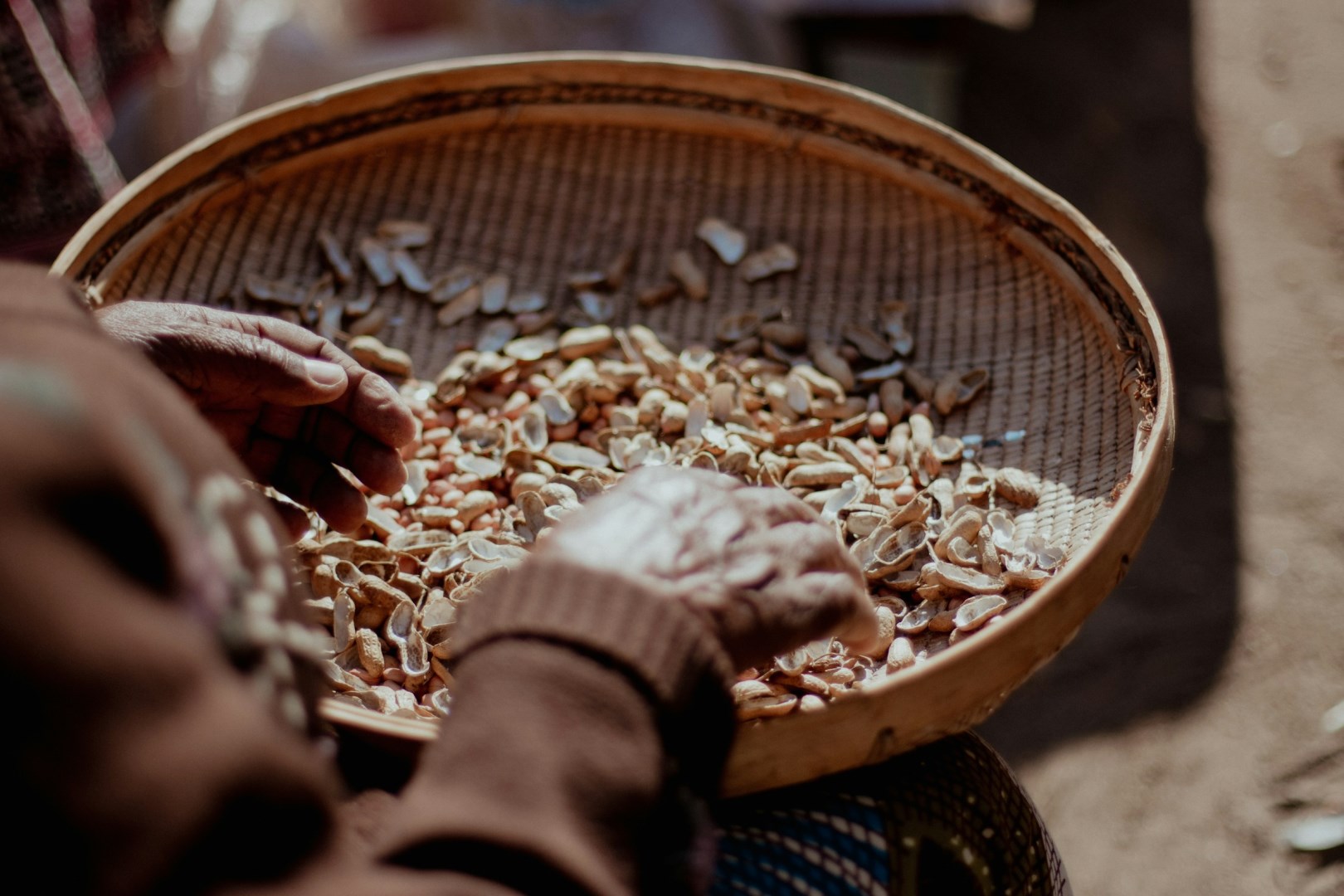
Gumbane
Gumbane is a rural community in southern Mozambique, in Inhambane Province, where sandy soils, woodland and cultivated plots shape much of the surrounding landscape.
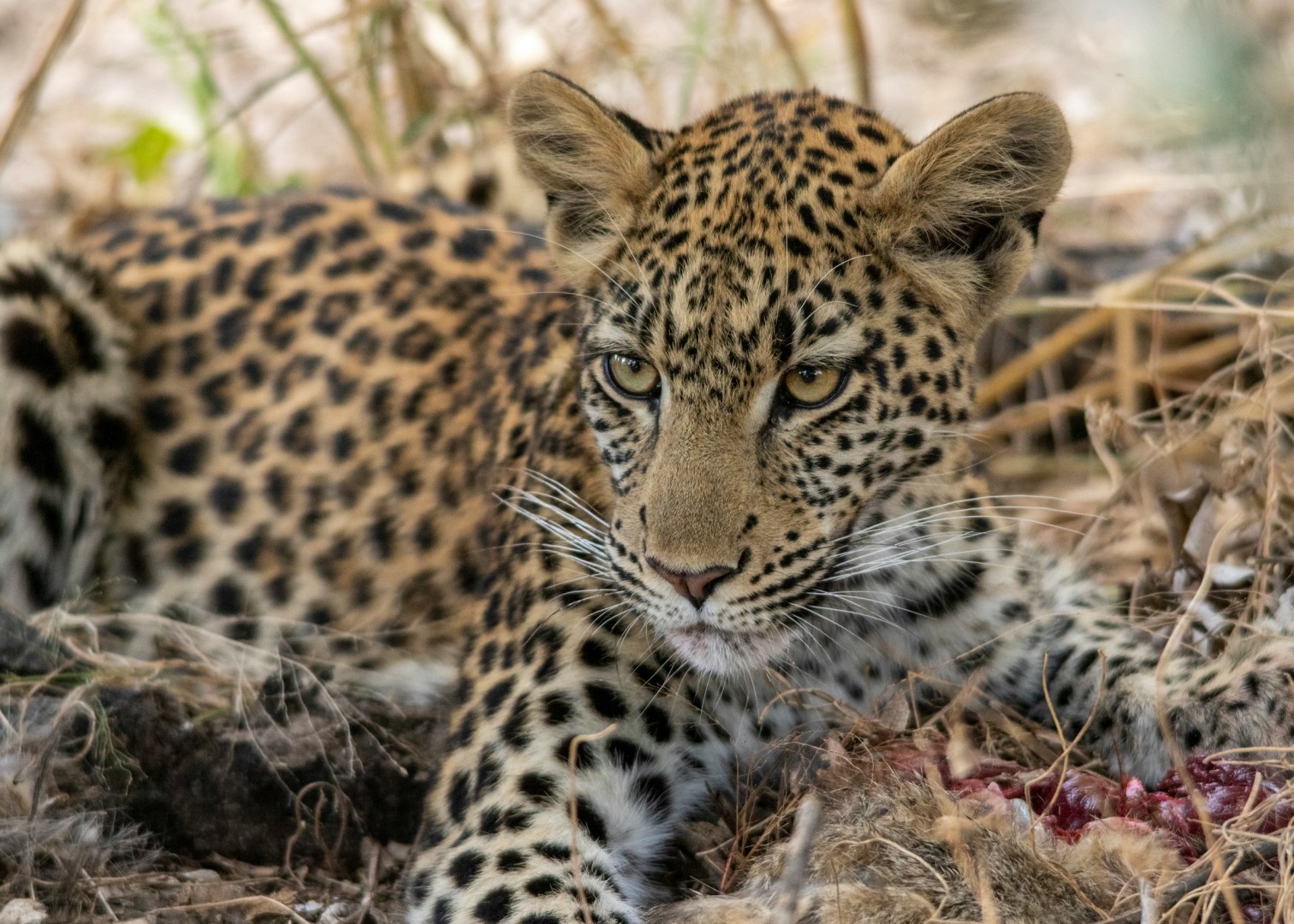
Khwai
Khwai is a small community in northern Botswana situated beside the Khwai River, on the eastern edge of the Okavango Delta. Its location places the village between the Moremi Game Reserve and the Chobe National Park area, within a landscape of floodplains, seasonal wetlands, grasslands, mopane woodland, and riverine forest.
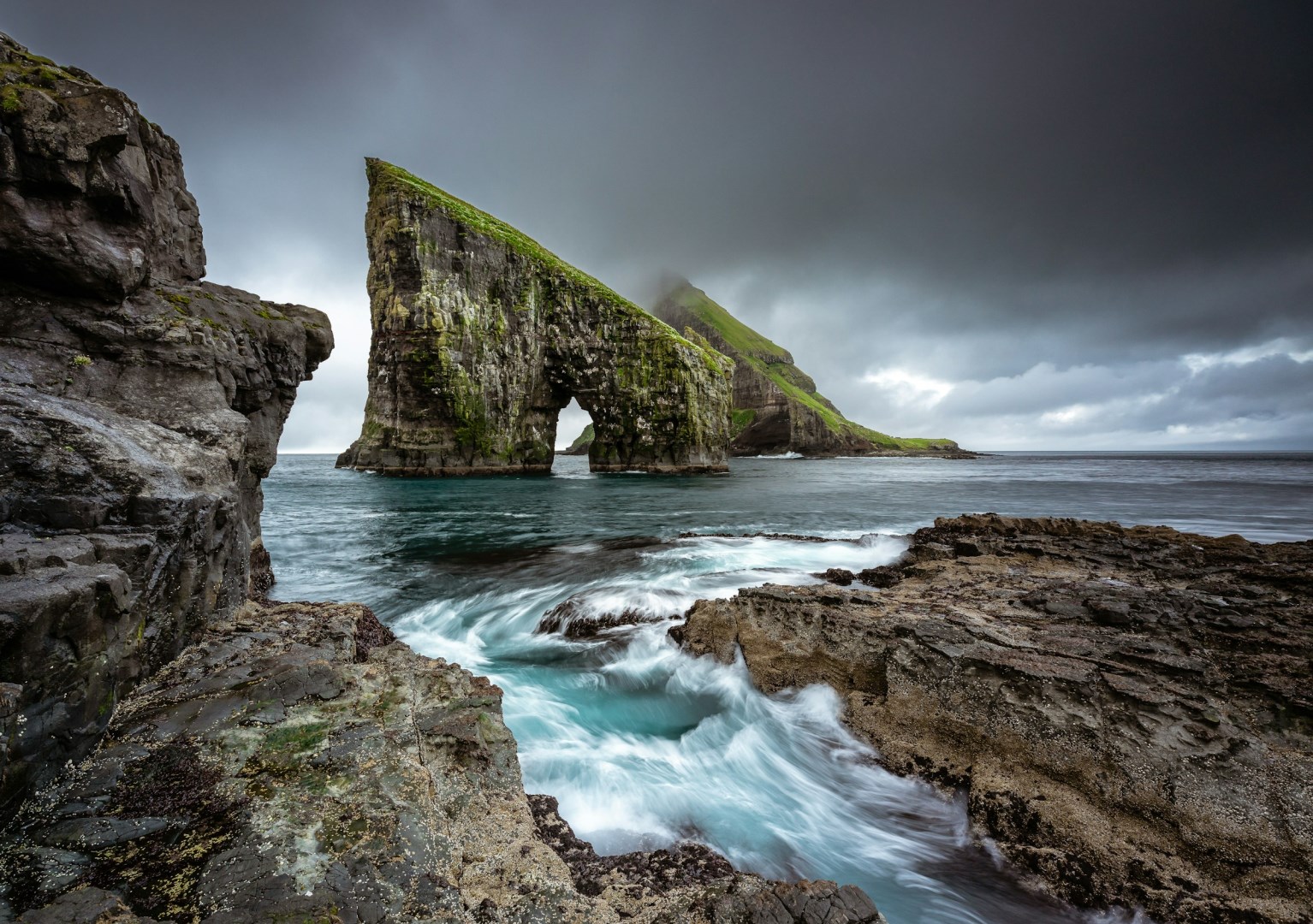
Vágar
Vágar is one of the western islands of the Faroe Islands and the main arrival point for many visitors, with the archipelago’s only airport located near Sørvágur. The island combines high mountains, freshwater lakes, steep sea cliffs, and small villages set along sheltered bays. Its landscape is particularly varied for its size, ranging from the agricultural fields around Miðvágur and Sandavágur to the rugged western coast near Bøur and Gásadalur.
