
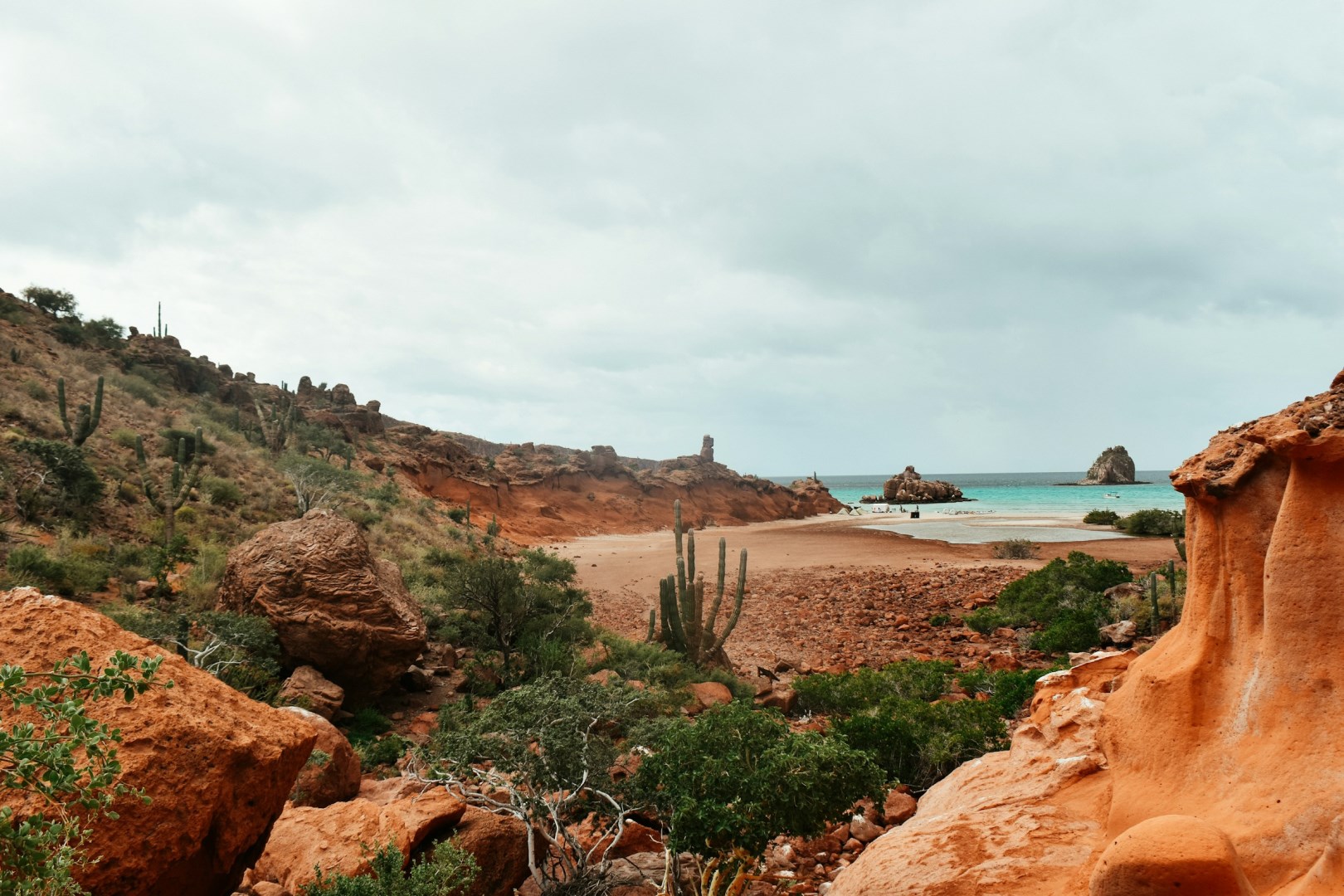
Isla Espiritu Santo
One of the most beautiful islands in the Sea of Cortez, with deeply indented shorelines and dramatically eroded cliff faces.
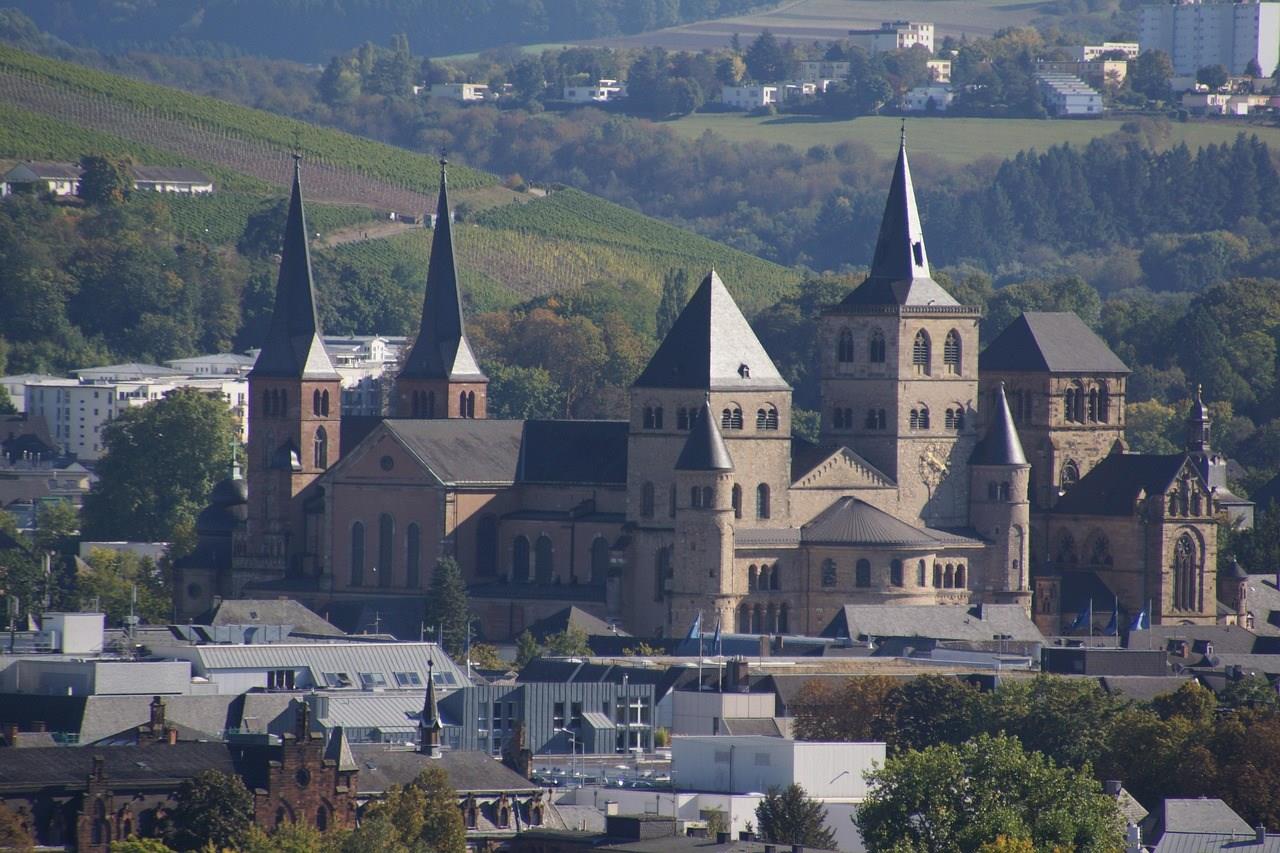
Trier
Trier, Germany’s oldest city, is a living museum nestled in the Moselle Valley, where Roman ruins rise beside medieval churches and bustling market squares. Founded by the Romans in 16 BCE, Trier was once known as “Roma Secunda,” the second Rome, and still boasts the largest collection of Roman architecture north of the Alps. The Trier Cathedral (Dom St. Peter), which is a UNESCO World Heritage Site, is the oldest church in Germany and houses a relic said to be the Holy Robe of Christ.
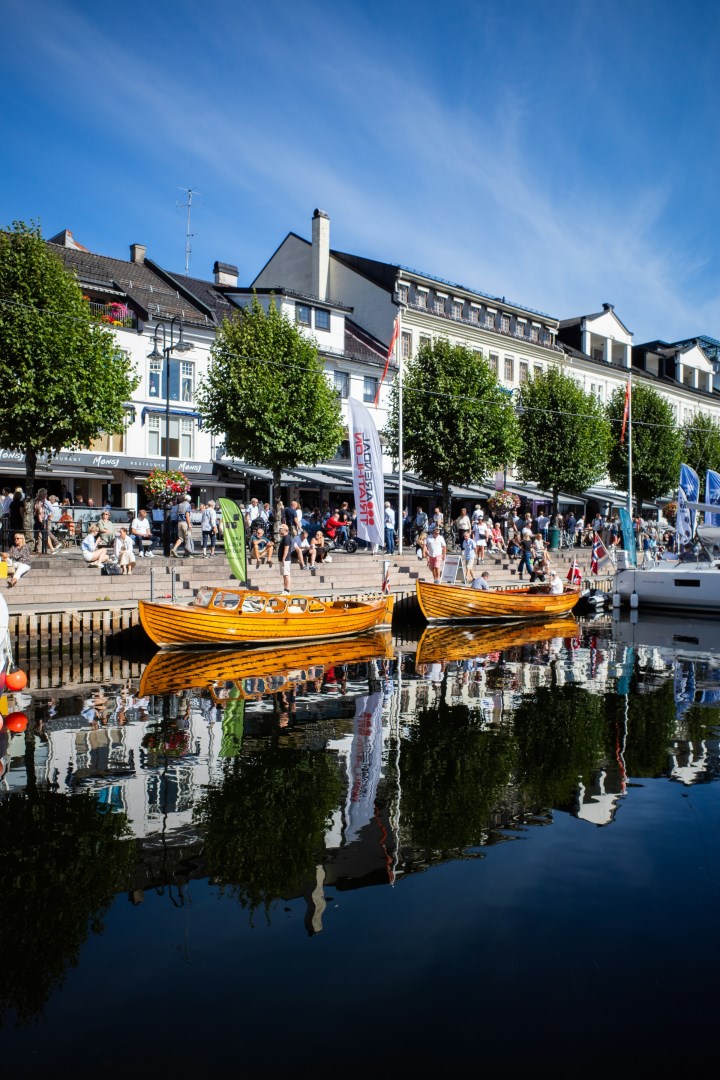
Arendal
Arendal is a coastal city in Agder, southern Norway, set around a sheltered harbor and a chain of islands and skerries along the Skagerrak. The city center combines maritime activity with historic wooden buildings, waterfront streets, and the inner harbor of Pollen. Arendal’s location has long influenced its economy and character, with shipping, forestry, and mining playing important roles in its development.

Serengeti
Serengeti, Tanzania, is a jewel of the African continent, renowned for its spectacular wildlife and breathtaking landscapes. This iconic destination is synonymous with the Great Migration, one of nature’s most awe-inspiring events. Each year, millions of wildebeest, zebras, and gazelles traverse the Serengeti’s vast plains in search of fresh grazing grounds, creating a dramatic and unforgettable spectacle.
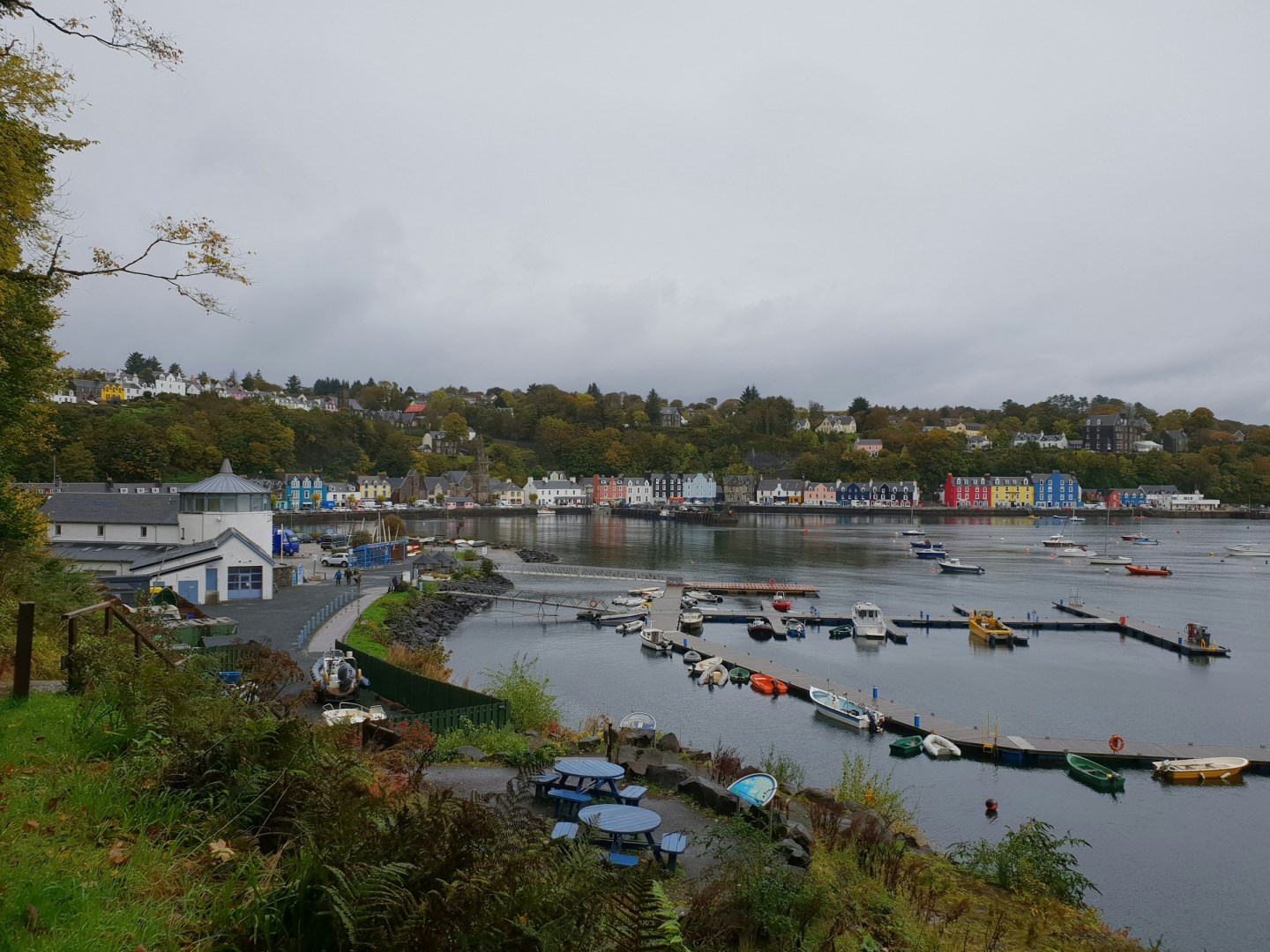
Tobermory
Tobermory is the main settlement on the Isle of Mull in Scotland’s Inner Hebrides, arranged around a sheltered natural harbor on the island’s northeast coast. Its waterfront is lined with brightly painted buildings, many of which house shops, cafés, galleries, restaurants, and guesthouses. The harbor remains active with fishing boats, pleasure craft, and ferries, while the surrounding hills rise behind the town.
