

Mozambique
Mozambique, stretching along the southeast coast of Africa, is a country celebrated for its long Indian Ocean shoreline, colorful traditions, and layered history. The country’s coastline is among its greatest treasures.

Newport
Newport, Rhode Island, is a charming coastal city steeped in history and elegance. Often referred to as the "Sailing Capital of the World," Newport offers stunning seaside views, rich colonial heritage, and Gilded Age grandeur. Stroll along the famous Cliff Walk, a 3.5-mile path that weaves between the crashing waves of the Atlantic Ocean on one side and the opulent Newport mansions on the other.

Georgia
Georgia, a state rich in history and natural beauty, offers a captivating blend of cultural experiences and outdoor adventures. In the heart of Atlanta, the Martin Luther King Jr. National Historic Site invites visitors to explore the life and legacy of the civil rights leader through his childhood home and the Ebenezer Baptist Church where he preached.
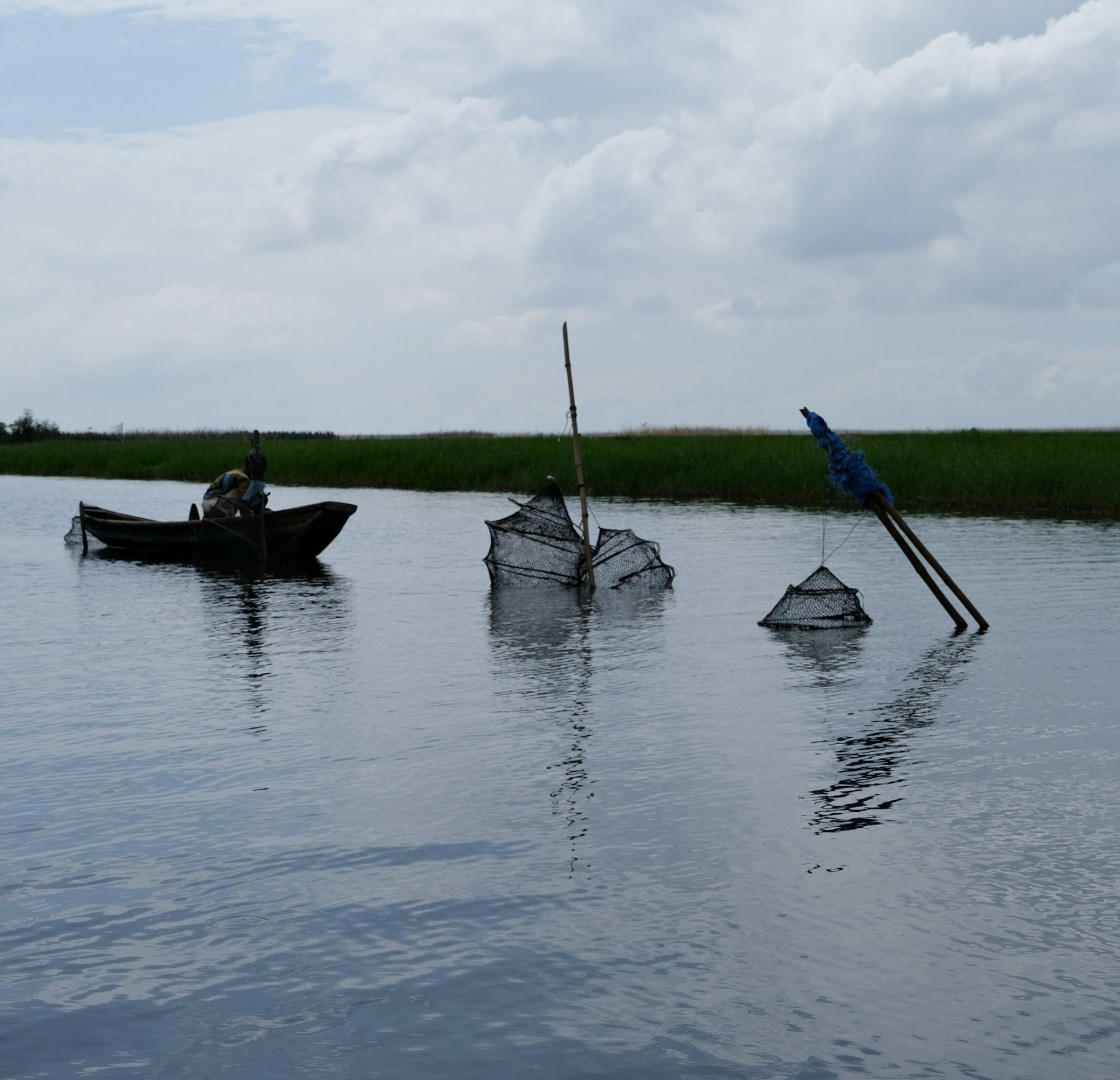
Lake Nokoué
Lake Nokoué is a large lagoon lake in southern Benin, stretching along the Atlantic coastal plain near the cities of Cotonou, Porto-Novo, and Abomey-Calavi. Covering a broad area of shallow water connected to rivers, marshes, and the sea, it plays an important role in transportation, fishing, and daily life for surrounding communities.

Phoenix
The capital and largest city in Arizona, Phoenix, also known as the "Valley of the Sun", offers warm weather for the winter months, excellent golf and tennis resorts, access to Oak Creek Canyon, Grand Canyon and the desert.
