

Phuket
Phuket, Thailand’s largest island, has long served as a cultural and trade crossroads in the Andaman Sea. Centuries ago, it was a stopover for merchants trading tin, spices, and textiles, with influences from Chinese, Portuguese, Indian, and Malay travelers still reflected in the island’s architecture and cuisine. Inland, the Khao Phra Thaeo Wildlife Sanctuary protects rainforest habitat home to gibbons, civets, and exotic birds.
Thyolo
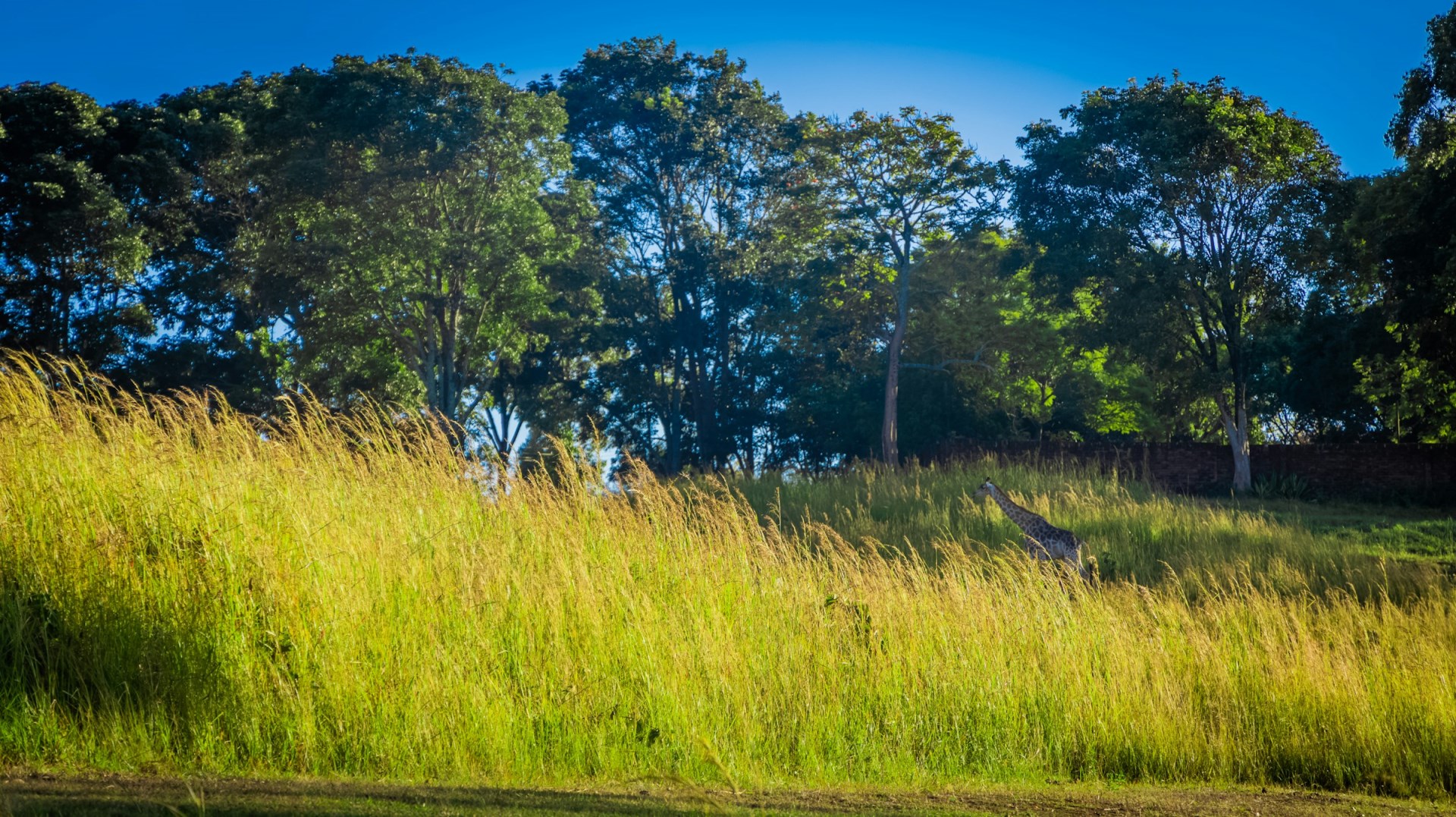
Thyolo is a district and town in southern Malawi, set among the rolling hills of the Shire Highlands between Blantyre and Mount Mulanje. It is best known for its tea estates, where carefully planted rows of tea cover the slopes and form one of the region’s defining landscapes. The area also produces coffee and other crops, while the surrounding highlands support forests and farmland.

Netherlands
The Netherlands offers travelers a landscape where innovation and tradition intersect. In cities like Amsterdam, visitors can explore centuries-old canal networks and Golden Age architecture while also encountering contemporary art installations and sustainable urban design. The Rijksmuseum houses masterpieces by Rembrandt and Vermeer, while a short walk away, the Van Gogh Museum brings visitors closer to one of history’s most studied painters.
Lagos
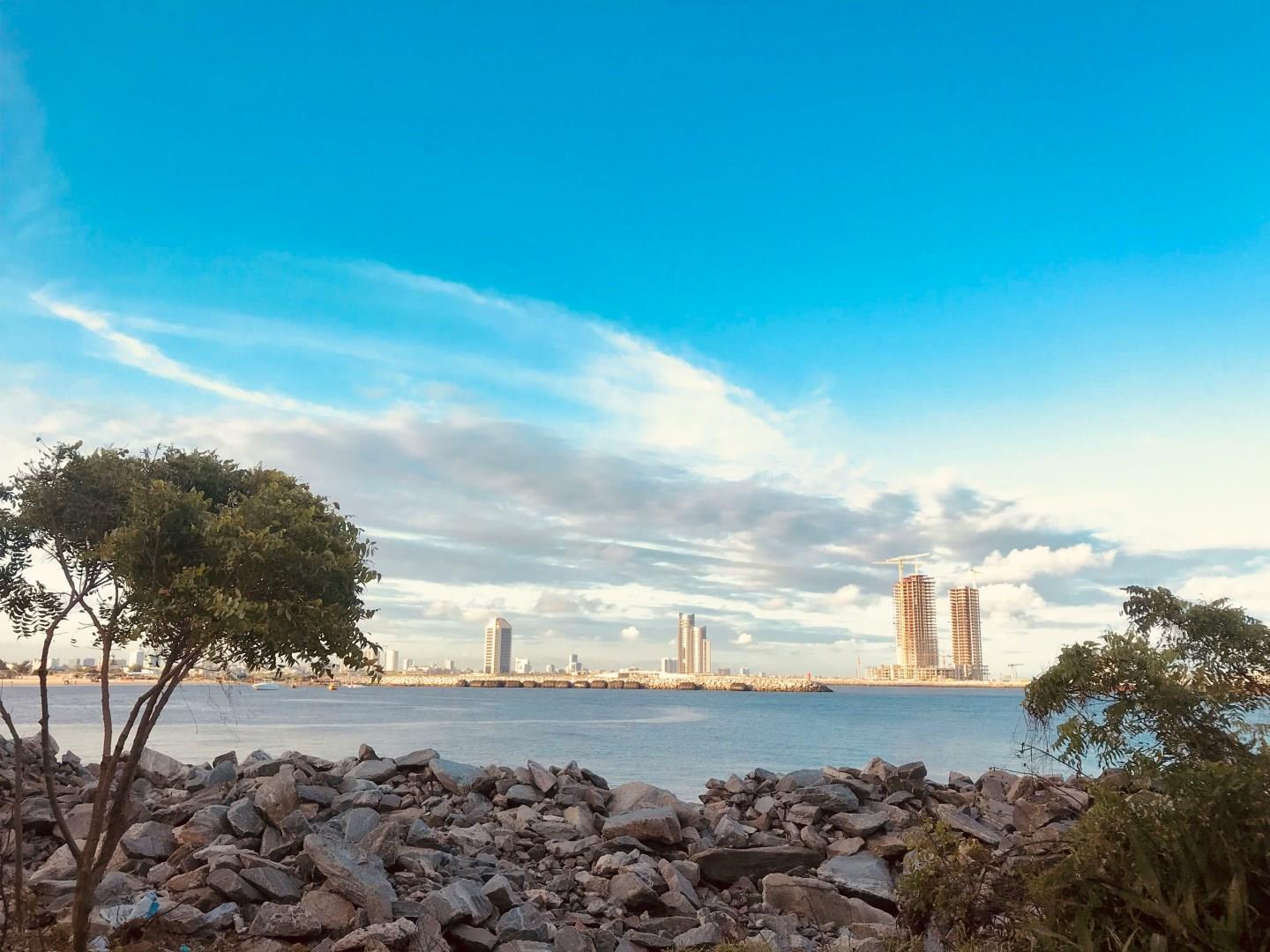
Lagos, Nigeria’s largest city and economic hub, is located on the country’s southwestern coast along the Atlantic Ocean. It is a bustling metropolis where modern skyscrapers and commercial centers meet historic neighborhoods and lively markets.
Karatu
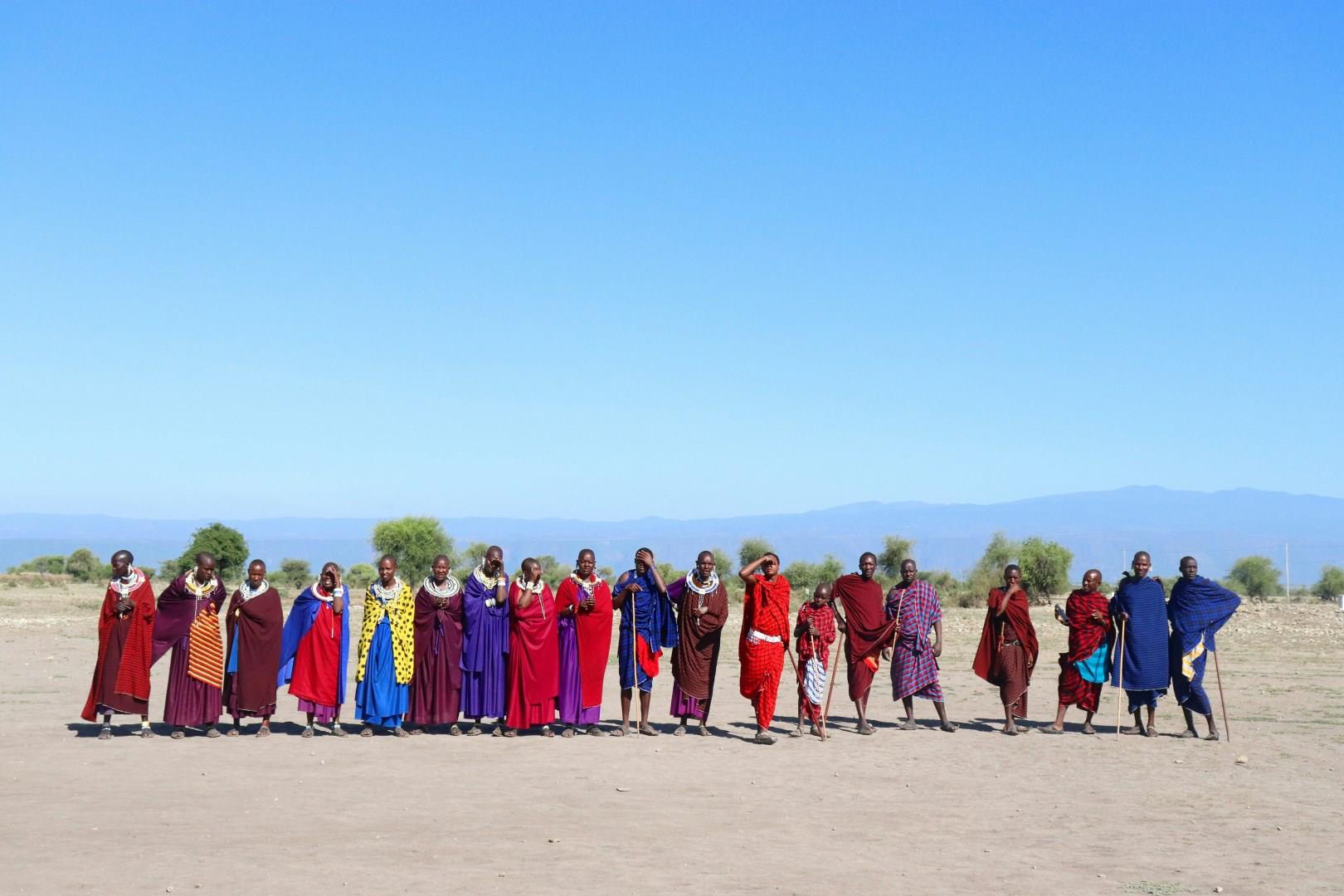
Karatu, located in northern Tanzania between Lake Manyara and the Ngorongoro Crater, is more than just a stopover for safari-goers. This highland town, surrounded by rolling farmland and volcanic hills, offers travelers a closer look at daily life in the region. The area is home to the Iraqw people, known for their terraced farming, traditional homesteads, and unique language unrelated to most other East African tongues.
