
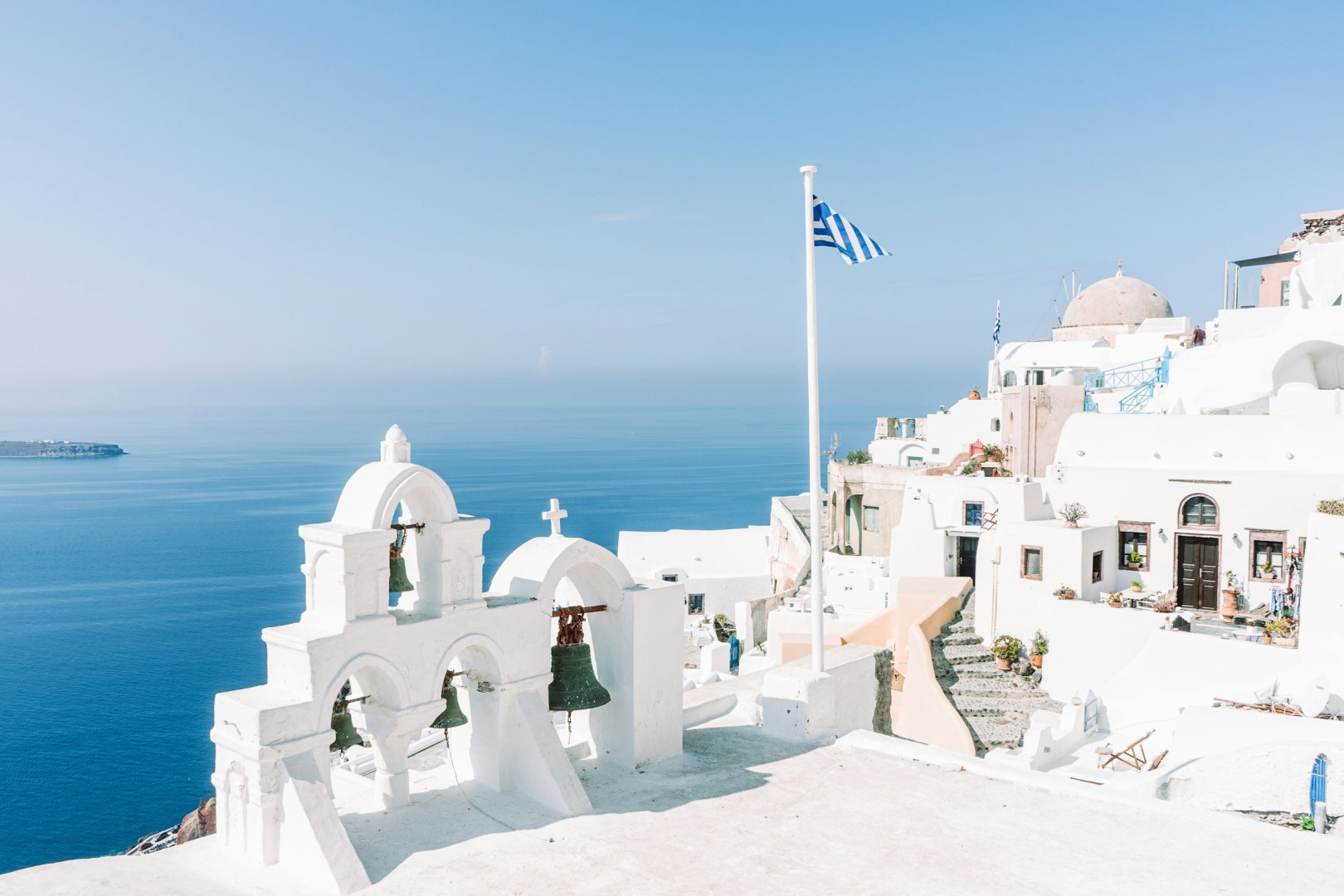
Oia
Oia is a historic village on the northern tip of Santorini, built along the steep rim of the island’s volcanic caldera. Its whitewashed houses, cave dwellings, blue-domed churches, and narrow pedestrian lanes follow the contours of the cliffs above the Aegean Sea. The village developed a strong maritime identity through its captains’ houses and seafaring families, many of which are preserved among its traditional buildings.

Delphi
Delphi is an iconic historical site and was once the sacred precinct of classical Greece, due to its role in Greek myth as the seat of a prophetic oracle. Originally considered the center of the world by ancient Greeks, today's Delphi is a UNESCO World Heritage site and archaeological wonder, filled with the ruins of theaters, temples, treasuries, and other remains of centuries-old architecture.

Inverness
Inverness, the cultural capital of the Scottish Highlands, is a city where ancient history meets stunning natural beauty. Situated at the mouth of the River Ness, Inverness is often called the "Gateway to the Highlands" and serves as the perfect starting point for exploring Scotland's rugged landscapes and rich heritage. One of the city’s most iconic landmarks is Inverness Castle, perched on a hill overlooking the River Ness.
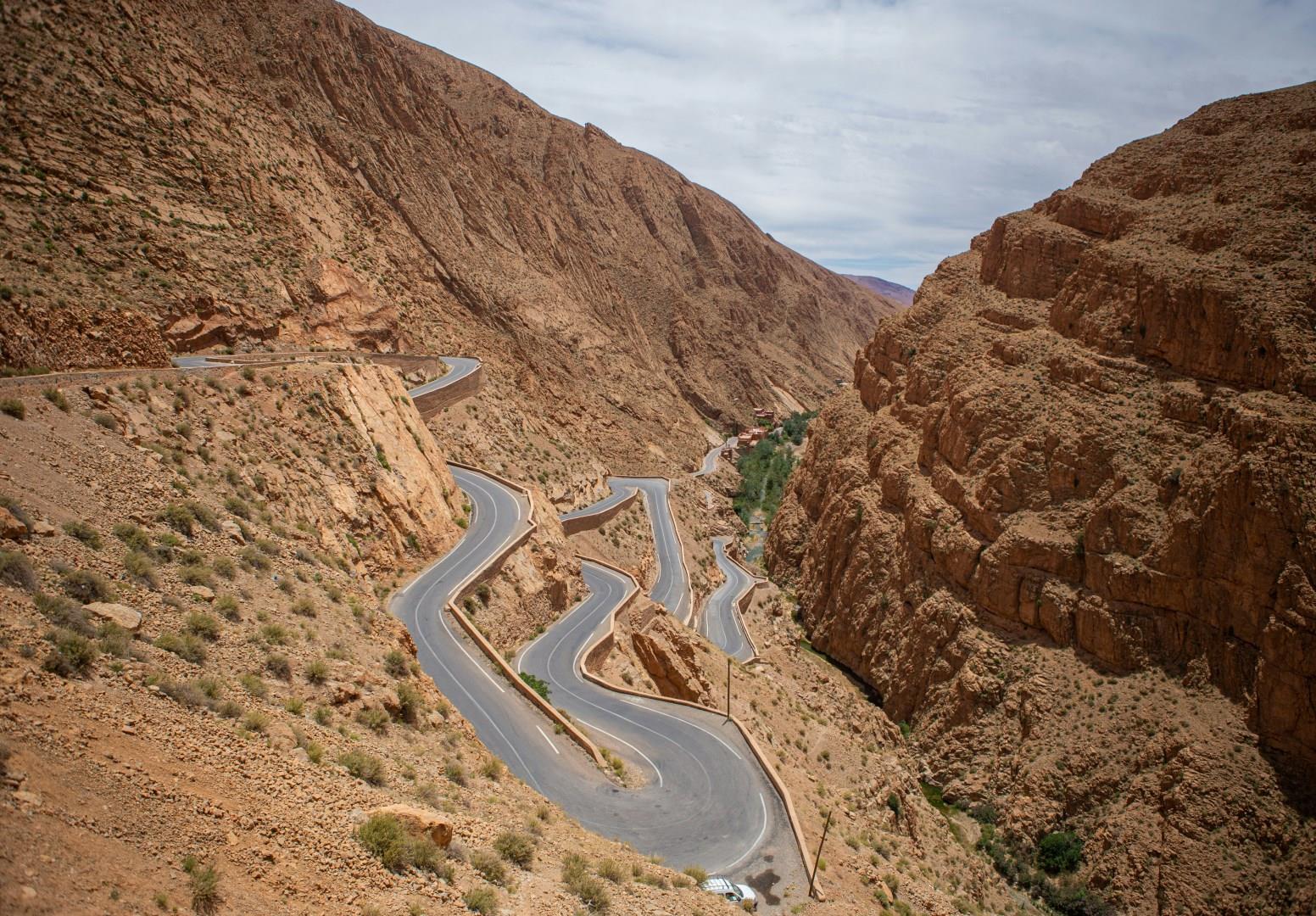
Dades Gorges
The Dades Gorges, carved by the Dades River in Morocco’s High Atlas Mountains, offer a winding stretch of road, towering rock walls, and centuries-old kasbahs perched on the cliffs. Located between the towns of Boumalne Dades and M’semrir, the gorge is especially known for its switchback road, often nicknamed “the snaking road of Tissadrine.” It’s a favorite among photographers and motorcyclists, with hairpin curves that reveal a new layer of landscape with every turn.

Versailles
Versailles, just a short journey from Paris, is a city where grandeur and history converge in a stunning display of French royalty. At the heart of this city lies the iconic Palace of Versailles, a UNESCO World Heritage site that was once the residence of Louis XIV, the Sun King.
