
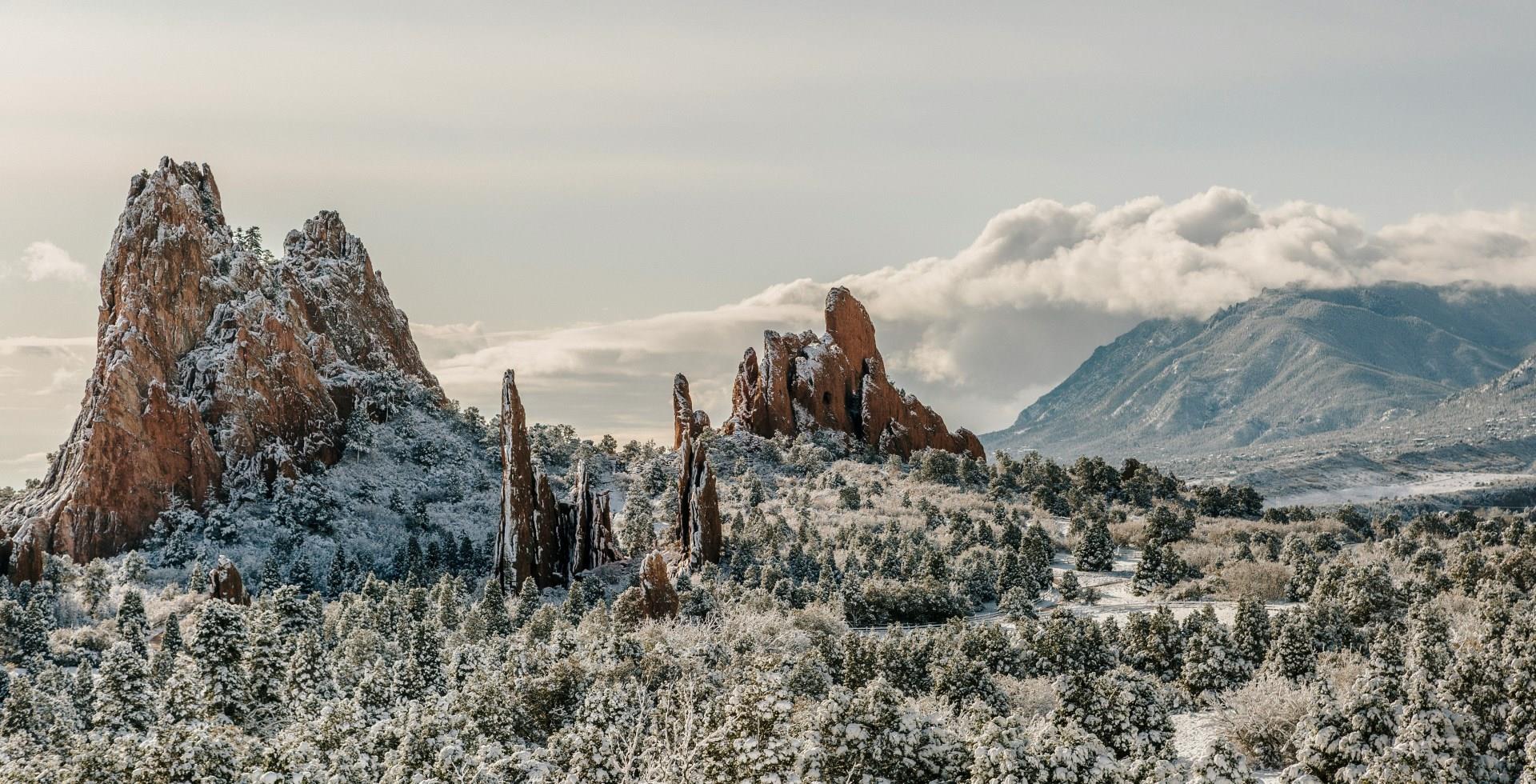
Colorado Springs
Modern-day Colorado Springs is flourishing, as the second largest city in Colorado. Fortunately, the unique features which attracted people long ago still remain. Nature entices with her array of textures and striking colors. People from all over the world visit to appreciate the countless natural and man-made attractions the Pikes Peak region has to offer.
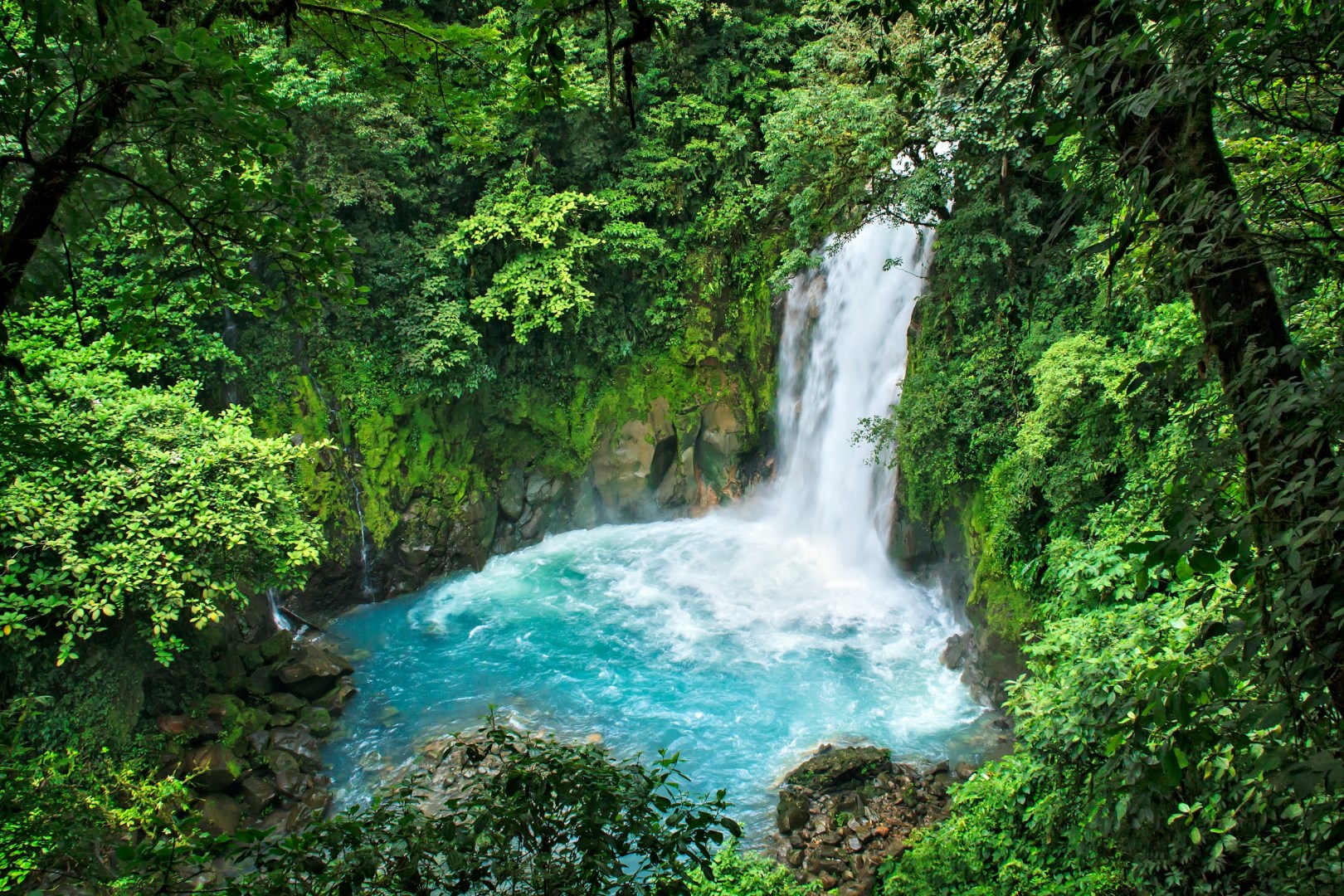
Tenorio Volcano National Park
A relatively recent addition to Costa Rica's list of national parks is Tenorio Volcano National Park, home to its namesake Tenorio Volcano as well as its taller sister, Miravalles Volcano, also the highest mountain in the Guanacaste Mountains.

French Polynesia
An enchanting paradise in the heart of the South Pacific, French Polynesia is made up of over 100 islands known for their crystal-clear lagoons, lush mountains, and vibrant coral reefs. The islands’ warm, tropical climate combined with its stunning landscapes, from towering waterfalls to dramatic volcanic peaks, invite travelers to step into a world of natural wonder and beauty.
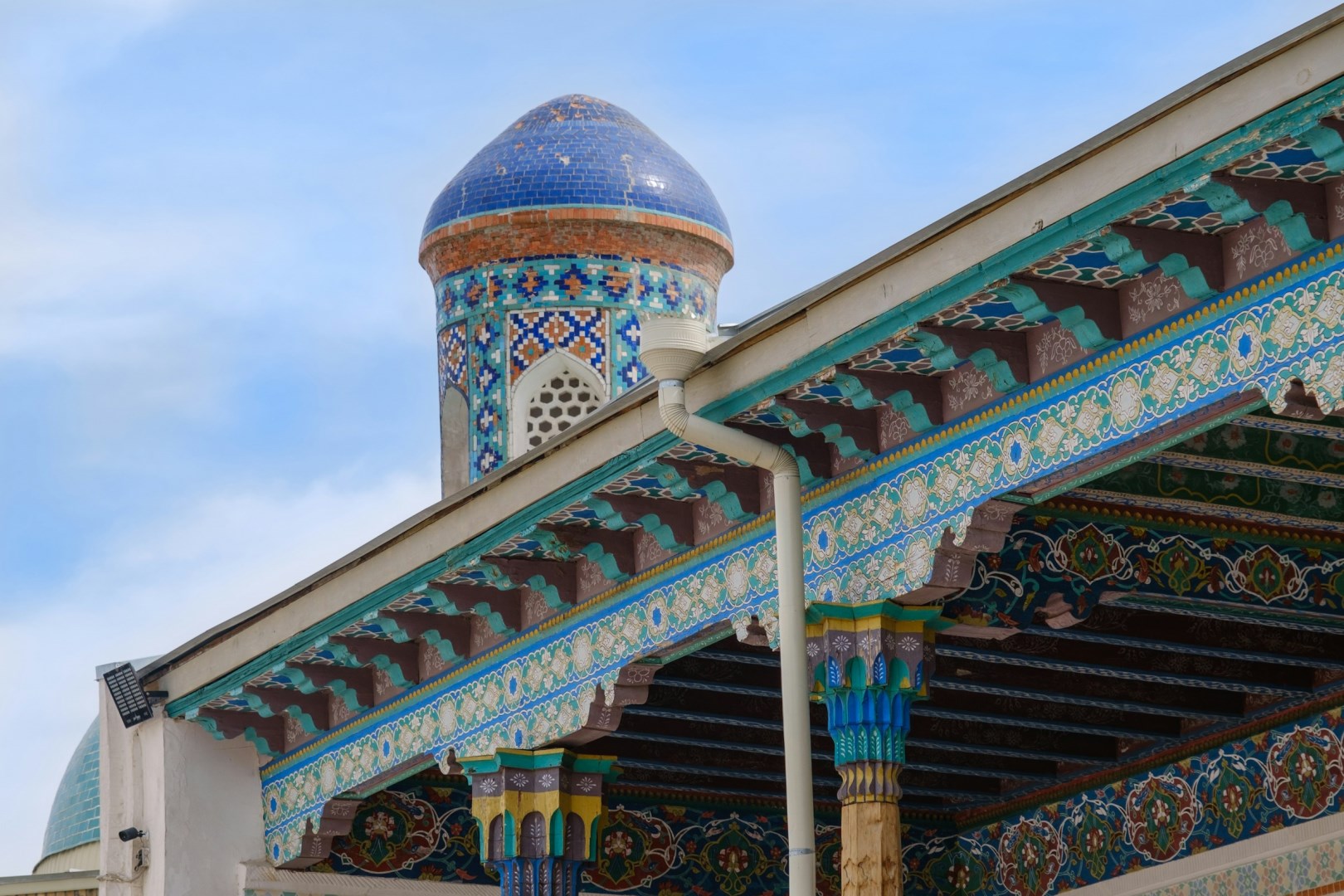
Kokand
Kokand is a historic city in the eastern part of Uzbekistan’s Fergana Valley, known for its connection with the former Kokand Khanate and its long tradition of trade, scholarship, and craftsmanship. The city developed as an important center along regional routes linking the Fergana Valley with other parts of Central Asia. Today, Kokand combines broad streets and modern neighborhoods with mosques, madrasas, mausoleums, and palace architecture.
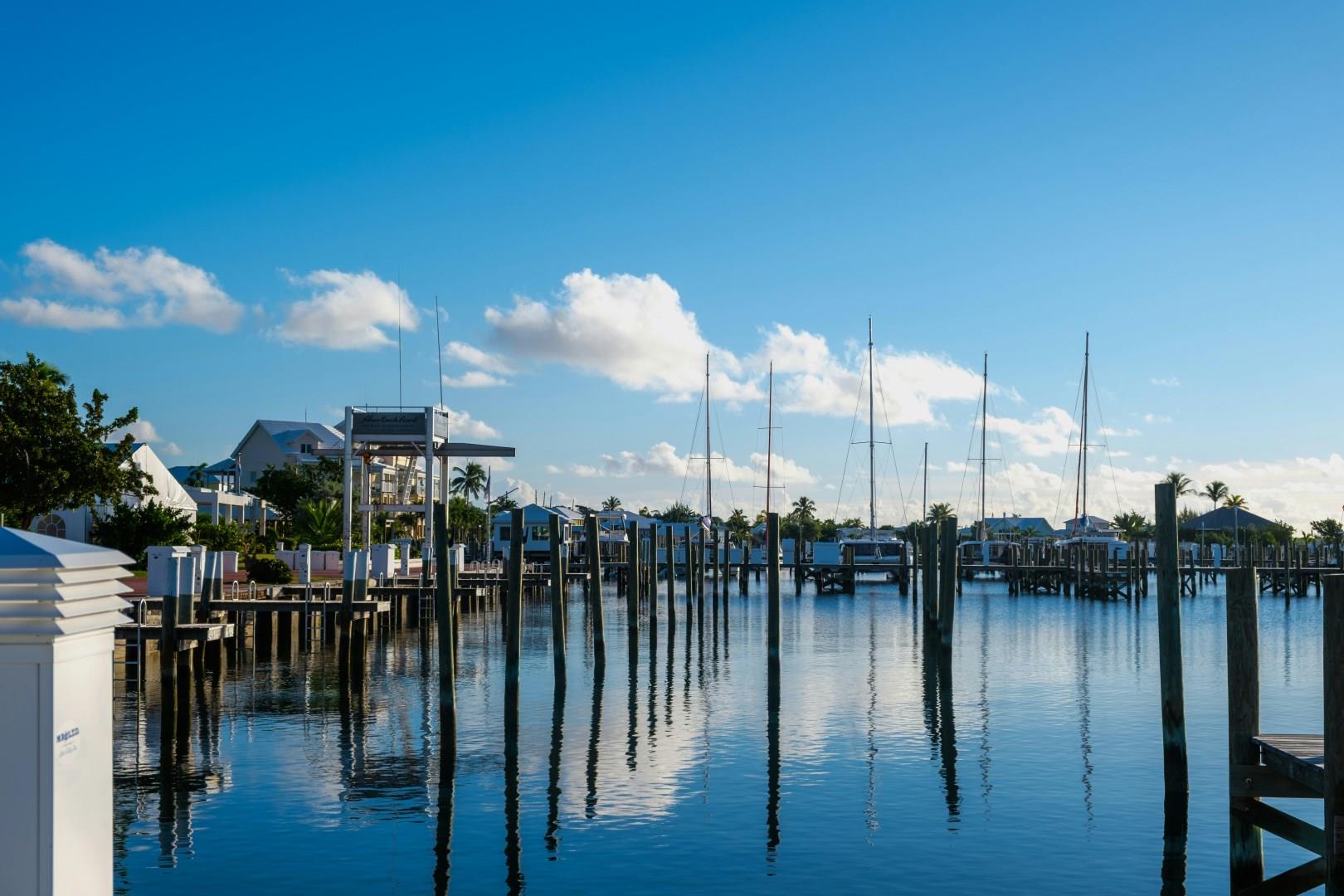
Abaco
The Abaco Islands, part of The Bahamas, stretch across more than 120 cays and islands, offering a laid-back yet adventurous escape. Known for their calm waters and sheltered harbors, the Abacos are often called the sailing capital of The Bahamas, drawing boaters and yachters from around the world.
