
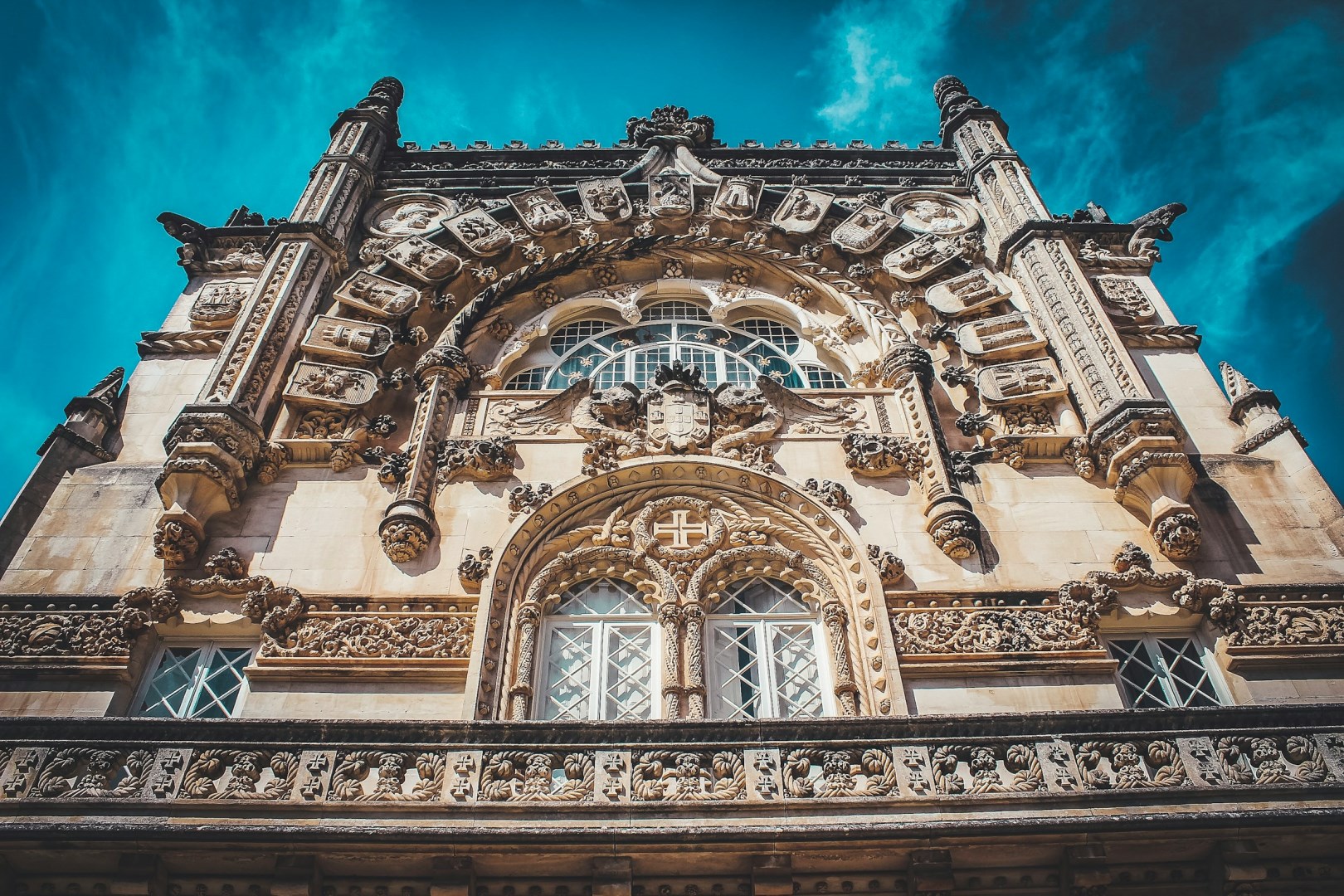
Portugal
Portugal offers a layered experience shaped by maritime history, deep-rooted traditions, and a coastline that stretches for nearly 1,800 kilometers. In Lisbon, the streets of Alfama wind uphill toward São Jorge Castle, where views of red-tiled rooftops and the Tagus River reveal how the city was rebuilt after the 1755 earthquake. Trams still clatter through narrow streets, and fado music, often performed in candlelit taverns, tells stories of longing and the sea.
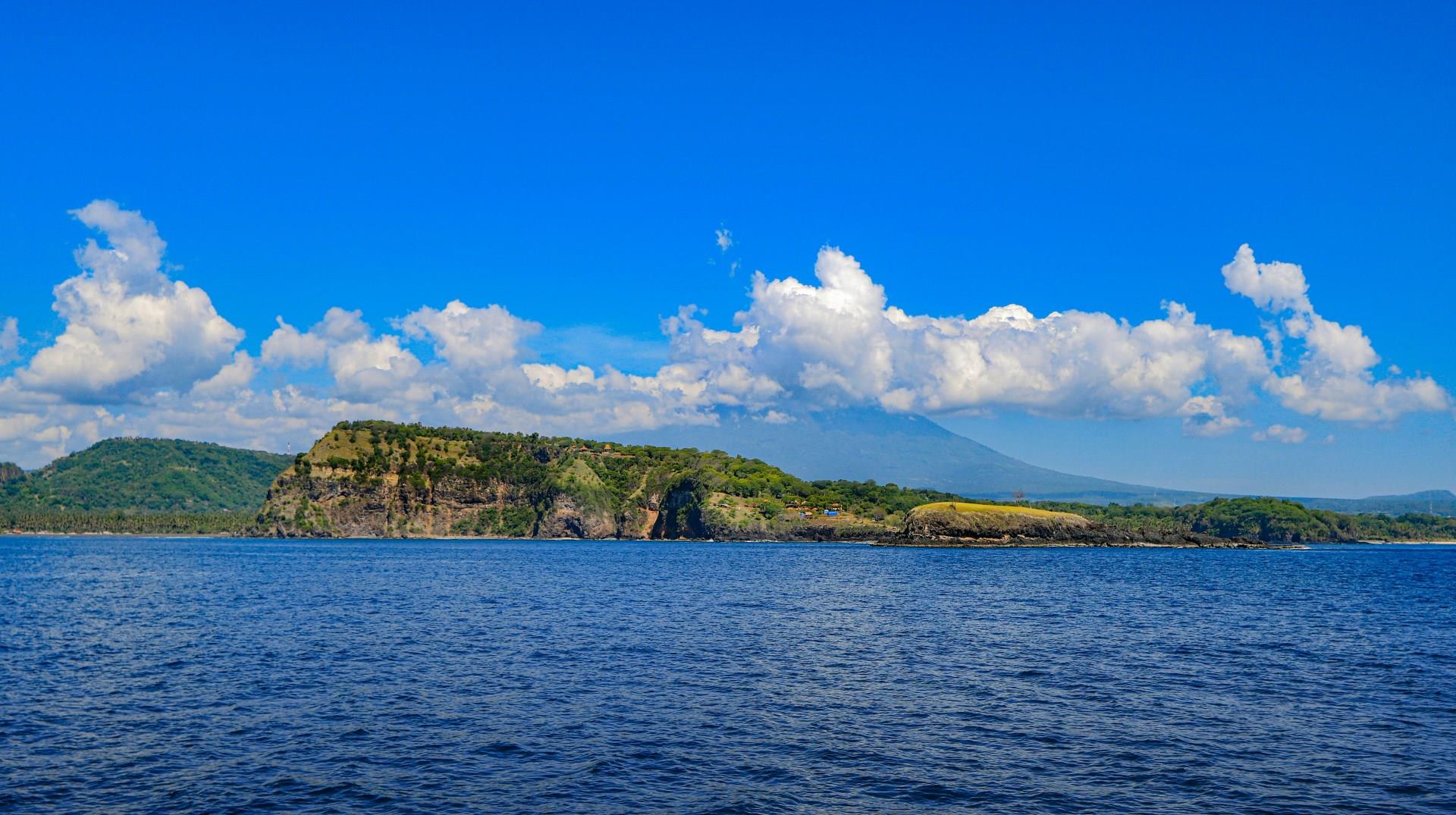
Candi Dasa
Candi Dasa lies along Bali’s quieter east coast, where the village grew around a coastal lagoon once used for ritual and fishing life. Its development has remained low-key compared to southern Bali, and local temples and daily offerings reflect a rhythm shaped more by tradition than tourism.
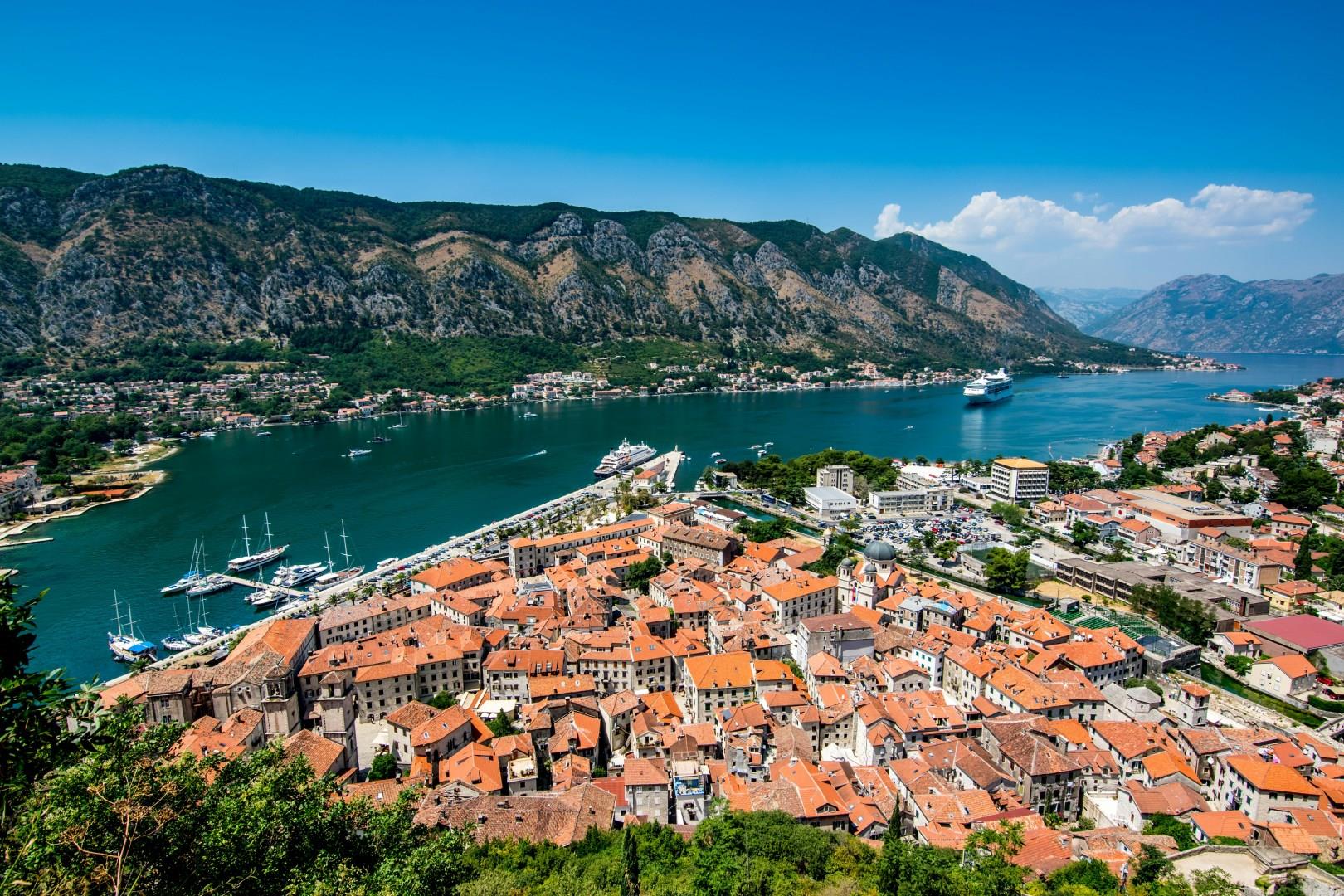
Montenegro
Montenegro, set along the Adriatic Sea, draws travelers with its dramatic landscapes and layered history. The Bay of Kotor, often mistaken for a fjord, is actually a submerged river canyon surrounded by steep cliffs and medieval towns. Kotor itself, a UNESCO World Heritage site, is enclosed by ancient fortifications that visitors can climb for panoramic views stretching from terracotta rooftops to the sea.

El Salvador
El Salvador, the smallest country in Central America, carries a big presence with its blend of history, culture, and dramatic landscapes. Known as the “Land of Volcanoes,” it has more than twenty within its borders, some of which remain active and shape the country’s terrain.
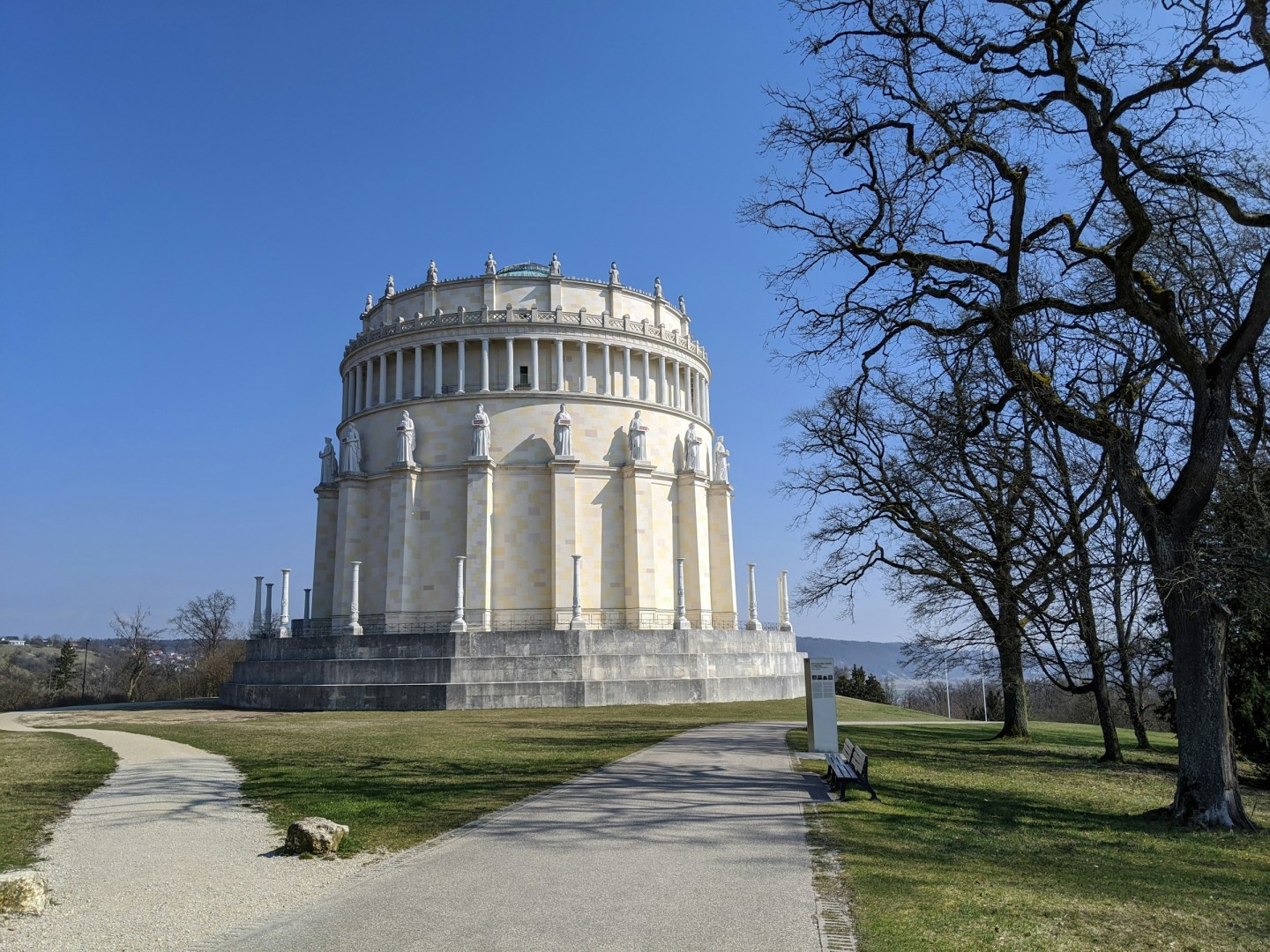
Kelheim
The city of Kelheim is located along the Danube River in the Bavarian region of Germany, southwest of Regensburg.
