
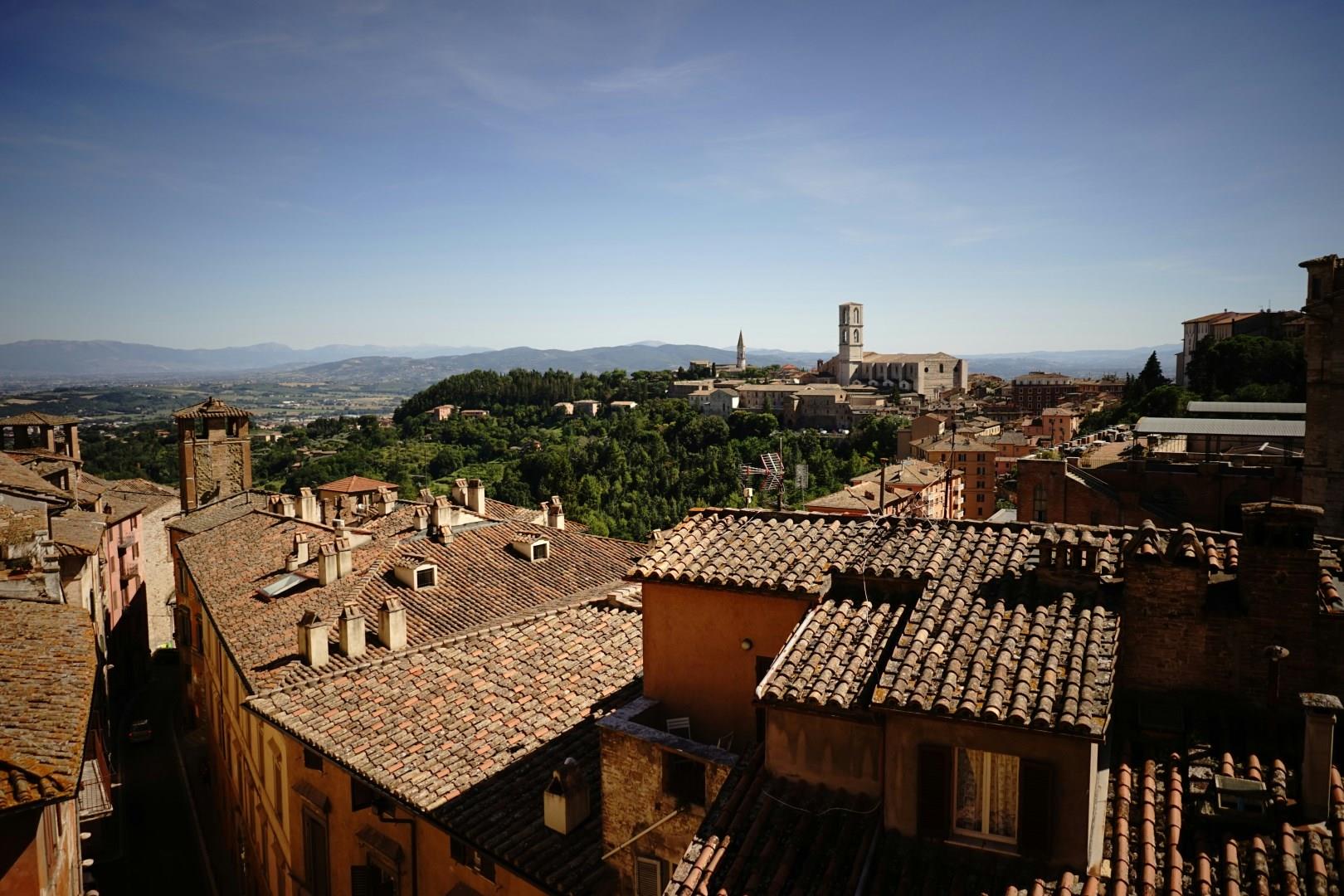
Perugia
Perugia, the capital of Italy’s Umbria region, is a city built across hills and centuries. Originally settled by the Etruscans more than 2,500 years ago, it still holds remnants of their civilization, including one of the largest surviving Etruscan arches in Italy named Arco Etrusco, which greets visitors at the city’s entrance. Walking through the narrow streets of the historic center reveals layers of Roman, medieval, and Renaissance architecture, all woven together within ancient stone walls.
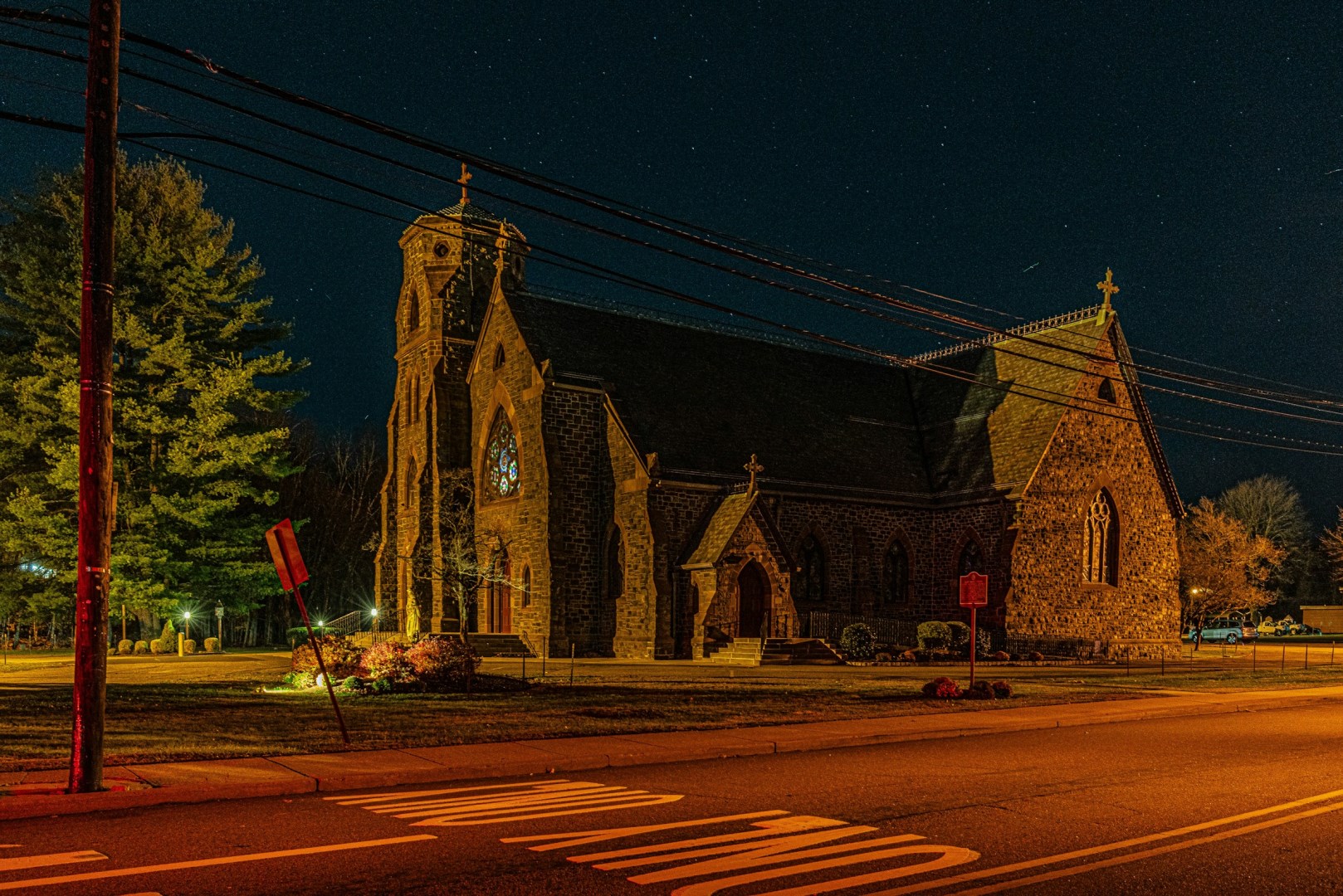
Dover
Dover, located in Morris County, New Jersey, is a small yet historically rich town nestled along the Rockaway River about 30 miles west of New York City. Founded in the early 1700s, Dover grew as an important ironworking and industrial center during the 18th and 19th centuries, thanks to its proximity to the Morris Canal and the region’s abundant natural resources.
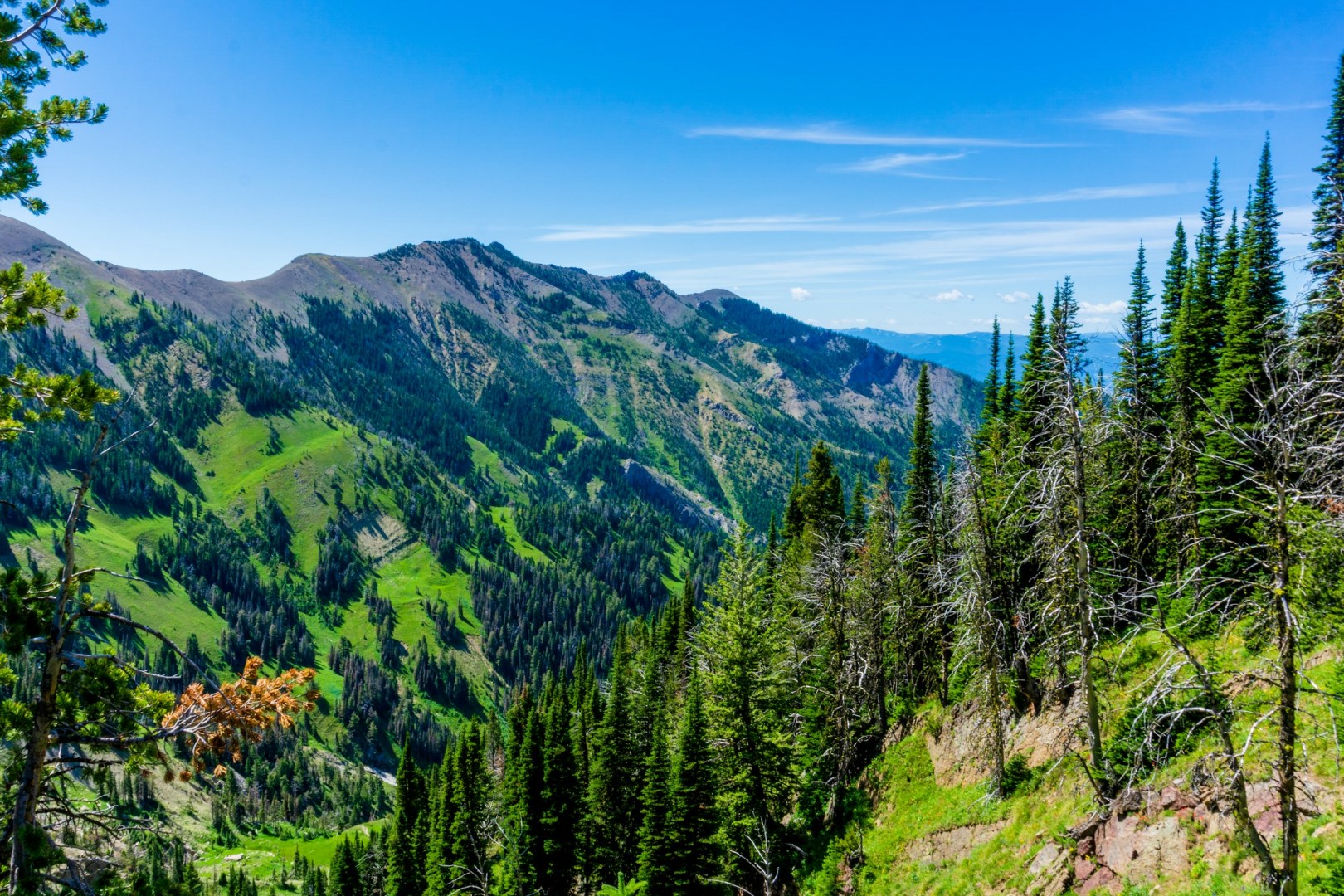
Bozeman
Bozeman, Montana, lies in the Gallatin Valley beneath the Gallatin, Bridger, Madison, and Absaroka mountain ranges. The city combines a historic downtown with a strong university presence and easy access to forests, rivers, and high-country recreation. Main Street remains the center of the older commercial district, with brick buildings housing restaurants, galleries, shops, and cafés.
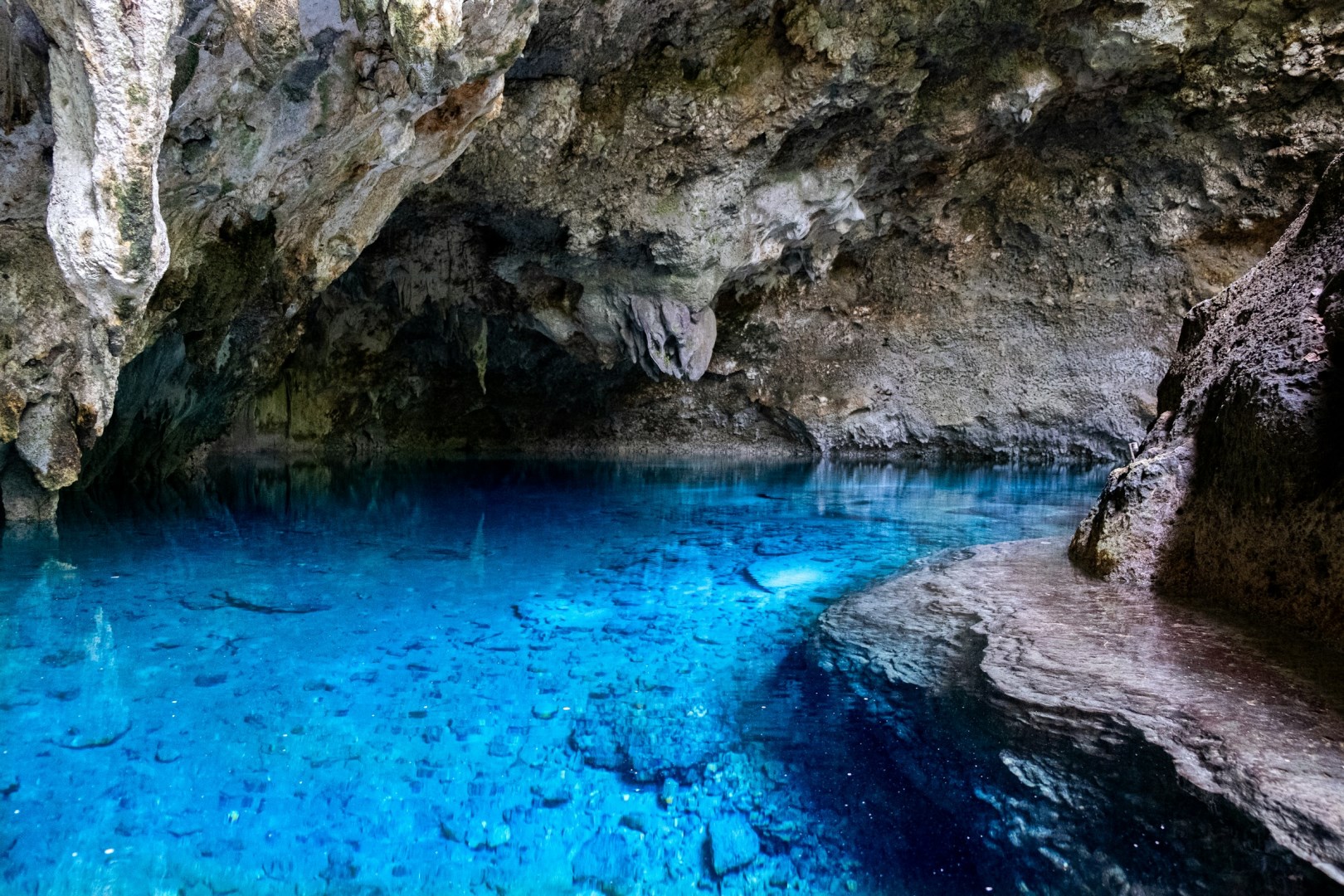
The Three Eyes
Los Tres Ojos (The Three Eyes) National Park is one of the most visited tourist attractions in the Dominican Republic. Made up of a cave system, there are four lakes within, each with their own features or traits.
Tours
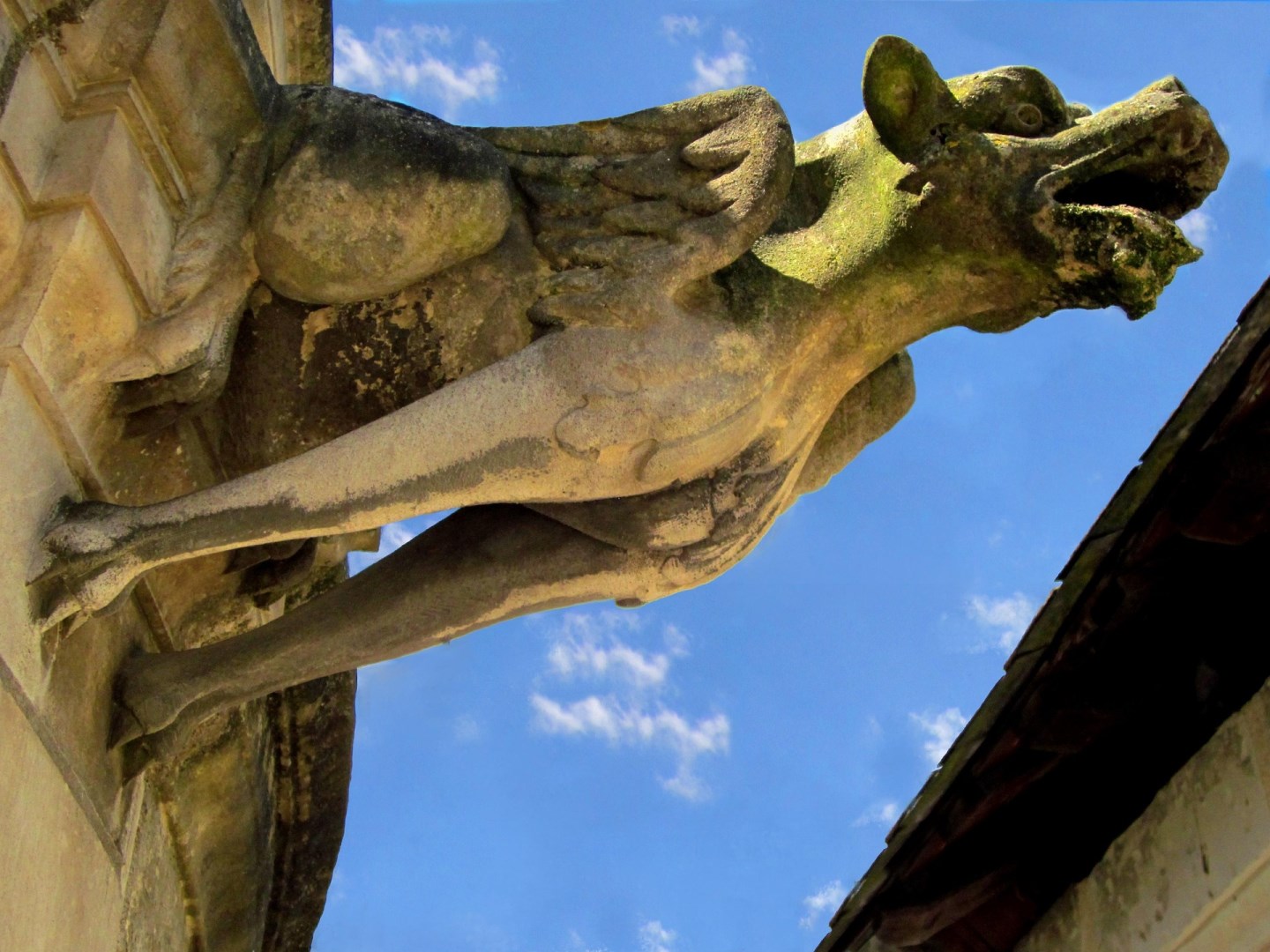
A major industrial area in the Loire Valley, it is an ancient city and was often visited in pilgrimages to pay homage to the tomb of St. Martin, a former bishop of Tours.
