

Bwindi Impenetrable National Park
Bwindi Impenetrable National Park, located in southwestern Uganda, is one of Africa’s most extraordinary natural treasures. Its dense rainforest, often draped in mist, shelters a wealth of biodiversity and has been recognized as a UNESCO World Heritage Site for both its ecological significance and natural beauty. This ancient forest is among the few places on earth where travelers can come face-to-face with mountain gorillas in their natural habitat.
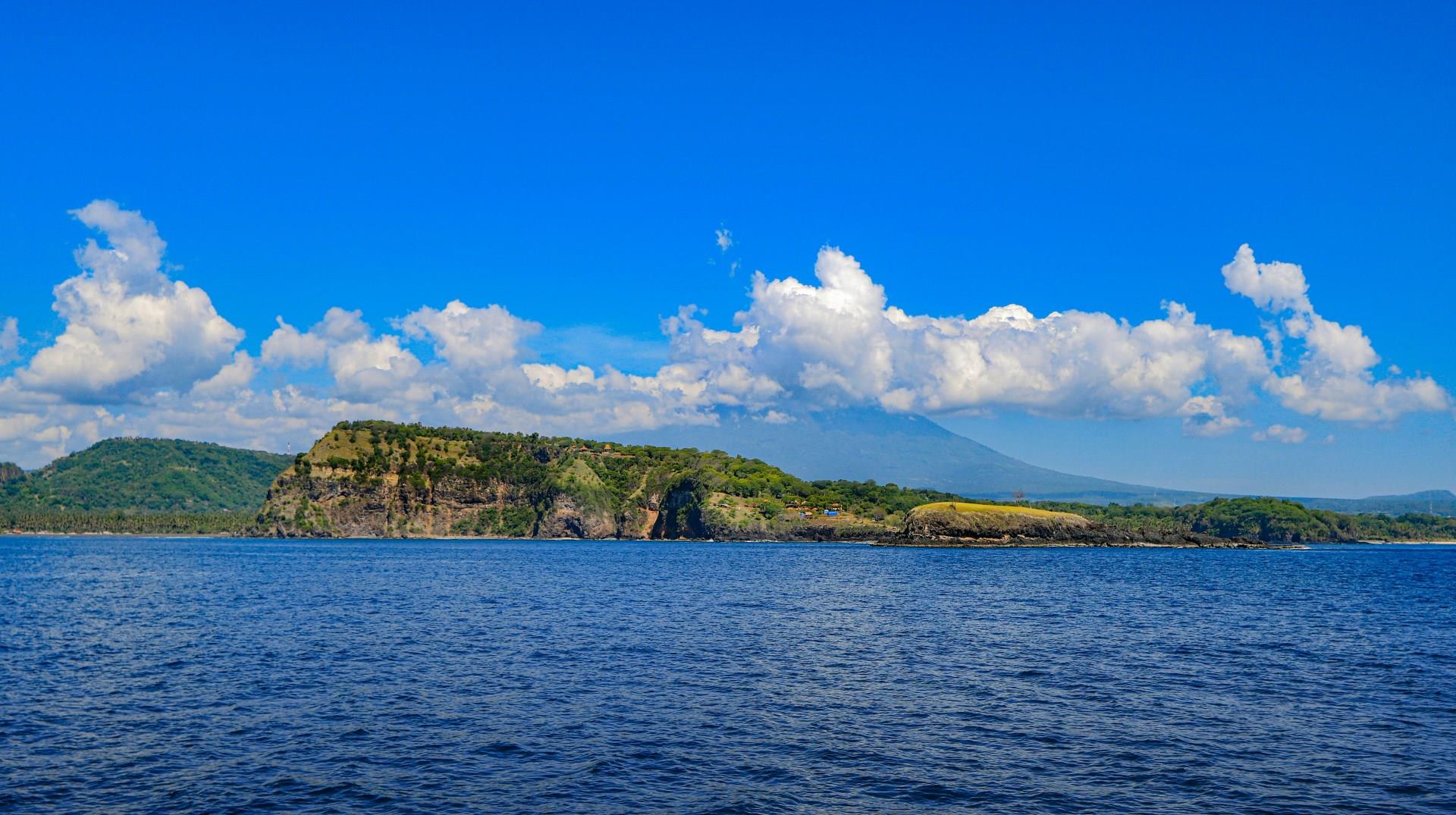
Candi Dasa
Candi Dasa lies along Bali’s quieter east coast, where the village grew around a coastal lagoon once used for ritual and fishing life. Its development has remained low-key compared to southern Bali, and local temples and daily offerings reflect a rhythm shaped more by tradition than tourism.
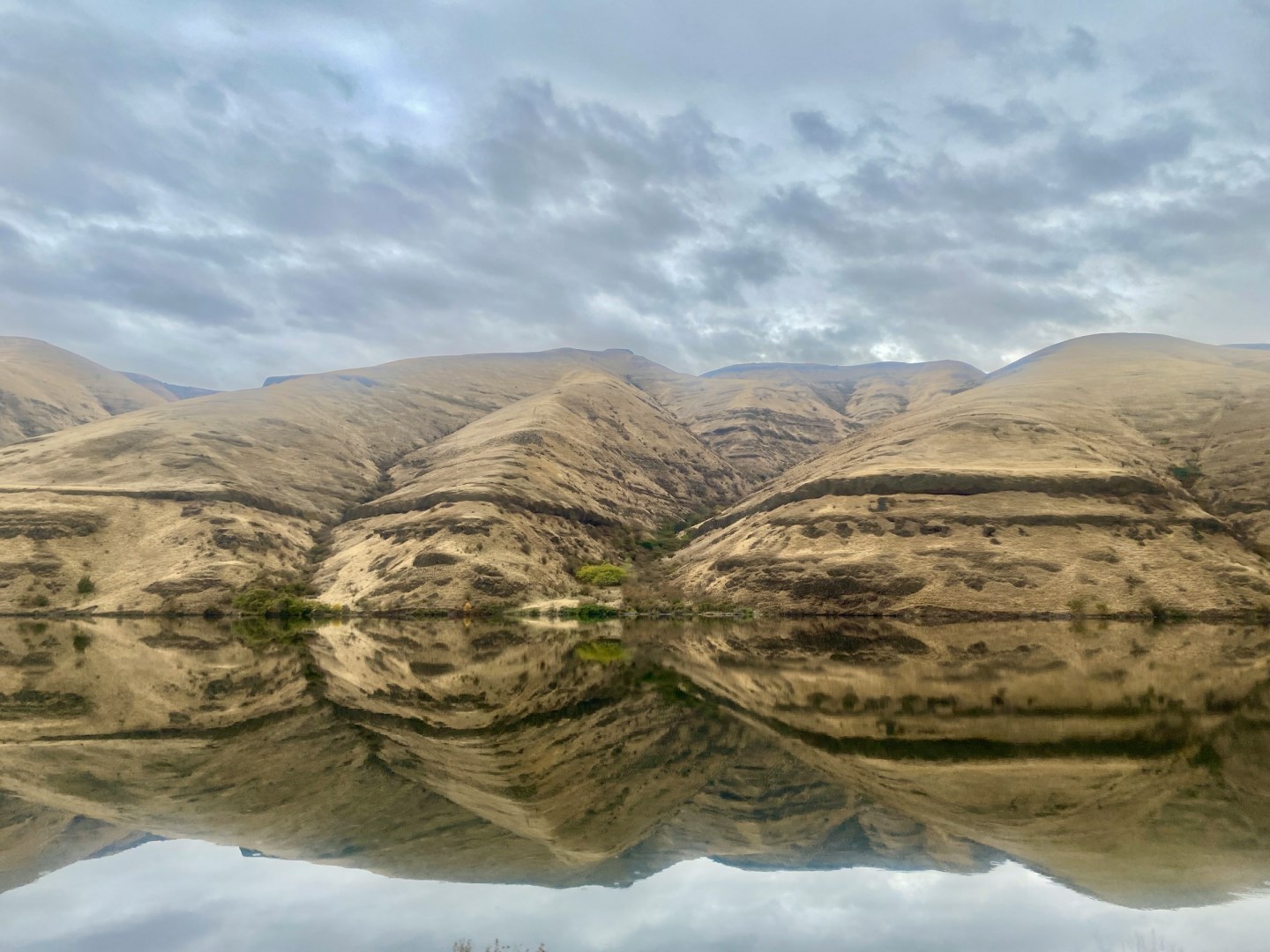
Clarkston
Lewiston and Clarkston are located at the confluence of the Snake and Clearwater Rivers at an elevation of 738 feet above sea level. The valley is rather narrow with a range of hills to the North sloping abruptly to about 2,000 feet above the valley floor.
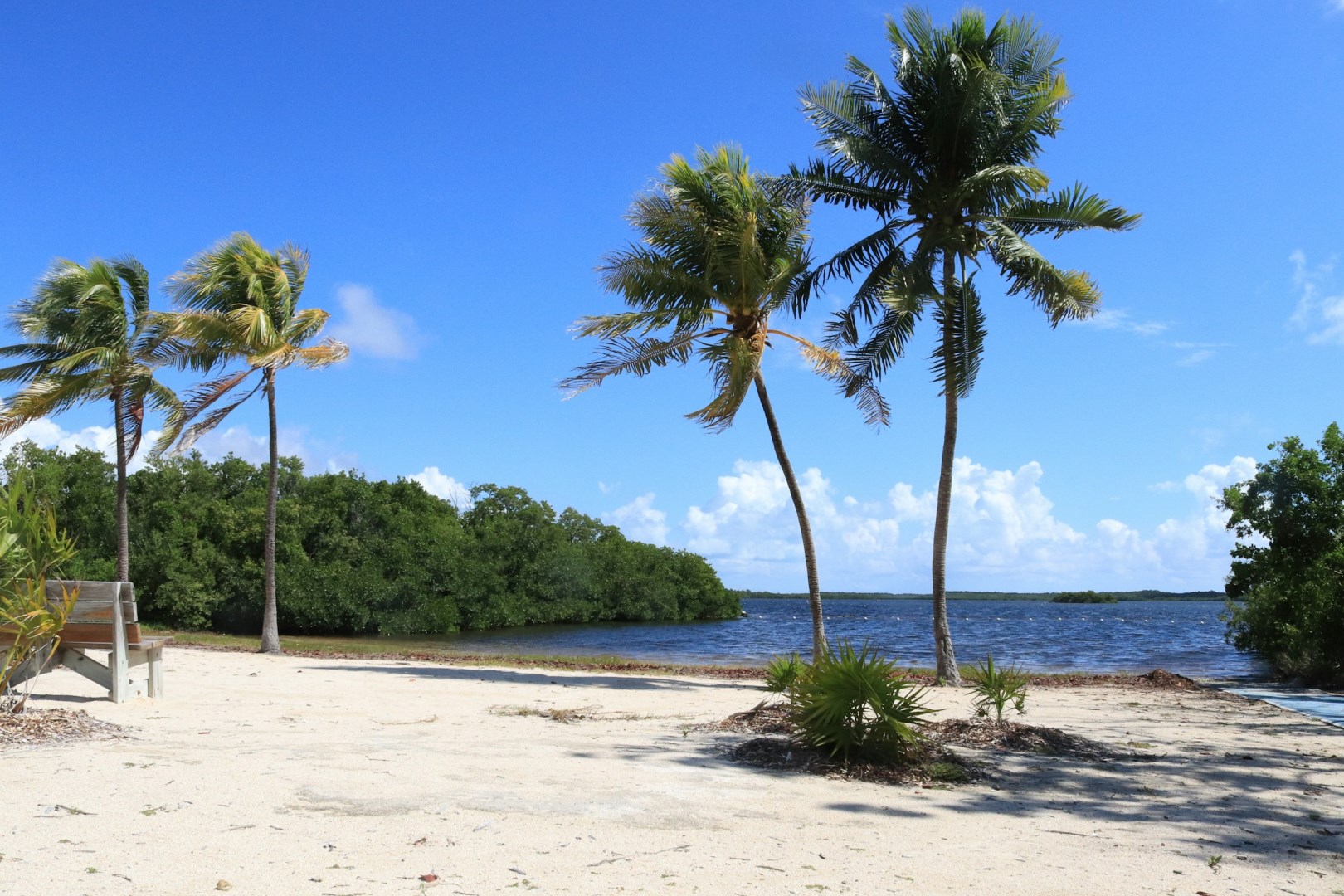
Key Largo
Key Largo, the northernmost of the Florida Keys, is renowned for its pristine natural beauty and vibrant marine life. As part of the Florida Keys archipelago, Key Largo is a gateway to the spectacular underwater world of the John Pennekamp Coral Reef State Park, the first underwater park in the U.S. Here, visitors can explore vibrant coral reefs through snorkeling and scuba diving, or take a glass-bottom boat tour to marvel at the colorful marine ecosystems without getting wet.
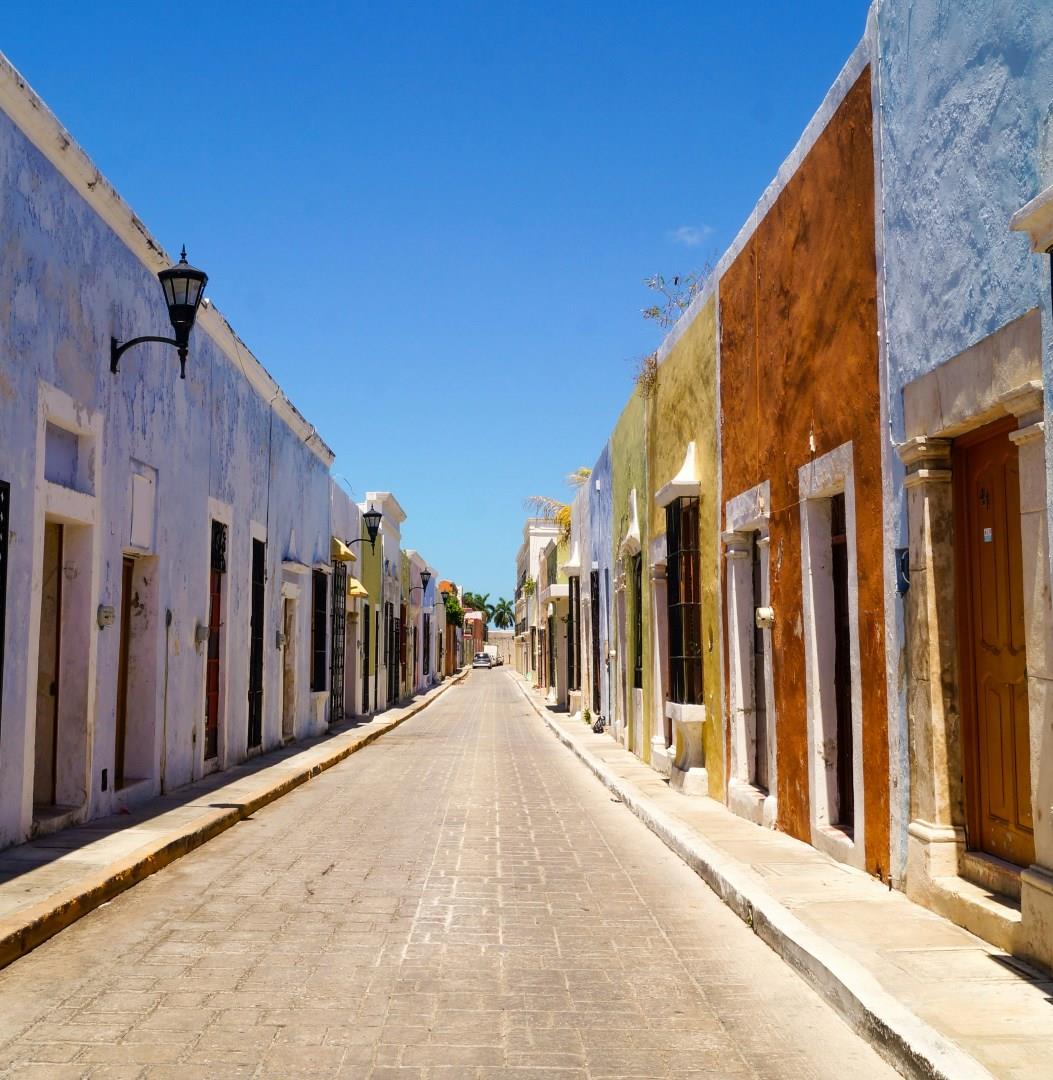
Campeche
The state of Campeche, located on the western edge of the Yucatán Peninsula, is a hidden gem waiting to be discovered by adventurous travelers. Rich in history, culture, and natural beauty, Campeche offers a unique blend of colonial charm and ancient Maya heritage. The state capital, also named Campeche, is a UNESCO World Heritage Site, renowned for its well-preserved Baroque architecture and colorful, pastel-hued buildings.
