
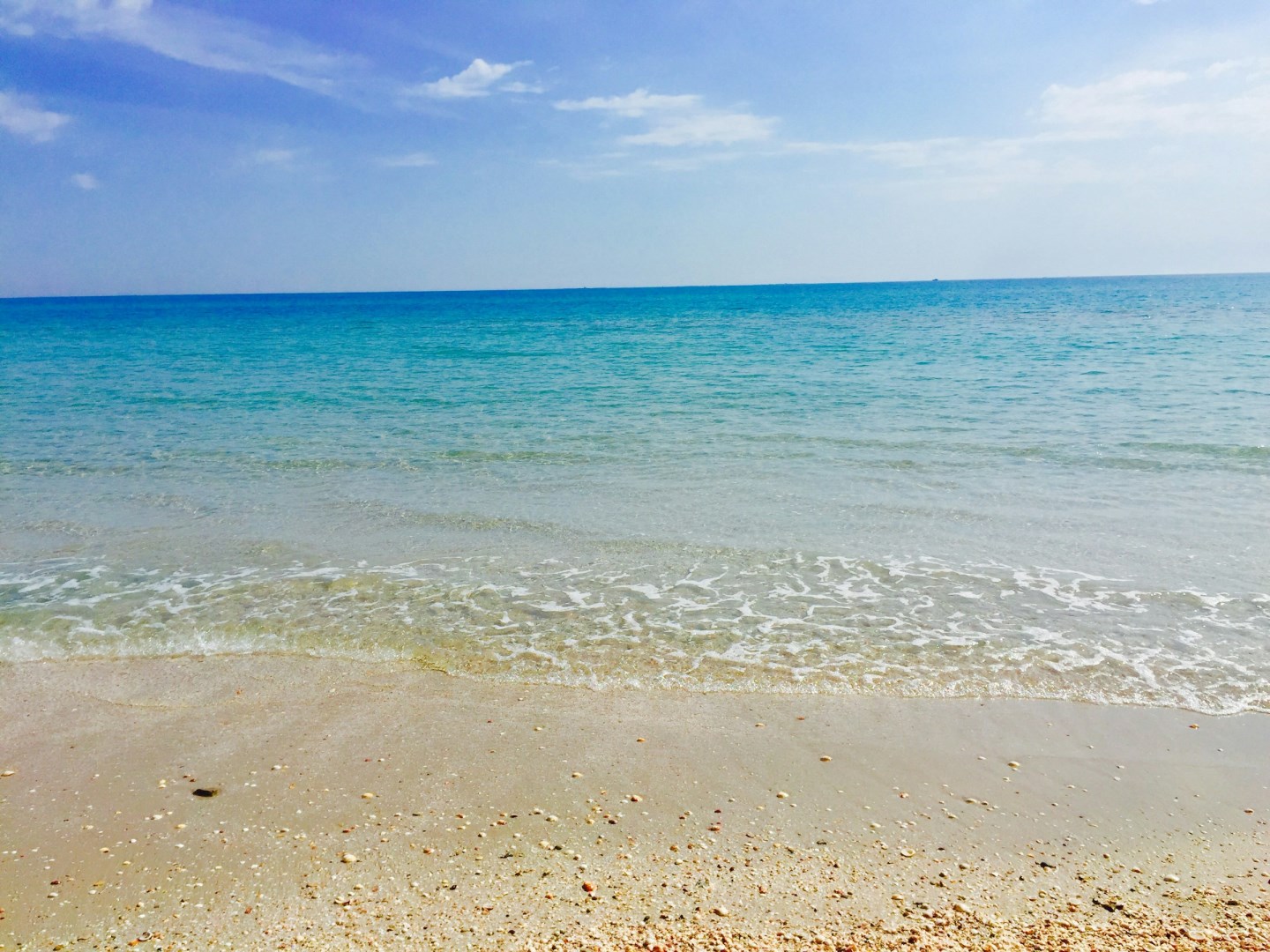
Mahdia
Mahdia is a coastal city in central-eastern Tunisia, set on a narrow peninsula extending into the Mediterranean. Its position between the sea and the mainland has shaped the city’s identity as a fishing port and coastal settlement. The historic medina occupies the peninsula, with whitewashed buildings, narrow streets, and a waterfront lined with fishing boats. Mahdia is also known for its long sandy beaches and clear coastal waters.

Great Barrier Reef
The Great Barrier Reef stretches along Australia’s northeast coast, forming the largest coral reef system on Earth and one of the planet’s most complex living ecosystems.
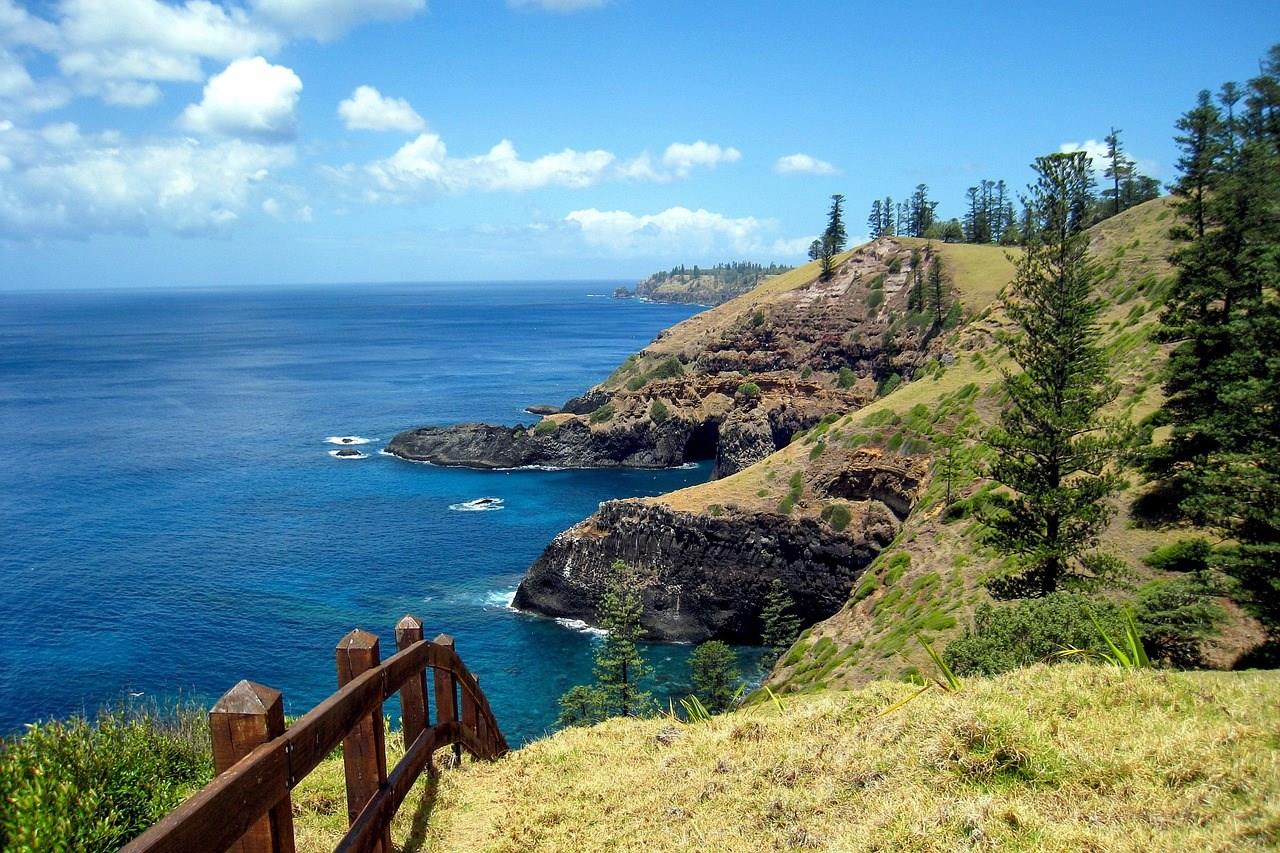
Norfolk Island
Norfolk Island may be small but it carries a story that spans centuries. Located in the South Pacific between Australia, New Zealand, and New Caledonia, the island is a fascinating blend of Polynesian roots, British convict history, and Pitcairn Island culture. Today, visitors can walk through one of the best-preserved penal settlements in the world at Kingston, where stone ruins and restored Georgian buildings stand against a backdrop of green hills and the open sea.
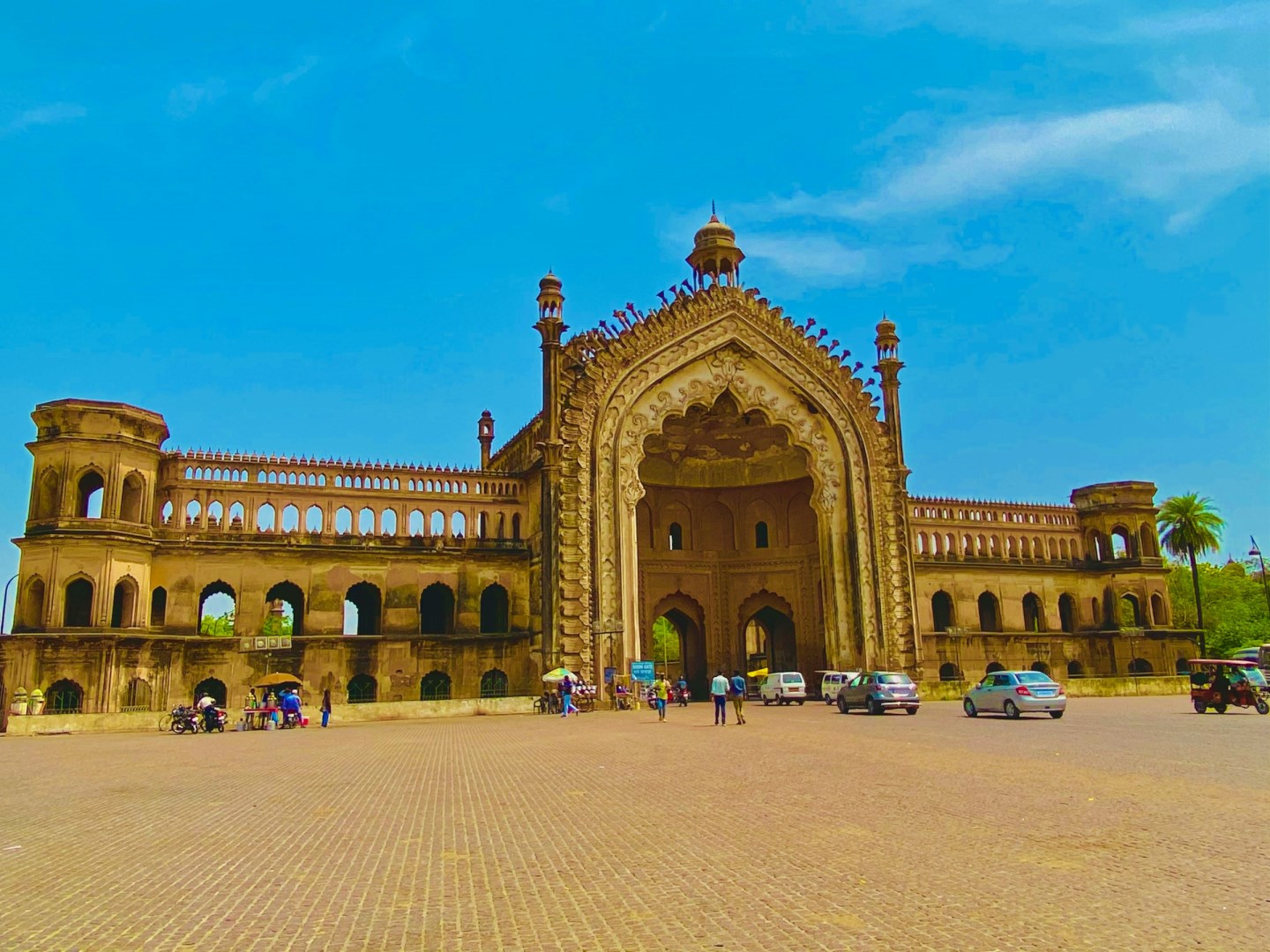
Lucknow
Lucknow, the capital of Uttar Pradesh, stands on the banks of the Gomti River and is widely associated with the cultural heritage of Awadh. The city is recognized for its distinctive architecture, refined traditions of etiquette, historic markets, and celebrated cuisine. Its built landscape ranges from grand religious complexes and gateways to colonial-era structures and modern urban districts. Lucknow is also an important centre for traditional crafts, particularly chikankari embroidery. Togeth
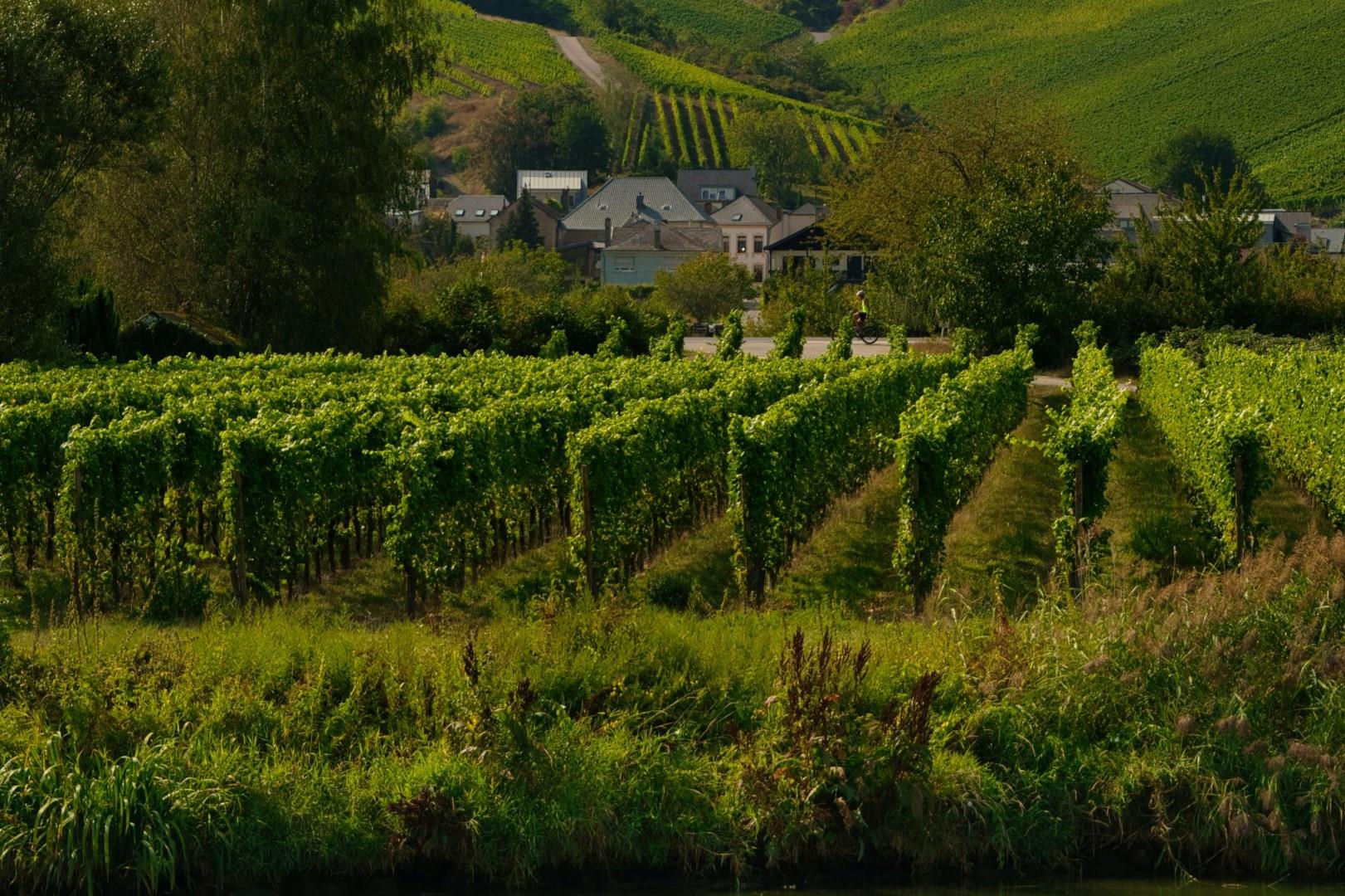
Remich
Remich, often referred to as the “Pearl of the Moselle,” is a captivating town nestled along the Moselle River in Luxembourg. This riverside gem is known for its historic vineyards that have shaped the region’s culture for centuries. Visitors can stroll along the river promenade, enjoying views of the gently flowing water framed by rolling hills covered in vineyards that produce some of Luxembourg’s finest wines.
