

Alsace
Nestled in the northeastern corner of France, Alsace is a region that enchants with its picturesque villages, half-timbered houses, and vibrant blend of French and German cultures. Renowned for its scenic vineyards, Alsace's Route des Vins (Wine Route) stretches over 170 kilometers, winding through charming medieval towns like Riquewihr, Colmar, and Eguisheim.
Abidjan
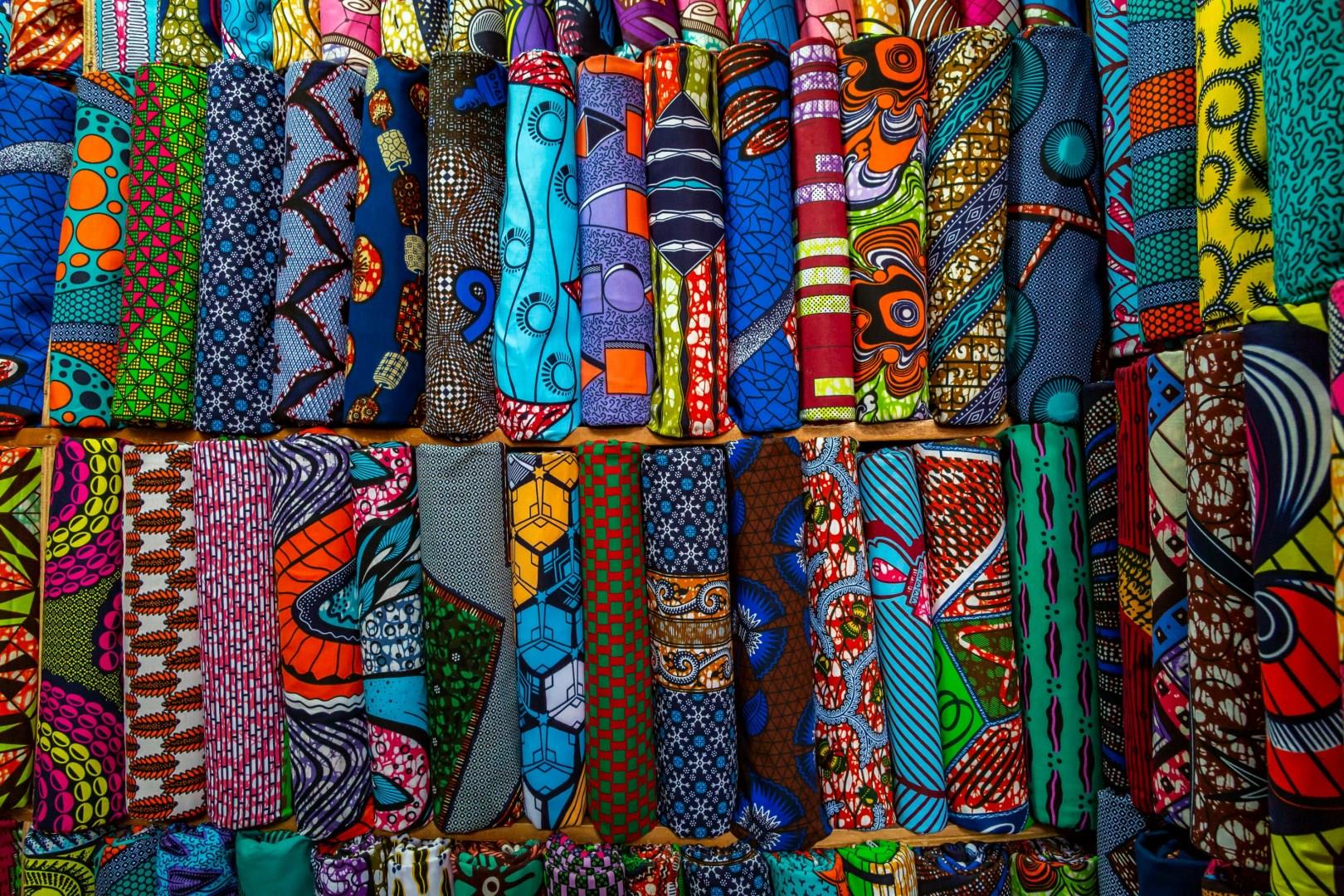
Abidjan, the largest city in Ivory Coast, is a vibrant coastal hub known for its striking skyline, lively markets, and cultural energy. Situated along the Ébrié Lagoon, it serves as the country’s economic and commercial center, blending modern urban life with West African traditions. Nicknamed the “Paris of West Africa,” Abidjan offers a dynamic mix of business districts, beachside neighborhoods, and green spaces that reflect its diverse character.

Brussels
Brussels, the vibrant capital of Belgium, offers a perfect blend of medieval charm and modern sophistication. At its heart lies the iconic Grand Place, a UNESCO World Heritage Site known for its stunning Gothic and Baroque guildhalls.
Nosy Boraha
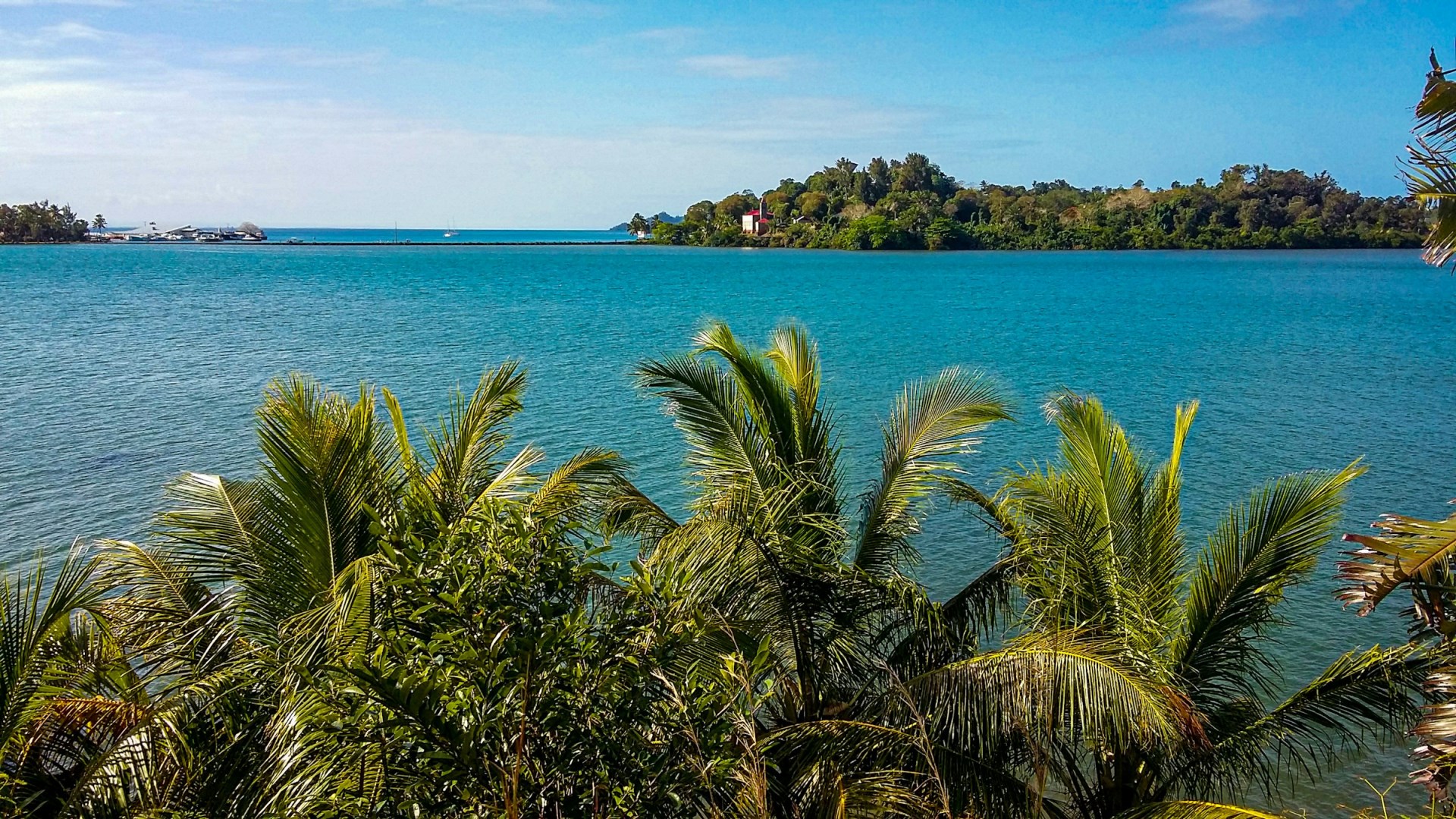
Nosy Boraha, also known as Île Sainte-Marie, is a long, narrow island off Madagascar’s northeastern coast. Its sheltered position in the Indian Ocean gives it a landscape of sandy beaches, coconut palms, lagoons, small bays, and inland forests. The island is separated from mainland Madagascar by a channel that creates relatively calm coastal waters in many areas
Isla Mujeres
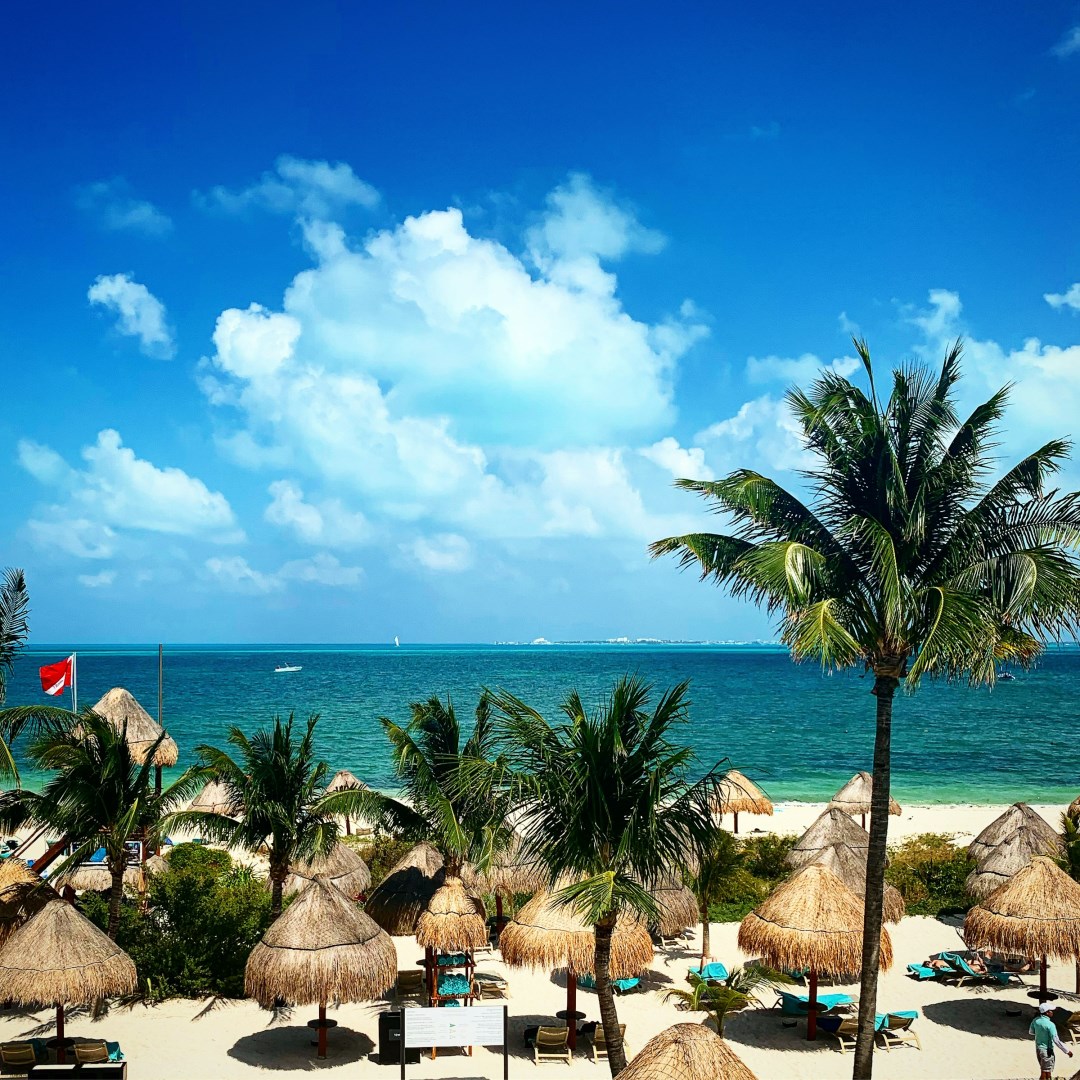
North of Cancun, the island was first discovered by the Spanish in the 1500's. It has numerous Mayan ruins, many badly eroded. It is also a sanctuary for sea turtles.
