
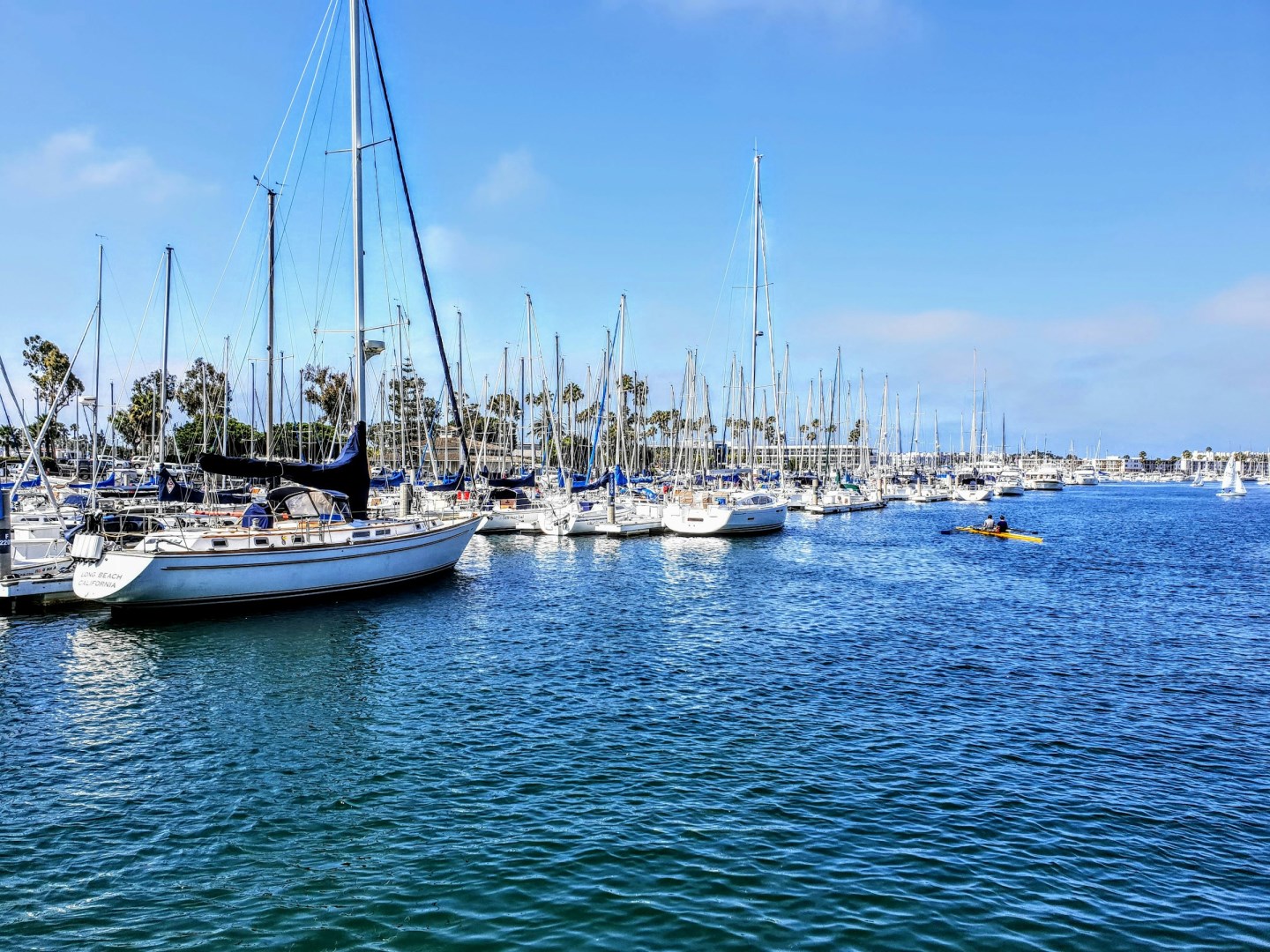
Marina del Rey
Marina del Rey is a coastal community in Los Angeles County, California, centered on one of the largest artificial small-craft harbors in North America. Located beside Santa Monica Bay, the area combines a network of marina basins with residential buildings, restaurants, parks, and waterfront paths. Its position between Los Angeles and the Pacific Ocean makes it closely connected to the wider Southern California coastline.
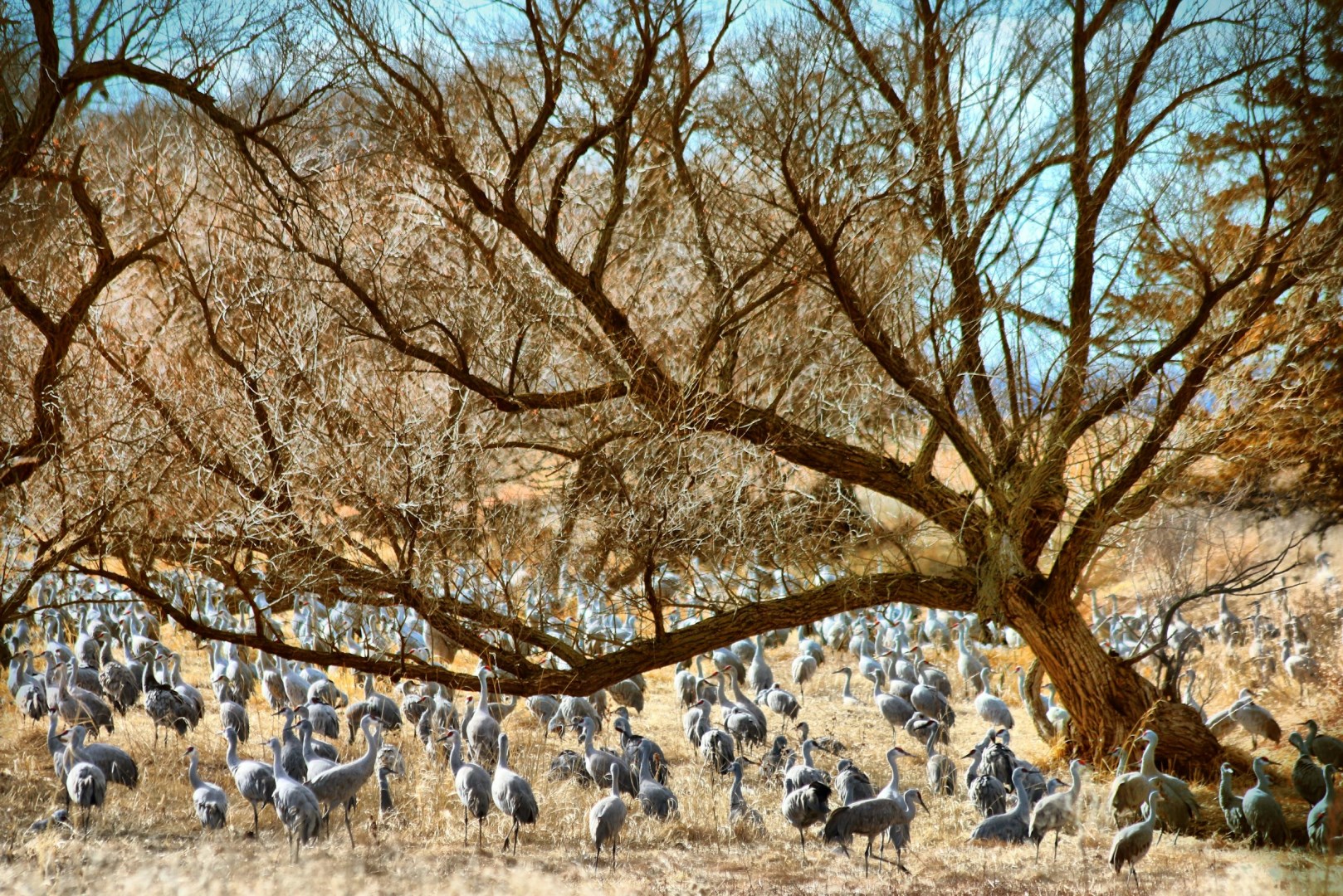
Nebraska
Nebraska, often referred to as the "Heartland of America," is a hidden gem for travelers seeking natural beauty, rich history, and vibrant culture. While it may be best known for its vast plains, Nebraska offers so much more to those who take the time to explore. The capital city, Lincoln, is home to attractions like the stunning Nebraska State Capitol, an Art Deco masterpiece.
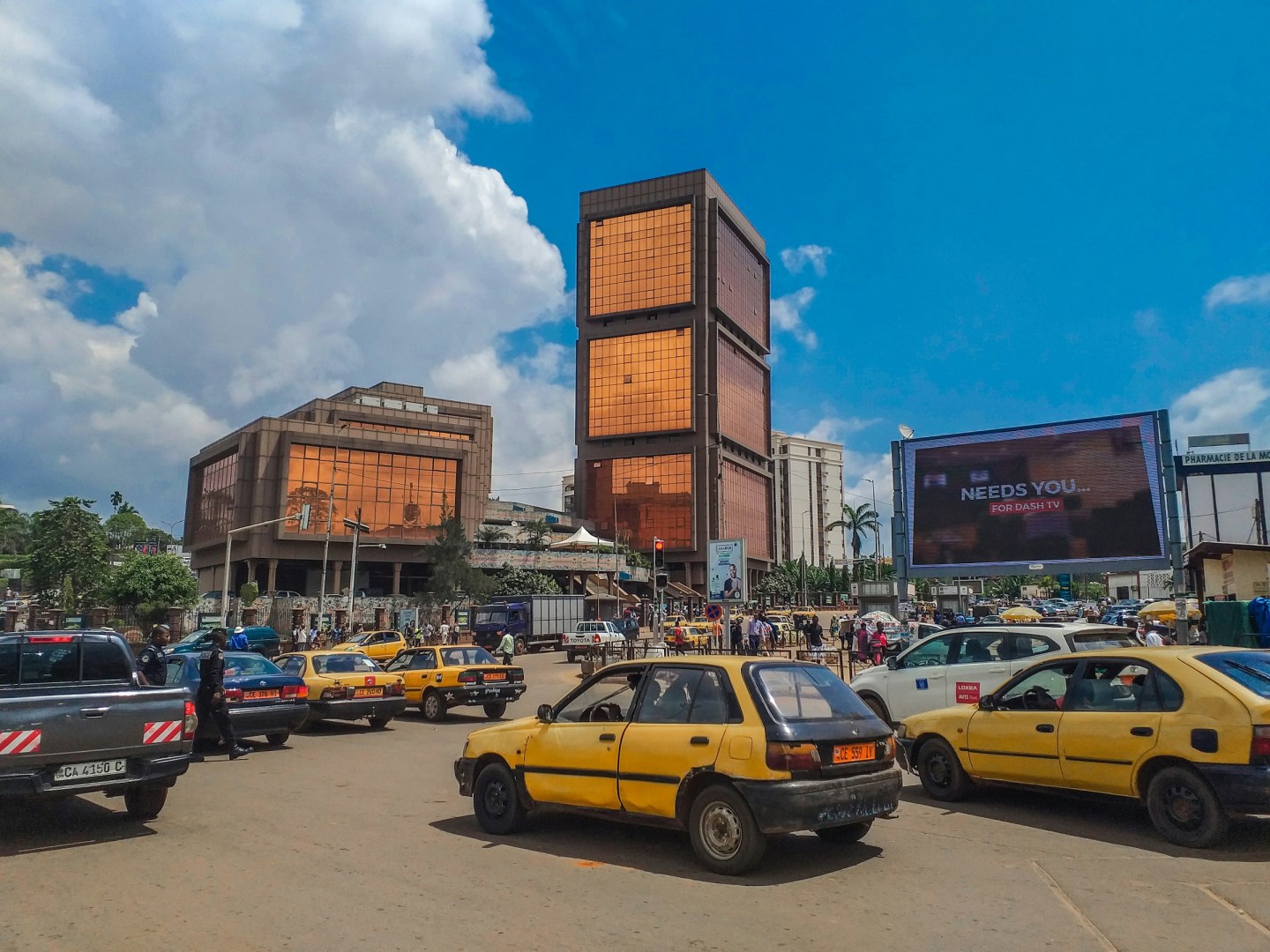
Yaoundé
Yaounde is located 18 kilometers from Yaounde Nsimalen Airport, near Central Market.

South Pacific
The South Pacific stretches across a vast expanse of ocean, dotted with thousands of islands that vary from remote atolls to vibrant cultural hubs.
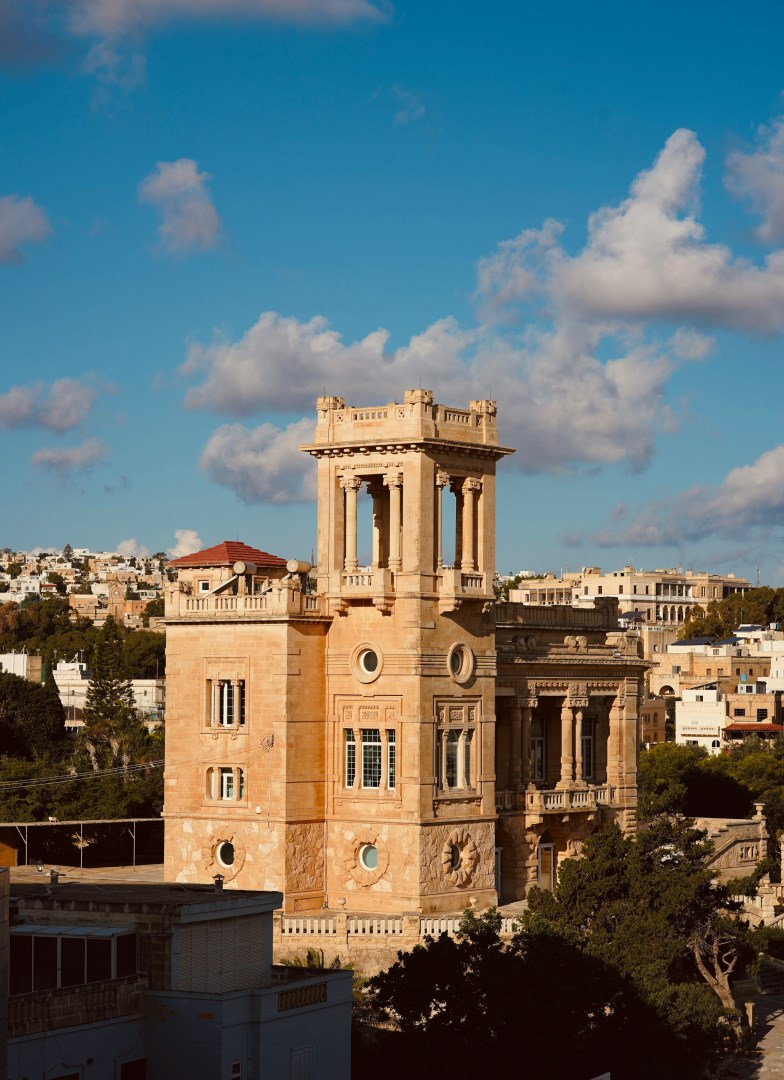
St. Julians
St. Julians was originally a tiny fishing village, built round a small bay. It has retained most of its charm, thanks to some sympathetic restoration. Overlooking the bay is Spinola Palace, built in 1688. Today St Julians provides some of the best restaurants, like the San Giuliano and Barracuda, overlooking the Bay, popular with locals and visitors alike. It gets quite busy over the weekends and during the peak season, making parking a problem. However, public transport is frequent and nearby P
