
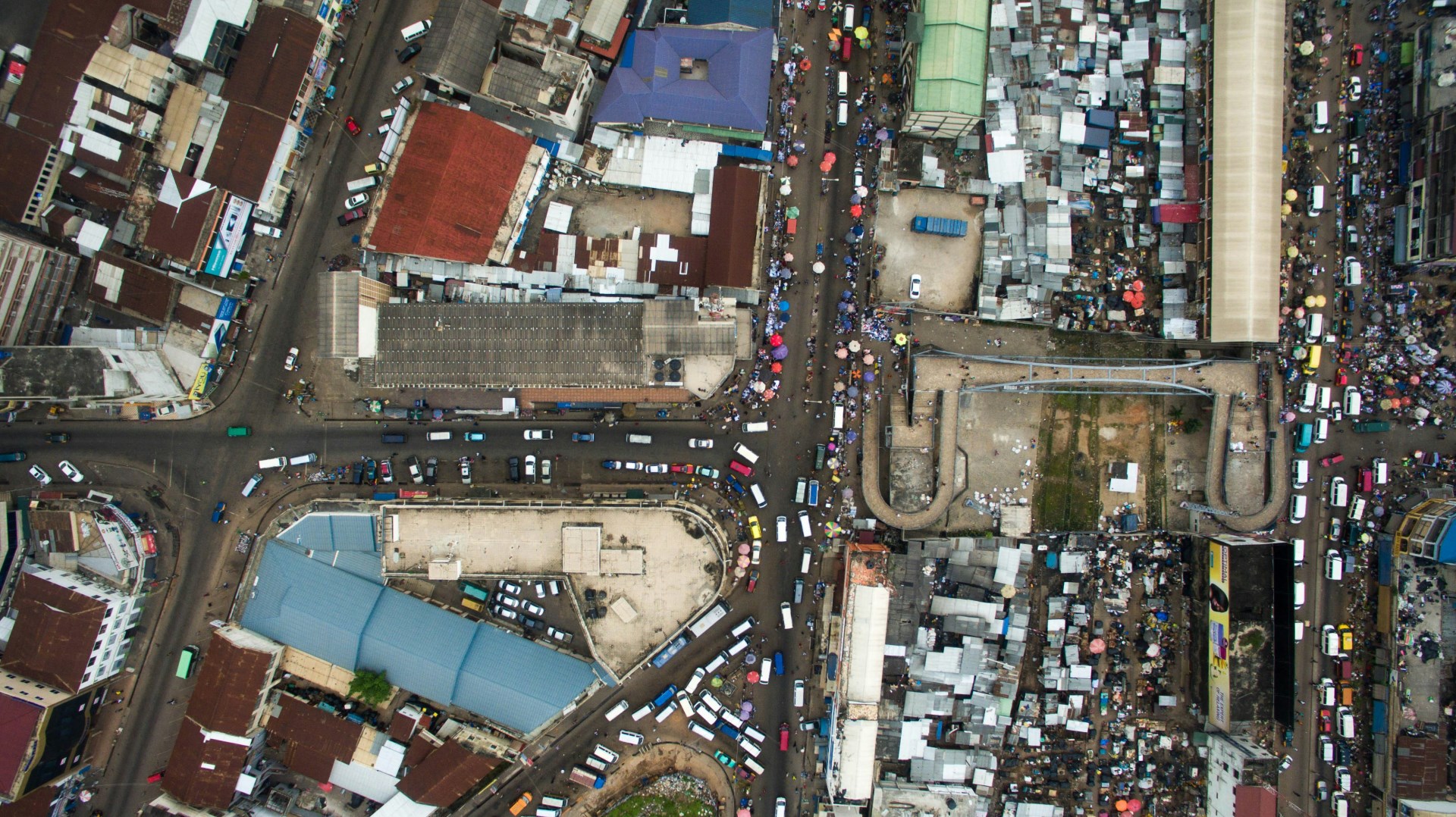
Ashanti Region
The Ashanti Region is located in southern Ghana and is one of the country’s most influential cultural and economic areas. Centered on the city of Kumasi, the region is known as the traditional homeland of the Ashanti people, whose history and institutions continue to shape local identity.
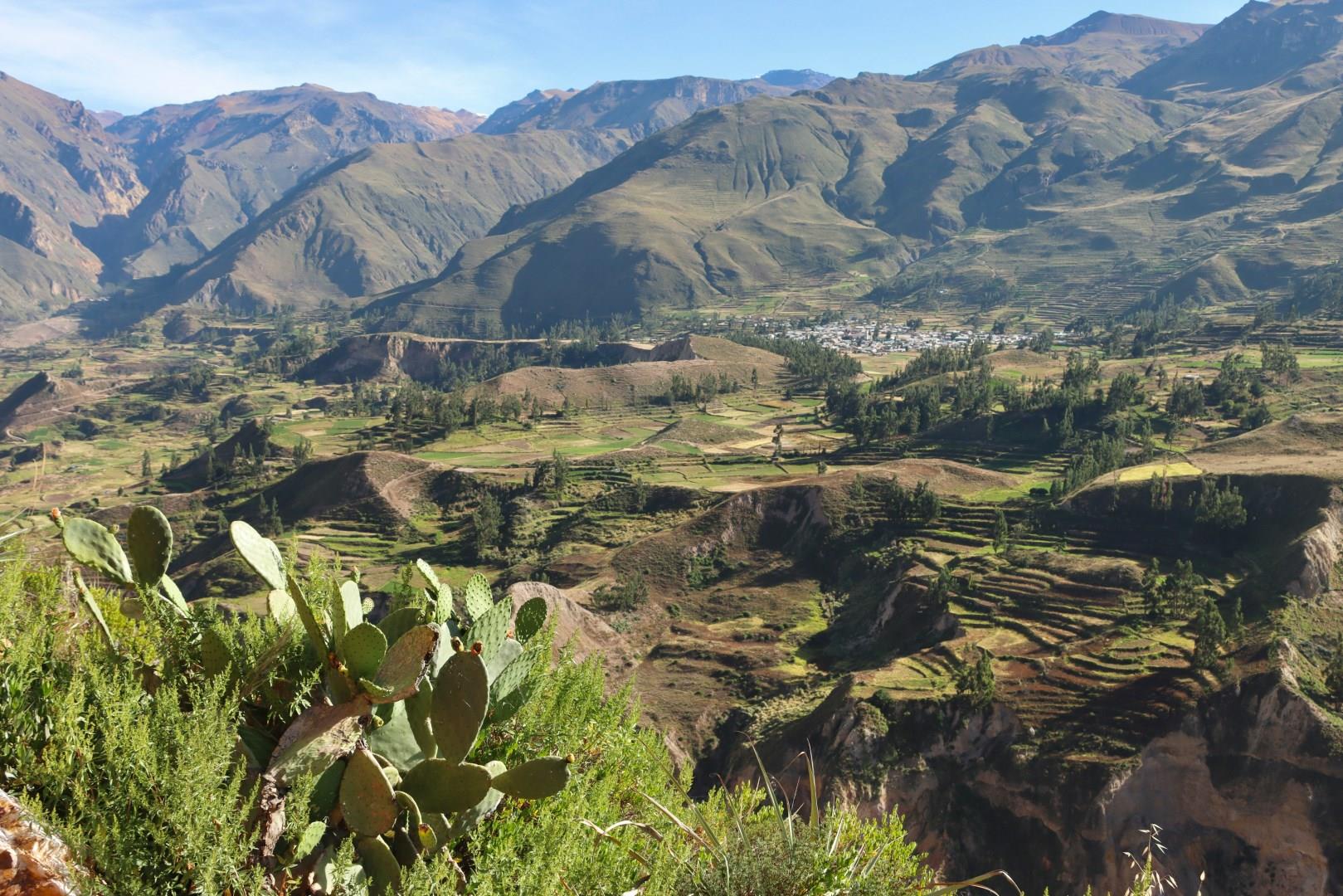
Colca Canyon
Colca Canyon, located in southern Peru’s Arequipa region, is one of the deepest canyons in the world, twice as deep as the Grand Canyon in some areas. What makes it stand out even more is how human settlements have coexisted with the landscape for centuries. Along its walls, pre-Inca agricultural terraces still hold crops like corn and quinoa. One of the main draws of the canyon is the opportunity to see Andean condors in flight.
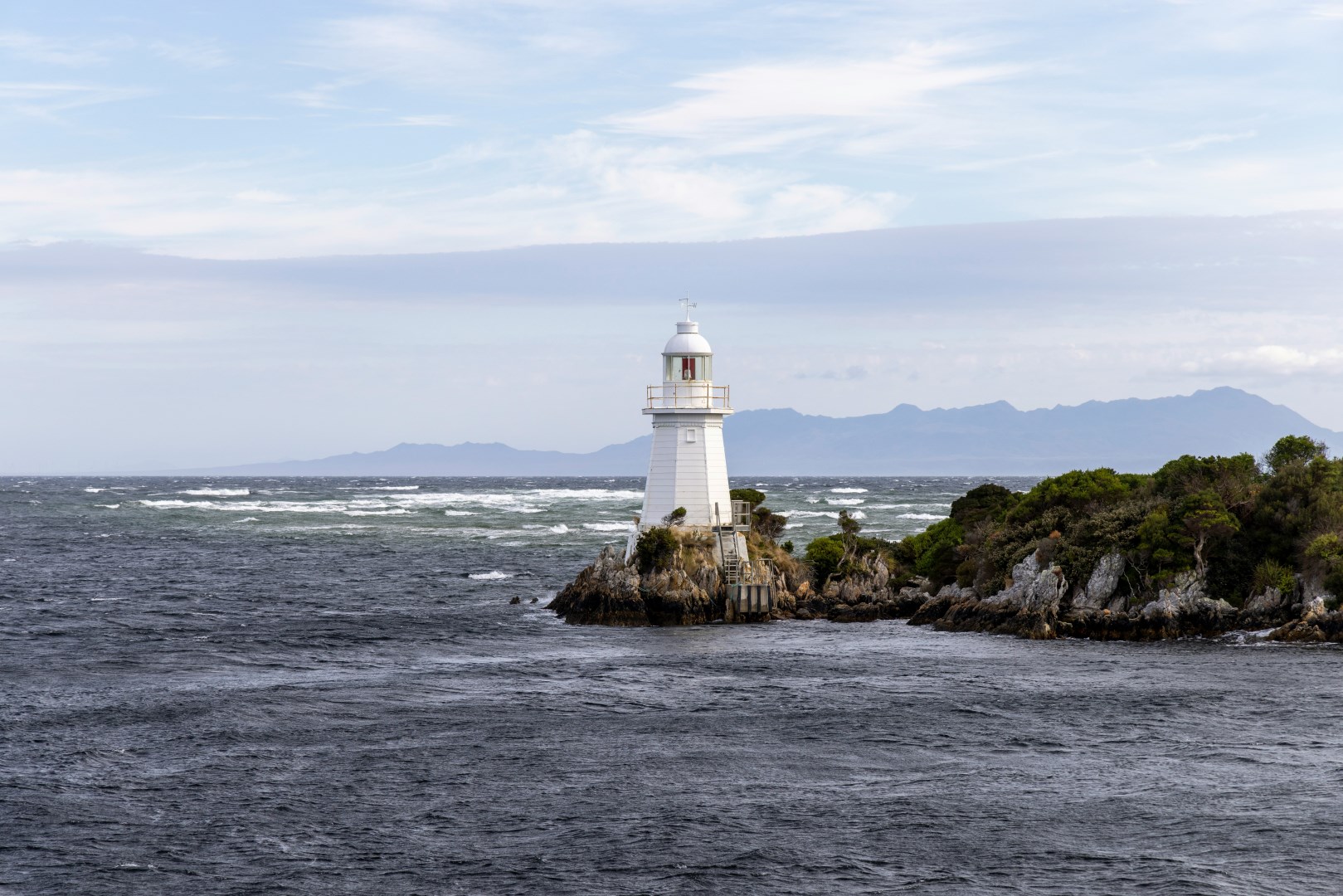
Strahan
Set on the edge of a vast harbor on Tasmania’s wild west coast, Strahan feels like a place shaped by both sea and story. Once a busy port serving nearby mining settlements, it still carries echoes of ships, timber yards, and hardworking crews who relied on the sheltered waters of Macquarie Harbour. Today, that same harbor is the starting point for journeys into remote landscapes, with boats gliding toward places that were once feared as much as they were relied upon.
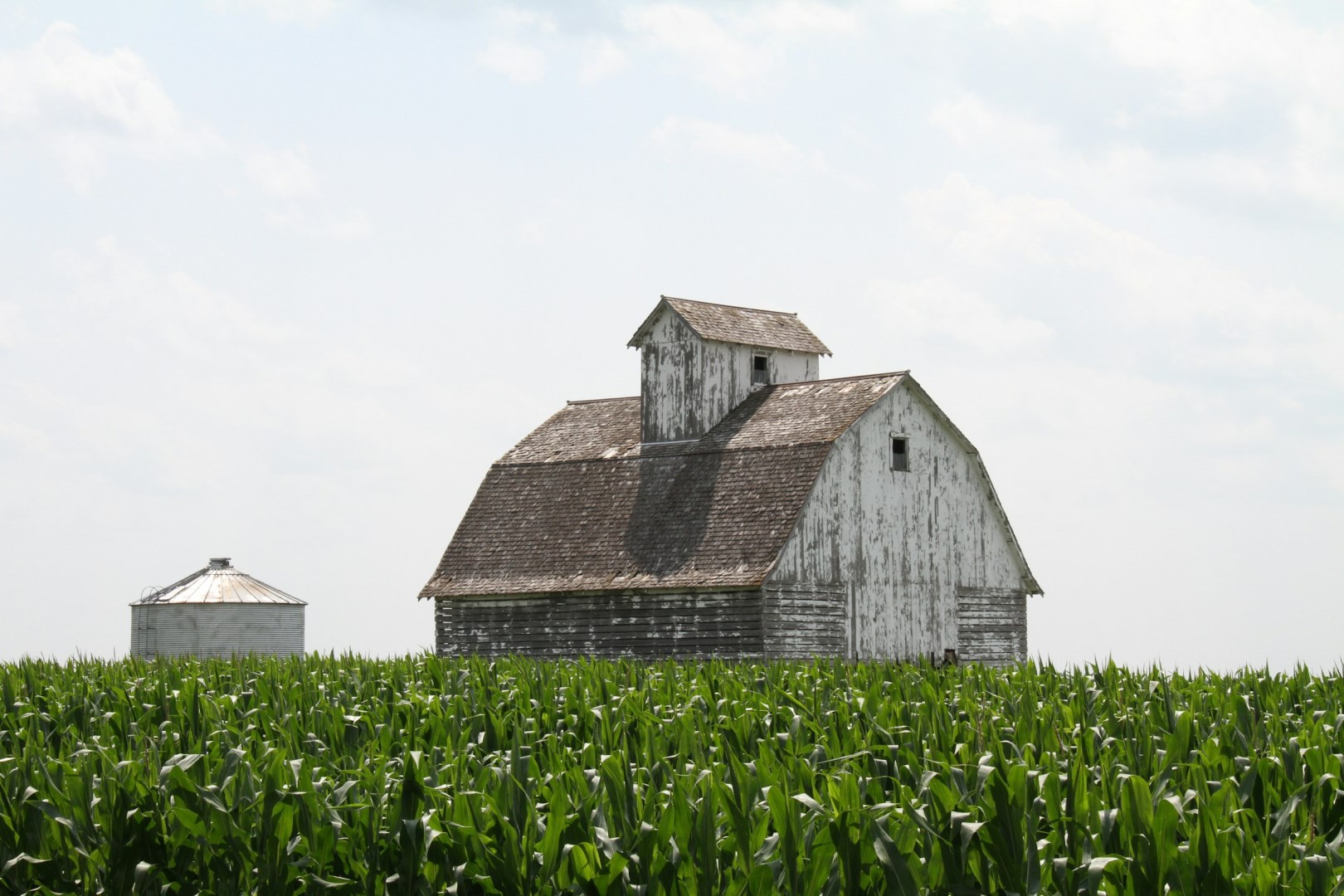
Iowa
Iowa, often overshadowed by its larger neighbors, offers a delightful array of attractions for visitors seeking a blend of natural beauty and cultural experiences. Des Moines, the state capital, is a vibrant hub with something for everyone. The Pappajohn Sculpture Park showcases large-scale works by renowned artists, set against the backdrop of downtown’s skyline. Nearby, the Science Center of Iowa engages visitors with interactive exhibits and an impressive IMAX theater.
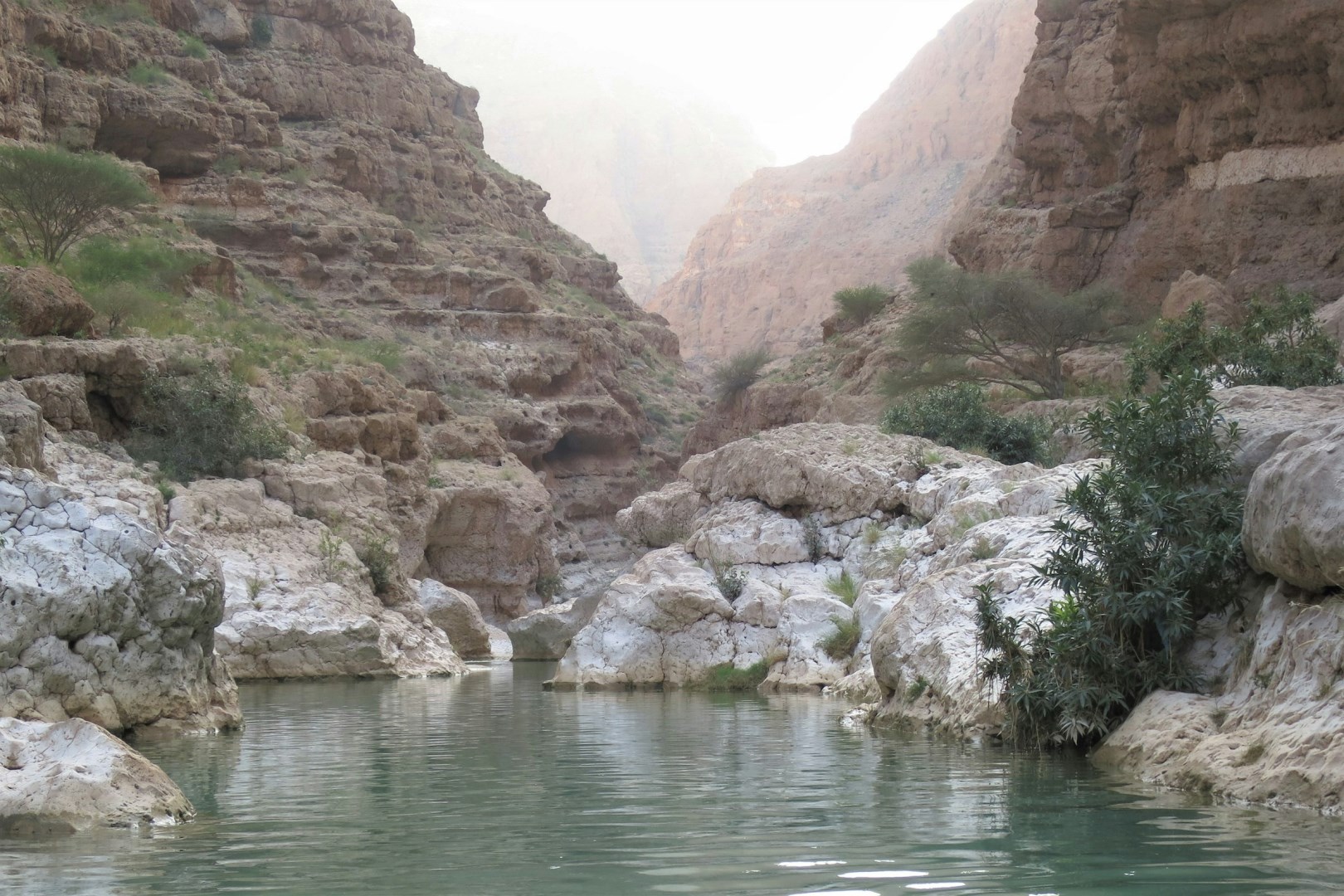
Wadi Shab
Wadi Shab is one of Oman's most beautiful wadis. Shab Village on the coast, is a picturesque fishing village overlooked by old houses and a small fort. Rocky paths, clear blue pools and banana plantations will be the backdrop for a picnic lunch.
