
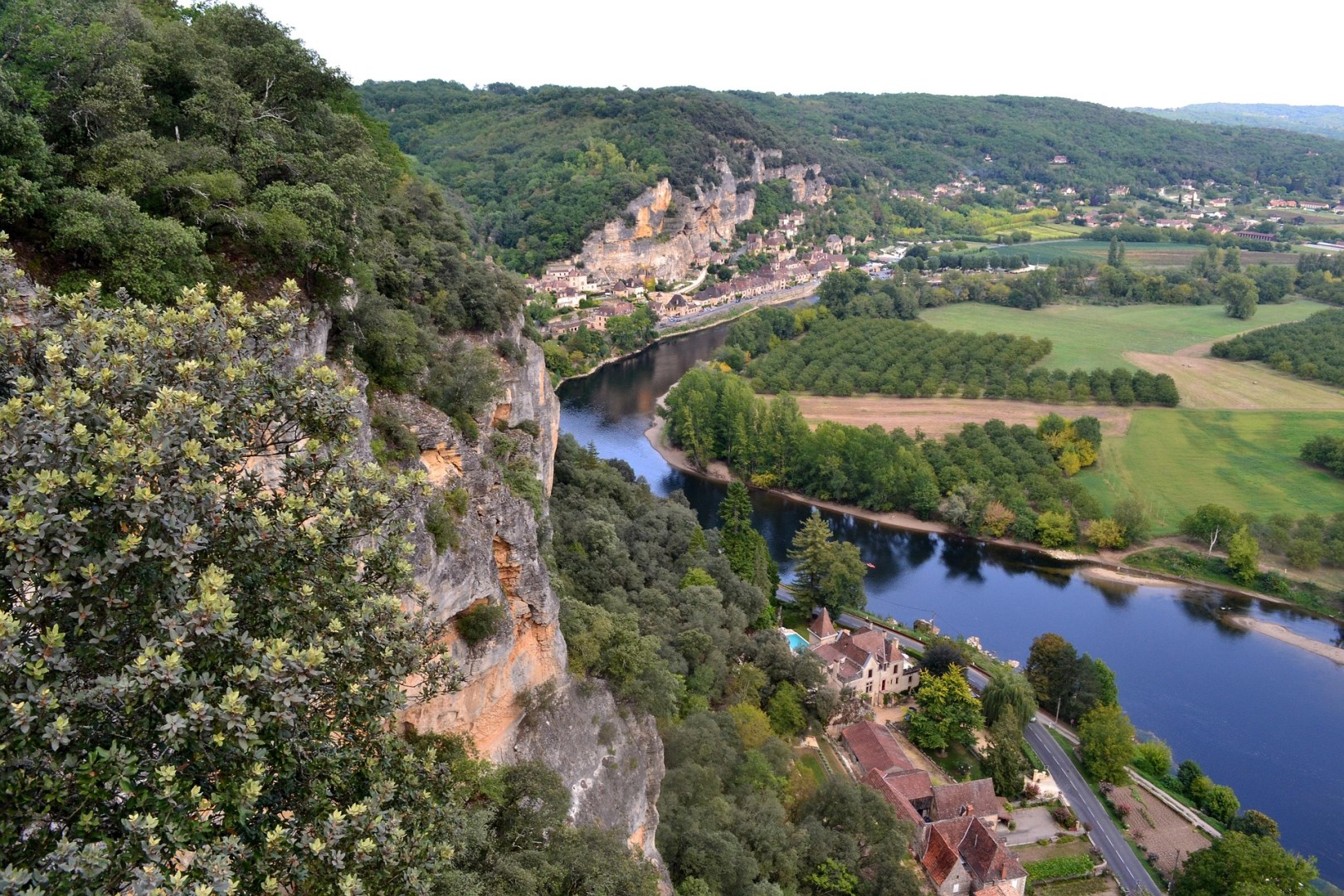
Dordogne River
The Dordogne River flows from the mountains of Auvergne to Bordeaux through the magnificent French countryside. The valley area named for the river is full of bucolic scenery, dotted with welcoming rural villages, quaint riverside castles, and plenty of opportunities for gourmet meals in true French tradition.

Dominica
Dominica, known as the “Nature Island of the Caribbean,” is a haven for eco-tourists and adventure seekers. Nestled between the French islands of Guadeloupe and Martinique, this lush island boasts a remarkable landscape of volcanic mountains, dense rainforests, and stunning waterfalls. Dominica’s most iconic natural wonder is the Boiling Lake, the second-largest hot spring in the world.

Coffee Axis
Nestled in the heart of the Andean mountains, Colombia's Coffee Region, or “Eje Cafetero,” is a lush tapestry of rolling hills, fertile valleys, and towering wax palms. This UNESCO World Heritage-listed landscape is more than just the epicenter of Colombia's coffee production—it is an invitation to explore a culture steeped in tradition, warmth, and a deep appreciation for the natural world.
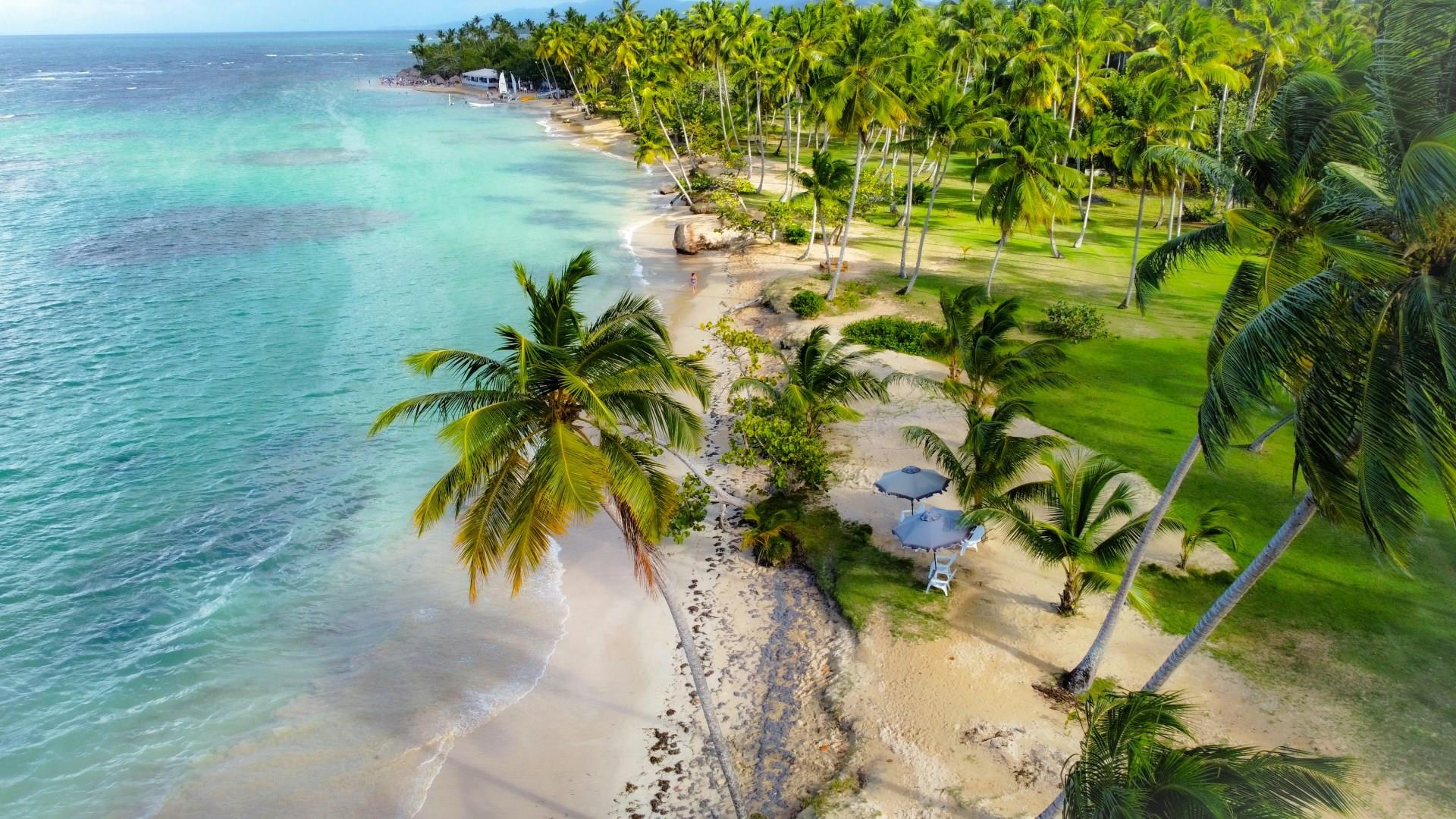
Samaná
Samana sits on a peninsula along the northeastern coast of the Dominican Republic, shaped by seafaring history and a strong Afro-Caribbean cultural presence.
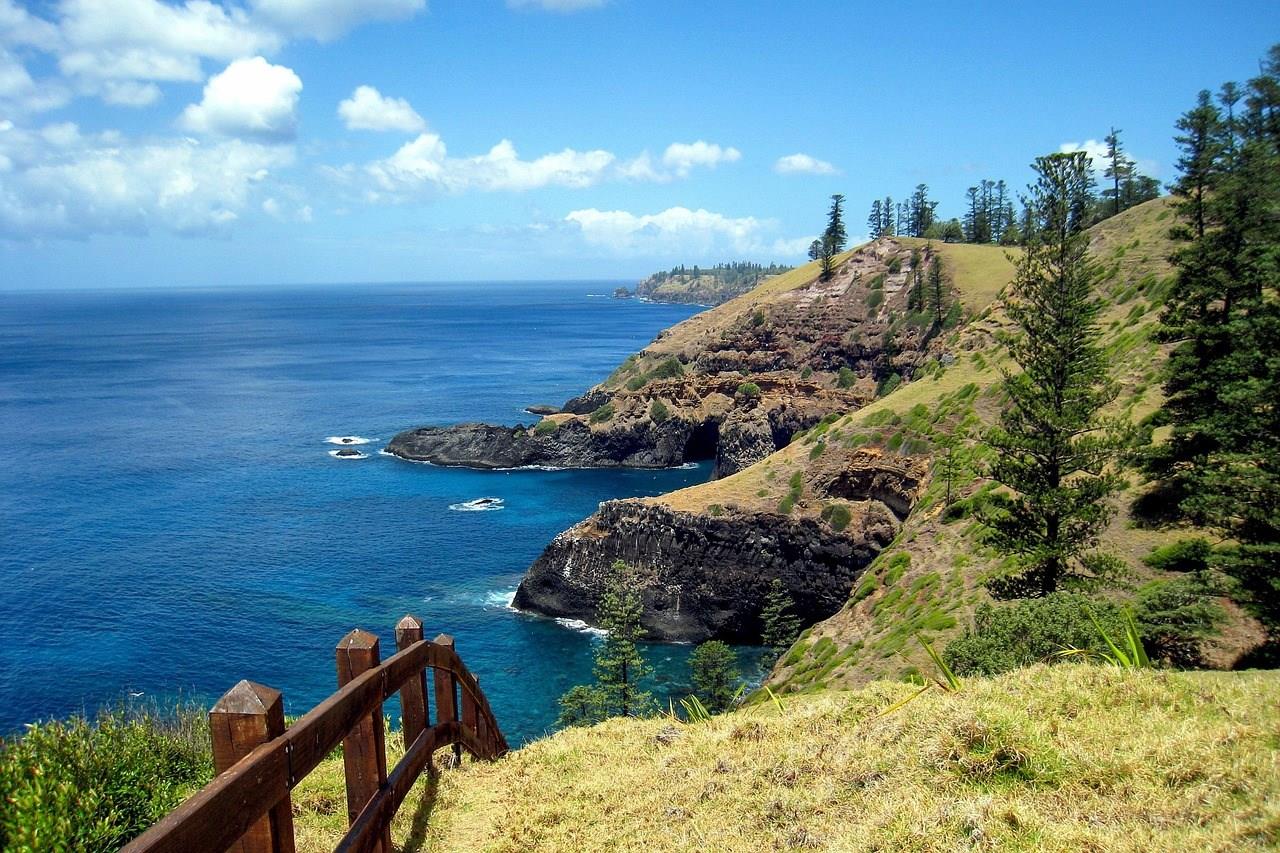
Norfolk Island
Norfolk Island may be small but it carries a story that spans centuries. Located in the South Pacific between Australia, New Zealand, and New Caledonia, the island is a fascinating blend of Polynesian roots, British convict history, and Pitcairn Island culture. Today, visitors can walk through one of the best-preserved penal settlements in the world at Kingston, where stone ruins and restored Georgian buildings stand against a backdrop of green hills and the open sea.
