
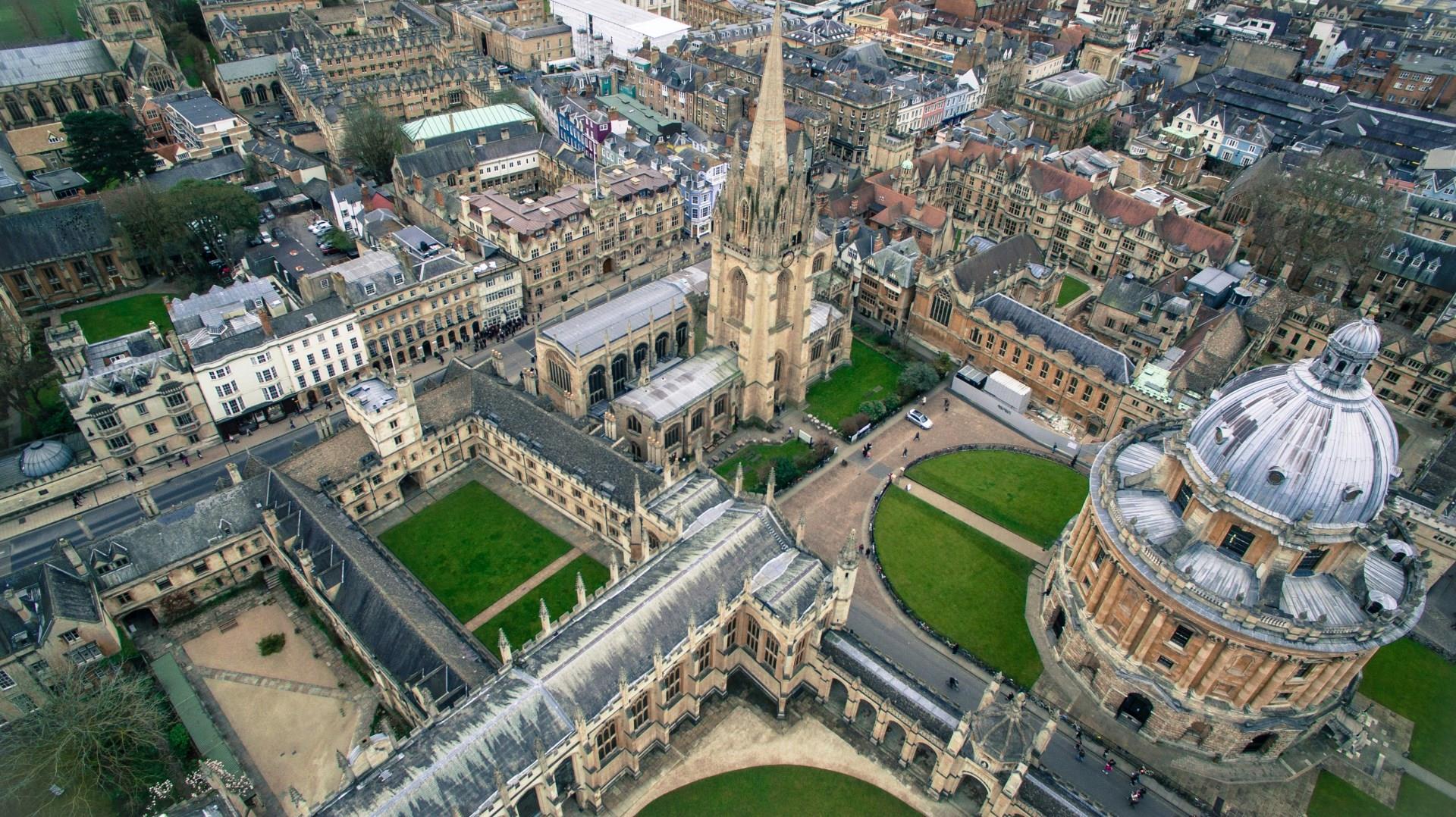
Oxford
Oxford is best known for its world-famous university, but the city offers much more than historic college halls and ivory towers. Its skyline, shaped by spires and domes, hints at centuries of intellectual life. The University of Oxford dates back to at least the 12th century and includes iconic buildings like the Bodleian Library, one of the oldest libraries in Europe, and the Radcliffe Camera, a circular reading room that looks more like a cathedral than a place for quiet study.

Luxor
On the Nile's east bank sits Luxor, a onetime stronghold for Egyptian pharaohs. Key sites include Luxor Temple, Karnak Temple, and the Valley of the Kings.

Ninh Binh
Ninh Binh, located about 100 kilometers south of Hanoi, offers a landscape shaped by limestone karsts, winding rivers, and flooded rice paddies. Often referred to as “Ha Long Bay on land,” the area is best explored by rowboat. At Trang An Scenic Landscape Complex, boat routes pass through caves, ancient pagodas, and valleys surrounded by towering cliffs. Local rowers often use their feet to paddle, an unusual technique that surprises many first-time visitors.

New Jersey
New Jersey often surprises first-time visitors. It’s not just the gateway to New York or Philadelphia but a destination in its own right with deep Revolutionary War history, beach towns full of character, and some of the most diverse food offerings on the East Coast. Cities like Trenton and Morristown still carry the echoes of pivotal battles, while monuments and preserved buildings tell stories of George Washington’s winter encampments and early American resilience.

Spitsbergen
Spitsbergen is the largest island of Norway’s Svalbard archipelago, where the wonders of the Arctic come alive in breathtaking fashion. Known for its wild, untamed beauty, Spitsbergen offers travelers the chance to experience landscapes that are both surreal and majestic. From towering glaciers and jagged mountain peaks to expansive tundra and crystal-clear fjords, this frozen paradise is an explorer’s dream.
