
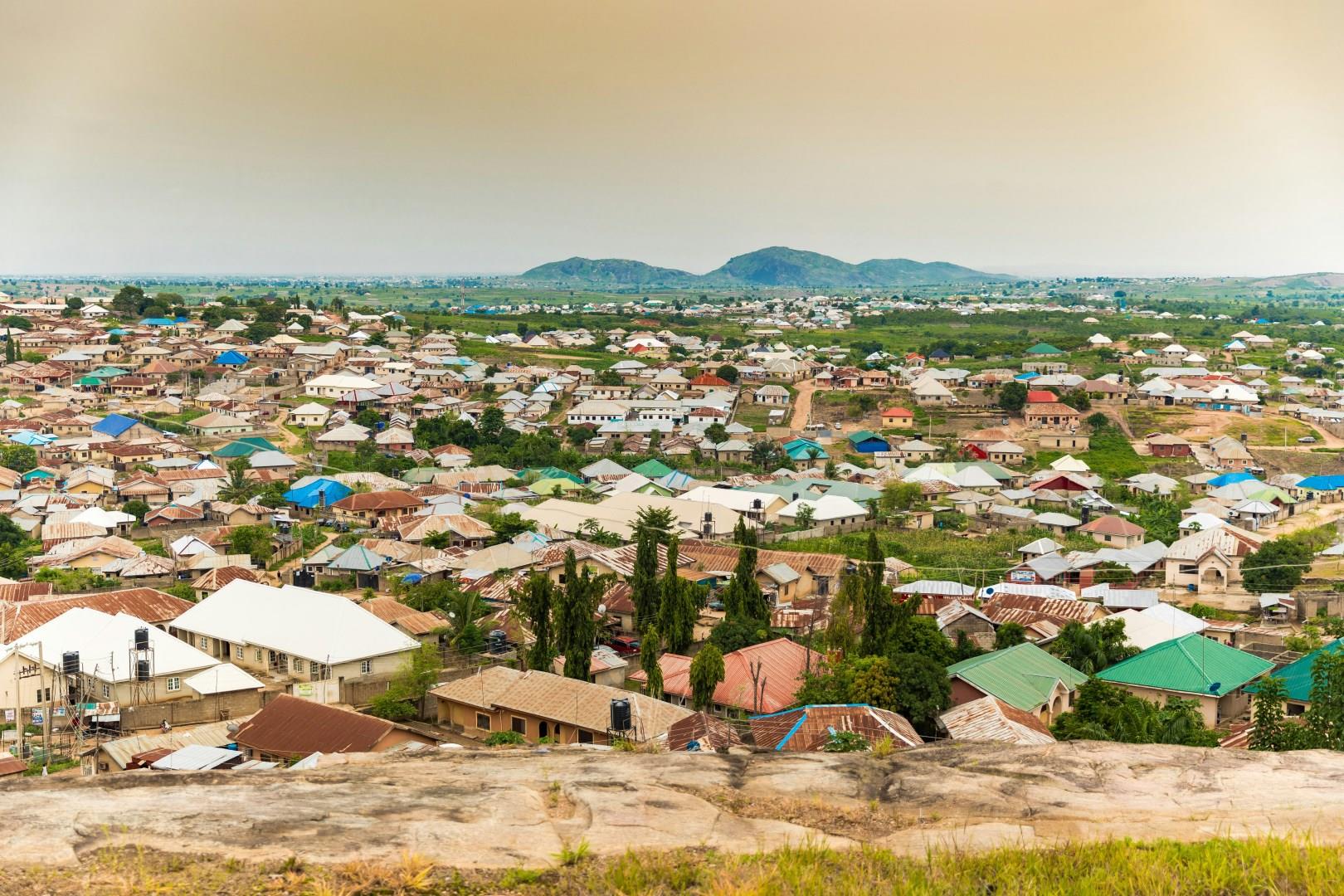
Nigeria
Nigeria, located in West Africa, is a country known for its diversity in culture, language, and landscapes. It is home to over 200 million people, making it the most populous country in Africa.

Grenada
You'll know why picturesque Grenada is known as the "spice island" when you notice the scent of nutmeg, vanilla and cocoa in the air. Grenada's waterfalls, lush rain forests, volcanic crater lake, tiny villages, cocoa, nutmeg and banana plantations, rum distilleries, scenic hiking trips, pristine coral reefs, and hidden-away unspoiled beaches all make Grenada one of the most popular ecotourism destinations for those who like to discover off-the-beaten-track natural beauty and charm.

Stone Town
As a UNESCO World Heritage site, Stone Town boasts narrow, winding streets lined with towering stone buildings adorned with beautifully carved wooden doors, reflecting its rich history as a major trading hub.
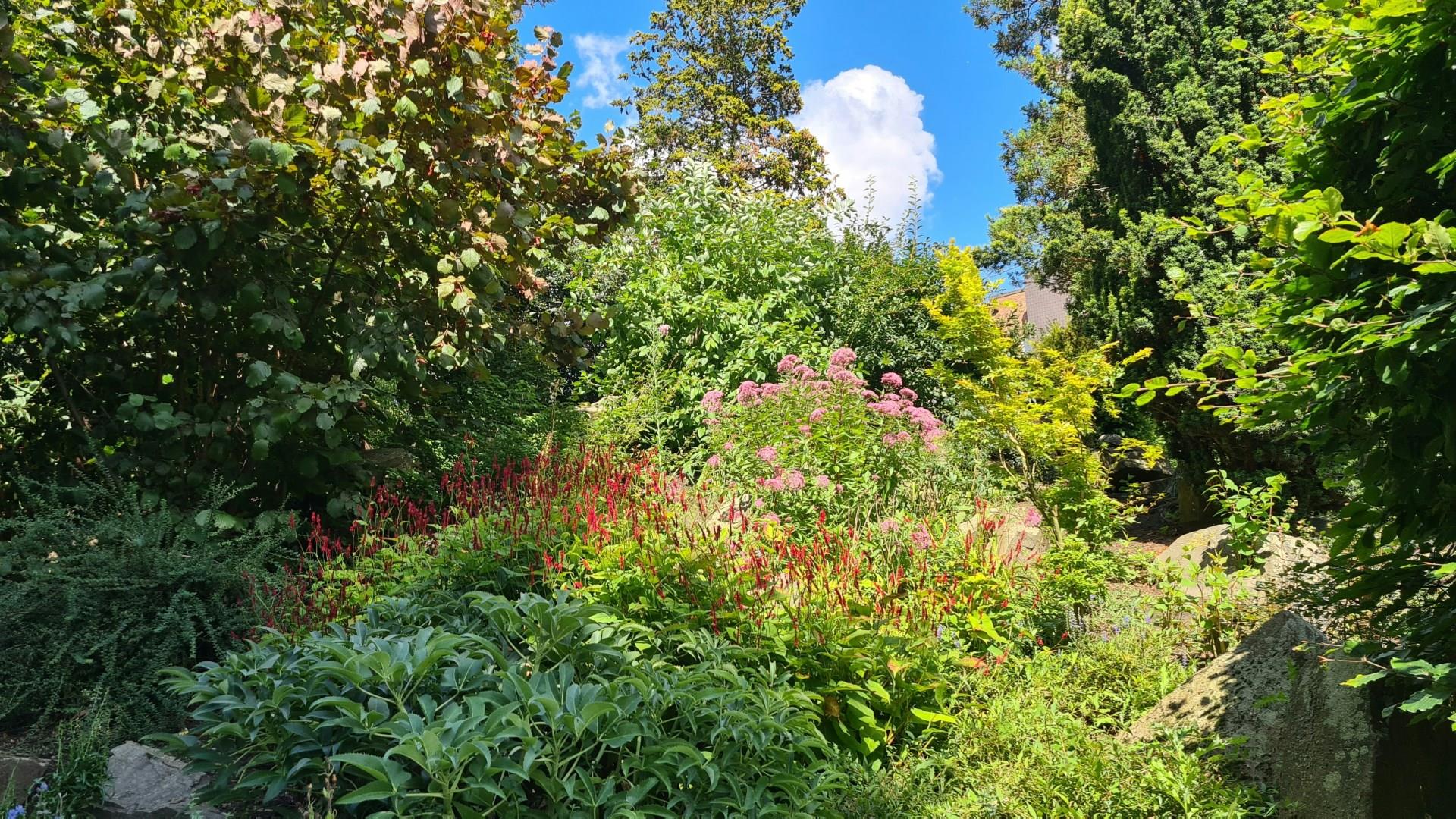
Liège
Liège, located along the Meuse River in eastern Belgium, is a city shaped by industry, resilience, and an independent spirit that dates back centuries. Once the capital of a powerful prince-bishopric, Liège has always done things its own way and is lived-in and layered with working neighborhoods, student cafés, and markets that tell the city’s real story. Every Sunday, locals gather at La Batte, one of the oldest and largest outdoor markets in Belgium.
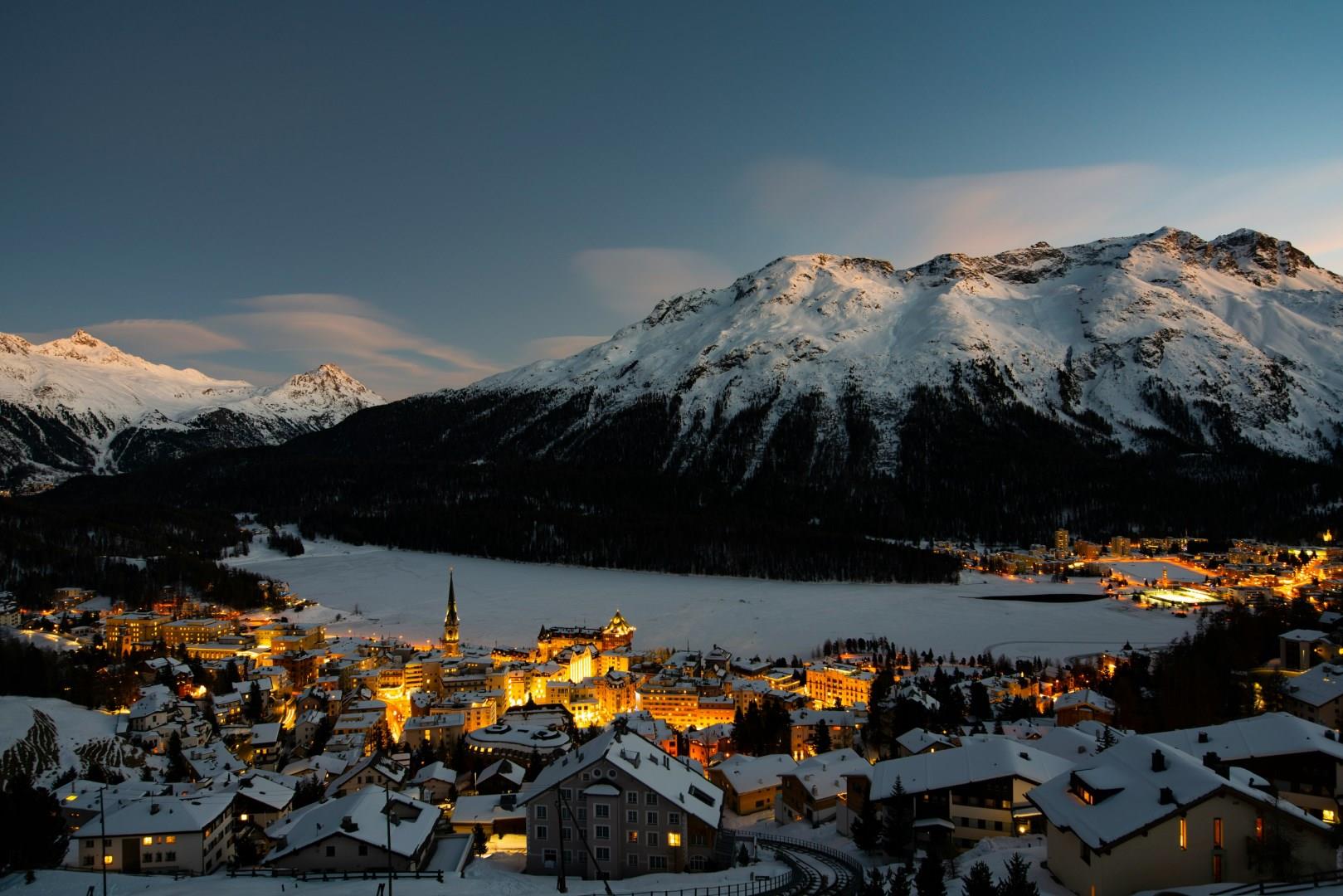
St. Moritz
St. Moritz, located in Switzerland’s Engadin Valley, has been attracting visitors for over 150 years, long before the term "alpine resort" became common. It was here in 1864 that winter tourism was born, when a hotelier made a wager with British guests that they would enjoy the snow just as much as the summer sun. They returned, and the rest is history. The town has since hosted the Winter Olympics twice (in 1928 and 1948) and remains a favorite for skiing, snowboarding, and ice sports.
