
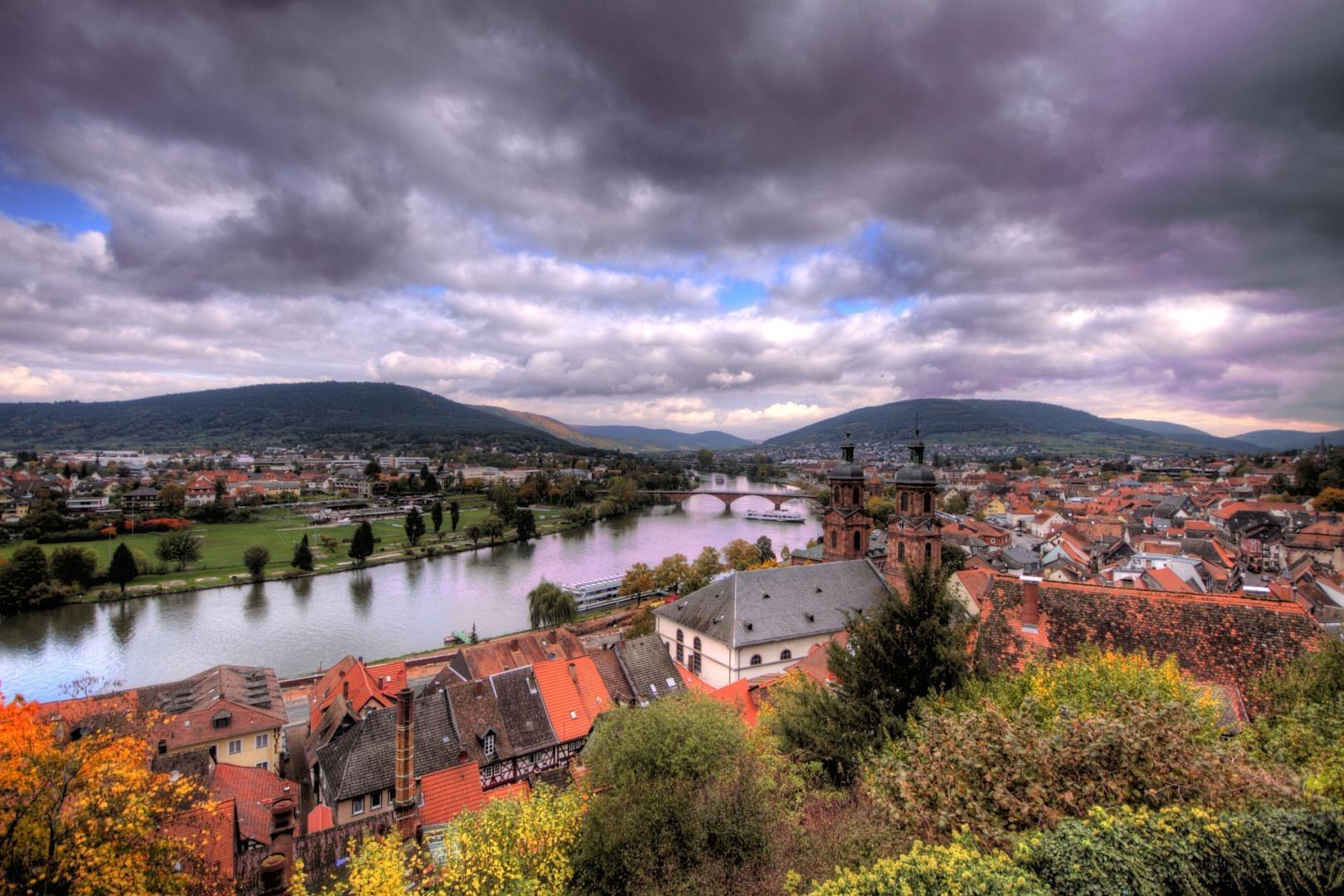
Miltenberg
Set along a gentle curve of the Main River in Bavaria, the town of Miltenberg presents a streetscape that feels carefully preserved rather than rebuilt. Rows of half-timbered houses line a single main street, their wooden beams and painted facades forming one of the most photographed scenes in Germany. The old market square, known as the Schnatterloch, draws attention with its sandstone fountain and tightly packed historic buildings, creating a setting that has remained largely unchanged.

Baden-Baden
Nestled in the foothills of the Black Forest, Baden-Baden is Germany's ultimate spa destination, famous for its luxurious thermal baths and charming Belle Époque architecture. This elegant town, whose name literally translates to "Baths of Baden," has attracted visitors seeking relaxation and rejuvenation for centuries.
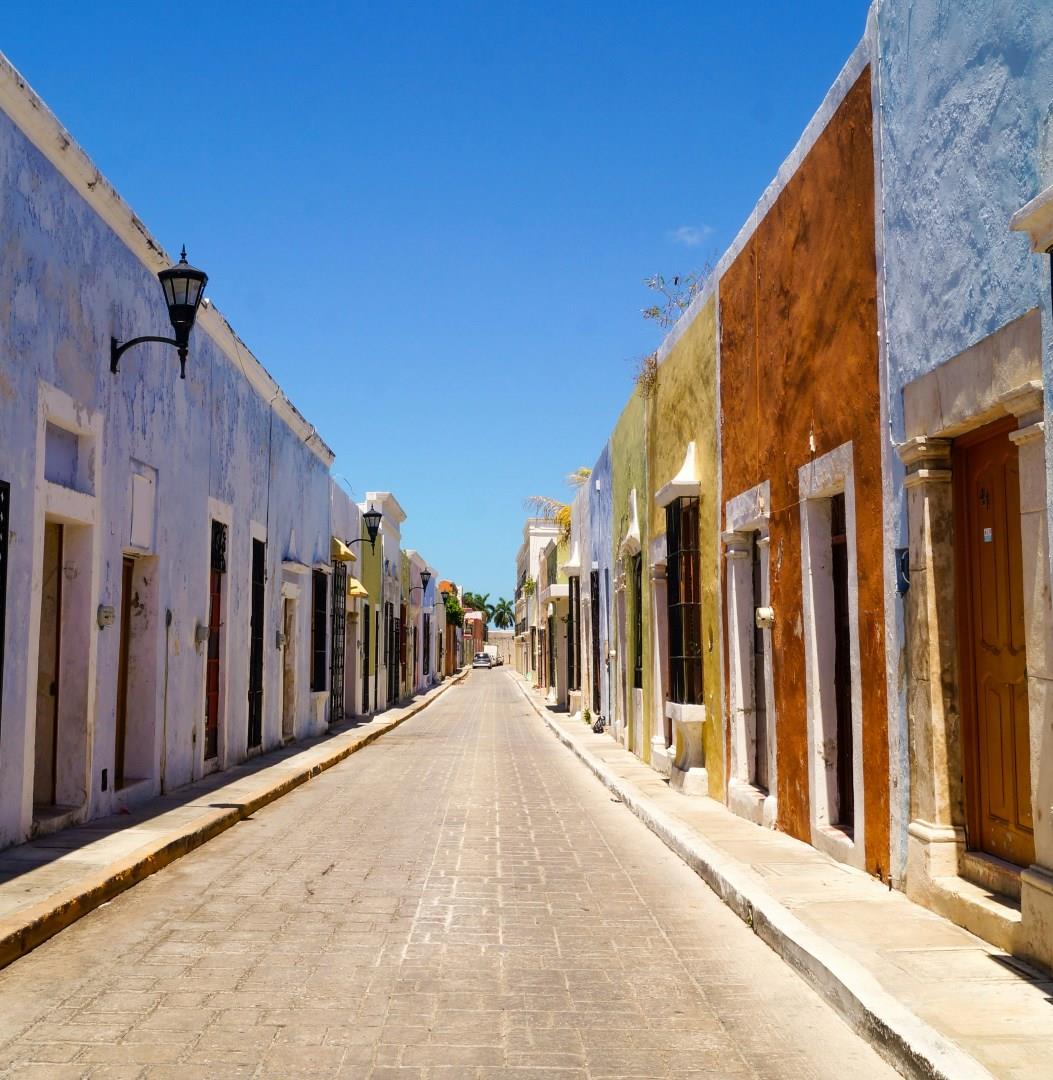
Campeche
The state of Campeche, located on the western edge of the Yucatán Peninsula, is a hidden gem waiting to be discovered by adventurous travelers. Rich in history, culture, and natural beauty, Campeche offers a unique blend of colonial charm and ancient Maya heritage. The state capital, also named Campeche, is a UNESCO World Heritage Site, renowned for its well-preserved Baroque architecture and colorful, pastel-hued buildings.

Rhode Island
Rhode Island may be the smallest state in the U.S., but it offers an outsized variety of experiences, from colonial history to coastline escapes. Founded in 1636 by Roger Williams as a haven for religious freedom, the state still reflects its independent spirit. In Providence, travelers can visit the John Brown House Museum to explore the city’s role in early American commerce, or walk Benefit Street, lined with preserved 18th- and 19th-century homes.

Key West
Beaches, margaritas and relaxed vibes are all part of visiting the island city of Key West, where summer never ends.
