

Villefranche-sur-Mer
Set in the heart of one of the world's most beautiful bays, Villefranche-sur-Mer sits on the steps of a natural amphitheater - the terraced hills of the Riviera - gazing out over the sea. The plentiful sunshine of the Côte d'Azur, reflected in the enclosed bay, has given Villefranche-sur-Mer a warmth and climate all of its own and its famous rich, exotic vegetation.

Norway
Norway offers a landscape shaped by glaciers, framed by fjords, and steeped in Viking history. The country's coastline stretches for over 100,000 kilometers if you count every inlet and island, which makes it one of the longest in the world. Travelers can take a ferry through the Geirangerfjord or cruise along the Lofoten Islands, where steep mountain peaks rise dramatically from the sea. These routes aren’t just scenic; they’ve been lifelines for coastal communities for centuries.
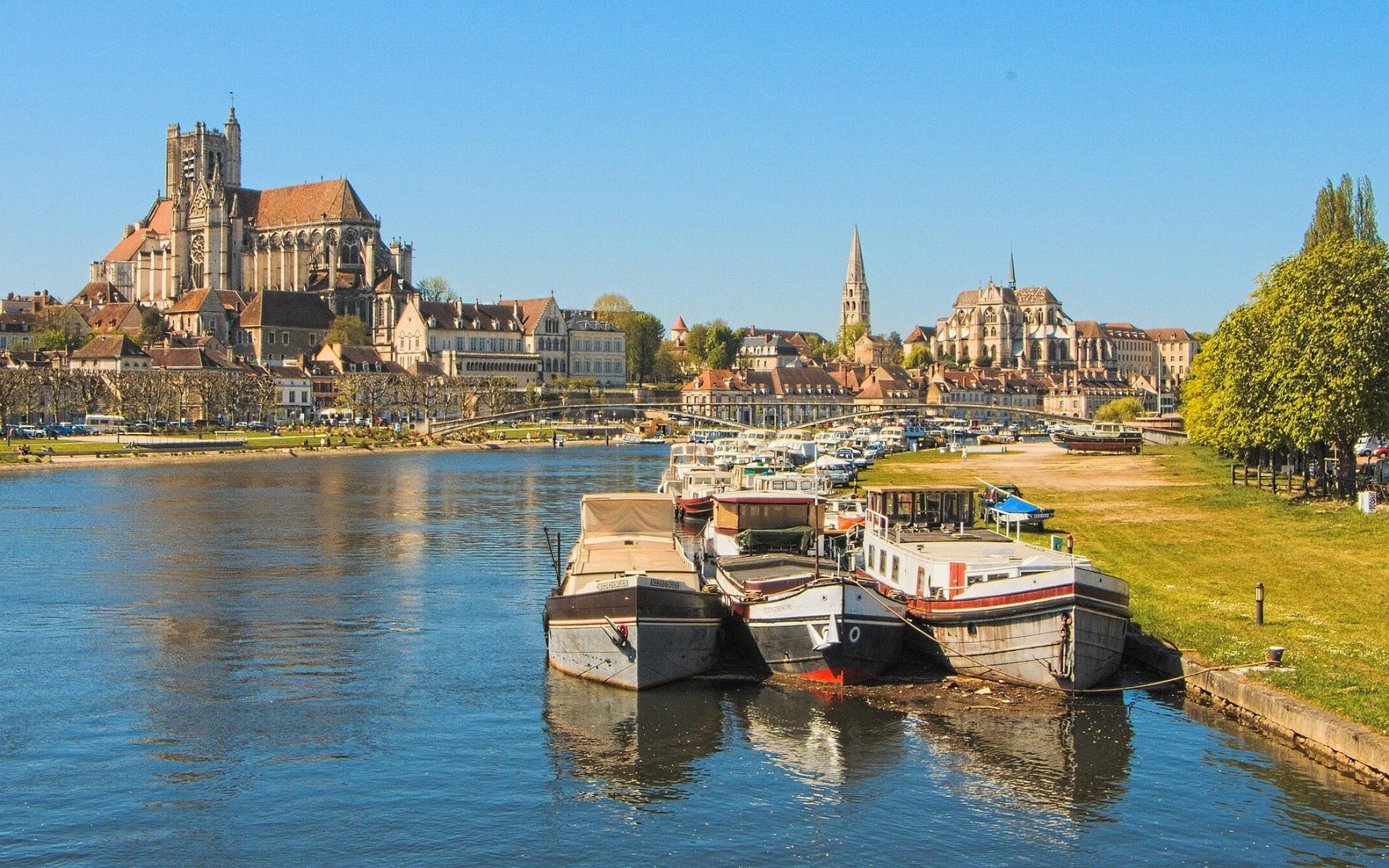
Auxerre
Auxerre is a picturesque city located southeast of Paris and is the capital of the Yonne department.
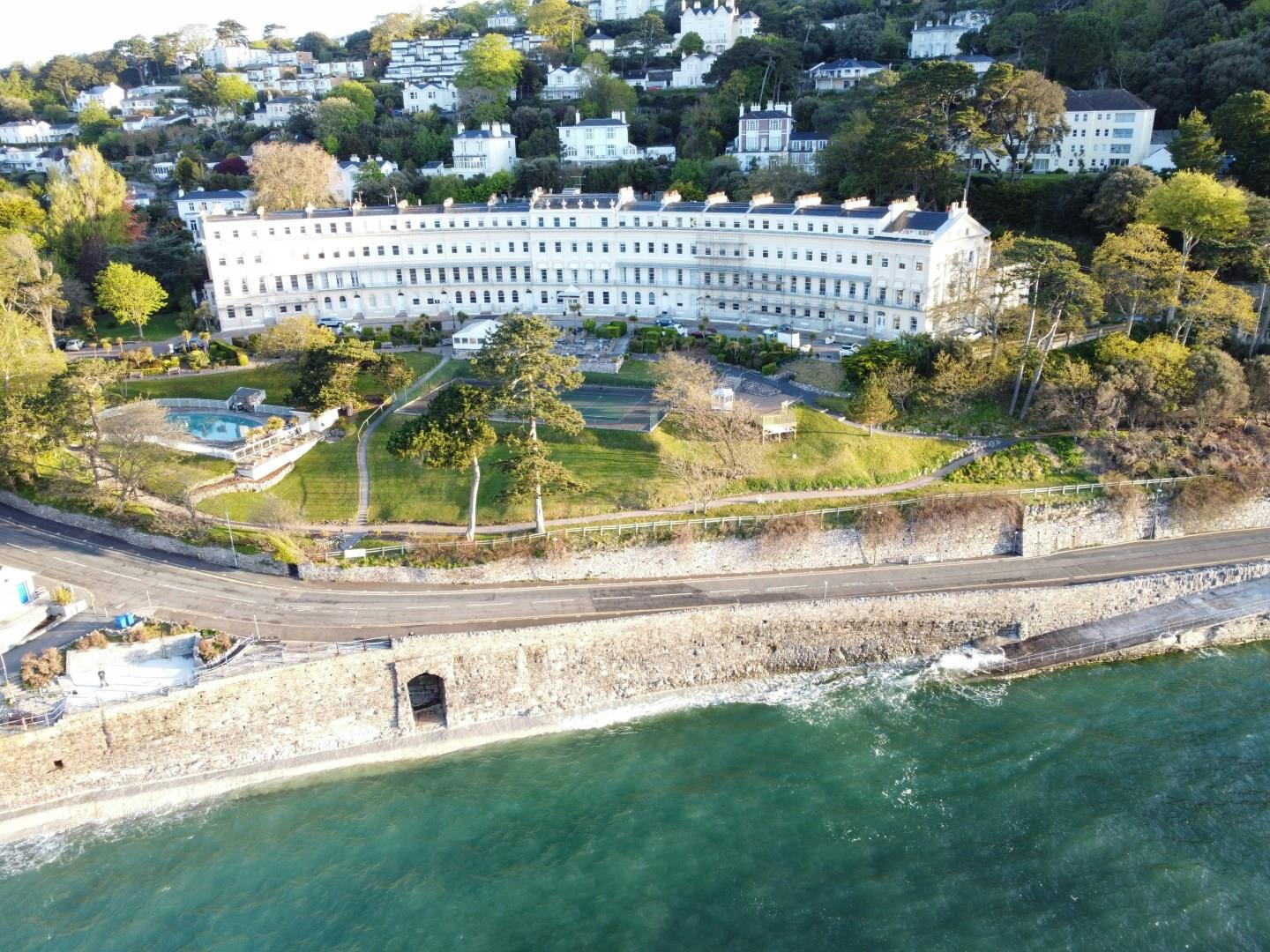
Torquay
Torquay, located on England’s southwest coast in Devon, is often referred to as the gateway to the English Riviera. With origins as a small fishing village, it expanded rapidly in the 19th century as a seaside resort, attracting visitors with its mild climate, sandy beaches, and scenic coastline.
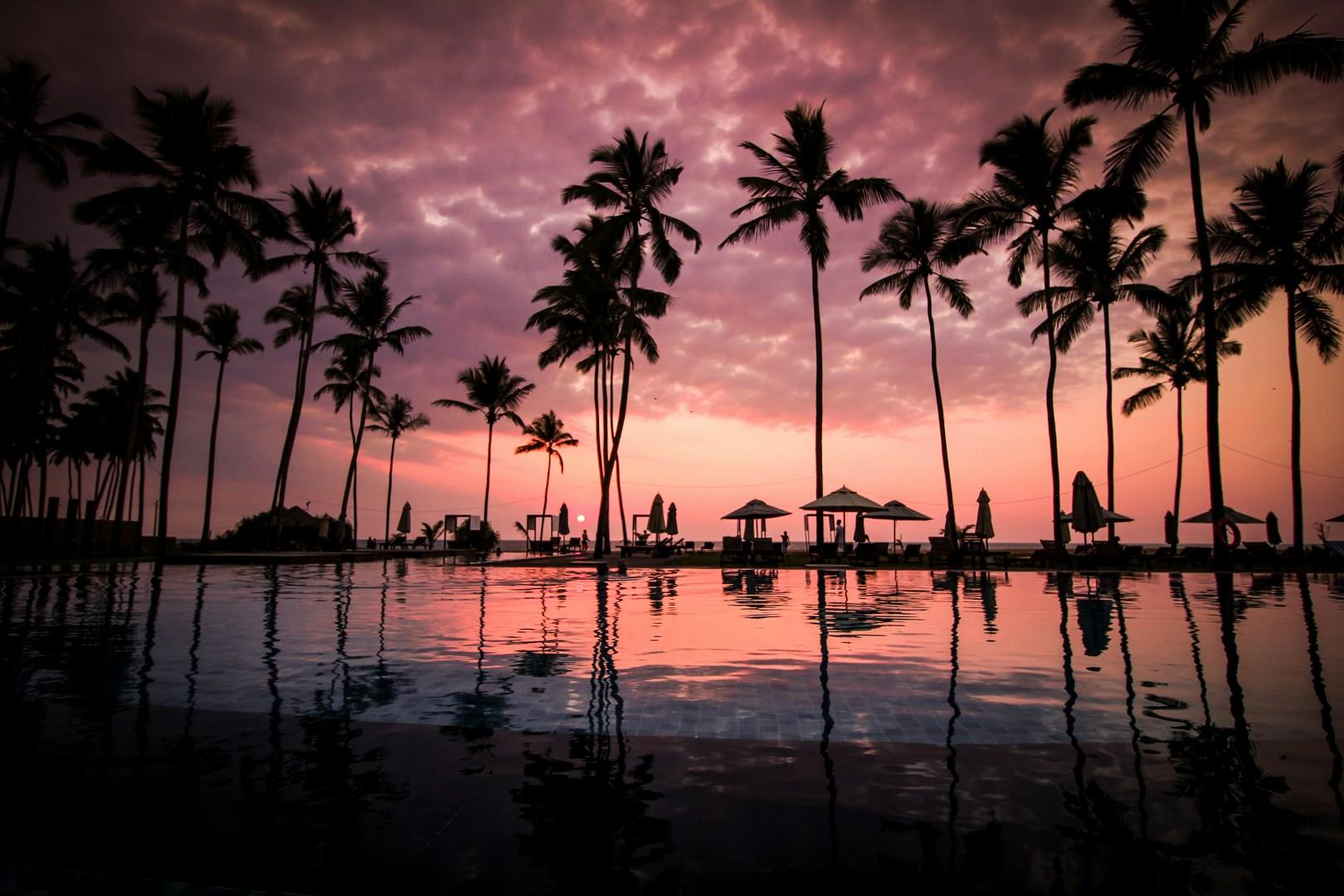
Negombo
Negombo, located just north of Colombo and minutes from Sri Lanka’s main international airport, offers a coastal town experience steeped in layered history and local life. Once a vital trading post for cinnamon during the colonial era, Negombo has seen Portuguese, Dutch, and British influence with each leaving a mark on its architecture and culture. The Dutch-era canal system, still used by fishermen and local vendors today, runs through parts of the town and can be explored by boat or bicycle.
